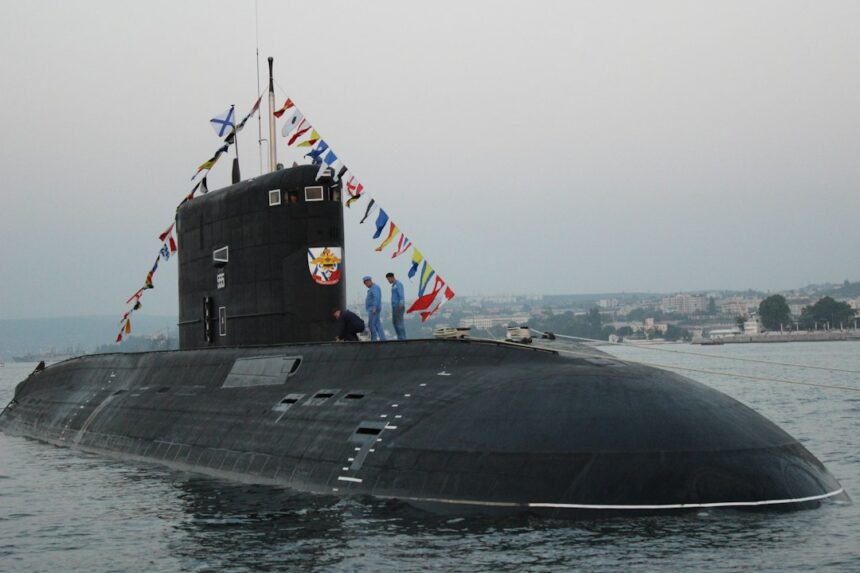
The Shadow Beneath the Waves: Genesis of the Cold War Submarine Arms Race
The Cold War, a geopolitical chess match played out on a global stage, was characterized by its proxy conflicts, ideological battles, and, perhaps most chillingly, an escalating arms race. While the skies were dotted with bombers and the land bristled with tanks, a silent, unseen competition unfolded beneath the ocean’s surface. The development of submarine technology, initially a nascent and often crude innovation, rapidly transformed into a central pillar of both American and Soviet military strategy. The origins of this intense technological race were sown in the ashes of World War II, fueled by wartime lessons, emerging technologies, and an ever-present, gnawing fear of the adversary’s capabilities.
The origins of the Cold War submarine technology race can be traced back to the intense competition between the United States and the Soviet Union, as both nations sought to develop advanced underwater capabilities that would provide strategic advantages during the conflict. This technological rivalry not only led to the creation of more sophisticated submarines but also spurred innovations in stealth and missile technology. For a deeper understanding of this fascinating topic, you can read more in the related article at In the War Room.
Echoes of World War II: Lessons Learned and Emerging Threats
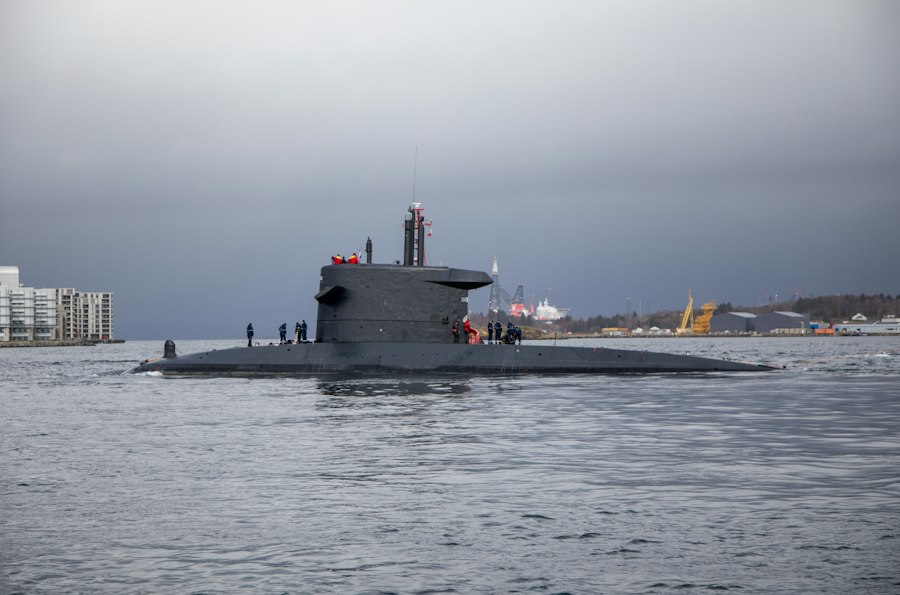
The Second World War provided a stark and terrifying demonstration of the submarine’s potential. German U-boats, though ultimately defeated, inflicted catastrophic losses on Allied shipping, choking off vital supply lines and pushing Britain to the brink of collapse. This harrowing experience left an indelible mark on naval thinking in both the victorious and vanquished nations. For the United States and the United Kingdom, the war underscored the critical importance of anti-submarine warfare (ASW) and the need for their own submarine forces to project power and disrupt enemy logistics. For the Soviet Union, though its submarine fleet was less effective during the war, the sheer destructive power displayed by the U-boats ignited a recognition of their strategic significance, particularly in the context of a potential future conflict with the West.
The German Legacy: A Catalyst for Innovation
Perhaps the most direct impetus for the burgeoning submarine arms race came from the technological advancements pioneered by Germany during the latter stages of World War II. The introduction of the Type XXI U-boat, often considered the first true “submersible,” represented a quantum leap in submarine design. Unlike its predecessors, which were essentially surface ships that could submerge, the Type XXI was designed from the keel up for underwater operation. Its revolutionary hull shape, the introduction of the snorkel, and its vastly improved battery capacity allowed it to remain submerged for extended periods, significantly reducing its vulnerability to aerial detection and attack. The snorkel, in particular, allowed the diesel engines to run while submerged, continuously recharging the batteries and enabling sustained underwater speeds that were previously unimaginable.
The advanced electrical systems and the deployment of early acoustic torpedoes also showcased Germany’s forward-thinking approach. While these technologies were largely too late to alter the course of the war, their existence was well-documented and studied with intense interest by Allied intelligence. The capture of German submarines, blueprints, and personnel provided invaluable insights into these groundbreaking innovations. The Allies, especially the United States, were quick to recognize the strategic implications of these German designs. The lessons learned from the Type XXI, in particular, directly influenced the development of post-war submarine programs for all major naval powers. The pursuit of greater underwater endurance, higher submerged speeds, and improved stealth became paramount objectives, setting the stage for a technological arms race that would define naval warfare for decades to come.
The Strategic Imperative: Deterrence and Denial
Beyond the direct technological influence of wartime innovations, the geopolitical landscape that emerged from World War II provided the fundamental strategic rationale for the submarine arms race. The ideological chasm between the United States and the Soviet Union, coupled with the development of nuclear weapons, created a new and terrifying paradigm of global conflict. In this environment, submarines took on a dual strategic role: one of deterrence and the other of denial.
For the United States, submarines became an increasingly vital component of its nuclear triad. The ability to launch ballistic missiles from submerged platforms offered a survivable second-strike capability, a cornerstone of nuclear deterrence. A submerged submarine is inherently difficult to locate and track, making it a highly resilient launch platform that could withstand a surprise nuclear attack and still retaliate. This “assured destruction” capability was central to the doctrine of Mutually Assured Destruction (MAD), which aimed to prevent a first strike by ensuring devastating retaliation. Simultaneously, American submarines were tasked with the denial role – hunting Soviet submarines, protecting Allied shipping, and conducting intelligence gathering missions.
The Soviet Union, facing a technologically superior Western bloc and an immense land border, also saw submarines as a critical asymmetric weapon. Their submarines were envisioned as potent tools for disrupting NATO’s transatlantic supply lines, a vital artery for resupplying Europe in the event of war. Furthermore, Soviet submarines were increasingly armed with nuclear-tipped cruise missiles, capable of attacking surface vessels and even coastal targets. The development of a large and potent submarine force was thus seen as a way to level the playing field and project Soviet power globally, even without possessing the same number of aircraft carriers or global power projection capabilities as the United States. This mutual perception of threat and the desire to exploit the submarine’s unique advantages in a potential conflict were powerful drivers of the accelerating technological competition.
The Dawn of a New Era: Post-War Development and Divergent Paths
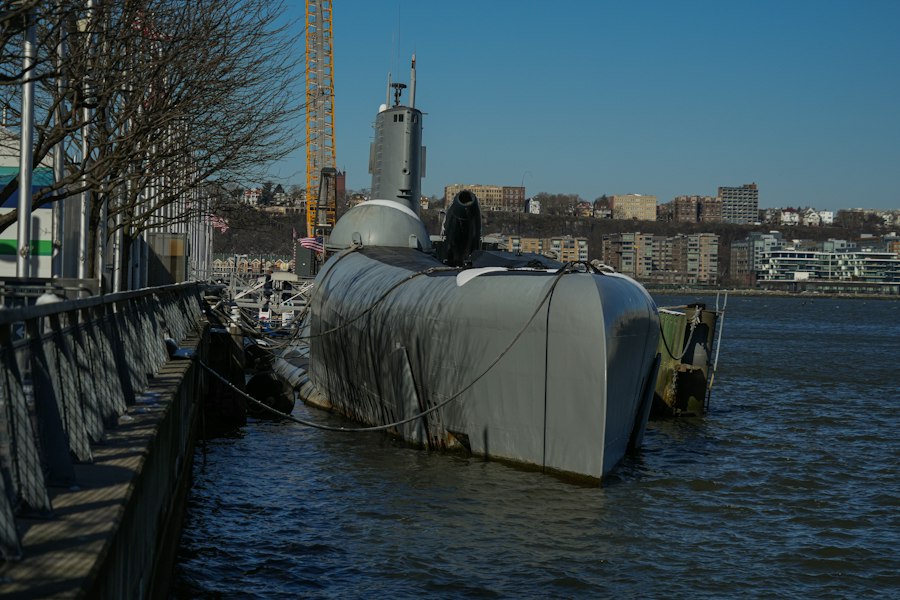
The immediate post-war years witnessed a crucial period of reassessment and rapid technological advancement in submarine design. Both the United States and the Soviet Union, having absorbed the lessons of the war and the early tremors of the Cold War, embarked on ambitious programs to modernize and expand their submarine fleets. This period saw the emergence of distinct design philosophies, shaped by differing strategic priorities, technological capabilities, and industrial capacities.
American Innovation: The Submarine as a Nuclear Platform
The United States, with its robust industrial base and technological prowess, focused heavily on developing submarines that could effectively serve as mobile nuclear launch platforms. The introduction of nuclear propulsion, a groundbreaking innovation, revolutionized submarine warfare. The USS Nautilus, commissioned in 1954, was the world’s first nuclear-powered submarine. This marked a seismic shift, freeing submarines from the limitations of diesel engines and snorkel requirements. Nuclear power allowed submarines to remain submerged indefinitely, travel at much higher speeds for sustained periods, and operate in regions previously inaccessible due to refueling needs.
This newfound freedom of movement and endurance transformed the submarine into a truly formidable strategic asset. The development of ballistic missile submarines (SSBNs) became a top priority. These vessels were designed to carry a significant payload of Polaris, and later Poseidon, submarine-launched ballistic missiles (SLBMs), providing a highly survivable and stealthy nuclear deterrent. The focus on stealth was paramount
Japan Built a Submarine That Could Launch Three Planes
FAQs
What was the Cold War submarine technology race?
The Cold War submarine technology race was a competition between the United States and the Soviet Union to develop advanced submarine technology during the Cold War era.
When did the Cold War submarine technology race begin?
The Cold War submarine technology race began in the late 1940s and continued throughout the Cold War period, which lasted from the late 1940s to the early 1990s.
What were some key developments in submarine technology during the Cold War?
Some key developments in submarine technology during the Cold War included the development of nuclear-powered submarines, advanced sonar systems, and improved missile capabilities.
How did the Cold War submarine technology race impact international relations?
The Cold War submarine technology race heightened tensions between the United States and the Soviet Union, leading to an arms race and increased military spending. It also played a significant role in shaping naval strategies and defense policies during the Cold War.
What is the legacy of the Cold War submarine technology race?
The legacy of the Cold War submarine technology race includes advancements in submarine technology that continue to influence naval warfare today. It also serves as a reminder of the intense competition and technological innovation that characterized the Cold War era.