The United States Navy, a formidable force on the global stage, has employed a variety of strategies throughout its history to maintain maritime superiority and safeguard its interests. Among these, a seemingly counterintuitive but strategically sound practice has been the deliberate sinking of captured enemy submarines. Far from being an act of wanton destruction, this action was rooted in a complex web of security considerations, technological realities, and the overarching need to prevent adversaries from gaining access to sensitive information or matériel. This article delves into the multifaceted reasons behind the US Navy’s decision to scuttle captured submarines, exploring the security imperatives that drove this policy.
The Strategic Imperative of Denying Enemy Access
The act of sinking captured enemy submarines was, at its core, a defensive measure designed to deny potential adversaries critical intelligence and technological advantages. In the realm of naval warfare, particularly submarine warfare, information is as vital as firepower. The technological sophistication of submarines, especially during periods of intense conflict and arms races, represented a significant investment of national resources and a key component of a nation’s military capability. Allowing an enemy to gain access to a captured vessel, even after its operational capabilities had been neutralized, posed unacceptable risks.
Preventing Intelligence Exploitation
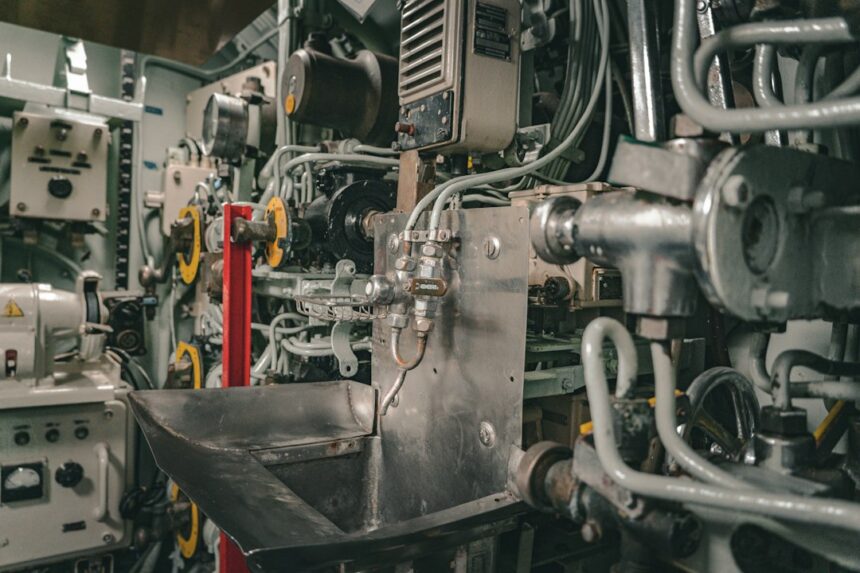
The most immediate and pressing concern was the potential for captured submarines to be exploited for intelligence purposes. Modern submarines are complex machines, bristling with advanced electronics, communication systems, sonar arrays, navigation equipment, and propulsion technologies. These systems are not only designed for operational effectiveness but also contain proprietary designs and operational doctrines. An adversary, upon capturing a submarine, would be intensely interested in dissecting these components.
Intelligence gathering through examination of captured hardware is a cornerstone of military intelligence. Even if a submarine was rendered inoperable, its internal components, wiring diagrams, software code, and operational manuals could reveal invaluable insights into an enemy’s technological capabilities, their production methods, and their strategic thinking. The US Navy understood that the mere opportunity for an adversary to study a captured vessel, even if it was no longer a functional threat, could provide them with a significant technological leg up. This could manifest in several ways. Firstly, by understanding the strengths and weaknesses of US submarine technology, adversaries could develop countermeasures or counter-technologies that would diminish the effectiveness of their own fleet against American submarines. Secondly, studying captured equipment could accelerate an adversary’s own research and development efforts, allowing them to leapfrog years of development and close critical technological gaps. This was particularly true during the Cold War, when the United States and the Soviet Union were locked in a constant technological arms race. The transfer of even seemingly minor technological advancements derived from a captured submarine could have had profound implications for the strategic balance of power.
Safeguarding Proprietary Technology and Design Secrets
Beyond the immediate intelligence value, captured submarines also represented a treasure trove of proprietary technology and design secrets. Naval engineering and submarine design are highly specialized fields, involving years of research, development, and testing. The designs and innovations embedded within a submarine’s hull, propulsion system, sonar, and weapons systems are often the result of immense national investment and protected by strict security protocols.
The US Navy had no interest in seeing its hard-won technological advantages fall into the hands of potential adversaries. The sinking of a captured submarine was a direct measure to prevent the reverse-engineering and dissemination of these secrets. This was not just about maintaining a technological edge in the present, but also about protecting future innovations and investments. If enemy powers could easily acquire and replicate advanced US submarine technology, it would undermine the economic and strategic rationale for continued R&D spending. It would also make it far more difficult to maintain a qualitative superiority in future naval engagements. The potential for a rival nation to gain access to advanced sonar signatures, acoustic quieting technologies, or novel weapon deployment systems was a risk the US Navy was unwilling to take.
Preventing Re-arming or Repurposing by Hostile Forces
Another critical security consideration was the possibility that a captured submarine, even if damaged, could be repaired and repurposed by hostile forces. While the US Navy would likely disable a captured submarine to a significant degree, the ingenuity and resourcefulness of determined adversaries could not be underestimated. The idea of a captured American submarine, or one designed with American technology, being turned against US forces or its allies was a chilling prospect.
Sinking the vessel definitively removed this possibility. It ensured that the submarine, its components, and its potential for future military application would cease to exist. This was a foolproof method of disarmament. Even if the submarine was captured in a damaged state, repairs and refitting, especially for a technologically sophisticated vessel, would require significant resources, expertise, and time. The US Navy’s action effectively eliminated the need for an adversary to undertake such efforts, by removing the asset entirely from play. This was a clear and unambiguous statement of intent, demonstrating that the US Navy would not allow its captured assets to become a renewed threat.
The practice of the U.S. Navy sinking captured submarines has been a topic of interest for many historians and military enthusiasts. One insightful article that delves into the reasons behind this strategy can be found on In The War Room. The article discusses the tactical advantages of eliminating captured vessels to prevent them from being used by enemy forces and the broader implications for naval warfare. For more information, you can read the article here: In The War Room.
Deterrence and the Psychological Impact
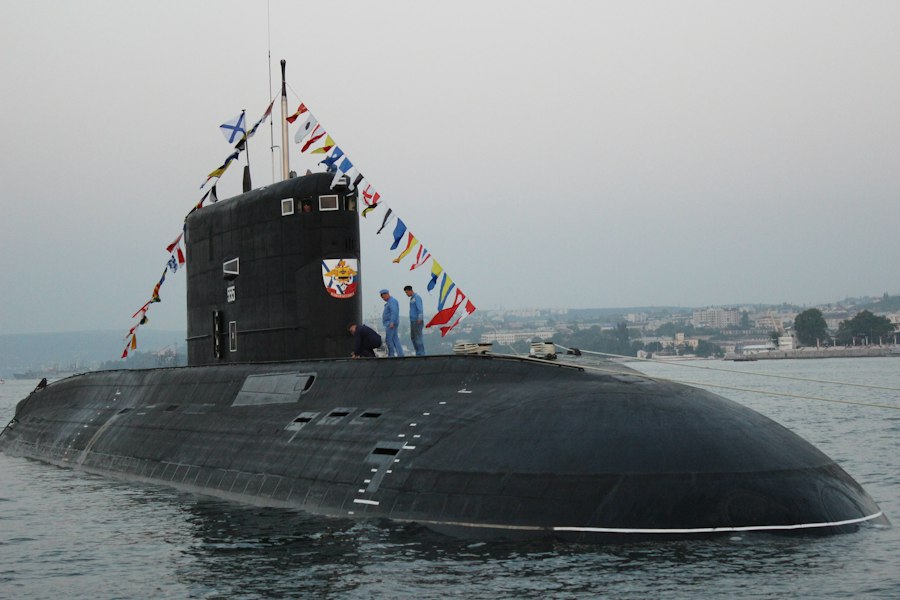
The act of sinking captured submarines was not solely about preventing immediate threats; it also served a broader purpose of deterrence and carried a significant psychological impact on potential adversaries. The deliberate destruction of a captured warship sends a clear message about a nation’s resolve and its commitment to denying its enemies any spoils of war.
Reinforcing the Consequences of Capture
By sinking captured submarines, the US Navy communicated to potential adversaries that capture would not lead to the acquisition of valuable intelligence or technology. This increased the perceived cost of engaging in submarine warfare against the United States. Instead of a potential reward in the form of captured assets, adversaries faced the certainty of losing their submarines entirely, along with the significant investment they represented. This harsh consequence was intended to make potential aggressors think twice before initiating hostilities. The destruction of a captured submarine served as a stark reminder that engaging in conflict with the US Navy would result in the irreversible loss of their own naval assets.
Demonstrating Unwavering Resolve and Commitment
The act of sinking a captured vessel, particularly a submarine which represented a significant national asset, was a powerful demonstration of the US Navy’s unwavering resolve. It signaled a commitment to total victory and a refusal to allow any benefit to accrue to the enemy, even after their defeat. This message was not lost on other nations observing the conflict. It reinforced the perception of the US as a formidable and determined military power, unwilling to compromise on its security interests. This psychological advantage could contribute to broader strategic deterrence, making potential adversaries less likely to challenge US naval dominance in the future. The visible destruction of a captured submarine served as a tangible and undeniable symbol of American power and its unyielding stance against those who threatened its interests.
Deterring Future Submarine Development and Deployment
While not a direct consequence, the policy of sinking captured submarines could also have had a subtle deterrent effect on future submarine development and deployment by potential adversaries. If nations knew that their most advanced submarines, should they be captured, would be irrevocably destroyed, it might influence their investment decisions and deployment strategies. The substantial cost and effort involved in developing and building submarines would be seen as even riskier if there was a high probability of losing the asset without any potential gain, even in defeat. This calculated destruction served as a silent warning, adding another layer of risk to the already perilous endeavor of naval warfare.
Practical and Operational Considerations
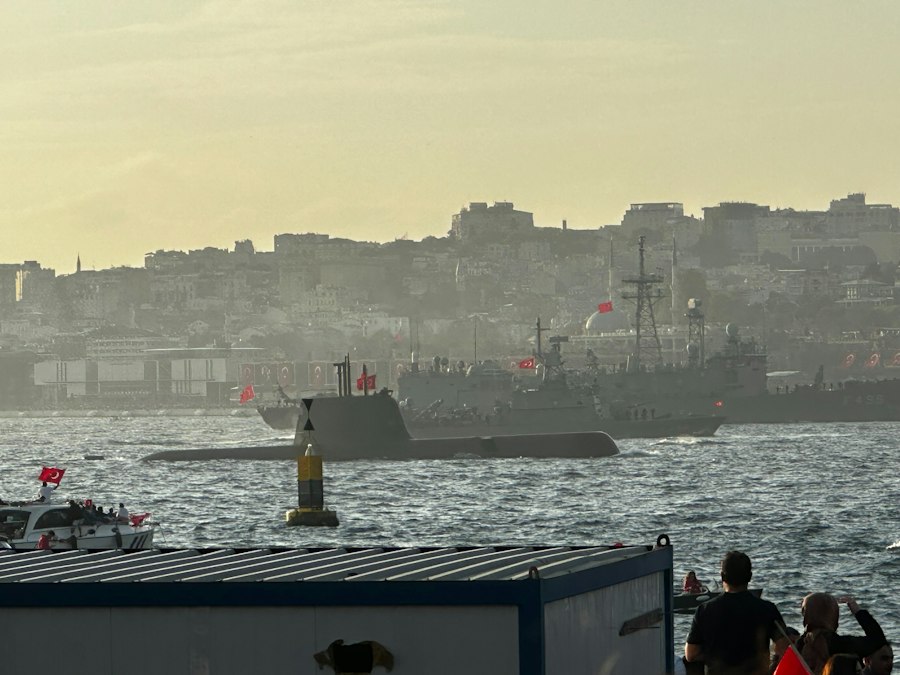
Beyond the strategic and psychological dimensions, practical and operational considerations also played a role in the decision to sink captured submarines. These included the logistical challenges of maintaining and transporting captured vessels, as well as the security risks associated with holding them.
Logistical Burdens of Transportation and Maintenance
Once a submarine is captured, the logistical challenges of transporting and maintaining it can be immense. A submarine is a complex piece of machinery that requires specialized facilities, highly trained personnel, and a constant supply of resources for its upkeep. Moving a captured submarine from the point of capture to a secure facility, especially across vast ocean distances, would be a monumental undertaking. This would involve significant naval escort, specialized transport ships, and considerable fuel consumption.
Furthermore, maintaining a captured submarine, even if it’s only for intelligence exploitation, requires a dedicated team of engineers, technicians, and security personnel. This diverts valuable resources and personnel that could be better utilized elsewhere. The cost and complexity associated with these logistical burdens often outweighed the potential benefits of preserving the captured vessel, especially when the primary objective was to deny the enemy access and information. The US Navy, with its global operational commitments, would find it difficult to dedicate the extensive resources needed to safely house and study every captured submarine without compromising its operational readiness elsewhere.
Security Risks of Holding Captured Vessels
Holding onto a captured submarine, even in a secure location, presents ongoing security risks. A captured vessel, regardless of its operational status, could become a target for enemy sabotage or rescue attempts. The mere presence of a captured enemy warship within US controlled territory could be exploited by adversaries for propaganda purposes or as a justification for retaliatory actions.
Furthermore, the potential for internal security breaches, where sensitive intelligence or technology might be compromised by enemy sympathizers or agents operating within the holding facility, cannot be discounted. The risk of a successful infiltration or espionage operation targeting a captured submarine would be a significant concern. Sinking the submarine eliminated these potential vulnerabilities and ensured that the vessel and its contents would pose no further security threat. It was a clean and definitive solution to a complex security problem.
Preventing Salvage Operations by the Enemy
There was always the possibility that the enemy, even after losing a submarine, would attempt to salvage it. This could be for various reasons, including retrieving sensitive equipment, recovering bodies for recognition, or simply to deny the US Navy the satisfaction of complete control. If a captured submarine remained afloat and accessible, it presented an opportunity for a daring enemy operation.
By deliberately sinking the submarine, the US Navy ensured that it was beyond the reach of any salvage efforts. The depth of the ocean would make such an operation exceedingly difficult, if not impossible, for most adversaries. This act of scuttling was a final measure to guarantee that no part of the captured asset would fall back into enemy hands, thereby completing the denial of any potential benefit.
International Law and Precedents
The practice of sinking captured enemy vessels, while seemingly harsh, was not without its precedents and was generally understood within the context of international law governing armed conflict. While specific international treaties might not explicitly detail the scuttling of submarines, the underlying principles of prize law and the rights of belligerents provided a framework for such actions.
Prize Law and the Treatment of Captured Enemy Property
Historically, prize law has governed the treatment of enemy property captured at sea during times of war. Under these laws, captured vessels and their contents could be declared lawful prizes of war, subject to condemnation and sale by the prize court of the capturing nation. However, this process was often lengthy and involved legal proceedings. In situations where the immediate security or strategic interests of the capturing nation were paramount, the destruction of the captured asset was sometimes seen as a more practical and effective alternative to prolonged legal processes.
The decision to sink a captured submarine was often made when the risks associated with retaining it, whether for intelligence or for preventing its recapture, were deemed to be too high to justify the complexities of prize proceedings. The overriding concern was national security, and if retaining the vessel posed a direct threat, its destruction was a justifiable recourse.
The Principle of Military Necessity
The principle of military necessity, a fundamental tenet of international humanitarian law, allows for actions that are essential to achieve a legitimate military objective, even if they cause destruction or harm. In the context of sinking captured submarines, the military necessity stemmed from the need to prevent the enemy from gaining access to critical intelligence and technology, thereby safeguarding national security and potentially saving lives in future engagements.
The US Navy’s actions were guided by the assessment that the destruction of the submarine was the most effective means to neutralize the threat it posed, both in terms of intelligence exploitation and potential repurposing. This was a calculated decision made in the heat of conflict, where the preservation of national interests often took precedence over the preservation of enemy assets.
Avoiding Potential for Recapture or Reuse
The sinking of captured submarines also served to prevent their potential recapture by enemy forces or their subsequent reuse by allied powers in a way that might create diplomatic complications or unintended consequences. While the US might have considered retaining some captured vessels for its own analysis, the practicalities and risks involved often led to the decision to eliminate the asset altogether.
Furthermore, in a coalition warfare scenario, the disposition of captured enemy equipment could sometimes lead to disputes or differing interests among allies. By destroying the submarine, the US Navy removed any ambiguity or potential for disagreement regarding its future use or disposition, ensuring that the captured asset would not become a point of contention.
The practice of sinking captured submarines by the US Navy has been a topic of interest for historians and military enthusiasts alike. This strategy was often employed to prevent advanced technology from falling into enemy hands and to eliminate potential threats. For a deeper understanding of the motivations and implications behind this tactic, you can explore a related article that delves into the historical context and operational decisions made during such events. The article can be found here.
The Enduring Legacy of Security-Driven Decisions
| Reason | Description | Impact | Example |
|---|---|---|---|
| Prevent Technology Transfer | To avoid advanced submarine technology falling into enemy hands or other nations. | Maintained technological advantage and security. | Sinking of captured German U-boats after WWII. |
| Operational Security | Eliminating captured submarines reduced risk of intelligence leaks. | Protected classified information and tactics. | Disposal of Japanese submarines post-WWII. |
| Cost and Practicality | Repairing and maintaining captured submarines was often impractical and expensive. | Resources were better allocated to existing fleet. | Decision to scuttle or sink captured vessels rather than refurbish. |
| International Agreements | Compliance with treaties limiting naval armaments and submarine possession. | Helped maintain diplomatic relations and treaty obligations. | Post-war disarmament protocols. |
| Testing and Training | Some submarines were sunk after use in weapons testing or training exercises. | Provided valuable data and training opportunities before disposal. | Use of captured subs as target practice. |
The practice of the US Navy sinking captured submarines, while a somber aspect of naval history, underscores the rigorous and often difficult decisions that military leaders must make in the interest of national security. These actions were not taken lightly but were the result of careful consideration of intelligence threats, technological imperatives, strategic deterrence, and practical operational realities.
A Testament to the Importance of Information Security
The policy of scuttling captured submarines serves as a potent reminder of the paramount importance of information security in modern warfare. In an era where technological superiority is a key determinant of military success, the safeguarding of sensitive designs, operational doctrines, and technological innovations is crucial. The US Navy’s actions demonstrated a commitment to protecting these vital assets at all costs, even if it meant the irreversible destruction of captured enemy equipment. This vigilance against intelligence exploitation remains a cornerstone of naval strategy.
The Ethical Considerations of Naval Warfare
While the actions taken were rooted in security, they also raise ethical considerations about the destruction of captured enemy property. However, within the framework of armed conflict, the principle of military necessity often dictates actions that prioritize the safety and security of one’s own forces and nation. The US Navy’s approach was to minimize the potential for future harm by denying the enemy any advantage gained from their captured assets. This reflected a pragmatic approach to warfare, where the ultimate goal was to achieve victory and maintain peace through strength.
The Evolving Landscape of Naval Technology and Security
The landscape of naval technology and security is constantly evolving. While the specific threats and technologies of past conflicts may have changed, the underlying principles of denying adversaries critical intelligence and technological advantages remain relevant. The lessons learned from the practice of sinking captured submarines continue to inform modern naval security strategies, emphasizing the need for robust intelligence gathering, secure technology development, and decisive action to neutralize potential threats. The commitment to safeguarding national security in the maritime domain remains as critical as ever, shaping the decisions and strategies of navies around the world.
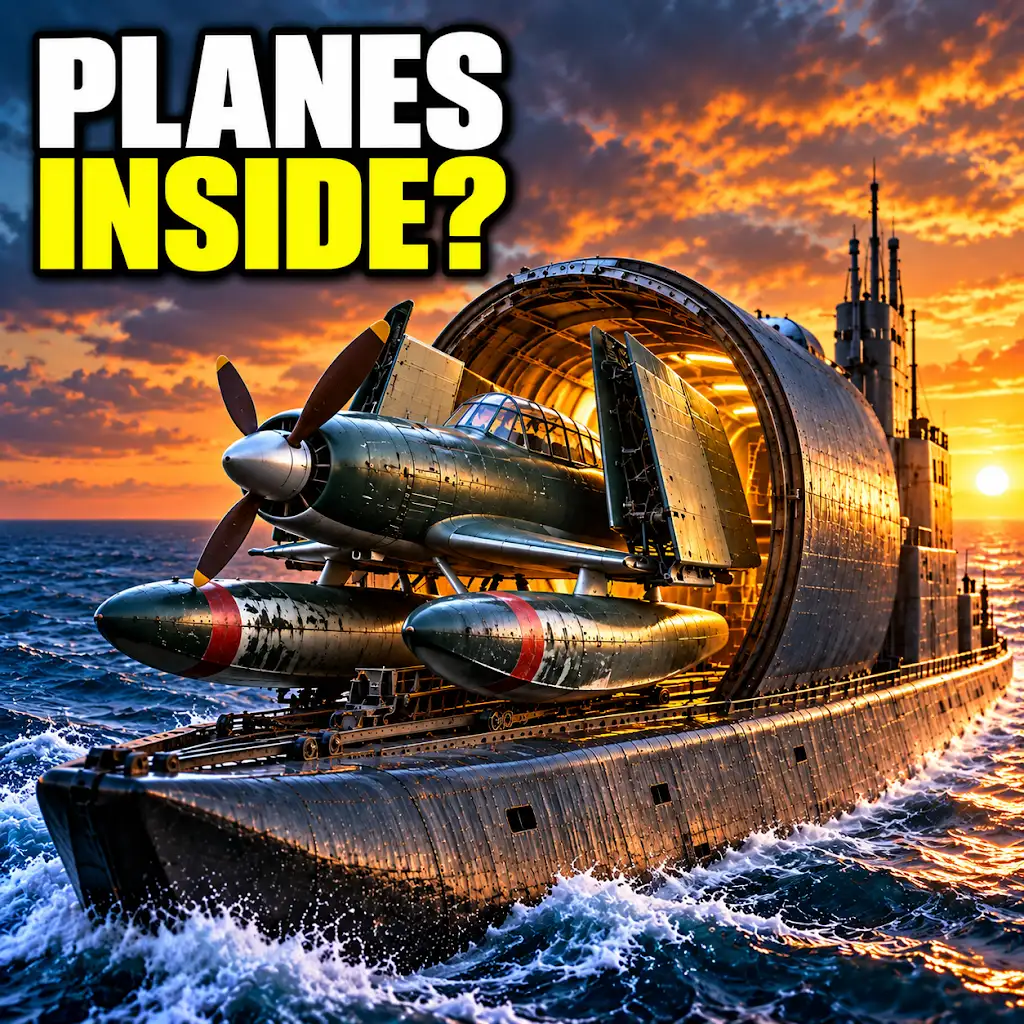
Japan Built a Submarine That Could Launch Three Planes
FAQs
1. Why did the US Navy sink captured submarines?
The US Navy sank captured submarines to prevent the enemy from gaining any valuable intelligence or technology from the vessels.
2. When did the US Navy sink captured submarines?
During World War II, the US Navy sank captured submarines to ensure that the enemy did not have access to advanced technology or tactics.
3. Were there any specific incidents that led to the sinking of captured submarines by the US Navy?
Yes, there were specific incidents where captured submarines were sunk by the US Navy, such as the sinking of the German U-505 submarine in 1944.
4. Did other countries also sink captured submarines during wartime?
Yes, other countries have also sunk captured submarines during wartime to prevent the enemy from gaining any advantage.
5. How did the sinking of captured submarines by the US Navy impact naval warfare?
The sinking of captured submarines by the US Navy demonstrated a commitment to preventing the enemy from obtaining valuable information and technology, which ultimately helped in maintaining a strategic advantage during naval warfare.