The whispers of forgotten blueprints and the silent hum of abandoned laboratories evoke a potent image of Japan’s clandestine naval endeavors during World War II. Beyond the well-documented exploits of the Imperial Japanese Navy, a hidden stratum of technological innovation existed, driven by a desperate need to counter overwhelming Allied industrial might. This article delves into some of the most intriguing and, at times, astonishing, secret naval technologies developed by Japan during the conflict, technologies that pushed the boundaries of engineering and reflected a nation’s remarkable ingenuity under duress.
## The Shadow of the Submersible: Innovations in Underwater Warfare
Japan’s commitment to submarine warfare was profound, stemming from both strategic necessity and a long-standing tradition of naval prowess. While the famous I-boats and midget submarines are widely recognized, the Imperial Navy pursued a series of radical and often overlooked advancements in submersible technology, aiming to create vessels that could challenge Allied naval dominance in ways previously unimagined.
### The ‘Sen-Taka’ and the Dawn of Aerial Submersibles
Perhaps one of the most audacious concepts to emerge from Japan’s secret naval research was the idea of an aerial submersible. Officially designated the “Sen-Taka” (Special Submersible Aircraft), this experimental craft was designed to operate as both an aircraft and a submarine. The vision was to deploy these unique vehicles from larger mother ships, allowing them to fly missions over enemy waters and then, upon completion, dive beneath the surface to evade detection and return.
The design itself was a marvel of engineering ambition, featuring retractable wings, a watertight fuselage, and a propulsion system that could function in both air and water. Propulsion was a significant hurdle; early designs considered a combination of gasoline engines for air travel and electric motors for underwater operation. The pilot would have faced immense challenges, not only in operating a dual-purpose vehicle but also in managing the transition between atmospheric and aquatic environments. While full-scale prototypes were constructed and tested, the Sen-Taka ultimately remained a conceptual triumph rather than a practical weapon. The complexities of ensuring watertight integrity under pressure, coupled with the limitations of early propulsion technologies, proved insurmountable for widespread operational deployment. Nevertheless, the very existence of the Sen-Taka project highlights the radical thinking that characterized Japan’s secret naval R&D.
### The ‘Kaiten’ Kamikaze Submarine: A Desperate Gambit
While not strictly “secret” in the sense of being entirely unknown, the operationalization of the Kaiten midget submarine as a manned suicide weapon represents a dark and desperate facet of Japan’s naval innovation. Developed in the latter stages of the war, the Kaiten was essentially a modified torpedo adapted to carry a single pilot. The objective was to pilot the Kaiten directly into an enemy warship, detonating its explosive payload.
The Kaiten program was born out of a severe shortage of effective offensive weapons and a willingness to employ increasingly unconventional tactics. Pilots were trained for extremely short durations, often with little more than basic navigation and piloting skills. The psychological impact of such missions, both on the pilots and the enemy, was intended to be significant. While the Kaiten achieved some limited successes, its overall impact was minimal compared to the immense human cost. Its development, however, underscores the extreme measures to which Japan’s naval strategists were resorting, pushing the boundaries of human endurance and weapon design into terrifying new territories. The technical challenges of creating a reliable, steerable, and effective manned torpedo were significant, and the Kaiten, in its final form, was a testament to engineering compromise under immense pressure.
### Advanced Sonar and Countermeasure Development
Beyond the vessels themselves, Japan invested heavily in developing advanced sonar and countermeasure technologies. Recognizing the growing threat of Allied anti-submarine warfare, Japanese engineers worked on improving their own detection capabilities and developing methods to disrupt enemy sonar. This included research into active sonar systems that could provide more precise targeting and passive sonar systems that could detect the faint sounds of enemy vessels.
Furthermore, efforts were made to develop acoustic decoys and jamming devices to confuse and mislead Allied submarines. These countermeasures, while not always successful, demonstrated a sophisticated understanding of the evolving nature of underwater warfare. The development of specialized acoustic materials to reduce a submarine’s own noise signature was also a priority, though achieving true stealth remained an elusive goal. The research in this area, though often overshadowed by more visually striking weaponry, played a crucial role in the silent, unseen battles fought beneath the waves.
The hidden history of Japanese World War II naval technology reveals a fascinating yet often overlooked aspect of the conflict, showcasing the innovative designs and engineering feats that contributed to Japan’s naval prowess. For those interested in exploring this topic further, a related article can be found at this link, which delves into the advancements and strategies employed by the Imperial Japanese Navy during the war.
## Wings of the Rising Sun: Unconventional Aircraft Designs
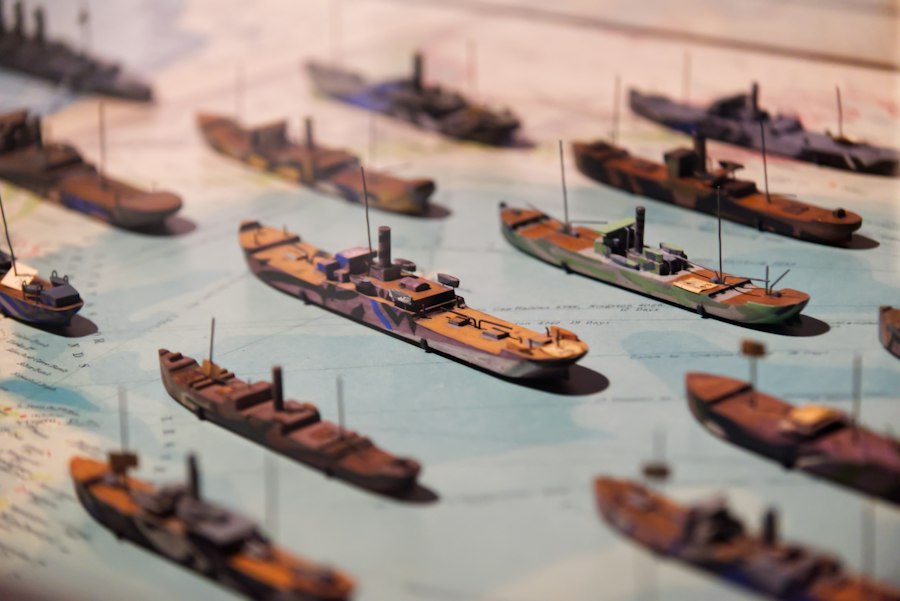
The Imperial Japanese Navy possessed a formidable carrier-based air arm, renowned for its skilled pilots and innovative aircraft. However, the pressures of war also spurred the development of a range of experimental and unconventional aircraft designs, particularly focusing on improving performance, range, and operational flexibility in ways that went beyond conventional fighter and bomber roles.
### The ‘M6A’ Seiran: The Submarine-Launched Dive Bomber
One of the most remarkable and, for a time, closely guarded secrets of the Japanese Navy was the “M6A” Seiran, a dive bomber specifically designed to be launched from a submerged submarine. This groundbreaking concept aimed to extend the reach of naval air power by allowing submarines to act as mobile airbases, capable of launching strikes far inland or against targets otherwise inaccessible to traditional carrier operations.
The Seiran was a purpose-built aircraft, featuring a folding wing mechanism that allowed it to be stored in a large hangar on the deck of specialized submarine cruisers like the I-400 class. These submarines were massive vessels, capable of carrying up to three Seiran aircraft. The process of launching was ingeniously designed to be rapid: the submarine would surface, the aircraft would be hoisted onto the deck, its wings unfolded, and its engine started. The pilot would then take off and proceed to the target. After the mission, the pilot would ditch in the sea, where the submarine would recover them. This entire operation was designed to be completed in under an hour, minimizing the submarine’s exposure on the surface. The Seiran itself was a capable aircraft, designed for high-speed dives and equipped with bomb-carrying capacity. While a few Seiran missions were planned against targets like the Panama Canal, they never saw significant combat due to the war’s swift conclusion. The Seiran remains a testament to the audacious engineering and strategic thinking that sought to redefine naval aviation.
### The ‘Kayaba Ka-1’ Autogyro: A Naval Reconnaissance Experiment
The Kayaba Ka-1 was an experimental autogyro developed by the Japanese Navy for reconnaissance purposes. Autogyros, a precursor to helicopters, utilize a freely rotating rotor for lift and a propeller for forward thrust. The Ka-1 was designed to be launched from small ships and even rudimentary landing platforms, offering a unique capability for scouting and observation in areas where traditional aircraft might be too cumbersome or vulnerable.
The appeal of the autogyro lay in its ability to take off and land vertically or with a very short run, making it suitable for operations from smaller vessels or even hastily prepared sites. Its slower speed compared to conventional aircraft also lent itself to detailed observation and reconnaissance. However, the autogyro’s inherent limitations in speed, payload, and susceptibility to adverse weather conditions prevented it from becoming a mainstream naval asset. The Ka-1 project, while not yielding a revolutionary weapon system, demonstrates the Navy’s willingness to explore diverse aviation technologies to fill perceived operational gaps.
### Jet and Rocket-Powered Aircraft Concepts
While Japan’s jet aircraft program is often associated with the Nakajima Kikka and Mitsubishi J8M Shusui, both heavily influenced by German designs, there were also more experimental and indigenous efforts in rocket-powered aircraft and propelled aircraft concepts. These designs aimed to achieve speeds far exceeding those of propeller-driven aircraft, offering a potential answer to the overwhelming numerical superiority of Allied air forces.
Research into ramjets and pulsejets, as well as more advanced rocket propulsion systems, was ongoing. These were often incorporated into interceptor designs intended to quickly engage high-altitude bombers. The challenges of developing reliable and efficient jet and rocket engines, especially under wartime conditions, were immense. Many of these projects remained in the theoretical or early prototype stages, but they highlight Japan’s drive to harness cutting-edge propulsion technology to achieve a decisive tactical advantage. The desire to develop indigenous jet propulsion, even with limited resources, speaks volumes about the technological ambitions of the Imperial Navy.
## Fortress of Steel: Innovations in Armored Warfare and Defenses
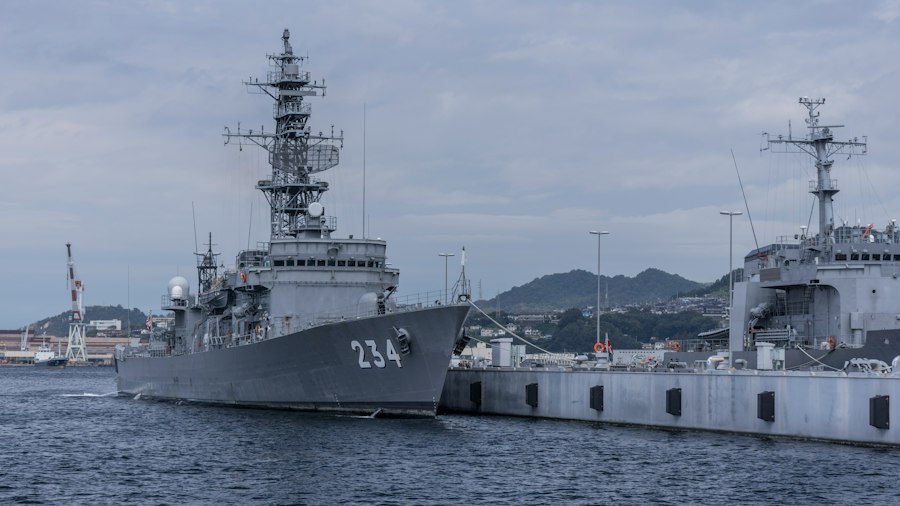
The Japanese Navy’s responsibilities extended beyond naval vessels; they were also instrumental in the defense of Japan’s vast island empire. This necessitated significant investment in land-based fortifications, armored vehicles, and coastal defense systems, often incorporating innovative and sometimes unconventional approaches to warfare.
### The ‘O-I’ Super Heavy Tank: A Colossus of Land
While the Japanese Army is more commonly associated with tank development, the Navy also had a hand in some ambitious armored projects, most notably the “O-I” super heavy tank. This colossal machine, with an estimated weight of over 100 tons, was envisioned as a mobile fortress capable of overwhelming enemy defenses on land. Its sheer size and armament were intended to be intimidating, featuring a formidable array of cannons and machine guns.
The O-I project was characterized by its ambitious scale and the significant engineering challenges it presented. Developing an engine powerful enough to move such a massive vehicle, along with a robust suspension system, was a considerable undertaking. Furthermore, the logistical nightmare of transporting and maintaining such a tank in the Pacific theater would have been immense. Only a few prototypes or mock-ups of the O-I were ever constructed, and the project was ultimately abandoned due to its impracticality and the overwhelming resource demands it would have placed on an already strained war economy. Nevertheless, the O-I represents a fascinating, albeit extreme, exploration of heavy armored warfare by the Japanese Navy.
### Submarine-Launched Coastal Artillery Concepts
A particularly intriguing aspect of Japanese naval defense planning involved the concept of utilizing submarines to deploy and operate coastal artillery. The idea was to create mobile, hidden artillery emplacements that could strike enemy warships attempting to approach Japan’s shores. These concepts often involved specialized submarines designed to carry and launch large-caliber guns, effectively turning the submarines into submerged gun platforms.
The technical hurdles were considerable, including the development of watertight gun mechanisms, the ability to traverse and aim large artillery pieces from a submerged or partially submerged state, and the safe operation of such systems without compromising the submarine’s integrity. While fully realized operational systems of this nature may not have materialized, the research and planning undertaken for such concepts illustrate a proactive and imaginative approach to coastal defense, seeking to leverage the stealth and mobility of submarines for unconventional offensive roles.
### Advanced Coastal Fortification Designs
Beyond mobile systems, the Imperial Japanese Navy also invested in sophisticated static coastal defenses. This included the design and construction of heavily fortified emplacements, often featuring advanced gun turrets and reinforced concrete structures. Some of these fortifications incorporated innovative features, such as concealed firing positions and intricate tunnel systems for troop movement and logistics.
The development of specialized naval guns for land-based batteries was also a priority, allowing for longer ranges and heavier ordnance to engage enemy vessels. The lessons learned from earlier naval engagements, particularly in the Pacific, informed the design of these defenses, aiming to create formidable obstacles for any invading force. While many of these fortifications ultimately proved vulnerable to air and naval bombardment, their construction represented a significant engineering effort and a testament to Japan’s determination to defend its homeland.
## The Unseen Arsenal: Advanced Materials and Propulsion
Behind the visible war machines lay a continuous quest for superior materials and more efficient propulsion systems, the bedrock of any technological advancement. Japan’s naval research and development extended into these fundamental areas, seeking to gain an edge through breakthroughs in material science and innovative engine designs.
### Developments in Radar and Electronic Warfare
While not always considered purely “naval” tech, the development of radar and electronic warfare capabilities was crucial for the Imperial Japanese Navy. Japan’s radar technology lagged behind that of the Allies in the early stages of the war, but significant efforts were made to catch up. This involved research into different radar frequencies, improved antenna designs, and the development of more effective radar countermeasures.
The Navy also explored rudimentary forms of electronic warfare, including jamming enemy radar signals and developing their own methods of signal interception. The miniaturization of electronic components and the development of vacuum tubes suitable for naval use were significant engineering challenges. The secrecy surrounding these developments meant that much of this progress was not widely known, but it represented a vital, if often behind-the-scenes, effort to gain a technological advantage. The understanding of electromagnetic spectrum warfare was growing, and Japan sought to contribute to this emerging field.
### Advances in Torpedo Technology
Japan was renowned for its torpedoes, and the war saw continuous improvements in their design and effectiveness. While the iconic “Long Lance” Type 93 torpedo was already in service, research continued to enhance its speed, range, and warhead effectiveness. This included experiments with different fuel types, improved guidance systems, and more potent explosive compounds.
Furthermore, the development of specialized torpedoes for different applications, such as anti-submarine torpedoes or torpedoes designed for use against land targets, was also pursued. The concept of homing torpedoes, which could actively track and pursue their targets, was an area of intense research. While fully effective homing torpedoes remained elusive for much of the war, the ambition and continuous refinement of torpedo technology demonstrated Japan’s commitment to this critical naval weapon system. The innovation in this area was not always publicly heralded, but its impact on naval engagements was undeniable.
### Alternative Fuels and Propulsion Research
With its limited access to oil resources, Japan actively explored alternative fuels and propulsion systems for its naval vessels. This included research into synthetic fuels, alcohol-based fuels, and even the potential of nuclear propulsion, although the latter remained largely theoretical and would only gain traction in the post-war era.
The Navy also experimented with various engine types, including advanced diesel engines, gas turbines, and even early forms of rocket-assisted takeoff for aircraft. The goal was to improve fuel efficiency, increase power output, and reduce reliance on imported resources. While many of these alternative propulsion concepts did not reach widespread operational deployment during the war, the underlying research laid groundwork for future technological developments and highlighted a persistent drive for self-sufficiency in critical areas. The challenges of wartime scarcity spurred a creative approach to fundamental engineering problems.
The hidden history of Japanese World War II naval technology reveals fascinating insights into the innovations and strategies that shaped the conflict in the Pacific. For those interested in exploring this topic further, a related article can be found at In The War Room, which delves into the advancements made by the Imperial Japanese Navy and their impact on naval warfare. Understanding these developments not only sheds light on Japan’s military capabilities but also highlights the broader implications for naval history during this tumultuous period.
## Legacy of the Unseen: The Enduring Impact of Secret Technologies
| Technology | Description | Development Period | Impact on WWII Naval Warfare | Notable Ships/Units |
|---|---|---|---|---|
| Type 93 “Long Lance” Torpedo | Oxygen-fueled torpedo with extended range and high speed | 1930s – Early 1940s | Revolutionized torpedo warfare with unmatched range and lethality | Japanese Destroyers and Cruisers |
| Yamato-class Battleship | Largest battleships ever built with heavy armor and 18.1-inch guns | 1937-1941 | Symbolized naval power but limited by air superiority of Allies | Yamato, Musashi |
| Type A Ko-hyoteki-class Midget Submarines | Small, two-man submarines used for covert attacks | Late 1930s – Early 1940s | Used in Pearl Harbor attack and other covert operations | Ko-hyoteki-class subs |
| Radar Technology | Early adoption but limited deployment of naval radar systems | 1941-1945 | Lagged behind Allies, affecting detection and targeting capabilities | Various warships equipped late in the war |
| Shinyo Suicide Boats | Small, fast motorboats loaded with explosives for suicide attacks | 1944-1945 | Used in desperate defensive tactics late in the war | Shinyo units |
The secret naval technologies developed by Japan during World War II represent a complex tapestry of brilliant innovation, desperate improvisation, and, at times, tragic ambition. While many of these projects never saw widespread combat or achieved their intended strategic impact, they offer invaluable insights into the resourcefulness and technological prowess of a nation under immense pressure.
The research and development undertaken in areas like aerial submersibles, manned suicide weapons, and advanced propulsion systems, while often shrouded in secrecy, reveal a willingness to push the boundaries of conventional thinking. The “what ifs” surrounding these projects are profound. Had the Seiran dive bomber achieved operational success on a larger scale, or had the Sen-Taka aerial submersible overcome its technical hurdles, naval warfare might have evolved in entirely different directions.
The legacy of these secret technologies is not measured solely by their battlefield effectiveness, but also by their contribution to the broader narrative of technological evolution. They stand as testaments to human ingenuity in the face of adversity, offering a unique lens through which to understand the complex and often overlooked aspects of World War II’s technological arms race. The quiet laboratories and hidden design bureaus of the Imperial Japanese Navy harbored a spirit of innovation that, though often directed towards destruction, undeniably shaped the course of military technology, leaving behind a rich, albeit often somber, legacy of the unseen.
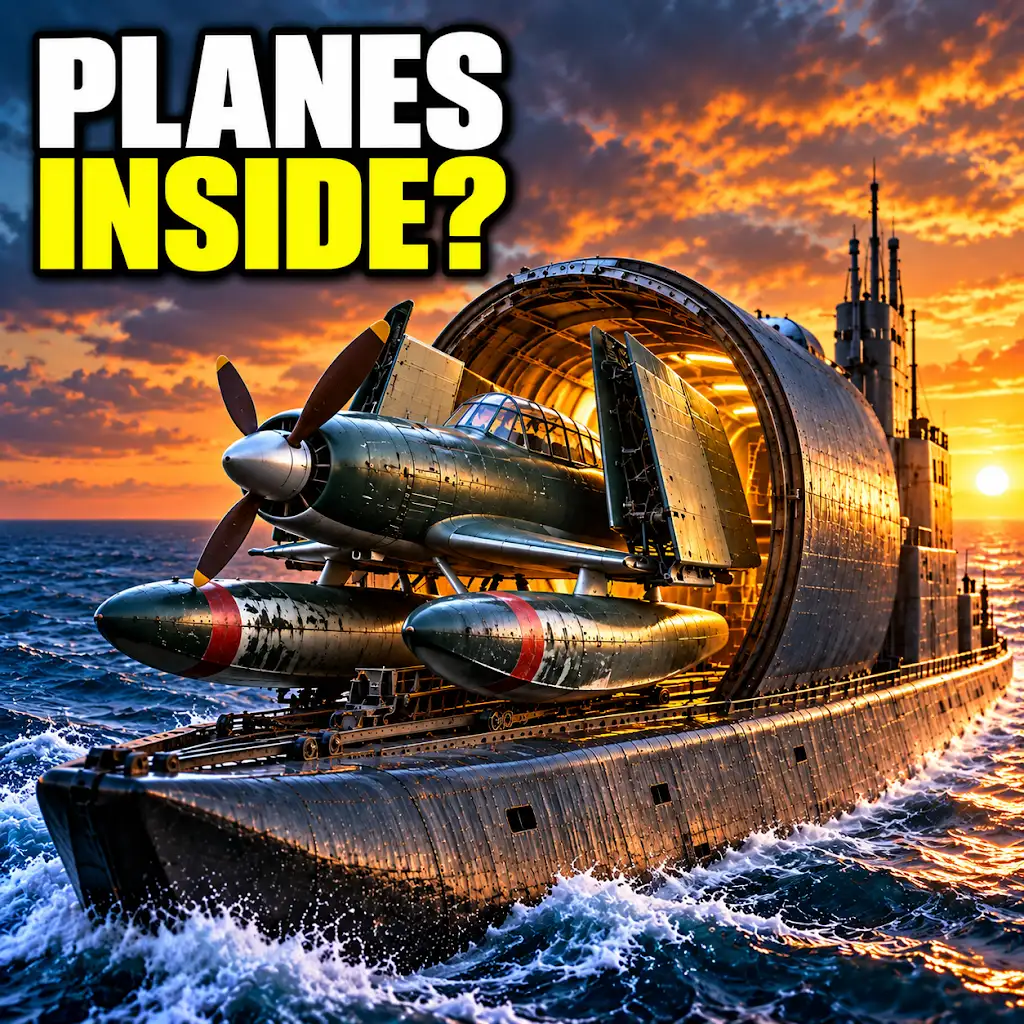
Japan Built a Submarine That Could Launch Three Planes
FAQs
What is the hidden history of Japanese WW2 naval technology?
Japanese WW2 naval technology refers to the advanced and innovative technologies developed by Japan during World War II for their naval forces. These technologies were often kept secret or not widely known at the time.
What were some key advancements in Japanese WW2 naval technology?
Some key advancements in Japanese WW2 naval technology included the development of the Long Lance torpedo, the use of aircraft carriers in naval warfare, and the creation of advanced naval radar systems.
How did Japanese WW2 naval technology impact the outcome of the war?
Japanese WW2 naval technology played a significant role in shaping the outcome of the war in the Pacific. The use of advanced torpedoes, aircraft carriers, and radar systems gave Japan a strategic advantage in naval battles and allowed them to expand their influence in the region.
Why is the history of Japanese WW2 naval technology considered hidden?
The history of Japanese WW2 naval technology is considered hidden because many of the technological advancements made by Japan during the war were not widely publicized or acknowledged at the time. Additionally, some of these technologies were kept secret or classified by the Japanese military.
What lessons can be learned from the hidden history of Japanese WW2 naval technology?
Studying the hidden history of Japanese WW2 naval technology can provide valuable insights into the impact of technological advancements on military strategy and warfare. It also highlights the importance of innovation and secrecy in developing a competitive edge in naval conflicts.