The United States Army’s nuclear missile base stands as a formidable symbol of the nation’s military capabilities and strategic deterrence. These bases, often shrouded in secrecy and fortified with advanced technology, play a crucial role in the defense architecture of the United States. They are not merely installations for storing weapons; they are complex facilities designed to ensure the readiness and reliability of the nation’s nuclear arsenal.
The presence of these bases serves as a deterrent against potential adversaries, signaling that the U.S. is prepared to respond decisively to any threats against its sovereignty. The significance of these bases extends beyond their physical structures.
They embody the intricate balance of power in international relations, where the threat of nuclear retaliation can prevent conflicts from escalating. The personnel stationed at these bases undergo rigorous training and are equipped with the latest technology to maintain a state of readiness. As global tensions fluctuate, the role of the nuclear missile base becomes increasingly vital, underscoring its importance in safeguarding national security.
Key Takeaways
- The US Army’s Nuclear Missile Base plays a crucial role in national security and defense strategy.
- The history of the Nuclear Missile Base dates back to the Cold War era, with its significance evolving over time.
- Security measures at the Nuclear Missile Base are stringent and constantly updated to ensure the safety of the facility and its personnel.
- Personnel at the Nuclear Missile Base undergo rigorous training and preparedness drills to handle any potential threats or emergencies.
- The maintenance and upkeep of nuclear missiles at the base are conducted with utmost precision and adherence to safety protocols.
History of the Nuclear Missile Base
The history of the U.S. Army’s nuclear missile base is intertwined with the broader narrative of the Cold War and the evolution of military strategy. The establishment of these bases can be traced back to the late 1940s and early 1950s, a period marked by escalating tensions between the United States and the Soviet Union.
The development of intercontinental ballistic missiles (ICBMs) necessitated a new approach to nuclear deterrence, leading to the construction of missile silos and launch facilities across the country. These installations were strategically located to ensure rapid response capabilities and to cover vast geographical areas. Over the decades, the nuclear missile base has undergone significant transformations in response to technological advancements and changing geopolitical landscapes.
The introduction of more sophisticated missile systems, such as the Minuteman and Trident missiles, has enhanced the operational capabilities of these bases. Additionally, arms control agreements, such as the Strategic Arms Limitation Talks (SALT) and the Intermediate-Range Nuclear Forces Treaty (INF), have influenced the number and types of missiles deployed at these facilities. This historical evolution reflects not only advancements in military technology but also shifts in national security policy and international relations.
The Role of the Nuclear Missile Base in National Security
The primary role of the nuclear missile base is to serve as a cornerstone of national security strategy. These bases provide a credible deterrent against potential aggressors, ensuring that adversaries understand the severe consequences of any nuclear attack on U.S. soil or its allies. The mere existence of these facilities contributes to strategic stability, as they are designed to respond swiftly and effectively to any nuclear threat. This deterrent effect is crucial in maintaining peace and preventing conflicts from escalating into full-scale wars. Moreover, the nuclear missile base plays a vital role in supporting U.S. commitments to its allies. By maintaining a robust nuclear arsenal, the United States reassures its partners that it stands ready to defend them against existential threats. This commitment fosters alliances and partnerships that are essential for collective security in an increasingly complex global landscape. The presence of these bases not only enhances U.S. military readiness but also reinforces diplomatic efforts aimed at preventing nuclear proliferation and promoting disarmament.
Security Measures at the Nuclear Missile Base
| Security Measure | Details |
|---|---|
| Perimeter Fencing | High-security fencing surrounds the base to prevent unauthorized access. |
| Access Control | Strict access control measures are in place, including ID checks and biometric scanning. |
| Surveillance Cameras | 24/7 surveillance cameras monitor the entire base for any suspicious activity. |
| Armed Guards | Armed guards are stationed at key points to respond to any security threats. |
| Security Alarms | Security alarms are installed to alert personnel of any breaches in security. |
Security at the nuclear missile base is paramount, given the sensitive nature of its operations and the potential consequences of any breach. These facilities are fortified with multiple layers of security measures designed to protect against both external threats and insider risks. Access to the base is strictly controlled, with personnel undergoing thorough background checks and continuous monitoring.
High-tech surveillance systems, including cameras and motion detectors, are employed to ensure that any unauthorized access is swiftly detected and addressed. In addition to physical security measures, cybersecurity is an increasingly critical aspect of protecting nuclear missile bases. As technology evolves, so do the threats posed by cyberattacks that could compromise operational integrity or sensitive information.
The military invests heavily in cybersecurity protocols to safeguard communication systems and data networks associated with missile operations. This comprehensive approach to security reflects an understanding that threats can emerge from various fronts, necessitating a multifaceted strategy to protect national assets.
Training and Preparedness of Personnel at the Nuclear Missile Base
The personnel stationed at nuclear missile bases undergo extensive training to ensure they are prepared for any scenario they may encounter. This training encompasses a wide range of disciplines, from technical skills related to missile operations to emergency response protocols in case of a crisis. Regular drills simulate various situations, allowing personnel to practice their responses and refine their skills in high-pressure environments.
This rigorous training regimen is essential for maintaining operational readiness and ensuring that all team members can perform their duties effectively. Moreover, psychological preparedness is equally important for those serving at these bases. The nature of their work can be stressful, given the high stakes involved in managing nuclear weapons.
Mental health support services are available to help personnel cope with the unique challenges they face. By fostering a culture of resilience and support, military leadership ensures that personnel are not only technically proficient but also mentally equipped to handle the pressures associated with their roles.
Daily Operations at the Nuclear Missile Base
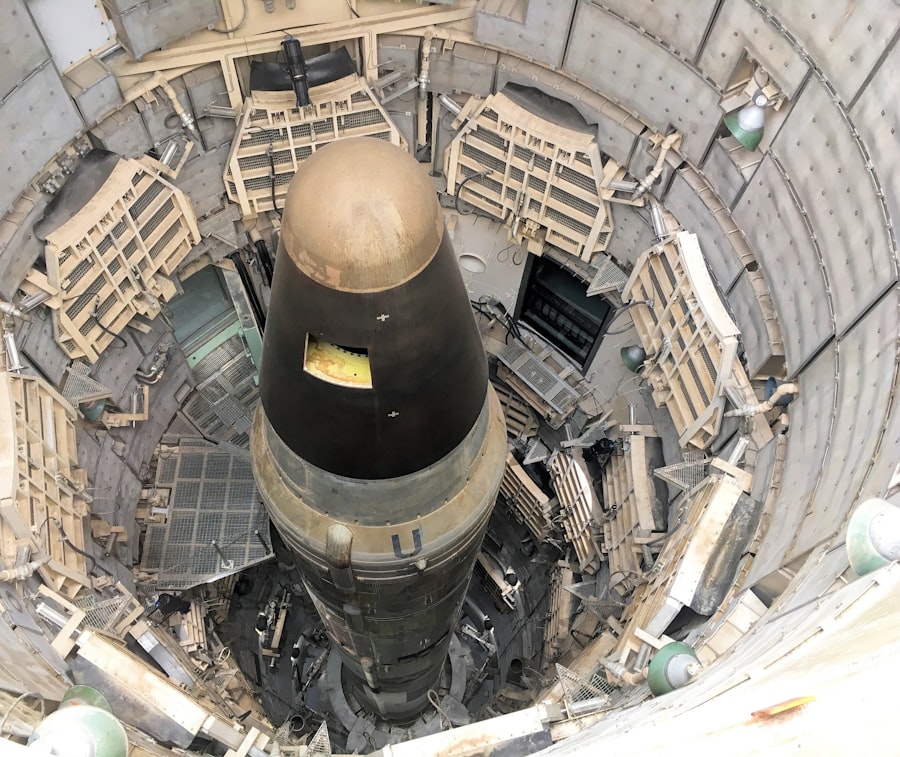
Daily operations at a nuclear missile base are meticulously planned and executed to maintain a constant state of readiness. Each day begins with routine inspections and maintenance checks on missile systems and support equipment. Personnel follow strict protocols to ensure that all systems are functioning optimally, as even minor issues can have significant implications for operational capability.
These inspections are complemented by regular training exercises that reinforce skills and ensure that all team members are familiar with their roles. In addition to maintenance activities, daily operations also involve communication with higher command structures and coordination with other military units. This interconnectedness is vital for ensuring that all components of national defense work seamlessly together.
Regular briefings keep personnel informed about current geopolitical developments and any changes in operational directives. This flow of information is crucial for maintaining situational awareness and ensuring that all personnel are aligned with broader strategic objectives.
Maintenance and Upkeep of Nuclear Missiles
The maintenance and upkeep of nuclear missiles are critical components of ensuring their reliability and effectiveness as deterrents.
Technicians employ advanced diagnostic tools to assess missile performance and identify any potential issues before they escalate into significant problems.
This proactive approach minimizes downtime and ensures that missiles remain ready for deployment if necessary. Furthermore, maintenance protocols are designed not only for functionality but also for safety. Given the hazardous materials involved in nuclear weapons systems, strict safety measures are implemented during maintenance activities.
Personnel are trained in handling these materials safely, adhering to guidelines that prioritize both their well-being and environmental protection. This commitment to safety underscores the seriousness with which the military approaches its responsibilities regarding nuclear weapons.
Communication and Command Structure at the Nuclear Missile Base
Effective communication is essential for the successful operation of a nuclear missile base. A well-defined command structure ensures that orders are disseminated efficiently and that all personnel understand their roles within the larger framework of national defense. The chain of command typically includes various levels of leadership, from base commanders to specialized teams responsible for specific functions such as security, maintenance, and operations.
Communication systems at these bases are designed for reliability and redundancy, ensuring that critical information can be transmitted even in adverse conditions. Secure lines of communication connect missile bases with higher command centers, allowing for real-time updates on operational status and strategic directives. This interconnectedness is vital for maintaining situational awareness and ensuring that all personnel are prepared to respond effectively to any developments.
Environmental Impact and Safety Measures at the Nuclear Missile Base
The environmental impact of nuclear missile bases is a topic of considerable concern, given the potential risks associated with nuclear materials and operations. The military recognizes its responsibility to minimize environmental harm while maintaining operational readiness. Comprehensive environmental assessments are conducted regularly to evaluate potential impacts on local ecosystems and communities surrounding these bases.
Safety measures are implemented not only during routine operations but also in emergency scenarios involving hazardous materials.
These plans prioritize public safety and environmental protection, reflecting a commitment to responsible stewardship alongside national defense objectives.
Community Relations and Public Perception of the Nuclear Missile Base
Community relations play a significant role in shaping public perception of nuclear missile bases. While many citizens recognize the importance of national security, there can also be apprehension regarding the presence of nuclear weapons in their vicinity. Military leadership often engages with local communities through outreach programs aimed at fostering understanding and transparency about base operations.
Public forums provide opportunities for community members to voice concerns and ask questions about safety measures and environmental practices at the base. By actively participating in community discussions, military officials can address misconceptions and build trust with local residents. This engagement is crucial for maintaining a positive relationship between military installations and surrounding communities.
Future of the US Army’s Nuclear Missile Base
As global dynamics continue to evolve, so too will the role of U.S. Army nuclear missile bases in national defense strategy. Emerging technologies such as artificial intelligence, hypersonic weapons, and advanced missile defense systems will likely influence future operations at these facilities.
The military must adapt its strategies to address new threats while ensuring that its nuclear deterrent remains credible. Additionally, discussions surrounding arms control and non-proliferation will shape future policies related to nuclear weapons deployment. As international relations shift, there may be opportunities for further disarmament initiatives or adjustments in strategic postures that could impact how these bases operate.
Ultimately, the future of U.S. Army nuclear missile bases will depend on a combination of technological advancements, geopolitical considerations, and ongoing commitments to national security objectives.
The strategic importance of the US Army’s nuclear missile bases has been a topic of extensive discussion, particularly in light of recent geopolitical tensions. For a deeper understanding of the implications and operational aspects of these facilities, you can read more in this related article on In The War Room. This resource provides valuable insights into the role of nuclear deterrence in modern military strategy.
WATCH THIS! Inside Iceworm: America’s Secret Nuclear City Built Under Greenland
FAQs
What is a US Army nuclear missile base?
A US Army nuclear missile base is a military installation designed to house and operate nuclear missiles. These bases are strategically located to provide a deterrent against potential adversaries and to support national security objectives.
How many US Army nuclear missile bases are there?
The United States currently operates three primary nuclear missile bases: Minot Air Force Base in North Dakota, Malmstrom Air Force Base in Montana, and F.E. Warren Air Force Base in Wyoming. These bases are responsible for the operation and maintenance of the nation’s intercontinental ballistic missiles (ICBMs).
What is the role of a US Army nuclear missile base?
The primary role of a US Army nuclear missile base is to maintain a credible and effective nuclear deterrent. This involves the secure storage, maintenance, and operation of nuclear missiles, as well as the training of personnel to ensure readiness to respond to potential threats.
How are US Army nuclear missile bases secured?
US Army nuclear missile bases are heavily secured facilities, with multiple layers of physical security measures, including fences, barriers, and armed guards. Access to these bases is strictly controlled, and personnel undergo rigorous background checks and security clearances.
What are the potential risks associated with US Army nuclear missile bases?
While US Army nuclear missile bases are designed to minimize risks, there are inherent dangers associated with the storage and operation of nuclear weapons. These risks include accidental detonation, unauthorized access, and potential security breaches. The US military has strict protocols and safety measures in place to mitigate these risks.