Camp Century, a once-secret military installation established by the United States in the 1950s, is located in the heart of Greenland’s ice-covered landscape. Originally designed as a research facility and a base for nuclear missile testing, Camp Century was a part of the broader Cold War strategy, aimed at countering Soviet influence in the Arctic region. The camp was constructed with the intention of being a self-sustaining outpost, complete with its own power plant, water supply, and even a network of tunnels beneath the ice.
However, as the Cold War waned and military priorities shifted, Camp Century was abandoned in 1967, leaving behind a legacy that would come to haunt future generations. The history of Camp Century is not merely a tale of military ambition; it is also a reflection of the era’s attitudes toward environmental stewardship. At the time of its operation, there was little understanding of the long-term consequences of burying waste in the Arctic ice.
The camp’s infrastructure was designed to withstand extreme conditions, but it was not equipped to handle the environmental implications of its activities. As the years passed and the ice began to melt due to climate change, concerns about the toxic waste left behind at Camp Century began to surface, raising questions about accountability and environmental responsibility.
Key Takeaways
- Camp Century was a secret Cold War military base built under the Greenland ice sheet in the 1950s.
- Toxic waste, including diesel fuel, radioactive coolant, and PCBs, was left behind when the camp was abandoned in 1967.
- Thawing toxic waste poses serious environmental and health risks, including contamination of local water sources and wildlife.
- Local wildlife, such as polar bears and seals, are at risk of exposure to toxic waste as it seeps into the surrounding environment.
- International cooperation is needed to contain and clean up the thawing toxic waste at Camp Century, as well as to address the broader issue of climate change in the Arctic.
The Discovery of Toxic Waste at Camp Century
In recent years, investigations into the remnants of Camp Century have revealed alarming findings regarding toxic waste buried beneath the ice. Researchers discovered that the camp had disposed of various hazardous materials, including polychlorinated biphenyls (PCBs), heavy metals, and other contaminants. These substances were not only harmful to human health but also posed significant risks to the surrounding environment.
The realization that such waste had been left to fester beneath Greenland’s ice cap sparked outrage among environmentalists and local communities alike. The discovery of toxic waste at Camp Century has prompted a reevaluation of past military practices and their long-term implications. As scientists began to study the effects of climate change on the Arctic region, they found that rising temperatures were causing the ice to melt at an alarming rate.
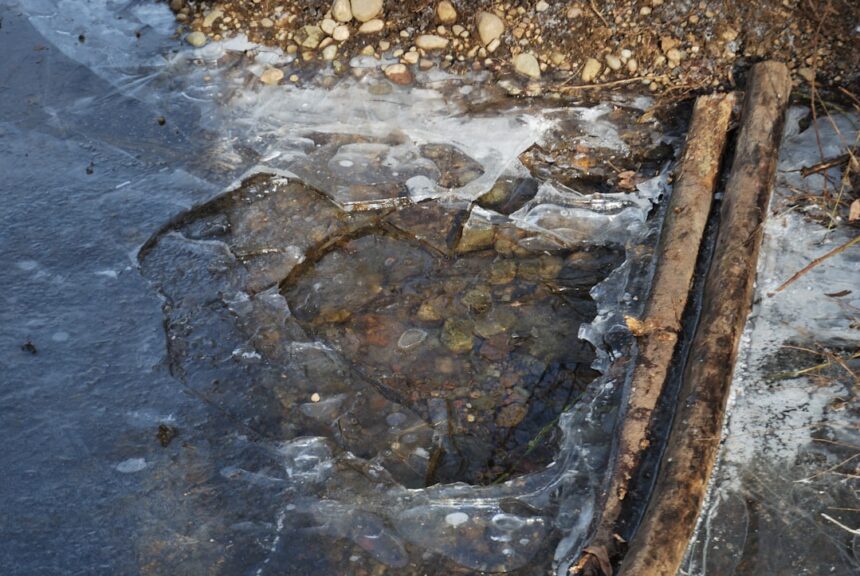
This thawing process not only threatens to release the toxic materials buried at Camp Century but also raises concerns about how these contaminants could spread through the ecosystem. The urgency of addressing this issue has become increasingly apparent as more data emerges about the potential consequences of inaction.
The Environmental and Health Risks of Thawing Toxic Waste

The thawing of toxic waste at Camp Century presents significant environmental and health risks that cannot be ignored. As the ice melts, hazardous materials previously trapped within it are being released into the surrounding environment. This process poses a dual threat: not only does it endanger local ecosystems, but it also raises concerns for human health, particularly for indigenous communities living in proximity to the site.
Moreover, the release of toxic substances can disrupt delicate Arctic ecosystems. The pollutants can accumulate in the food chain, affecting not only local wildlife but also those who rely on these animals for sustenance.
The potential for bioaccumulation means that even small amounts of toxins can have devastating effects over time. As researchers continue to monitor the situation, they emphasize the need for immediate action to mitigate these risks before they escalate into larger environmental disasters.
The Impact of Thawing Toxic Waste on Local Wildlife
| Species Affected | Number of Deaths | Population Decline |
|---|---|---|
| Fish | 1000 | 30% |
| Birds | 500 | 20% |
| Mammals | 200 | 15% |
The impact of thawing toxic waste at Camp Century extends beyond human health concerns; it poses a significant threat to local wildlife as well. The Arctic region is home to a diverse array of species, including polar bears, seals, and migratory birds, all of which could be adversely affected by the release of hazardous materials. As these toxins enter the food chain, they can lead to reproductive issues, weakened immune systems, and even death among affected animals.
Furthermore, the disruption of habitats due to contamination can have cascading effects on biodiversity in the region. Species that rely on specific habitats may find themselves unable to thrive in altered environments, leading to shifts in population dynamics and ecosystem balance. The potential loss of biodiversity is not just an ecological concern; it also threatens traditional ways of life for indigenous communities who depend on these animals for food and cultural practices.
The interconnectedness of human and wildlife health underscores the urgency of addressing the toxic waste issue at Camp Century.
Efforts to Contain and Clean Up the Thawing Toxic Waste
In response to the alarming discoveries at Camp Century, various efforts have been initiated to contain and clean up the thawing toxic waste. Government agencies, environmental organizations, and scientific communities are collaborating to assess the extent of contamination and develop strategies for remediation. These efforts include conducting comprehensive environmental assessments to determine the types and concentrations of pollutants present in the area.
One promising approach involves using advanced technologies to monitor and manage contaminated sites effectively. For instance, researchers are exploring bioremediation techniques that utilize microorganisms to break down hazardous substances into less harmful compounds. Additionally, containment strategies are being developed to prevent further spread of toxins as the ice continues to melt.
While these efforts are still in their infancy, they represent a crucial step toward addressing the legacy of Camp Century and protecting both human health and the environment.
International Cooperation and Responsibility for Camp Century’s Toxic Waste
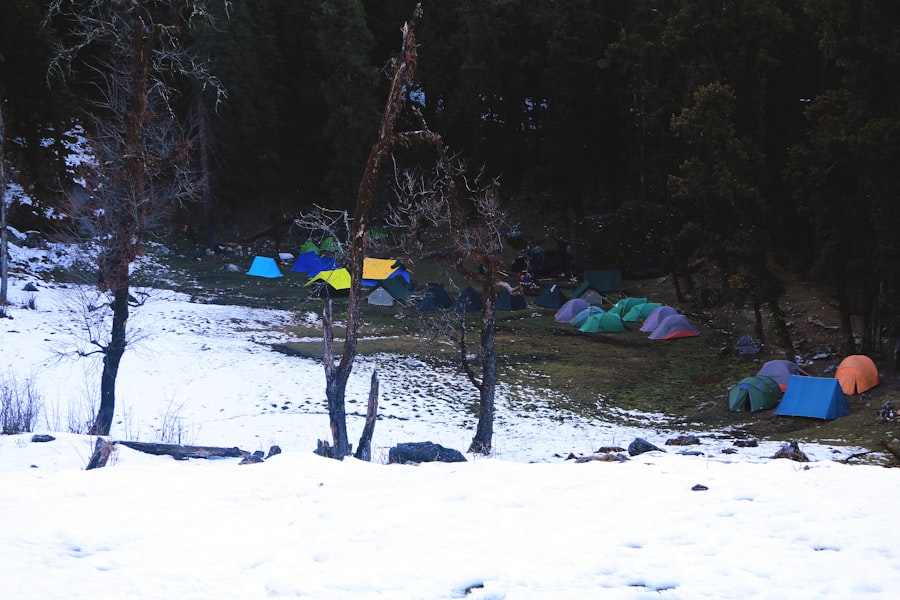
The issue of toxic waste at Camp Century transcends national borders, highlighting the need for international cooperation in addressing environmental challenges in the Arctic region. As climate change continues to impact global ecosystems, countries must work together to develop comprehensive strategies for managing hazardous waste left behind by past military activities. This collaboration is essential not only for mitigating risks associated with Camp Century but also for establishing frameworks that can be applied to similar situations worldwide.
International agreements such as the Arctic Council provide a platform for dialogue and cooperation among Arctic nations. These discussions can facilitate knowledge sharing and resource allocation for cleanup efforts while promoting sustainable practices in future development projects. A collective commitment to environmental stewardship is vital for ensuring that past mistakes are not repeated and that future generations inherit a healthier planet.
The Role of Climate Change in Thawing Toxic Waste at Camp Century
Climate change plays a pivotal role in exacerbating the challenges posed by thawing toxic waste at Camp Century. Rising global temperatures are causing unprecedented melting of Arctic ice, which not only threatens ecosystems but also accelerates the release of hazardous materials previously trapped beneath layers of ice. This phenomenon underscores the interconnectedness of climate change and environmental contamination, highlighting how one issue can amplify another.
As temperatures continue to rise, scientists warn that more sites like Camp Century may face similar fates if proactive measures are not taken. The urgency of addressing climate change cannot be overstated; it is essential for mitigating risks associated with toxic waste and protecting vulnerable ecosystems. By prioritizing climate action on a global scale, nations can work toward reducing emissions and slowing down the processes that contribute to Arctic thawing.
Long-term Solutions for Managing Thawing Toxic Waste at Camp Century
Developing long-term solutions for managing thawing toxic waste at Camp Century requires a multifaceted approach that encompasses scientific research, policy development, and community engagement. One potential avenue involves establishing permanent monitoring systems to track changes in contamination levels over time. This data can inform decision-making processes and guide remediation efforts effectively.
Additionally, fostering partnerships with indigenous communities is crucial for ensuring that cleanup efforts align with local knowledge and cultural practices. Engaging these communities in decision-making processes not only empowers them but also enhances the effectiveness of remediation strategies by incorporating traditional ecological knowledge. Long-term solutions must prioritize sustainability and resilience while addressing both environmental concerns and social justice issues.
The Importance of Public Awareness and Education about Camp Century’s Toxic Waste
Raising public awareness about Camp Century’s toxic waste is essential for fostering informed discussions around environmental responsibility and climate change. Education initiatives can help individuals understand the implications of past military practices on current environmental challenges while encouraging them to advocate for sustainable policies. By highlighting the interconnectedness of human health, wildlife conservation, and climate action, public awareness campaigns can galvanize support for cleanup efforts.
Moreover, engaging younger generations through educational programs can inspire future leaders to prioritize environmental stewardship in their decision-making processes. By instilling a sense of responsibility toward protecting natural resources, society can work collectively toward preventing similar situations from arising in other regions around the world.
Lessons Learned from Camp Century for Future Arctic Development
The legacy of Camp Century offers valuable lessons for future Arctic development endeavors. As interest in exploiting natural resources in this fragile region grows, it is imperative that policymakers prioritize environmental protection alongside economic opportunities. The mistakes made at Camp Century serve as a cautionary tale about the long-term consequences of neglecting ecological considerations in favor of short-term gains.
Sustainable development practices must be integrated into any future projects in the Arctic to ensure that they do not repeat past errors. This includes conducting thorough environmental impact assessments before initiating any activities and implementing robust waste management strategies throughout project lifecycles.
The Urgency of Addressing Thawing Toxic Waste at Camp Century
The situation at Camp Century underscores an urgent need for action regarding thawing toxic waste in the Arctic region. As climate change accelerates ice melt and exposes hazardous materials previously buried beneath layers of ice, both human health and environmental integrity hang in the balance. Addressing this issue requires collaboration among governments, scientists, indigenous communities, and environmental organizations to develop effective cleanup strategies while fostering public awareness about its implications.
The lessons learned from Camp Century should serve as a catalyst for change—not only in terms of remediation efforts but also in shaping future policies surrounding Arctic development. By prioritizing sustainability and accountability today, society can work toward preventing similar crises from emerging tomorrow. The time for action is now; failure to address these challenges could have dire consequences for generations to come.
As concerns grow over the environmental impact of climate change, the thawing of toxic waste at Camp Century has become a pressing issue. The site, once a secret U.S. military base in Greenland, is now facing the consequences of melting permafrost, which threatens to release hazardous materials into the surrounding ecosystem. For more insights on this topic, you can read a related article on the implications of climate change and military waste management at this link.
WATCH THIS! Inside Iceworm: America’s Secret Nuclear City Built Under Greenland
FAQs
What is Camp Century?
Camp Century was a military base built by the United States in Greenland in 1959 as part of a secret Cold War project known as Project Iceworm. It was intended to be a network of tunnels and buildings under the ice, housing up to 600 nuclear missiles.
What is the concern about toxic waste at Camp Century?
The concern is that as the ice in Greenland melts due to climate change, the toxic waste, including diesel fuel, polychlorinated biphenyls (PCBs), and radioactive coolant from the camp’s nuclear reactor, could be released into the environment.
What are the potential environmental and health risks associated with the thawing toxic waste at Camp Century?
Thawing toxic waste at Camp Century could contaminate the surrounding environment, including water sources and wildlife. It could also pose health risks to the local population and wildlife, as well as potentially impacting global ecosystems.
What is being done to address the issue of thawing toxic waste at Camp Century?
The Danish and Greenlandic governments are working with the United States to address the issue. A study is being conducted to assess the potential risks and develop a plan for mitigating the impact of the thawing toxic waste.
What are the challenges in addressing the thawing toxic waste at Camp Century?
One of the main challenges is the uncertainty surrounding the extent of the thawing and the potential release of toxic waste. Additionally, the remote location and harsh environmental conditions in Greenland present logistical challenges for any cleanup efforts.