The Unseen Architects of Victory: Secret Intelligence in World War II
World War II, a conflict that reshaped the global landscape, was not solely won on the battlefields. Behind the thunder of artillery and the roar of aircraft lay a parallel war, waged in the shadows by individuals and organizations dedicated to uncovering the enemy’s secrets. This was the realm of secret intelligence, a crucial but often overlooked element that profoundly influenced the course and outcome of the war. From cracking codes to running clandestine operations, intelligence agencies on both sides of the conflict played an indispensable role, providing the vital information that allowed Allied and Axis strategists to anticipate, react, and ultimately, triumph. The story of World War II intelligence is a tapestry woven with threads of ingenuity, bravery, deception, and devastating consequences, a testament to the power of knowledge in the crucible of global conflict.
During World War II, secret intelligence operations played a crucial role in shaping the outcome of the conflict, with espionage and covert missions becoming essential components of military strategy. For a deeper understanding of these clandestine activities, you can explore the article on the intricacies of intelligence work during the war at In the War Room. This resource delves into the various operations, key figures, and the impact of intelligence on major battles, providing valuable insights into this often-overlooked aspect of history.
The Dawn of Cryptographic Warfare: Breaking the Enemy’s Codes

The ability to understand an adversary’s communications was paramount. World War II witnessed an unprecedented escalation in the sophistication of cryptography, but also in the efforts to break it. The battle for the Enigma code, the electromechanical cipher machine used extensively by Nazi Germany, stands as one of the most celebrated triumphs of Allied intelligence.
The Enigma Enigma: Bletchley Park’s Moment of Genius
Nestled in Buckinghamshire, England, Bletchley Park became the nerve center of British codebreaking. A diverse team of mathematicians, linguists, engineers, and even chess players, working under immense pressure and secrecy, meticulously chipped away at the Enigma’s complex permutations. The German belief in Enigma’s invincibility was a fatal flaw. Regular changes to the machine’s settings, intended to bolster security, ironically provided fresh patterns for the codebreakers to analyze. The introduction of the Lorenz cipher, an even more sophisticated German system, presented new challenges, but the dedicated minds at Bletchley Park, notably Alan Turing and his team, developed the Colossus computer, the world’s first programmable electronic digital computer, to tackle this new adversary. The intelligence gleaned from these broken codes, codenamed “Ultra,” provided invaluable insights into German troop movements, operational plans, and U-boat U-boat deployments. This information allowed the Allies to reroute convoys, plan amphibious assaults with greater precision, and ultimately, starve the German war machine of vital resources. The impact of Ultra was far-reaching, influencing critical campaigns such as the Battle of the Atlantic, the D-Day landings, and the North African campaign. The secrecy surrounding Bletchley Park’s operations meant that its vital contributions remained largely unknown for decades, a testament to the quiet heroism of its inhabitants.
The Japanese Cryptographic Challenge: Magic’s Unveiling
Across the Pacific, the United States faced a similar cryptographic challenge with Japan’s “Purple” code. The success of the American “Magic” program, similar in spirit to Bletchley Park’s efforts, was crucial in the Pacific theater. Though perhaps not as widely publicized as the Enigma breakthrough, Magic provided the U.S. Navy and Army with vital intelligence about Japanese intentions and capabilities. This included early warnings of Japanese fleet movements, allowing for strategic positioning of American forces. While Magic did not provide the same level of operational detail as Ultra, its insights were instrumental in major naval engagements, including the pivotal Battle of Midway, where deciphered communications allowed American carriers to ambush the Japanese fleet. The Americans also faced the challenge of adapting their codebreaking methods to the intricacies of Japanese diplomatic and military ciphers, demonstrating the constant evolutionary nature of cryptanalysis. The continuous pursuit of understanding Japanese communication channels was a relentless endeavor, showcasing the dedication and analytical prowess of the intelligence community.
The Art of Deception: Misinformation and Double Agents

Beyond breaking codes, intelligence operations involved actively shaping the enemy’s understanding of events. Deception, misinformation, and the careful manipulation of double agents were crucial tools in the arsenal of wartime intelligence.
Operation Mincemeat: A Masterpiece of Deception
One of the most audacious and successful deception operations of the war was Operation Mincemeat. In 1943, British intelligence agents sought to mislead the Germans about the Allied invasion of Sicily. They created a fictitious British officer, Major William Martin, complete with a fabricated identity, love letters, and official-looking documents detailing invasion plans. This corpse, dressed as a Royal Marine officer, was then set adrift in the Mediterranean, carrying a briefcase filled with these fabricated documents. The body washed ashore in Spain, a neutral country, where German agents duly passed the “intelligence” to their handlers. The Nazis, convinced of the authenticity of the documents, shifted significant military resources away from Sicily to other perceived invasion points, allowing the Allies to land in Sicily with considerably less opposition than anticipated. The success of Mincemeat, a testament to meticulous planning and execution, underscored the profound impact that carefully crafted deception could have on military strategy.
The Double-Cross System: Turning Enemy Agents
The British also excelled at exploiting enemy intelligence networks through the Double-Cross System. This remarkable operation involved identifying and then turning German agents operating in Britain into double agents, feeding them disinformation while simultaneously using them to gather intelligence on German espionage activities. Individuals like Juan Pujol Garcia, codenamed “Garbo,” became instrumental in this system. Garbo, a Spanish citizen disillusioned with the Nazi regime, offered his services to the Germans and was tasked with spying for them. The British, however, intercepted him and recruited him as a double agent. Garbo became one of the most valuable assets of the Double-Cross System, creating an elaborate network of fictitious sub-agents and fabricating convincing intelligence reports that kept the Germans completely misled, most notably regarding the location of the D-Day landings. His elaborate charades and convincing performance were crucial in convincing Hitler and his generals that the main invasion would occur at Pas-de-Calais, diverting crucial resources from Normandy. The ethical complexities of using individuals in such high-stakes deception were undeniable, but the strategic gains were immeasurable.
Espionage and Infiltration: The Eyes and Ears on the Ground
The clandestine world of espionage and infiltration provided the raw intelligence that fueled the larger strategic decisions. Agents operating behind enemy lines faced immense danger, relying on courage, cunning, and the support of shadowy networks.
The Resistance Networks: Unsung Heroes of Occupied Europe
In occupied Europe, widespread resistance movements formed the backbone of Allied intelligence gathering. These brave men and women, often civilians with no prior military experience, risked their lives to gather information on enemy troop concentrations, fortifications, and supply lines. Operating under the constant threat of betrayal and brutal reprisal, they established intricate communication networks, smuggled vital documents, and aided downed Allied airmen. The French Resistance, the Polish Home Army, and various other clandestine organizations across the continent provided invaluable battlefield intelligence that directly informed Allied military operations. Their sacrifices, often anonymous and unheralded, were indispensable to understanding the enemy’s presence and intentions within occupied territories. The bravery of individuals like Nancy Wake, the “White Mouse,” who orchestrated sabotage and intelligence gathering operations in France, exemplified the extraordinary courage displayed by these resistance fighters.
SOE and OSS: Sabotage and Special Operations
The Special Operations Executive (SOE) in Britain and the Office of Strategic Services (OSS) in the United States were specifically tasked with conducting espionage, sabotage, and paramilitary operations in enemy-held territories. These organizations recruited and trained agents to carry out daring missions, including assassinating key figures, disrupting enemy supply lines, and fostering local resistance. The OSS, a precursor to the CIA, played a significant role in gathering intelligence on German technological advancements and troop movements. Their agents often operated in small, highly specialized teams, relying on local contacts and their own resourcefulness to survive and achieve their objectives. The daring exploits of OSS operatives in Southeast Asia, North Africa, and Europe highlight the high-risk, high-reward nature of these clandestine missions, often operating in regions far from the direct gaze of conventional warfare.
During World War II, secret intelligence operations played a crucial role in shaping the outcome of the conflict, with various nations employing espionage and covert tactics to gain an advantage over their adversaries. For a deeper understanding of these clandestine activities, you can explore an insightful article that delves into the intricacies of wartime intelligence efforts. This piece highlights the strategies and technologies used by spies and operatives, revealing how their contributions were pivotal in key battles. To read more about these fascinating operations, visit this article.
The Turning Tides: Intelligence’s Impact on Key Battles
| Operation Name | Country | Year | Objective | Outcome | Notable Agents |
|---|---|---|---|---|---|
| Operation Ultra | United Kingdom | 1939-1945 | Decrypt German Enigma communications | Successful; provided critical intelligence | Alan Turing, Gordon Welchman |
| Operation Fortitude | United Kingdom/USA | 1944 | Deception to mislead Germans about D-Day location | Successful; contributed to Normandy invasion success | John Bevan |
| Operation Mincemeat | United Kingdom | 1943 | Deception to mislead Axis about Allied invasion plans | Successful; diverted German forces from Sicily | Charles Cholmondeley, Ewen Montagu |
| Operation Jedburgh | Allied Forces | 1944-1945 | Support resistance movements in occupied Europe | Successful; aided sabotage and intelligence gathering | Various Allied special forces operatives |
| Operation Magic | United States | 1941-1945 | Decrypt Japanese diplomatic and military codes | Partially successful; contributed to Pacific war efforts | William Friedman |
The strategic advantage gained through intelligence was not abstract; it manifested directly in the outcomes of critical battles and campaigns that shaped the course of World War II.
The Battle of the Atlantic: Hunting the U-boats
The Battle of the Atlantic was a prolonged and brutal struggle for control of the sea lanes. Allied intelligence, particularly the decrypted Enigma communications concerning U-boat movements, proved to be a game-changer. Knowing the wolf pack’s hunting grounds and their patrol routes allowed the Allies to reroute convoys to safety and to strategically position their own anti-submarine forces. The effectiveness of Ultra in predicting U-boat attacks significantly reduced Allied shipping losses, a vital factor in sustaining the British war effort and enabling the buildup of forces for the eventual invasion of Europe. The development of new detection technologies, like radar and sonar, coupled with the intelligence from codebreaking, created a powerful synergy that eventually tipped the scales against the U-boat menace. The constant pressure on German submarine commanders, knowing their movements were often anticipated, also led to increased stress and operational difficulties.
D-Day: The Prelude to Victory
The Allied invasion of Normandy on D-Day, June 6, 1944, was the culmination of years of planning and massive logistical effort. Intelligence played a critical role in the success of this monumental undertaking. The deception operations, particularly those aimed at convincing the Germans that the primary landing would occur at the Pas-de-Calais, drew significant German reserves away from Normandy. Furthermore, reconnaissance flights, signals intelligence, and the information provided by resistance movements helped the Allies map out German defenses and identify key strategic targets. The accuracy of this intelligence allowed for precise aerial bombardment of coastal defenses and for the efficient deployment of Allied troops. Without the detailed understanding of the terrain, enemy positions, and the psychological state of the German command, the D-Day landings would have been infinitely more costly and potentially disastrous. The meticulous planning, informed by a vast array of intelligence sources, was a testament to the integrated nature of wartime intelligence operations.
The Legacy of the Shadow Warriors: Enduring Impact and Lessons Learned
The intelligence operations of World War II left an indelible mark on the world, not only in their direct impact on the war’s outcome but also in shaping the future of espionage and national security.
The Birth of Modern Intelligence Agencies
The successes and failures of wartime intelligence laid the groundwork for the establishment of modern intelligence agencies. The OSS, with its focus on clandestine operations and analysis, directly evolved into the Central Intelligence Agency (CIA) in the United States. Similarly, British intelligence structures were reorganized and strengthened, leading to organizations like the Secret Intelligence Service (MI6) and the Government Communications Headquarters (GCHQ). The war demonstrated the indispensable need for a dedicated, professional intelligence apparatus to protect national interests and to anticipate future threats. The lessons learned in cryptography, human intelligence, and deception continued to inform their development and practices for decades to come.
Secrecy, Ethics, and the Double-Edged Sword
The legacy of World War II intelligence is also intertwined with enduring questions about secrecy, ethics, and the often-unseen cost of wartime operations. The immense secrecy surrounding many intelligence activities, while necessary for their effectiveness, also raises concerns about accountability and public oversight. The ethical dilemmas faced by intelligence operatives, from the use of deception to the recruitment of compromised individuals, continue to be debated. Moreover, the power of intelligence, while a crucial tool for security, is also a double-edged sword, capable of significant harm if misused. The war serves as a stark reminder of the vital importance of responsible intelligence gathering and the need for robust ethical frameworks to guide its application. The constant tension between operational necessity and moral considerations remains a central theme in the history and future of intelligence.
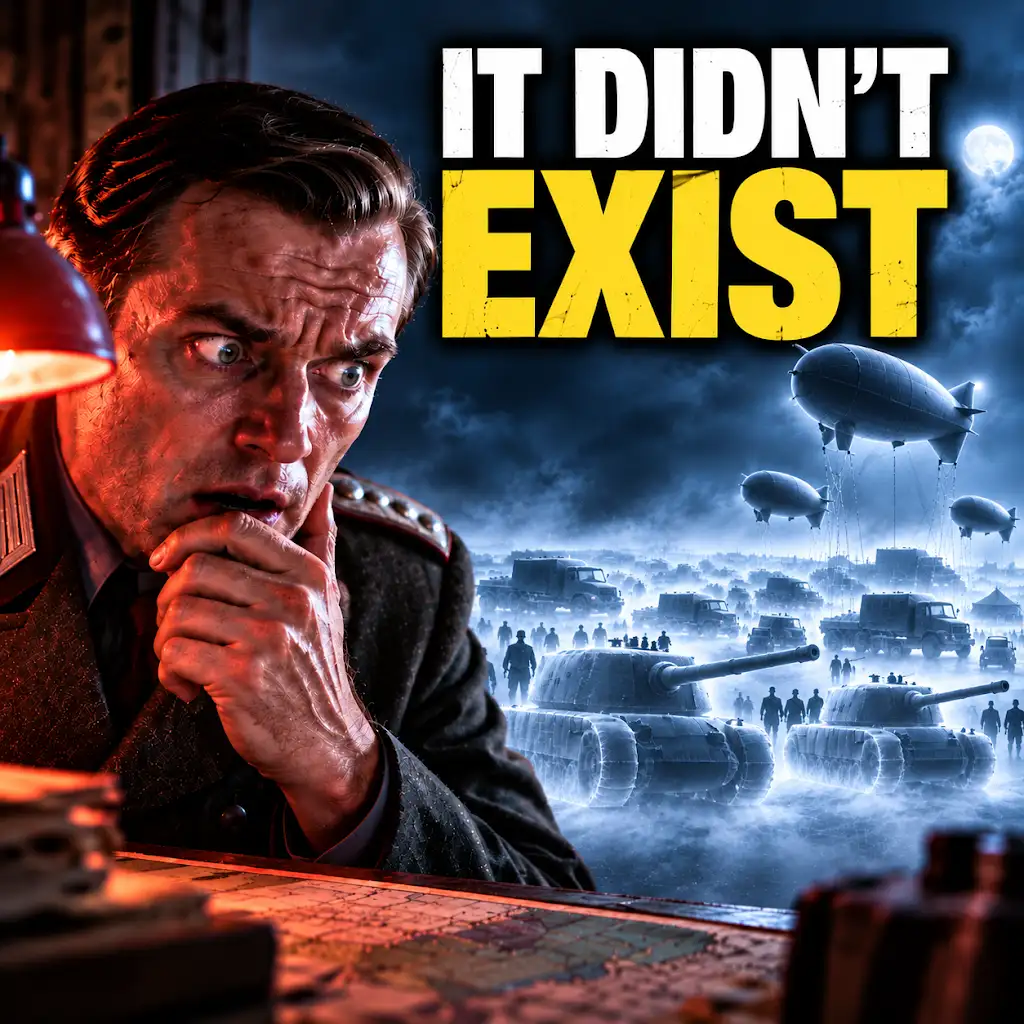
How the Allies Built an Army for Germany to Discover
FAQs
What were secret intelligence operations during World War II?
Secret intelligence operations during World War II were covert activities carried out by various intelligence agencies to gather information, conduct espionage, sabotage enemy operations, and deceive the enemy.
Which intelligence agencies were involved in secret operations during World War II?
Several intelligence agencies were involved in secret operations during World War II, including the British Secret Intelligence Service (MI6), the United States Office of Strategic Services (OSS), the Soviet NKVD, and the German Abwehr.
What were some famous secret intelligence operations during World War II?
Some famous secret intelligence operations during World War II include Operation Overlord (D-Day), Operation Mincemeat (deception operation to mislead the Germans about the invasion of Sicily), Operation Jedburgh (covert operations in occupied Europe), and Operation Anthropoid (assassination of Reinhard Heydrich).
How did secret intelligence operations impact the outcome of World War II?
Secret intelligence operations played a crucial role in World War II by providing valuable information to military commanders, disrupting enemy operations, and influencing strategic decisions. They helped in breaking enemy codes, identifying targets, and gaining an advantage over the enemy.
Were there any notable spies or agents involved in secret intelligence operations during World War II?
Yes, there were several notable spies and agents involved in secret intelligence operations during World War II, such as Virginia Hall (OSS agent in France), Juan Pujol Garcia (double agent for the British), and Richard Sorge (Soviet spy in Japan). These individuals played key roles in gathering intelligence and carrying out covert missions.