The Shifting Sands of Trust
The history of warfare is a tapestry woven with threads of courage, sacrifice, and, inevitably, deception. Within this intricate pattern, the role of intelligence stands paramount. It is the unseen hand guiding strategic decisions, the whisper in the ear of commanders, and the foundation upon which victories are built. Yet, what happens when that foundation crumbles, not under the weight of enemy ingenuity, but from within the very alliance it serves? The concept of “allies’ false intelligence: manufactured deception” delves into a particularly insidious form of betrayal, where information provided by trusted partners is deliberately twisted, fabricated, or strategically withheld, not for the enemy’s benefit, but to subtly manipulate the course of events for the ally’s own hidden agenda. This phenomenon, while rarely openly discussed due to its diplomatic ramifications, has cast long shadows across historical conflicts and continues to be a subtle undercurrent in modern international relations. Understanding its mechanisms, motivations, and consequences is crucial for navigating the complex landscape of geopolitical alliances.
The very nature of alliances is predicated on a shared understanding, a common purpose, and a degree of mutual trust. When one member of an alliance intentionally disseminates misleading information, it erodes this fundamental bedrock. The ramifications extend beyond immediate operational failures, potentially creating long-term strategic divergences and fostering a climate of suspicion that can weaken the alliance’s overall effectiveness. It introduces a dangerous ambiguity, forcing allies to expend valuable resources and cognitive energy in discerning truth from falsehood, diverting focus from genuine threats and objectives. The ethical implications are also profound, as the lives of soldiers and the success of critical missions can be jeopardized by deliberately falsified intel.
In exploring the intricate web of deception during wartime, one can gain further insights from the article on how Allies manufactured false intelligence to mislead their enemies. This strategic manipulation played a crucial role in various military operations, ultimately shaping the outcomes of significant battles. For a deeper understanding of this topic, you can read more in the related article found here: Allies and the Art of Deception.
The Genesis of Fabricated Narratives

The creation of false intelligence by an allied nation is a multifaceted process, driven by a complex interplay of political, economic, and strategic considerations. It is not a spontaneous act but rather a calculated endeavor, often requiring significant resources and careful planning to be effective. The motivations behind such deception can vary widely, ranging from attempts to gain a unilateral advantage in a conflict to subtly influencing the geopolitical landscape in post-war scenarios.
Perceived National Interest as a Driver
At its core, the decision to manufacture false intelligence often stems from a perceived divergence of national interests between allies
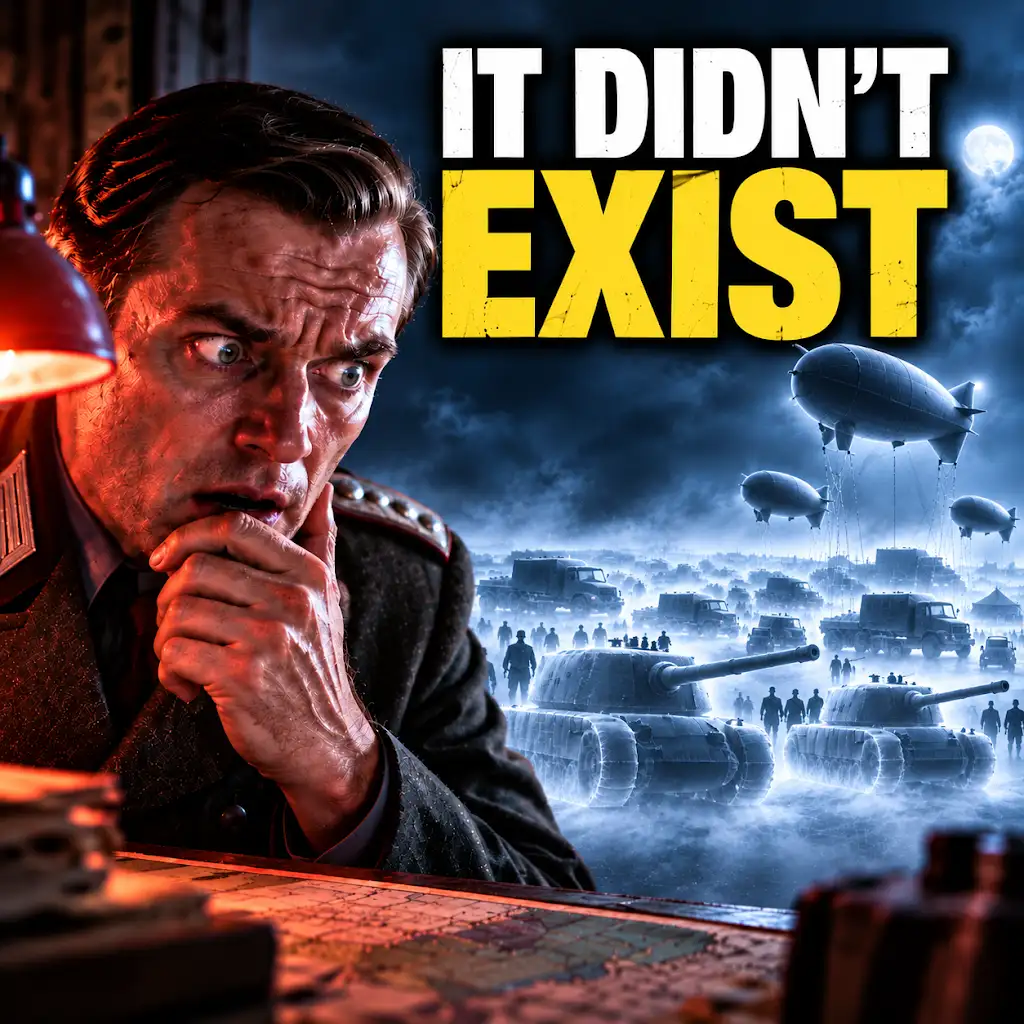
How the Allies Built an Army for Germany to Discover

FAQs
What is the article about?
The article discusses how Allies manufactured false intelligence during a specific historical event.
Why did the Allies manufacture false intelligence?
The Allies manufactured false intelligence to deceive their enemies and gain strategic advantages during the war.
How did the Allies go about creating false intelligence?
The Allies used various methods such as creating fake documents, spreading misinformation, and conducting deceptive operations to fabricate false intelligence.
What impact did the false intelligence have on the war?
The false intelligence created by the Allies played a significant role in misleading their enemies, influencing their decisions, and ultimately contributing to the Allies’ victory in the war.
Were there any consequences for the Allies for manufacturing false intelligence?
While manufacturing false intelligence helped the Allies achieve their goals during the war, there were ethical considerations and potential backlash from the public and other nations once the truth was revealed.