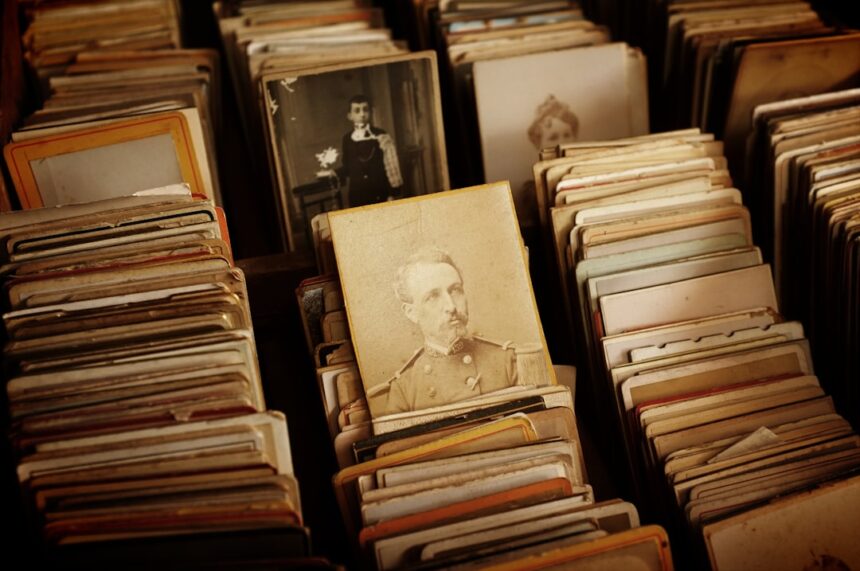
The allure of the past, of understanding where one comes from, is a powerful human drive. For centuries, this quest was largely confined to dusty archives, faded photographs, and the whispered stories of elders. But in the 21st century, a revolutionary tool has emerged, transforming the landscape of personal history: genetic genealogy. “Uncovering Ancestry: Genetic Genealogy Documentary” delves into this fascinating intersection of science and personal narrative, charting the journeys of individuals who have used DNA testing to unlock the secrets of their lineage, often with breathtaking and unexpected results.
The documentary weaves together a tapestry of human stories, showcasing the profound emotional impact of discovering ancestral connections. It moves beyond mere names and dates, exploring the lived experiences of those who embark on this genealogical adventure. From reuniting long-lost family members to shedding light on centuries-old mysteries, the film illuminates the diverse ways genetic genealogy can reshape identities and forge new understandings of self and community. It’s a testament to the enduring power of human connection and the shared threads that bind us across time and continents.
The Science Behind the Search
At its core, “Uncovering Ancestry” demystifies the science of genetic genealogy, making complex concepts accessible to a broad audience. The documentary skillfully explains how DNA testing, specifically autosomal DNA, mitochondrial DNA, and Y-DNA, provides distinct pathways to explore an individual’s heritage. It highlights the role of direct-to-consumer genetic testing companies and the vast databases they compile, which form the backbone of this new field of historical inquiry. The film emphasizes that genetic genealogy is not simply about finding relatives; it’s about understanding the migration patterns of human populations, the historical movements of peoples, and the genetic legacy inherited from generations past. The scientific principles, while intricate, are presented through clear analogies and engaging visuals, ensuring that viewers grasp the fundamental mechanisms driving these ancestral discoveries.
Autosomal DNA: The Bridge to Recent Ancestry
The documentary dedicates significant attention to autosomal DNA testing, often the starting point for many genetic genealogists. It explains how autosomal DNA, inherited equally from both parents, is the most effective for tracing recent ancestry, typically within the last five to seven generations. Viewers witness how algorithms within genetic testing platforms analyze these DNA segments, comparing them to those of other individuals in the database. This comparison allows for the identification of “centimorgans” (cMs), a unit of measurement representing the amount of shared DNA. The film illustrates how a higher cM count generally indicates a closer familial relationship. Expert interviews within the documentary break down the statistical probabilities associated with different cM ranges, providing viewers with a practical understanding of how to interpret their own matches. The emphasis is on the collaborative nature of this science, where individual test results contribute to a larger, ever-expanding map of human genetic relationships. The stories featured often revolve around individuals using autosomal DNA to find unknown siblings, aunts, uncles, and cousins, revealing branches of their family tree previously hidden from view.
Mitochondrial DNA (mtDNA): Tracing the Maternal Line
“Uncovering Ancestry” also explores the utility of mitochondrial DNA (mtDNA) testing. The documentary explains that mtDNA is passed down virtually unchanged from mother to child, making it a direct line to tracing one’s maternal ancestry. This type of testing is particularly valuable for individuals seeking to explore ancient lineage, as it can help identify deep ancestral origins and migration routes dating back tens of thousands of years. The film showcases scenarios where mtDNA testing has provided clues about ancient European or Asian origins, or has helped confirm or refute long-held family stories about distant maternal relatives. While mtDNA doesn’t offer the same level of recent familial connections as autosomal DNA, its ability to illuminate deep maternal heritage adds another fascinating layer to the genealogical puzzle. The documentary highlights the painstaking work of researchers who analyze mtDNA haplogroups, charting the ancient journeys of our maternal ancestors.
Y-DNA: Unveiling the Paternal Heritage
Completing the trio of primary genetic genealogy tests, the documentary explains the significance of Y-DNA. Inherited solely by males from their fathers, Y-DNA is instrumental in tracing paternal lineage. The film features stories of men who have used Y-DNA testing to discover ancient paternal haplogroups, revealing their connection to historical groups and migration paths. This type of testing can also be crucial for verifying paternal lineage across many generations, especially when documentary records are scarce. “Uncovering Ancestry” illustrates how Y-DNA testing, when combined with autosomal DNA results, can provide a more comprehensive picture of an individual’s genetic heritage, bridging the gaps left by conventional genealogical research. The documentary emphasizes that while Y-DNA is restricted to males, its insights into paternal lines have been pivotal in understanding surname origins and the spread of specific paternal lineages across the globe.
If you’re interested in exploring the fascinating world of genetic genealogy, you might want to check out a related article that delves deeper into the subject. This article discusses the implications of DNA testing in uncovering family histories and connecting individuals with their ancestral roots. For more insights, visit this link: Genetic Genealogy: Unraveling Family Mysteries.
The Human Element: Stories of Discovery and Connection
Beyond the scientific explanations, the heart of “Uncovering Ancestry” lies in the compelling human stories it tells. The documentary is a testament to the profound emotional impact of genetic genealogy, showcasing how DNA discoveries can lead to unexpected reunions, the resolution of family mysteries, and a deeper understanding of one’s identity. These narratives are often filled with raw emotion, from the joy of finding lost relatives to the poignant reflection on previously unknown branches of the family tree. The film skillfully balances the scientific aspects with the deeply personal, demonstrating that genetic genealogy is not just about data; it’s about human connection and the narratives we inherit.
The Mystery of Unknown Parentage
One of the most impactful themes explored in the documentary is the journey of individuals seeking to uncover the truth about their parentage. “Uncovering Ancestry” features several individuals who, through genetic genealogy, have discovered unknown biological parents or siblings. These stories are often characterized by a mixture of shock, confusion, and ultimately, a quest for understanding and reconciliation. The film navigates the complex emotional landscape of these discoveries, highlighting the courage and resilience of those who embark on such deeply personal investigations. It underscores how genetic genealogy can provide answers where traditional methods have failed, offering closure and a new sense of belonging. The documentary doesn’t shy away from the challenges and difficult conversations that often accompany these revelations, but it ultimately emphasizes the healing power of truth and connection.
In recent years, genetic genealogy has gained significant attention, especially with the rise of various documentaries exploring its impact on personal identity and historical research. A fascinating article that delves deeper into this topic can be found at this link, where it discusses the ethical implications and the transformative power of DNA testing in uncovering ancestral roots. This exploration not only highlights the science behind genetic genealogy but also its potential to reshape our understanding of family history.
Rekindling Lost Family Ties
The documentary also shines a light on the heartwarming experiences of individuals who have used genetic genealogy to reconnect with long-lost family members. These stories often involve cousins separated by adoption, generations who have lost touch due to migration, or even individuals discovering entirely new branches of their family tree they never knew existed. The joy and wonder of these reunions are palpable, as individuals who were once strangers suddenly find themselves bound by shared DNA and the stories of their ancestors. “Uncovering Ancestry” effectively captures the excitement of receiving a DNA match with a close relative and the subsequent emotional journey of building a new relationship based on shared heritage. The film suggests that genetic genealogy is not just about looking back; it’s about forging new connections and expanding one’s sense of family in the present.
Unraveling Historical Enigmas
Beyond personal connections, the documentary showcases how genetic genealogy can help unravel historical enigmas and shed light on broader ancestral narratives. Viewers are introduced to individuals who have used their DNA results to trace their lineage back to specific historical events, migrations, or even ancient peoples. This could involve confirming a suspected connection to a particular ethnic group, understanding the origins of a rare surname, or even contributing to larger genealogical research projects. The film illustrates the power of collective DNA data, where individual discoveries can contribute to a greater understanding of human history and migration patterns. These stories demonstrate that genetic genealogy is a dynamic field, constantly pushing the boundaries of our knowledge about the past.
Navigating the Genetic Landscape: Challenges and Ethical Considerations

While “Uncovering Ancestry” celebrates the triumphs of genetic genealogy, it also thoughtfully addresses the challenges and ethical considerations inherent in this burgeoning field. The documentary doesn’t shy away from the complexities of interpreting DNA results, the potential for unexpected or distressing discoveries, and the privacy implications of sharing genetic information. It encourages viewers to approach genetic genealogy with an informed perspective, understanding both its limitations and its responsibilities. The film emphasizes the importance of critical thinking, thorough research, and sensitive communication when engaging with DNA-based ancestral discoveries.
The Art and Science of Interpretation
The documentary highlights that interpreting DNA results is a nuanced process, often requiring more than just a simple list of matches. “Uncovering Ancestry” features discussions with genetic genealogists and researchers who explain the importance of triangulation, where multiple shared DNA matches can help confirm a specific ancestral connection. They also discuss the limitations of DNA databases, the potential for false positives, and the need to supplement genetic findings with traditional genealogical research, such as census records, birth certificates, and marriage licenses. The film stresses that genetic genealogy is a powerful tool, but it is most effective when used in conjunction with other research methods, creating a more robust and accurate picture of one’s lineage. Expert interviews within the film often emphasize the “detective work” involved, where genetic clues are pieced together with historical documents to build a complete narrative.
Privacy and Data Security Concerns
A significant portion of “Uncovering Ancestry” is dedicated to the crucial issue of privacy and data security. The documentary explores the sensitive nature of genetic information and the potential risks associated with sharing it online. It features discussions about the policies of different genetic testing companies regarding data usage, ownership, and the potential for third-party access. The film encourages viewers to be informed consumers, to understand the terms of service of the companies they use, and to consider the implications of their genetic data being accessible to law enforcement or other entities. It also touches upon the ethical dilemmas that can arise, such as when DNA results inadvertently reveal sensitive family secrets that individuals may not have wished to be uncovered. The documentary advocates for responsible data stewardship and informed consent.
The Emotional Toll of Unexpected Revelations
The documentary does not shy away from the emotional complexities that can arise from genetic genealogy. For some individuals, DNA testing can lead to the discovery of previously unknown siblings, unacknowledged parentage, or even surprising ancestral origins that challenge deeply held beliefs. “Uncovering Ancestry” portrays the emotional impact of these revelations, from the initial shock and confusion to the eventual process of acceptance and integration. The film underscores the importance of emotional preparedness and the need for supportive networks when embarking on such a journey. It highlights that while genetic genealogy can be a source of immense joy and discovery, it can also be an emotionally taxing experience, requiring introspection and resilience. Expert commentary within the documentary often stresses the importance of seeking emotional support and approaching potentially sensitive discoveries with care and compassion.
The Future of Genetic Genealogy: Innovation and Ongoing Exploration
As “Uncovering Ancestry” progresses, it casts its gaze towards the future of genetic genealogy, exploring the ongoing innovations and the vast potential that lies ahead. The documentary suggests that this field is far from static, with continuous advancements in scientific understanding, technological capabilities, and the expansion of genetic databases. It posits that genetic genealogy will continue to evolve, offering even more profound insights into our past and enriching our understanding of human heritage in ways we are only beginning to comprehend. The film concludes with a sense of optimism and anticipation for what the future holds for this transformative discipline.
Advancements in DNA Analysis and Interpretation
The documentary highlights the rapid pace of innovation in DNA analysis and interpretation. It discusses how emerging technologies, such as advanced algorithms and machine learning, are constantly improving the accuracy and depth of genetic ancestry estimations. “Uncovering Ancestry” touches upon the potential for even more precise ancestral breakdowns, including the ability to identify specific historical populations and migration events with greater granularity. The film suggests that future advancements may allow for the analysis of older DNA samples, potentially unlocking ancestral secrets from even further back in time. The ongoing refinement of genealogical tools and the increasing sophistication of scientific analysis promise to open new frontiers in the quest for ancestral knowledge.
The Expanding Role of Citizen Science and Collaborative Projects
“Uncovering Ancestry” emphasizes the growing importance of citizen science and collaborative projects in the field of genetic genealogy. The documentary illustrates how individual DNA contributions, when pooled together, create vast datasets that benefit not only the individuals themselves but also researchers and historical societies. It showcases examples of how citizen scientists are actively contributing to projects that aim to identify unknown individuals from historical photographs, solve cold cases, or map out historical migration patterns. The film suggests that the collective efforts of amateur genealogists and professional researchers are propelling the field forward, transforming how we understand our shared human story. The documentary celebrates the spirit of collaboration that underpins this evolving discipline.
Redefining Identity and Belonging in a Connected World
Ultimately, “Uncovering Ancestry” explores the profound impact of genetic genealogy on our understanding of identity and belonging. In an increasingly interconnected world, the ability to trace our roots across geographical and cultural boundaries offers new perspectives on who we are. The documentary suggests that genetic genealogy can foster a sense of global citizenship, highlighting the shared humanity that transcends superficial differences. It argues that by understanding our ancestral connections, we can develop a more nuanced and inclusive view of ourselves and our place in the human family. The film concludes by suggesting that genetic genealogy is not just about discovering the past; it is about shaping our present and future sense of self and community. The journeys depicted in the documentary serve as powerful reminders that our individual stories are interwoven with the grand tapestry of human history.
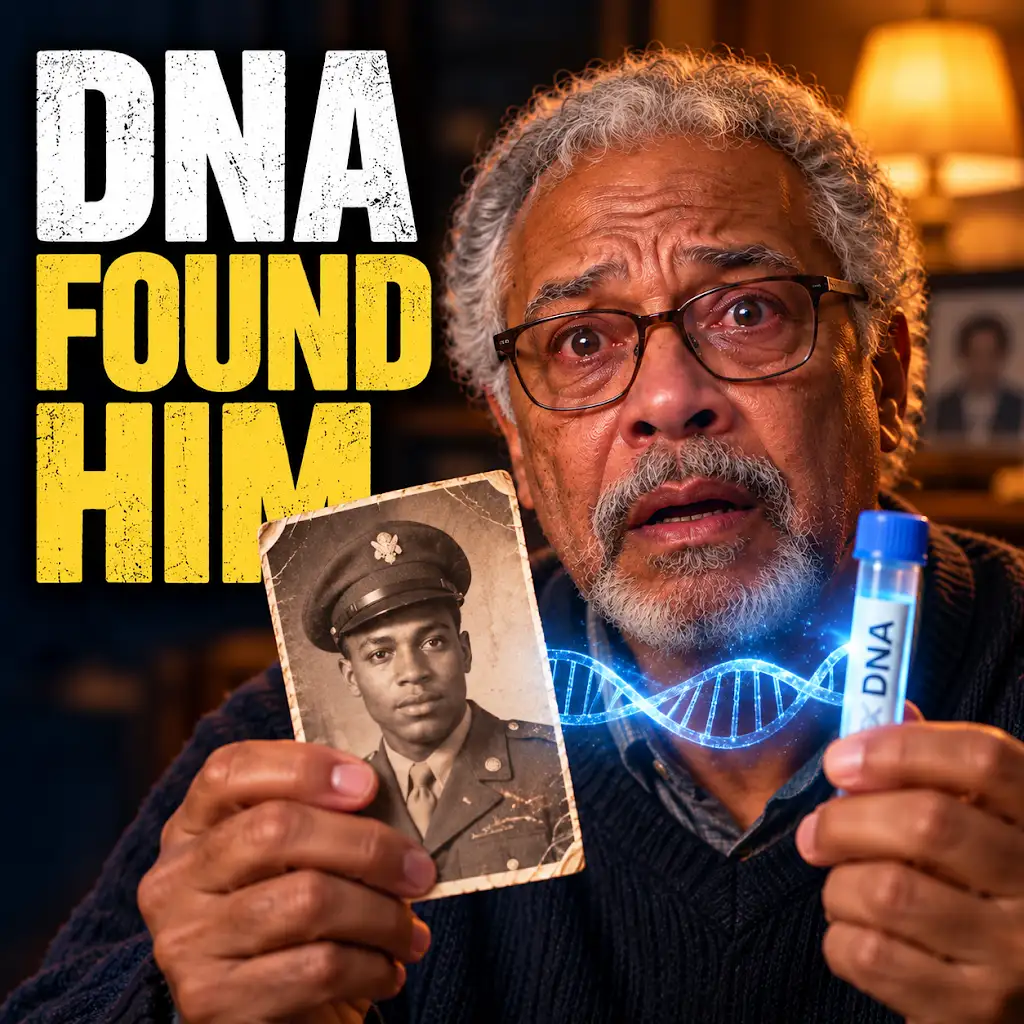
His WWII GI Father Was a Mystery for Nearly 80 Years
FAQs
What is genetic genealogy?
Genetic genealogy is the use of DNA testing in combination with traditional genealogical and historical records to infer relationships between individuals.
What is a genetic genealogy documentary?
A genetic genealogy documentary is a film or video production that explores the use of DNA testing in genealogical research, often following individuals or families as they uncover their genetic ancestry.
What can viewers expect to learn from a genetic genealogy documentary?
Viewers can expect to learn about the science behind genetic genealogy, how DNA testing works, the different types of DNA tests available, and how these tests can be used to trace one’s ancestry and connect with relatives.
Are genetic genealogy documentaries based on real stories?
Yes, genetic genealogy documentaries are typically based on real stories of individuals or families who have used DNA testing to uncover surprising or unknown aspects of their family history.
Where can one watch genetic genealogy documentaries?
Genetic genealogy documentaries can be found on various streaming platforms, such as Netflix, Amazon Prime Video, and specialty genealogy websites. They may also be available for purchase or rental on DVD or Blu-ray.