
The whisper of ancestry, once confined to faded photographs and whispered family lore, has found a powerful new voice in the realm of genetics. For centuries, uncovering the intricate branches of one’s family tree was a painstaking endeavor, often limited by the availability of public records, the vagaries of oral tradition, and the sheer passage of time. Yet, with the advent of direct-to-consumer DNA testing, a revolution has occurred, empowering individuals to embark on a thrilling journey of self-discovery, unraveling the mysteries of their lineage with unprecedented precision. This exploration, however, is not merely a passive receiving of information; it is an active engagement, a process of unraveling, interpreting, and ultimately understanding the complex tapestry of inherited traits, ancestral migrations, and familial connections.
The Dawn of Genetic Genealogy
The concept of genetic genealogy, while rooted in scientific inquiry, has only recently entered the public consciousness in a significant way. For decades, DNA analysis was primarily the domain of forensic science and academic research. The groundbreaking work in sequencing the human genome and developing sophisticated methods for analyzing mitochondrial DNA (mtDNA) and Y-chromosome DNA laid the scientific foundation. However, it was the subsequent development of autosomal DNA testing, capable of analyzing markers inherited from all ancestors, that truly democratized the field. This advancement allowed for the examination of relationships across multiple generations and paternal and maternal lines, offering a broader and more comprehensive view of an individual’s genetic heritage. The ability to compare vast databases of anonymized genetic information has transformed the landscape of genealogical research, moving beyond the confines of census records and birth certificates to the very building blocks of life.
How DNA Unlocks Ancestral Secrets
At its core, DNA testing for genealogical purposes relies on the principle that DNA is inherited from our parents, who inherited it from their parents, and so on, stretching back through millennia. Autosomal DNA, present in the 22 pairs of non-sex chromosomes, is particularly valuable for genealogical research because it is passed down from both parents. Each individual inherits approximately 50% of their autosomal DNA from their mother and 50% from their father. This means that over generations, a person will share progressively smaller percentages of their autosomal DNA with more distant ancestors. For example, a person shares about 25% of their autosomal DNA with a grandparent, 12.5% with a great-grandparent, and so on. DNA testing companies analyze specific locations on these chromosomes, known as single nucleotide polymorphisms (SNPs), which vary between individuals. By comparing the SNP profiles of different individuals, the companies can estimate the degree of relatedness and identify common ancestors. This quantitative approach to kinship is far more objective than relying solely on genealogical trees, which can contain errors or gaps.
The Types of Genetic Information Provided
Understanding the different types of DNA tests is crucial for navigating the world of genetic genealogy. Autosomal DNA tests are the most common for genealogical purposes, as they can identify relatives across all branches of the family tree, both paternal and maternal, for up to about five to seven generations. This type of test is ideal for discovering cousins you never knew you had and for filling in gaps in existing family trees. Mitochondrial DNA (mtDNA) testing, on the other hand, traces the direct maternal line. It is passed down virtually unchanged from mother to child. While mtDNA can provide insights into ancient maternal migrations and identify very distant maternal relatives, its utility for recent genealogy is limited due to the vast amounts of time it takes for significant mutations to occur. Similarly, Y-chromosome DNA (Y-DNA) testing traces the direct paternal line, as the Y chromosome is only present in males and is passed from father to son. Y-DNA testing is useful for exploring paternal lineage and can help identify individuals with the same paternal surname, suggesting a common paternal ancestor.
The intriguing world of DNA family trees has captivated many, as individuals seek to uncover their ancestral roots and solve long-standing family mysteries. A related article that delves deeper into this fascinating topic can be found at In the War Room, where experts discuss the implications of genetic testing and the unexpected revelations it can bring to light. This exploration not only highlights personal stories but also raises questions about identity and the nature of family connections in the modern age.
Building Bridges Across Generations

The true power of DNA testing lies in its ability to connect individuals with previously unknown relatives. These newfound connections can range from close cousins to more distant relations, each offering a potential doorway to new ancestral information and stories. The process of discovering these relatives is often initiated by the DNA testing companies, which compare an individual’s DNA profile against a large database of other users. When a significant genetic overlap is detected, it suggests a shared ancestor. The companies then present these matches, along with an estimated genetic relationship (e.g., first cousin, second cousin once removed), allowing users to reach out and begin the process of collaboration. This collaborative aspect is a cornerstone of modern genealogy, transforming it from a solitary pursuit into a communal effort of discovery.
Navigating Your DNA Match List
Receiving a list of DNA matches can be both exhilarating and overwhelming. The key to effectively utilizing this information lies in understanding how the matches are presented and how to interpret the reported relationships. DNA testing companies typically provide an estimated number of centimorgans (cMs) shared between individuals. Centimorgans are a unit of genetic distance, and a higher cM count generally indicates a closer relationship. The companies also use algorithms to estimate the most likely degree of relationship based on the shared cM amount. However, it is important to remember that these are estimates. A specific cM range can correspond to several possible relationships. For instance, a shared amount of DNA might indicate a first cousin, a half-sibling, or even an aunt or uncle, depending on the exact number of cMs. Therefore, careful examination of multiple matches and their shared DNA amounts is crucial for accurate interpretation.
The Art of Collaborative Genealogy
Once a promising DNA match is found, the real detective work begins. The initial communication with a new relative is often a delicate dance, a blend of excitement and caution. Sharing family trees, comparing notes on known ancestors, and piecing together historical documents are essential steps in confirming the shared ancestry. This collaborative process can be incredibly rewarding, as each individual may possess pieces of the puzzle that the other lacks. One person might have access to old family Bibles or diaries, while another might have unearthed a treasure trove of local historical records. The synergy of these combined efforts can often break through long-standing genealogical brick walls and reveal previously hidden branches of the family tree. It is a testament to the idea that our ancestors’ stories are not solely our own, but are shared by many, waiting to be rediscovered together.
Decoding Ancestral Origins and Migrations

Beyond identifying relatives, DNA testing offers profound insights into the ancestral homelands of our forebears and the epic journeys they undertook across continents and through the ages. By analyzing specific genetic markers that are more prevalent in certain geographic regions, these tests can provide estimations of ethnic composition, painting a picture of where our ancestors lived and how they dispersed over time. This aspect of genetic genealogy adds a new dimension to traditional historical research, offering a biological testament to the movements and interactions of human populations.
Understanding Ethnicity Estimates
Ethnicity estimates, often presented as percentages of different ancestral regions (e.g., Irish, Italian, West African, East Asian), are a popular feature of direct-to-consumer DNA tests. These estimates are derived from comparing an individual’s DNA to reference populations whose genetic makeup is believed to represent specific geographic areas. The algorithms used by DNA testing companies are sophisticated, but it is important to understand their limitations. Ethnicity estimates are approximations and can change over time as the reference populations are refined and expanded. Furthermore, the concept of “ethnicity” itself is complex, shaped by culture, language, and history as much as by genetics. Therefore, it is best to view these estimates as a guide to ancestral origins rather than definitive pronouncements. They can offer fascinating clues that can then be further investigated through historical research.
Tracing Ancient Journeys
The deeper historical narrative revealed by DNA analysis is the story of human migration. By examining haplogroups – large groups of people who share a common ancestor on the paternal (Y-DNA) or maternal (mtDNA) line – researchers can trace the ancient paths taken by our ancestors out of Africa and across the globe. These haplogroups are defined by specific genetic mutations that have occurred over tens of thousands of years. For instance, certain Y-DNA haplogroups are prevalent in parts of Europe, indicating lineages that migrated from the Near East thousands of years ago. Similarly, mtDNA haplogroups can reveal the routes taken by early humans as they settled various continents. While these ancient migrations are far removed from immediate family history, understanding them provides a profound context for our existence, revealing our shared human heritage and the incredible resilience and adaptability of our species.
The Science Behind the Ancestral Code
The reliability and accuracy of DNA testing for genealogy are underpinned by sophisticated scientific principles and ongoing advancements in genetic research. Understanding the basic science involved can help individuals interpret their results with greater confidence and appreciate the power of this technology. It’s a complex interplay of genetics, statistics, and bioinformatics that transforms raw genetic data into meaningful ancestral insights.
SNPs, Mitochondria, and the Y Chromosome
As mentioned earlier, the science behind DNA testing involves analyzing specific types of genetic markers. Single Nucleotide Polymorphisms (SNPs) are the most common type of genetic variation and are the primary focus of autosomal DNA tests. These are single-letter changes in the DNA sequence that occur frequently throughout the genome. By comparing the patterns of SNPs between individuals, geneticists can determine how closely they are related. Mitochondrial DNA (mtDNA) is found in the mitochondria, the powerhouses of the cell, and is inherited exclusively from the mother. Its DNA is a small, circular molecule with a higher mutation rate than nuclear DNA, making it useful for tracing maternal lineages over long periods. The Y chromosome, present only in males, is passed down from father to son. Analyzing specific regions of the Y chromosome can reveal paternal ancestry and is particularly useful for tracing surnames and male-line relatives.
The Power of Genetic Databases and Algorithms
The effectiveness of DNA testing for genealogical purposes is heavily reliant on the vast genetic databases maintained by testing companies. These databases contain the anonymized genetic profiles of millions of individuals. When an individual’s DNA is tested, their profile is compared against this enormous collection. The algorithms used by these companies are designed to identify patterns of shared DNA and estimate the likelihood of different relationships. These algorithms are constantly being refined and improved as more data becomes available and our understanding of population genetics grows. The continuous development of these computational tools is essential for increasing the accuracy and scope of genealogical insights derived from DNA.
The recent exploration of DNA family trees has unveiled intriguing mysteries that often lead to unexpected discoveries about our ancestry. For those interested in delving deeper into this fascinating topic, a related article discusses the implications of genetic testing and its impact on family dynamics. You can read more about it in this insightful piece on the subject by following this link. Understanding these complexities can shed light on the often surprising connections we share with others.
Ethical Considerations and the Future of Genetic Genealogy
| Metric | Value | Description |
|---|---|---|
| Number of DNA Samples Analyzed | 150 | Total DNA samples collected from family members and distant relatives |
| Generations Covered | 6 | Number of family generations traced through DNA analysis |
| Unique Genetic Markers Identified | 45 | Distinct markers used to differentiate family branches |
| Confirmed Relationships | 120 | Number of family connections verified through DNA matching |
| Unresolved Mysteries | 5 | Family connections still unclear or contradictory in DNA results |
| Average DNA Match Percentage | 37% | Average genetic similarity between tested family members |
| Time Taken for Analysis | 8 months | Duration of the DNA testing and family tree construction process |
As genetic genealogy becomes more widespread, it is accompanied by important ethical considerations that individuals and companies must navigate. The responsible use of genetic information, the privacy of personal data, and the potential for unintended discoveries all warrant careful attention. The future of this field promises even more exciting possibilities, pushing the boundaries of what we can learn about ourselves and our past.
Privacy, Security, and Consent
The personal nature of genetic information raises significant privacy and security concerns. Individuals who submit their DNA for testing are entrusting companies with highly sensitive data. It is crucial for these companies to have robust security measures in place to protect this information from unauthorized access. Furthermore, clear and transparent consent policies are essential. Users should understand how their data will be used, who it might be shared with (even in anonymized form), and what their rights are regarding their genetic information. The debate over whether law enforcement should have access to DNA databases for criminal investigations is ongoing and highlights the complexities of balancing public safety with individual privacy.
The Evolving Landscape of Discovery
The field of genetic genealogy is in a constant state of evolution. As technology advances, we can expect even more precise and comprehensive ancestral information. Innovations in whole-genome sequencing could offer unprecedented detail about an individual’s genetic makeup. The development of more sophisticated algorithms and larger reference populations will likely lead to more accurate ethnicity estimates and a greater ability to pinpoint ancestral locations. Beyond identifying relatives and origins, future advancements might shed light on inherited predispositions to certain traits or conditions, further blurring the lines between genealogy and personal health. The journey of unraveling our DNA family tree is far from over; it is a continuous exploration into the very essence of who we are and where we come from.
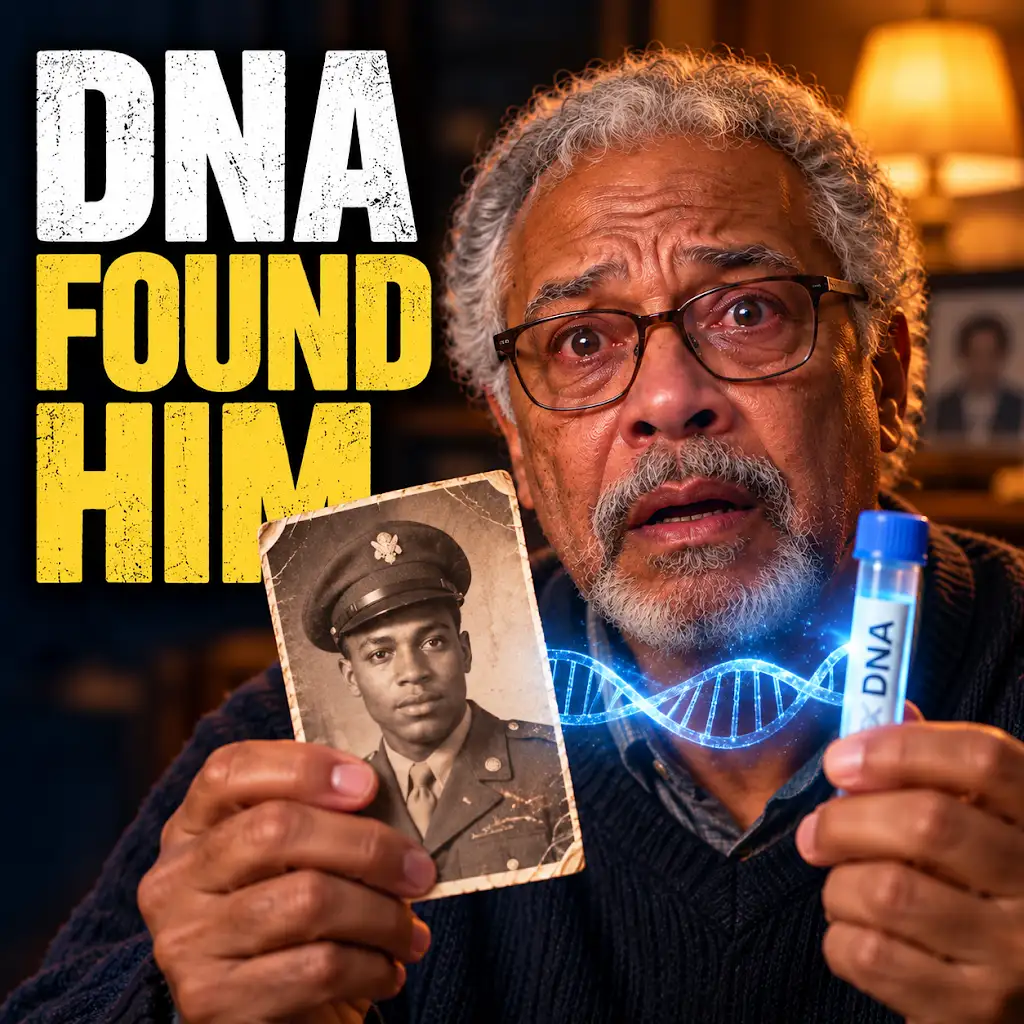
His WWII GI Father Was a Mystery for Nearly 80 Years
FAQs
What is a DNA family tree?
A DNA family tree is a visual representation of a person’s genetic ancestry, showing how they are related to their ancestors and other living relatives based on shared DNA.
How does DNA testing help in building a family tree?
DNA testing can provide valuable information about a person’s genetic heritage, helping to identify relatives, confirm relationships, and uncover unknown ancestors. This information can be used to build a more accurate and detailed family tree.
What are some common DNA testing companies that offer services for building a family tree?
Some popular DNA testing companies that offer services for building a family tree include AncestryDNA, 23andMe, MyHeritage, and FamilyTreeDNA. These companies provide DNA testing kits and online tools to help users explore their genetic ancestry.
What are some common challenges or mysteries that can arise when building a DNA family tree?
Common challenges when building a DNA family tree include identifying unknown biological parents, uncovering unexpected relationships such as half-siblings or previously unknown relatives, and dealing with discrepancies between genetic and documented family history.
How can DNA family tree mysteries be solved?
DNA family tree mysteries can be solved by conducting additional DNA testing, reaching out to potential relatives for more information, consulting with genetic genealogists, and using online databases and tools to analyze DNA matches and shared genetic information.