
Military engineering below the ice represents a unique and complex field that combines the principles of engineering with the challenges posed by extreme cold environments. This specialized area of military engineering focuses on the design, construction, and maintenance of infrastructure and facilities in polar regions, where ice and snow dominate the landscape. The strategic importance of these areas has grown in recent years, as nations recognize the potential for resource extraction, shipping routes, and military positioning in the Arctic and Antarctic regions.
As a result, military engineers are tasked with developing innovative solutions to operate effectively in these harsh conditions. The significance of military engineering below the ice extends beyond mere construction; it encompasses a wide range of activities, including logistics, transportation, and environmental management. Engineers must consider not only the physical challenges posed by ice and snow but also the geopolitical implications of their work.
As nations vie for dominance in these resource-rich areas, military engineering plays a crucial role in establishing a presence and ensuring operational readiness. This article will explore the history, challenges, technologies, and future trends in military engineering below the ice, highlighting its importance in contemporary military strategy.
Key Takeaways
- Military engineering below the ice involves unique challenges and requires specialized technologies and infrastructure.
- The history of military engineering in polar regions dates back to early exploration and has evolved with advancements in technology.
- Operating below the ice presents challenges such as extreme cold, limited visibility, and the need for specialized equipment and training.
- Cutting-edge technologies such as autonomous systems and underwater construction methods are being developed for under-ice military operations.
- Infrastructure development in polar regions is crucial for supporting military operations and ensuring strategic presence in these remote areas.
History of Military Engineering in Polar Regions
The history of military engineering in polar regions is rich and varied, dating back to early explorations and conflicts in these remote areas. The strategic significance of the Arctic and Antarctic has been recognized for centuries, with various nations conducting expeditions to assert their claims and establish bases. During World War II, for instance, the United States and its allies began to understand the importance of Arctic operations, leading to the development of infrastructure that could support military activities in extreme cold.
This period marked a turning point in military engineering, as engineers began to adapt their techniques to address the unique challenges posed by ice-covered landscapes. In the decades following World War II, the Cold War further intensified interest in polar military engineering. Both the United States and the Soviet Union invested heavily in research and development to enhance their capabilities in these regions.
The establishment of bases, airstrips, and supply routes became essential for maintaining a strategic advantage. Engineers developed innovative solutions for constructing facilities on unstable ice and permafrost, laying the groundwork for modern military operations below the ice. This historical context underscores the ongoing relevance of military engineering in polar regions as nations continue to navigate the complexities of geopolitics and environmental challenges.
Challenges of Operating Below the Ice
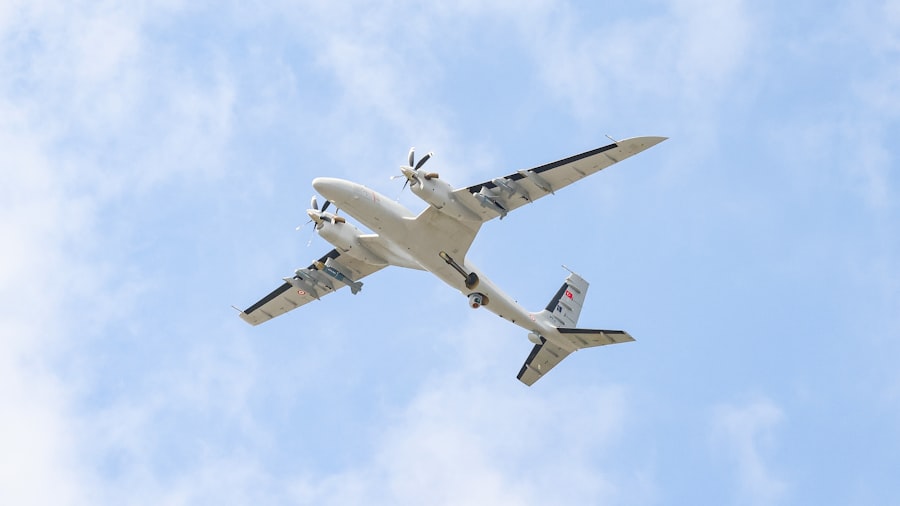
Operating below the ice presents a myriad of challenges that military engineers must navigate to ensure successful missions. One of the most significant obstacles is the extreme cold itself, which can lead to equipment failures, material degradation, and health risks for personnel. Engineers must select materials that can withstand low temperatures while maintaining structural integrity.
Additionally, the unpredictable nature of ice movement poses risks to infrastructure stability, requiring constant monitoring and adaptation. Another challenge is the logistical complexity of transporting personnel and supplies to remote locations. The harsh weather conditions can hinder access to these areas, making it difficult to deliver essential resources.
Engineers must develop innovative transportation solutions, such as ice roads or specialized vehicles capable of traversing icy terrain. Furthermore, communication systems can be severely impacted by extreme weather, complicating coordination efforts during operations. These challenges necessitate a high level of expertise and adaptability from military engineers working below the ice.
Cutting-Edge Technologies for Under-Ice Operations
| Technology | Application | Advantages |
|---|---|---|
| Autonomous Underwater Vehicles (AUVs) | Mapping and surveying under ice | Ability to operate in harsh environments without human intervention |
| Remotely Operated Vehicles (ROVs) | Inspection and maintenance of under-ice infrastructure | Real-time data collection and manipulation of objects in challenging environments |
| Ice-Penetrating Radar | Mapping and studying ice thickness and structure | Non-invasive method for collecting data on ice conditions |
| Satellite Imaging | Monitoring ice movement and changes | Provides wide-area coverage and long-term monitoring capabilities |
In response to the unique challenges of operating below the ice, military engineers have turned to cutting-edge technologies that enhance their capabilities in polar environments. One such innovation is the use of advanced materials designed specifically for extreme cold conditions. These materials not only provide structural support but also offer insulation properties that protect sensitive equipment from freezing temperatures.
Additionally, engineers are increasingly utilizing 3D printing technology to create custom components on-site, reducing reliance on long supply chains. Another significant advancement is the development of specialized vehicles and equipment tailored for under-ice operations. Autonomous underwater vehicles (AUVs) equipped with advanced sensors can conduct reconnaissance missions beneath the ice, gathering critical data without risking personnel.
These AUVs can map underwater terrain, identify potential hazards, and assess environmental conditions, providing invaluable information for planning military operations. The integration of artificial intelligence into these systems further enhances their capabilities, allowing for real-time data analysis and decision-making.
Importance of Infrastructure Development in Polar Regions
Infrastructure development in polar regions is vital for supporting military operations and ensuring national security interests.
Military bases, supply depots, and communication networks are essential for maintaining a presence and facilitating rapid response capabilities.
Engineers play a crucial role in designing and constructing these facilities to withstand extreme weather conditions while remaining functional year-round. Moreover, infrastructure development goes hand-in-hand with resource exploration and extraction efforts. The Arctic is rich in natural resources such as oil, gas, and minerals, making it an attractive target for economic development.
Military engineers must collaborate with civilian agencies to ensure that infrastructure projects are sustainable and environmentally responsible. This collaboration not only enhances operational capabilities but also fosters positive relationships with local communities and stakeholders.
Innovations in Underwater Construction for Military Purposes
Innovations in underwater construction have revolutionized military engineering below the ice, enabling more efficient and effective operations in polar regions. One notable advancement is the use of modular construction techniques that allow for rapid assembly of underwater structures. These modular systems can be prefabricated on land and then transported to remote locations for installation beneath the ice.
This approach minimizes construction time and reduces exposure to harsh environmental conditions. Additionally, advancements in underwater welding and sealing technologies have improved the durability of structures built below the ice. Engineers can now create watertight seals that withstand extreme pressure and temperature fluctuations, ensuring that facilities remain operational even in challenging conditions.
These innovations not only enhance military capabilities but also contribute to research efforts aimed at understanding underwater ecosystems and mitigating environmental impacts.
Environmental Considerations in Military Engineering Below the Ice
As military operations expand into polar regions, environmental considerations have become increasingly important in military engineering practices. The delicate ecosystems found beneath the ice are vulnerable to disturbances caused by construction activities and resource extraction efforts. Engineers must prioritize sustainability by implementing practices that minimize environmental impact while still achieving operational objectives.
One approach is conducting thorough environmental assessments before initiating any projects. These assessments help identify potential risks to local wildlife and habitats, allowing engineers to develop strategies that mitigate negative effects. Additionally, incorporating green technologies into construction practices can further reduce environmental footprints.
For example, using renewable energy sources such as solar or wind power can decrease reliance on fossil fuels during operations.
Role of Robotics and Autonomous Systems in Under-Ice Operations
Robotics and autonomous systems have emerged as game-changers in under-ice operations, providing military engineers with tools that enhance efficiency and safety. These technologies enable remote monitoring and data collection without putting personnel at risk in hazardous environments. For instance, remotely operated vehicles (ROVs) equipped with cameras and sensors can explore underwater terrain, assess structural integrity, and conduct maintenance tasks beneath the ice.
The integration of robotics into military engineering also allows for more precise execution of complex tasks. Autonomous systems can perform repetitive or dangerous activities with high accuracy, reducing human error and increasing overall operational effectiveness. As these technologies continue to evolve, they will play an increasingly vital role in shaping future military engineering practices below the ice.
Advancements in Icebreaking and Ice-Resistant Ship Design
Advancements in icebreaking technology have significantly enhanced naval capabilities in polar regions, allowing for safer navigation through treacherous waters. Modern icebreakers are designed with reinforced hulls and powerful propulsion systems that enable them to break through thick ice layers while maintaining stability and maneuverability. These vessels are essential for supporting military operations by ensuring access to remote areas during critical missions.
In addition to traditional icebreakers, innovations in ship design have led to the development of ice-resistant vessels capable of operating effectively in icy conditions without specialized icebreaking capabilities. These ships utilize advanced materials and hull designs that minimize resistance when navigating through ice-covered waters. As nations continue to expand their presence in polar regions, these advancements will be crucial for maintaining operational readiness and ensuring safe passage for military personnel and supplies.
Collaboration and Partnerships in Polar Military Engineering
Collaboration among various stakeholders is essential for successful military engineering below the ice.
By fostering partnerships across these sectors, military engineers can leverage diverse expertise and resources to address complex challenges effectively.
Joint exercises between military forces from different nations also promote knowledge sharing and best practices in polar engineering. These collaborative efforts enhance interoperability among allied forces while building trust between nations operating in sensitive regions. As geopolitical tensions rise in polar areas, fostering cooperation through shared initiatives will be critical for ensuring stability and security.
Future Trends and Developments in Military Engineering Below the Ice
Looking ahead, several trends are likely to shape the future of military engineering below the ice. One significant trend is the increasing emphasis on sustainability and environmental stewardship within military operations. As awareness grows regarding climate change impacts on polar ecosystems, engineers will need to prioritize eco-friendly practices that minimize harm while achieving operational goals.
Additionally, advancements in artificial intelligence (AI) will continue to transform under-ice operations by enabling more sophisticated data analysis and decision-making processes. AI-driven systems can optimize logistics planning, enhance situational awareness during missions, and improve overall efficiency across various engineering tasks. Furthermore, as competition intensifies among nations seeking dominance in polar regions, investment in research and development will be crucial for maintaining technological superiority.
Military engineers will need to stay at the forefront of innovation by exploring new materials, construction techniques, and operational strategies tailored specifically for extreme cold environments. In conclusion, military engineering below the ice is a dynamic field that encompasses a wide range of challenges and opportunities. As nations navigate the complexities of operating in polar regions, engineers play a pivotal role in ensuring operational readiness while addressing environmental concerns.
Through collaboration, innovation, and a commitment to sustainability, military engineering will continue to evolve as a critical component of national security strategy in an increasingly competitive global landscape.
Military engineering under the ice presents unique challenges and opportunities, particularly in regions like the Arctic where extreme conditions prevail. For a deeper understanding of the strategies and technologies employed in this field, you can explore a related article on military engineering at In the War Room. This resource provides insights into the innovative approaches used to navigate and construct in icy environments, highlighting the importance of adaptability and resilience in military operations.
WATCH THIS! Inside Iceworm: America’s Secret Nuclear City Built Under Greenland
FAQs
What is military engineering under the ice?
Military engineering under the ice refers to the specialized field of engineering that focuses on designing, constructing, and maintaining military infrastructure and equipment in icy and cold environments, such as polar regions and Arctic areas.
What are the challenges of military engineering under the ice?
Some of the challenges of military engineering under the ice include extreme cold temperatures, harsh weather conditions, limited visibility, and the presence of ice and snow. These factors can make construction, maintenance, and operations more difficult and require specialized engineering solutions.
What are some examples of military engineering under the ice?
Examples of military engineering under the ice include the construction of ice camps, ice roads, runways, and other infrastructure to support military operations in polar regions. It also involves the development of specialized equipment and vehicles designed to operate in icy and cold environments.
What are the key considerations for military engineering under the ice?
Key considerations for military engineering under the ice include the selection of appropriate materials and construction techniques that can withstand extreme cold temperatures, the need for efficient heating and insulation systems, and the development of equipment and vehicles that can operate effectively in icy and snowy conditions.
What are the implications of military engineering under the ice?
Military engineering under the ice has strategic implications for national defense and security, particularly in the context of increasing geopolitical interest in the Arctic region. It also has implications for environmental conservation and the protection of fragile polar ecosystems.