
Unraveling Ancestral Threads: The Power of DNA Search in Locating Missing Relatives
The yearning to connect with lost family members is a deeply ingrained human desire. Whether separated by circumstance, adoption, or the passage of time, the dream of finding a missing piece of one’s personal puzzle can be a lifelong quest. For generations, this search relied on traditional methods: meticulously crafted family trees, grainy photographs, and hopeful inquiries through intermediaries. While these avenues still hold value, a revolutionary tool has emerged, transforming the landscape of genealogical discovery and offering an unprecedented chance to bridge generational divides: the DNA search. This article delves into the multifaceted world of DNA testing for finding missing relatives, exploring its scientific underpinnings, the diverse reasons individuals embark on this journey, the practicalities of the process, the ethical considerations, and the profound emotional impact of successful reunions.
In recent years, the use of DNA testing has revolutionized the search for missing relatives, providing families with new hope in their quest for closure. A related article that delves into the advancements in genetic genealogy and its impact on locating long-lost family members can be found at In The War Room. This resource highlights how DNA databases are being utilized to connect individuals with their biological relatives, offering insights into both the emotional and ethical implications of this technology.
The Scientific Compass: How DNA Reveals Family Connections
At its core, a DNA search for missing relatives is a sophisticated application of genetic science. Unlike historical genealogical research that focuses on documented lineage, DNA testing bypasses the limitations of written records, which can be incomplete, lost, or deliberately obscured. Instead, it delves into the very building blocks of our identity, the intricate code passed down from our ancestors.
Understanding Autosomal DNA Testing
The most common and effective type of DNA test for finding relatives is autosomal DNA testing. Autosomal DNA is inherited equally from both parents, meaning individuals receive approximately 50% of their autosomal DNA from their mother and 50% from their father. This type of DNA is present in all 22 pairs of chromosomes, excluding the sex chromosomes. When you take an autosomal DNA test, a sample of your DNA – typically from saliva or a cheek swab – is analyzed for hundreds of thousands of specific markers, known as single nucleotide polymorphisms (SNPs). These SNPs are small variations in the DNA sequence that are inherited from your ancestors.
The Magic of Shared DNA Segments
The power of autosomal DNA testing lies in its ability to compare your DNA with that of other individuals in a vast database. When two people share a common ancestor, they will also share segments of DNA inherited from that ancestor. The longer and more numerous the shared DNA segments, the closer the genetic relationship. DNA testing companies use sophisticated algorithms to analyze these shared segments and estimate the degree of relationship between you and your matches. These estimations can range from parent-child relationships to distant cousins, providing a roadmap for further genealogical investigation. For instance, a match sharing around 1,700 centimorgans (cM) of DNA is likely a sibling, while a match sharing 50-100 cM might be a third or fourth cousin.
Y-DNA and Mitochondrial DNA: Complementary Paths
While autosomal DNA is the primary tool for finding most relatives, Y-DNA and mitochondrial DNA (mtDNA) tests offer complementary insights, particularly for tracing specific paternal and maternal lines. Y-DNA is exclusively passed down from father to son along the Y chromosome. Therefore, Y-DNA testing can help identify individuals who share a direct paternal ancestor. Similarly, mtDNA is passed down from mother to child, tracing the maternal lineage. While less useful for broad family searches, Y-DNA and mtDNA can be invaluable for confirming hypotheses about specific ancestral lines or identifying individuals with a shared, very ancient, paternal or maternal ancestor.
Motivations Behind the Search: Why Embark on a DNA Journey?
The decision to embark on a DNA search for missing relatives is rarely spontaneous. It is often driven by a complex interplay of curiosity, a desire for identity, and a yearning for connection. Understanding these motivations is crucial to appreciating the emotional significance of the DNA search.
The Adoption Search: A Quest for Origins
Perhaps the most emotionally charged motivation for DNA searching is found among individuals who were adopted. For many adoptees, their birth parents remain unknown, leaving a profound void in their understanding of their origins. The lack of immediate familial connections can lead to questions about identity, medical history, and their place in the world. DNA testing offers an unparalleled opportunity to bridge this gap, potentially reconnecting adoptees with birth parents, siblings, aunts, uncles, and a broader network of biological family. The process can be both exhilarating and daunting, bringing answers to long-held questions and sometimes confronting unexpected realities.
Reuniting Estranged Family Members
Beyond adoption, families can become estranged for a myriad of reasons – misunderstandings, geographical distance, or simply the natural drift of life. DNA testing can serve as a powerful catalyst for reconciliation. Individuals who may have lost touch with siblings, cousins, or even grandparents can discover a genetic link through a DNA match, prompting them to reach out and rebuild broken bonds. The shared genetic heritage serves as a tangible reminder of their shared history, offering a foundation for renewed connection.
Uncovering Ancestral Mysteries and Hidden Histories
For many, the motivation is a thirst for knowledge about their ancestry. They may have heard whispers of family secrets, intriguing anecdotes about distant relatives, or simply a desire to understand the roots from which they sprang. DNA testing can unearth previously unknown branches of the family tree, revealing ancestors from different countries or cultures, or shedding light on historical events that shaped their lineage. This can be particularly compelling for individuals with a sense of mystery surrounding their heritage, such as those with no known parents or those who suspect a non-paternity event in their family history.
Medical and Health-Related Inquiries
While not solely focused on finding missing relatives, medical motivations can sometimes intersect with genealogical discovery. Individuals may be seeking information about genetic predispositions to certain diseases or conditions. If a relative is located through DNA testing, it can provide access to crucial medical family history that may not have been previously known, offering valuable insights for personal health management and genetic counseling.
Navigating the Process: From Swab to Revelation
The journey of a DNA search for missing relatives, while scientifically driven, is also a practical undertaking that requires careful planning and execution. Understanding the steps involved can demystify the process and empower individuals to embark on their search with confidence.
Choosing the Right DNA Testing Company
The first crucial step is selecting a reputable DNA testing company. Several major players dominate the market, each with its own strengths, user interface, and database size. Key factors to consider include the size of their autosomal DNA database (more matches mean a higher chance of finding a relative), their privacy policies, the price of the test, and the types of DNA analysis offered. Some companies allow users to upload raw DNA data from other testing providers, expanding the potential for matches. Popular choices include AncestryDNA, 23andMe, MyHeritage DNA, and FamilyTreeDNA.
Submitting Your Sample and Understanding Your Results
Once a company is chosen, the process typically involves ordering a DNA testing kit, which arrives by mail. The kit contains instructions for collecting a DNA sample, usually through a simple cheek swab or saliva collection. The sample is then mailed back to the company’s lab for analysis. After a period of weeks, the results are made available through a secure online portal. This portal will display your ethnicity estimates, a list of your DNA matches, and often tools to help you analyze your connections.
Interpreting Matches and Building Your Family Tree
The raw data of DNA matches is only the beginning. Interpreting these matches requires genealogical skills. Most DNA testing companies provide an estimated relationship for each match, but this is an estimate based on shared DNA. To confirm these relationships, individuals must engage in traditional genealogical research. This involves building a family tree, researching historical records, and communicating with DNA matches to share information and corroborate findings. The process is often iterative, with new discoveries in one area informing research in another.
The Role of Genealogical Research and Communication
Effective communication with DNA matches is paramount. Reaching out to matches, introducing yourself, and sharing your genealogical goals can lead to invaluable collaborations. Many individuals in DNA databases are already engaged in family history research and may have the missing pieces of information you need. Building a family tree that incorporates both DNA matches and documentary evidence is the most robust approach to unraveling complex ancestral connections.
In recent years, the use of DNA testing has revolutionized the search for missing relatives, providing families with new hope in their quest for closure. A compelling article discusses the advancements in genetic technology and how it has helped reunite families separated by circumstances beyond their control. For more insights on this topic, you can read the full article here. This innovative approach not only aids in personal connections but also sheds light on the broader implications of genetic research in society.
Ethical Considerations and Privacy: Navigating the Sensitive Landscape
| Metric | Description | Typical Value / Range | Notes |
|---|---|---|---|
| Number of DNA Markers Tested | The count of genetic markers analyzed in the DNA sample | 500,000 – 700,000 SNPs | Higher marker counts improve match accuracy |
| Match Probability | Likelihood that a DNA match is a true relative | 80% – 99% | Depends on database size and marker overlap |
| Average Time to Identify Relative | Time taken from sample submission to finding a match | 1 week – 3 months | Varies by database and case complexity |
| Database Size | Number of DNA profiles in the matching database | 10 million – 30 million profiles | Larger databases increase chances of finding relatives |
| Degree of Relation Detected | Closest familial relationship typically identified | 1st to 4th cousins | More distant relations require larger databases |
| False Positive Rate | Percentage of matches incorrectly identified as relatives | Less than 1% | Reduced by using stringent matching criteria |
| Consent Rate | Percentage of individuals agreeing to share DNA data for searches | 60% – 85% | Higher consent improves search effectiveness |
The power of DNA testing to uncover deeply personal information also necessitates a careful consideration of ethical implications and privacy concerns. Transparency, consent, and responsible data handling are crucial for maintaining trust and ensuring the well-being of all involved.
Data Privacy and Security
DNA testing companies collect highly sensitive personal information. It is imperative to understand their data privacy policies, how your DNA data is stored, and who has access to it. Reputable companies will have robust security measures in place to protect your data from unauthorized access. Users should be aware of the possibility of their data being anonymized and used for research purposes, and whether they have the option to opt out of such uses.
Informed Consent and Third-Party Access
When embarking on a DNA search, especially when searching for birth parents or other relatives who may not be aware of the search, the concept of informed consent becomes paramount. While an individual has the right to discover their own biological relatives, it is important to consider the privacy of those individuals. Furthermore, some DNA testing companies may share anonymized data with third parties for research. Understanding these policies and ensuring that consent is properly managed is vital.
Potential for Unexpected Discoveries and Emotional Impact
DNA testing can reveal truths that are unexpected and potentially unsettling. Discovering unknown half-siblings, encountering evidence of non-paternity events, or uncovering family secrets can be emotionally challenging. It is important to approach the process with a degree of preparedness for a range of outcomes and to seek support if needed. The emotional impact of finding a missing relative can be profound, both positive and negative, and individuals should be mindful of this before initiating a search.
The Emotional Tapestry: Reunions, Resolutions, and the Ongoing Journey
The ultimate reward of a DNA search for missing relatives is often the reunion itself. However, the journey is rarely solely about the end point. It is a process that can bring closure, a deepened sense of identity, and a richer understanding of one’s place in the world.
The Joy of Reunion and Connection
The emotional impact of a successful reunion can be overwhelming and deeply fulfilling. For adoptees who have longed for their birth families, the moment of connection can be transformative, filling a void and providing answers to a lifetime of questions. For estranged family members, it can be an opportunity for healing and reconciliation, rebuilding relationships that were once thought lost forever. These reunions are often characterized by tears, laughter, and a profound sense of belonging.
Finding Closure and Understanding
Even when a direct reunion isn’t possible, DNA searches can bring a sense of closure. Discovering the identity of an unknown grandparent, confirming a long-suspected ancestral link, or understanding the circumstances of a family separation can provide valuable context and peace of mind. The knowledge gained through DNA can help individuals make sense of their personal narratives and come to terms with their family history.
The Ongoing Nature of Discovery
It is important to recognize that a DNA search is often not a one-time event but rather an ongoing process of discovery. Initial DNA matches can lead to new research avenues, uncovering further branches of the family tree and introducing new relatives to connect with. The databases are constantly growing, and new matches can appear over time, offering continuous opportunities for genealogical exploration and familial connection. The journey of understanding one’s ancestry is a lifelong pursuit, and DNA testing has made that journey more accessible and illuminating than ever before. The threads of our ancestral past, once seemingly lost to the mists of time, are now more readily discoverable, weaving a richer and more complete tapestry of who we are.
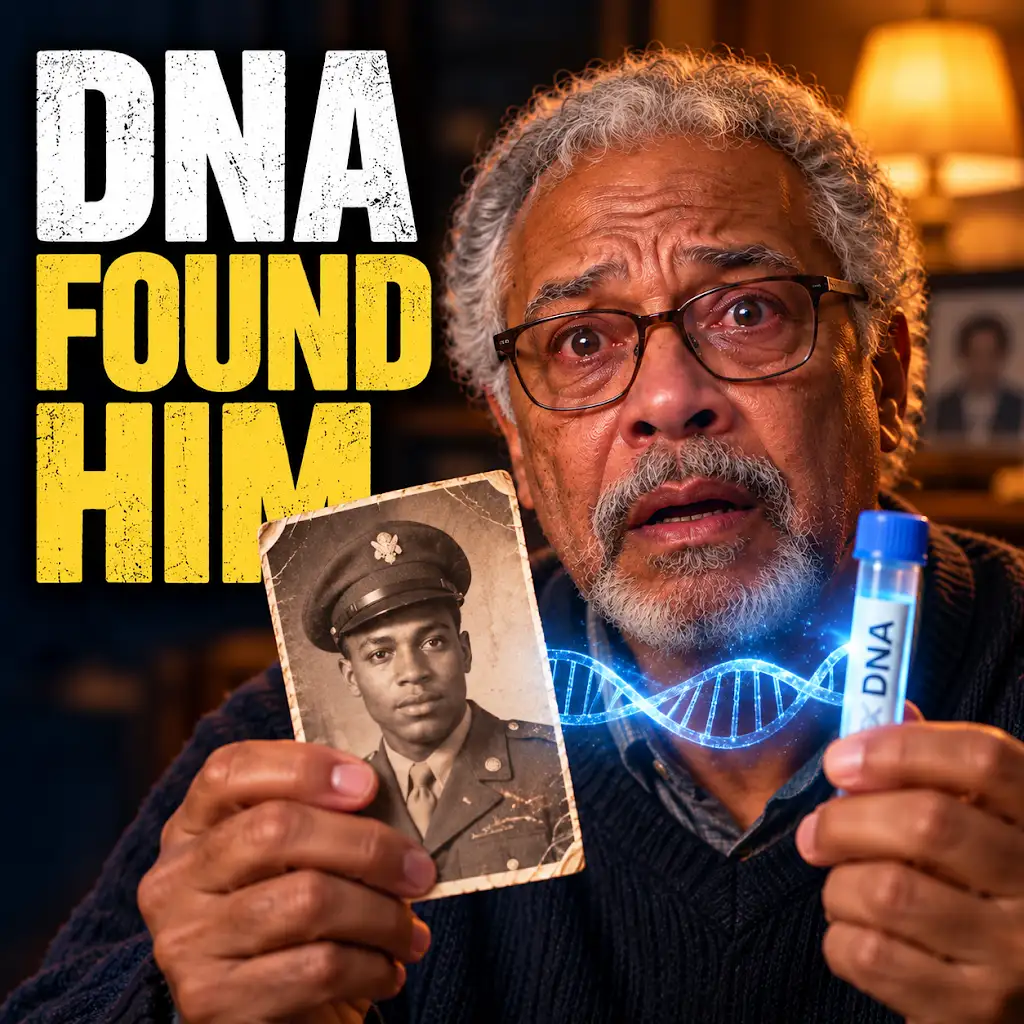
His WWII GI Father Was a Mystery for Nearly 80 Years
FAQs
What is a DNA search for missing relatives?
A DNA search for missing relatives involves using genetic testing to identify potential family members who may be unknown or missing.
How does a DNA search for missing relatives work?
Individuals can submit their DNA samples to companies that offer genetic testing services. The DNA results are then compared to databases of other individuals who have also submitted their DNA samples to identify potential relatives.
What are the benefits of using DNA for searching for missing relatives?
DNA testing can provide more accurate and reliable results compared to traditional methods of searching for missing relatives. It can also help individuals connect with biological family members they may not have known about.
Are there any privacy concerns with DNA searches for missing relatives?
There are privacy concerns associated with DNA testing, as individuals may uncover unexpected information about their biological family or heritage. It is important to carefully consider the potential implications before undergoing genetic testing.
What are some popular companies that offer DNA testing for searching for missing relatives?
Popular companies that offer DNA testing services for searching for missing relatives include AncestryDNA, 23andMe, and MyHeritage DNA.