
The digital age has brought about a revolution in how individuals explore their heritage, and for many, the journey begins with a simple saliva sample. DNA testing, once a niche scientific tool, has blossomed into a mainstream phenomenon, offering an unprecedented window into personal lineage. Among the most compelling and often emotionally charged discoveries are those related to paternal roots. Uncovering the paternal line, tracing the unbroken chain of fathers to sons, can be a profound experience, revealing forgotten branches of the family tree, shedding light on ancestral migrations, and sometimes, even rewriting personal narratives. This exploration is not merely an academic pursuit; it is an deeply human endeavor, a quest to understand where one comes from and, by extension, who one is.
The Science Behind the Search
At its core, paternal root discovery through DNA testing relies on understanding the unique patterns of genetic inheritance passed down through the male line. This is primarily achieved through Y-chromosome DNA (Y-DNA) testing. The Y-chromosome is unique to biological males and is passed down virtually unchanged from father to son, with only rare mutations accumulating over vast stretches of time. This characteristic makes it an invaluable marker for tracing paternal ancestry.
Understanding Y-Chromosome DNA
The Y-chromosome is one of the two sex chromosomes (the other being the X-chromosome). Females have two X chromosomes (XX), while males have one X and one Y chromosome (XY). The Y-chromosome is exclusively inherited from the father. Therefore, only biological males can directly test their Y-DNA to trace their direct paternal line. This means that while a woman can learn about her father’s paternal line through her father, brother, or paternal uncle, she cannot directly test her own Y-DNA for this purpose. The Y-chromosome contains specific regions, known as Short Tandem Repeats (STRs) and Single Nucleotide Polymorphisms (SNPs), which are analyzed by testing companies. STRs are short sequences of DNA that are repeated a certain number of times, and the number of repeats can vary between individuals. SNPs are single point mutations in the DNA sequence that occur less frequently than STR mutations. By comparing the number of STR repeats at specific genetic markers, or by identifying specific SNP mutations, geneticists can determine a person’s Y-haplogroup.
Haplogroups: Navigating the Ancient Family Tree
Haplogroups are large groups of people who share a common ancestor based on specific Y-DNA mutations. They represent deep ancestral origins, tracing back tens of thousands, and sometimes hundreds of thousands, of years. These ancient lineages are often associated with specific geographical regions and migration patterns of early humans. For example, haplogroup R1b is very common in Western Europe, indicating a significant migration of people from the East into Europe millennia ago. Similarly, haplogroup O is prevalent in East Asia. Identifying one’s Y-haplogroup provides a broad understanding of their ancient paternal ancestry, offering clues about the geographical origins of their male ancestors. This is often the first level of discovery and can be incredibly exciting for individuals seeking to connect with their ancient past.
If you’re interested in exploring how DNA testing can help uncover paternal family connections, you might find the article on this topic particularly enlightening. It delves into the various methods and technologies available for tracing paternal lineage through genetic analysis. For more information, you can read the article here: Finding Paternal Family Through DNA.
Embarking on the Testing Journey

The process of discovering paternal roots through DNA testing is relatively straightforward, beginning with the selection of a reputable testing company and the collection of a DNA sample. The journey, however, can lead to unexpected revelations, requiring patience and a willingness to interpret complex genetic data.
Choosing the Right Testing Service
Several well-established DNA testing companies offer Y-DNA testing services. These companies differ in their methodologies, the number of markers they test, their pricing, and the features of their databases and matching algorithms. Some focus heavily on genealogical matching, allowing users to connect with other individuals who share similar Y-DNA profiles, thereby identifying potential relatives. Others emphasize anthropological and ancestral origins, providing detailed breakdowns of haplogroup origins and population genetics. It is crucial for individuals to research these companies thoroughly, considering their specific goals. For instance, if the primary aim is to find living paternal relatives, a company with a large and active user base and robust matching capabilities would be ideal. If the interest lies more in understanding deep ancestral migrations, a company that provides extensive haplogroup analysis and historical context would be more suitable. Some companies offer tiered testing, starting with a basic STR test and allowing upgrades to more comprehensive SNP tests for deeper ancestral insights.
The Sample Collection and Analysis Process
The process of collecting a DNA sample is typically non-invasive and can be done at home. The most common method involves swabbing the inside of the cheek to collect cells, which are then placed in a sterile collection tube. This sample is then mailed to the testing laboratory. Once received, the DNA is extracted from the cells, and specific regions of the Y-chromosome are amplified and analyzed. The results of this analysis, which typically take several weeks, are then uploaded to the user’s online account. This account usually provides detailed information about the individual’s Y-haplogroup, their STR marker values, and potential matches within the company’s database. The interpretation of these results is where the true journey of discovery begins, often requiring further research and analysis.
Unveiling Paternal Relatives

The most immediate and often most exciting aspect of Y-DNA testing is the potential to connect with living relatives. By comparing an individual’s Y-DNA profile with others in a company’s database, it is possible to identify men who share a common paternal ancestor. This can be a life-changing experience, bridging gaps in family knowledge and forging new connections.
Interpreting Matching Results
When a Y-DNA test yields matches, it means that other individuals in the database have a Y-DNA profile that is similar enough to suggest a shared paternal lineage. The degree of similarity is usually expressed as a percentage of matching markers. A high percentage match (e.g., 25 out of 25 markers) indicates a very close paternal relationship, likely within a few generations. Lower percentage matches suggest a more distant common ancestor, potentially centuries or even millennia ago. Companies often provide tools to help users understand the estimated time to the most recent common ancestor (TMRCA) based on the marker differences. This information is crucial for evaluating the significance of a match and for initiating contact with potential relatives.
Navigating the Genealogy of Matches
Once matches are identified, the next step is to investigate the genealogical information of these individuals. Many DNA testing platforms allow users to share their family tree information, which can be invaluable for identifying the specific branch of the family tree that connects them. This often involves a collaborative effort, with individuals sharing documented family histories, photographs, and stories. Sometimes, a match might reveal a branch of the family that was previously unknown or poorly documented. This could be due to adoptions, family secrets, or simply the passage of time and the loss of genealogical records. The process of reconstructing the shared paternal lineage often involves genealogical research, using historical documents like census records, birth and death certificates, and immigration papers to trace the lines back from the shared ancestor.
Beyond Living Relatives: Deep Ancestry and Historical Narratives
While finding living relatives is a primary draw for many Y-DNA testers, the insights gained extend far beyond immediate connections. The analysis of Y-DNA can provide a fascinating glimpse into the deep ancestral past, illuminating migration patterns of early human populations and offering a tangible link to historical events.
Tracing Ancient Migrations
The distribution of Y-haplogroups across the globe is a testament to the epic journeys of our ancestors. By identifying one’s haplogroup, individuals can learn about the ancient homelands of their paternal lineage and the routes they took as they populated the Earth. For example, someone in Europe might discover they belong to haplogroup R1a, which is prevalent in Eastern Europe and parts of Central Asia, suggesting an ancestry linked to the spread of Indo-European languages. Conversely, someone in East Asia might belong to haplogroup O, indicating an origin in that region. These findings can be incredibly humbling and awe-inspiring, connecting individuals to the vast sweep of human history and the incredible resilience of their forebears. This understanding can also help contextualize cultural traditions and linguistic similarities observed in different parts of the world.
Reconstructing Historical Connections
Sometimes, Y-DNA testing can help reconstruct historical connections that have been lost to time or obscured by historical events. For instance, it can provide evidence for the paternal lineage of historical figures or shed light on the settlement patterns of ancient populations. In cases where historical records are scarce or incomplete, Y-DNA can act as a powerful genealogical tool, offering clues where traditional research methods fall short. This can be particularly impactful for individuals seeking to understand the origins of their surname, which often has a paternal lineage itself. It can also provide insights into the genetic makeup of specific regions during different historical periods.
Exploring your paternal lineage through DNA testing can lead to surprising discoveries and connections. Many individuals have successfully traced their family roots and uncovered long-lost relatives by utilizing genetic testing services. For those interested in learning more about the intricacies of this process, a related article can provide valuable insights and guidance. You can read more about these fascinating journeys in this article, which delves into the experiences of others who have embarked on similar quests to find their paternal family.
Challenges and Ethical Considerations
| Metric | Description | Typical Range/Value | Importance in Paternal Family Finding |
|---|---|---|---|
| Y-DNA Match Percentage | Percentage of shared Y-chromosome markers between two males | 0% – 100% | High; indicates direct paternal line relationship |
| Number of Shared STR Markers | Count of matching Short Tandem Repeat markers on Y-DNA | 0 – 111 (depending on test) | High; more shared markers suggest closer paternal relation |
| Haplogroup | Genetic population group based on Y-DNA mutations | Examples: R1b, I2a, E1b1a | Medium; helps identify deep ancestral paternal origins |
| Time to Most Recent Common Ancestor (TMRCA) | Estimated number of generations to shared paternal ancestor | 1 – 50+ generations | High; helps estimate how closely related two individuals are |
| Autosomal DNA Shared Centimorgans (cM) | Amount of shared DNA across all chromosomes | 0 – 3500 cM | Medium; supports paternal link but less specific than Y-DNA |
| Number of Paternal Matches in Database | Count of individuals sharing paternal markers in DNA database | Varies by database size | High; more matches increase chance of identifying paternal relatives |
| Mutation Rate per Generation | Average number of mutations in Y-STR markers per generation | 0.002 – 0.01 per marker | Medium; affects accuracy of relationship estimates |
The power of DNA testing to uncover paternal roots is undeniable, but it is not without its challenges and ethical considerations. The interpretation of results can be complex, and the discoveries themselves can sometimes be emotionally difficult to process. Responsible engagement with this technology requires awareness of these potential pitfalls.
The Emotional Impact of Discoveries
Uncovering paternal roots can evoke a wide range of emotions. While finding long-lost relatives or confirming a cherished family legend can be joyous, the results can also be confronting. Discoveries of previously unknown ancestors, unexpected paternal relationships, or even evidence that contradicts established family narratives can be emotionally taxing. It is important for individuals to approach DNA testing with emotional preparedness, understanding that the results may not always align with pre-conceived notions. Support from family members, friends, or even genetic genealogy communities can be invaluable in navigating these emotional landscapes. Furthermore, the discovery of a paternal line that differs from one’s perceived ethnicity can lead to a re-evaluation of identity and belonging.
Data Privacy and Responsible Use
As with any technology that deals with personal genetic information, data privacy is a paramount concern. Reputable DNA testing companies have policies in place to protect user data, but it is essential for individuals to be aware of these policies and to understand how their genetic information is stored and used. Furthermore, the responsible use of DNA testing involves respecting the privacy of others. When initiating contact with potential relatives, it is crucial to do so with courtesy and consideration, recognizing that not everyone may be ready or willing to engage with their genetic discoveries. The ethical implications of sharing genetic information, especially in cases involving sensitive family history, should always be carefully considered. The potential for genetic data to be used in ways that individuals did not intend, or for purposes they find objectionable, necessitates a cautious and informed approach to DNA testing.
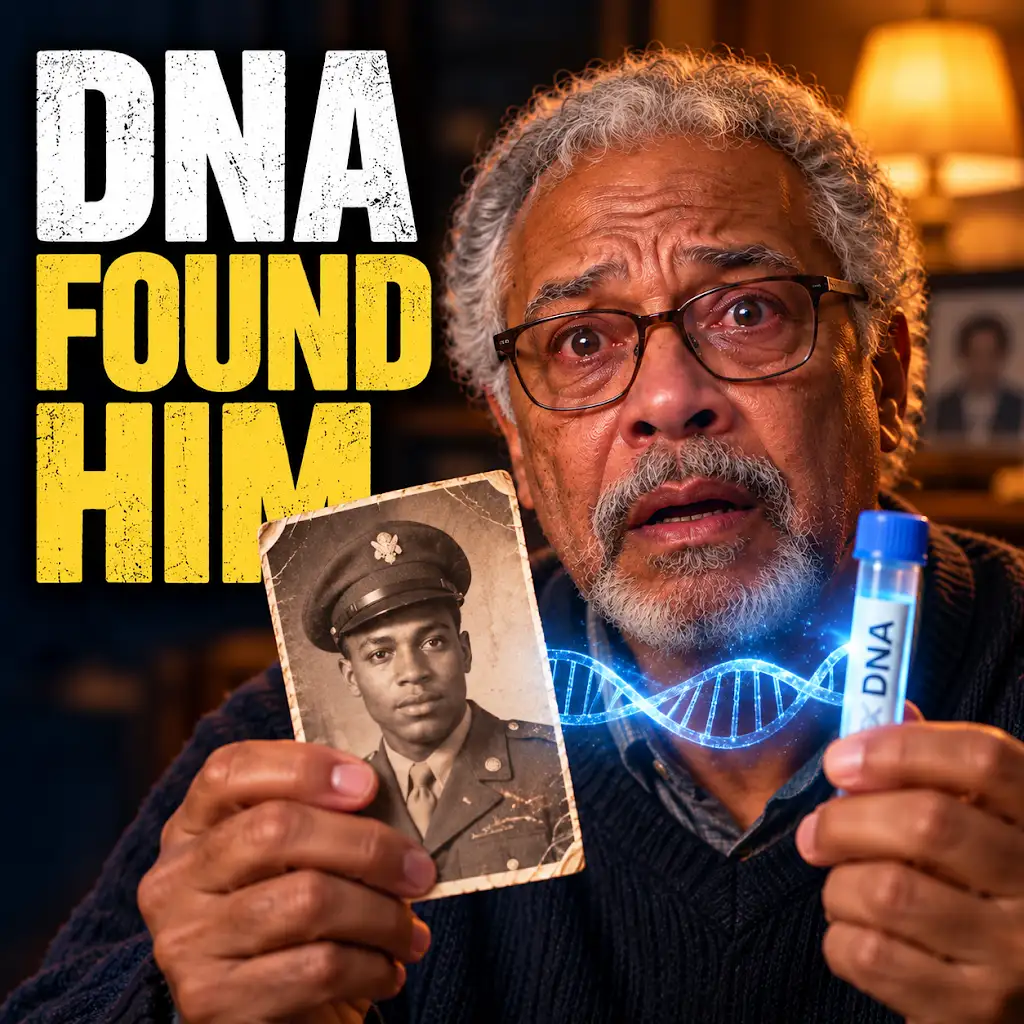
His WWII GI Father Was a Mystery for Nearly 80 Years
FAQs
1. How can DNA testing help in finding paternal family members?
DNA testing can provide individuals with information about their genetic ancestry, including potential matches with biological relatives who have also taken DNA tests. This can help in identifying and connecting with paternal family members.
2. What types of DNA tests are commonly used for finding paternal family members?
The most common types of DNA tests used for finding paternal family members are autosomal DNA tests, Y-DNA tests, and mitochondrial DNA tests. Autosomal DNA tests are the most popular choice as they can provide information about both paternal and maternal family connections.
3. How accurate are DNA tests in identifying paternal family members?
DNA tests are generally accurate in identifying paternal family members, especially when there are close genetic matches. However, the accuracy may vary depending on the testing company, the size of their database, and the quality of the matches found.
4. Can DNA testing reveal information about unknown paternal family members?
Yes, DNA testing can reveal information about unknown paternal family members by identifying genetic matches who share common ancestors. This can lead to the discovery of relatives such as biological fathers, siblings, cousins, and more.
5. Are there any privacy concerns associated with using DNA testing to find paternal family members?
There are privacy concerns associated with using DNA testing to find paternal family members, as individuals may uncover unexpected or sensitive information about their biological origins. It is important to consider the potential implications and risks before proceeding with DNA testing for genealogical purposes.