The advent of direct-to-consumer DNA testing has revolutionized the way individuals approach their ancestry. Once a pursuit confined to dusty archives and laborious genealogical research, uncovering one’s family history has become accessible, often surprisingly so, through a simple saliva sample. This has led to an explosion of interest in discovering long-lost relatives, forging connections across continents and generations, and piecing together fragmented family narratives. The technology, while seemingly straightforward, opens up a complex world of genetic genealogy, ethical considerations, and profound personal discoveries.
The Science Behind the Connection: How DNA Unlocks Family Secrets
The foundation of modern DNA testing for ancestry lies in the analysis of specific regions of an individual’s DNA. These companies primarily focus on autosomal DNA, which is inherited from both parents and makes up the vast majority of our genome. By analyzing hundreds of thousands of single nucleotide polymorphisms (SNPs) – variations in a single DNA building block – these tests can compare an individual’s genetic code to reference databases. These databases are built from the DNA of individuals with known ancestral origins, allowing the testing companies to estimate the proportion of DNA an individual shares with various ethnic groups and geographic regions.
Autosomal DNA: The Ancestral Blueprint
Autosomal DNA testing is the most common type offered by major companies like AncestryDNA, 23andMe, and MyHeritage. It examines DNA from all 23 pairs of chromosomes. Because each parent contributes half of their autosomal DNA to their offspring, this type of testing provides information about ancestors from all branches of one’s family tree, stretching back approximately six to eight generations. The ethnicity estimates provided by these tests are essentially statistical probabilities based on the comparison of an individual’s DNA with the DNA of individuals in their extensive reference panels, who have self-identified or been documented as belonging to specific populations.
Mitochondrial DNA: Tracing the Maternal Lineage
Mitochondrial DNA (mtDNA) is unique in that it is passed down exclusively from mother to child. This makes it an invaluable tool for tracing an individual’s maternal lineage. Unlike autosomal DNA, which shuffles and recombines with each generation, mtDNA remains largely unchanged over vast periods, allowing for the tracing of very ancient maternal ancestral lines. While it doesn’t provide detailed information about recent generations or diverse branches of the family tree, it can connect individuals to very distant maternal ancestors and identify deep ancestral migrations.
Y-Chromosome DNA: Following the Paternal Path
Y-chromosome DNA (Y-DNA) is passed down from father to son. Therefore, only biological males can take a Y-DNA test. This type of testing is crucial for tracing an individual’s paternal lineage. Similar to mtDNA, Y-DNA is relatively stable over long periods, enabling the identification of ancient paternal ancestral origins and migrations. When combined with autosomal and mtDNA results, Y-DNA can offer a comprehensive, albeit segmented, view of an individual’s ancestral journey.
If you’re interested in the fascinating world of using DNA to find lost relatives, you might want to check out a related article on this topic. It explores various methods and technologies that have emerged in recent years, making it easier for individuals to connect with their biological families. For more insights, you can read the article here: Finding Lost Relatives Through DNA.
Unveiling the Unexpected: Finding Family Through Genetic Matches
Perhaps the most compelling aspect of DNA testing is its ability to identify genetic matches – individuals who share a significant amount of DNA with the tester. These matches are not simply random strangers; they are individuals who are likely related, whether closely or distantly. The algorithms employed by DNA testing companies calculate the percentage of shared DNA, which can then be used to estimate the degree of relatedness, such as sibling, first cousin, second cousin, or more distant connections.
Navigating the Match List: From Close Kin to Distant Cousins
Upon receiving DNA results, users are presented with a list of genetic matches. The proximity of these matches is determined by the amount of shared DNA. A high percentage of shared DNA, typically above 20%, suggests a close relationship like a sibling or a first cousin. As the percentage decreases, the estimated relationship becomes more distant – second cousins, third cousins, and so on. It is important to note that these are estimations, and a degree of uncertainty always exists, especially for more distant relationships.
The Power of Shared Matches and Pedigree Collapse
A crucial element in deciphering these relationships is the concept of shared matches. If tester A matches tester B, and both tester A and tester C match each other, and tester B and tester C also match each other, this strongly suggests a common ancestor between testers B and C, and that tester A is a sibling or half-sibling to one of them. This triangulation of data is vital for confirming relationships. Pedigree collapse, a phenomenon where ancestors appear multiple times in a family tree due to intermarriage among cousins, can sometimes lead to individuals sharing more DNA than expected with more distant relatives.
Reconnecting Across Continents: Bridging Geographical Divides
One of the most profound outcomes of DNA testing is the ability to reconnect with family members who have been separated by geographical distance, time, or circumstance. Stories abound of individuals discovering siblings they never knew existed, finding parents who were given up for adoption, or connecting with cousins in foreign countries they never imagined having. These discoveries can be emotionally charged, leading to the formation of new family bonds and the enrichment of one’s understanding of their heritage.
Beyond the Ethnicity Estimate: Building Family Trees and Solving Mysteries

While the ethnicity estimate is often the initial draw for many users, the true power of DNA testing for genealogy lies in its ability to facilitate the construction of family trees and the resolution of genealogical mysteries. By combining DNA matches with traditional genealogical research methods, individuals can create a comprehensive and accurate picture of their ancestral past.
Merging DNA with Traditional Genealogy: A Powerful Combination
DNA testing is not a replacement for traditional genealogical research; rather, it is a powerful complementary tool. Once a genetic match is identified, the next step often involves cross-referencing this match with existing family trees or conducting further research to pinpoint the common ancestor. This can involve searching census records, birth certificates, marriage licenses, obituaries, and other historical documents. The DNA match provides a genetic roadmap, guiding researchers towards specific branches of the family tree that may have been previously unknown or difficult to trace.
The Thrill of the Genealogical Hunt: Uncovering Hidden Branches
The process of building a family tree with DNA evidence can be an exhilarating journey. Unexpected matches can reveal entire branches of a family tree that were previously unknown or forgotten. Perhaps an ancestor had children from a previous marriage that were not widely known, or a branch of the family emigrated to a different country and lost contact. DNA can often provide the missing pieces of the puzzle, illuminating these hidden branches and adding depth and complexity to one’s ancestral narrative.
Solving Adoption Mysteries and Orphan Train Connections
For individuals who were adopted, DNA testing can be a lifeline to their biological families. Many adoptees have successfully used DNA to identify birth parents, siblings, and other biological relatives, providing them with answers and a sense of identity they may have long sought. Similarly, DNA has been instrumental in connecting descendants of individuals who were part of historical events like the Orphan Trains, helping to bridge the gaps created by immense societal shifts and displacements.
Ethical Considerations and Responsible Discovery
The ability to discover intimate details about one’s genetic heritage and connect with previously unknown relatives also raises important ethical considerations. It is crucial for individuals to approach DNA testing and the subsequent discoveries with sensitivity, respect, and a clear understanding of the potential implications.
The Privacy Landscape: Data Security and User Control
One of the primary ethical concerns surrounding DNA testing is data privacy. Users are entrusting highly personal genetic information to these companies. It is essential for individuals to thoroughly research the privacy policies of the companies they choose and to understand how their data is stored, used, and protected. Questions regarding data sharing with third parties, law enforcement requests, and the potential for de-identification of data are all critical considerations.
Informed Consent and Unexpected Revelations
The concept of informed consent is paramount. While individuals consent to testing themselves, their genetic information can also reveal unexpected information about their close relatives who have not tested. Discovering that a parent has a different biological father than previously believed, or that a sibling shares different parents, can have profound and potentially distressing consequences for the entire family. Open communication and a thoughtful approach are vital when sharing or discussing DNA results.
Navigating Difficult Discoveries: Dealing with Truth and Emotion
Not all DNA discoveries are joyous. Some individuals may uncover challenging truths about their ancestry, such as a history of infidelity, unknown criminal activity in the family line, or the discovery of previously unknown health predispositions. It is important to be prepared for the emotional complexities that can arise from these discoveries and to approach them with self-compassion and, if necessary, professional support. The journey of self-discovery through DNA is not always linear or easy, but it can ultimately lead to a more complete understanding of oneself and one’s place in the world.
Many people are turning to DNA testing as a way to uncover their family history and locate lost relatives. A fascinating article explores the various methods and technologies available for this purpose, shedding light on how genetic connections can lead to reunions and new discoveries. If you’re interested in learning more about this topic, you can read the full article here: explore the possibilities of finding lost relatives through DNA.
The Future of Genetic Genealogy: Advancements and Possibilities
| Metric | Description | Typical Value/Range | Notes |
|---|---|---|---|
| DNA Match Percentage | Percentage of shared DNA between two individuals | 0.1% – 50% | Higher percentages indicate closer relationships |
| Centimorgans (cM) Shared | Amount of shared DNA measured in centimorgans | 10 cM – 3400 cM | Ranges from distant cousins (~10 cM) to parent/child (~3400 cM) |
| Number of Matches Found | Count of potential relatives identified in DNA database | 10 – 1000+ | Depends on database size and user’s ethnic background |
| Database Size | Number of DNA profiles in a testing company’s database | 1 million – 30 million+ | Larger databases increase chances of finding relatives |
| Time to Identify Relative | Average time taken to confirm a lost relative through DNA | Weeks to months | Depends on complexity of family tree and data availability |
| Success Rate | Percentage of cases where lost relatives are successfully identified | 30% – 70% | Varies by database, region, and quality of submitted data |
| Ethnicity Estimation Accuracy | Accuracy of predicted ethnic background from DNA | 70% – 90% | Helps narrow down geographic origins of relatives |
The field of genetic genealogy is constantly evolving, with new technologies and research continually expanding the possibilities for discovering family connections. As our understanding of the genome deepens and analytical tools become more sophisticated, the ability to trace our ancestral lines will only become more precise and comprehensive.
Expanding Databases and Improved Matching Algorithms
The accuracy and scope of DNA testing are directly tied to the size and diversity of the reference databases. As more individuals participate in DNA testing, these databases grow, leading to more refined ethnicity estimates and more accurate identification of relationships. Furthermore, ongoing research into DNA recombination patterns and genealogical markers is leading to improvements in the algorithms used to estimate relatedness, allowing for greater precision in identifying even very distant cousins.
Deeper Ancestral Insights and Historical Migrations
Future advancements are likely to provide even deeper insights into ancestral migrations and historical population movements. By analyzing specific genetic markers associated with ancient DNA, researchers can shed light on the journeys of our ancestors across continents and millennia. This can provide a broader historical context for individual family histories, connecting personal stories to larger human migratory patterns.
The Ethical Frontier: Genealogy and Forensics
The intersection of genetic genealogy and forensic science is an area of growing interest and ethical debate. DNA databases built for genealogical purposes are increasingly being used by law enforcement to identify suspects in criminal investigations. While this can lead to the resolution of cold cases and the delivery of justice, it also raises significant questions about privacy, consent, and the potential for misuse of genetic information. Navigating this ethical frontier will be crucial as genetic genealogy continues to mature as a field. The ability to uncover lost relatives through DNA testing is a testament to human curiosity and the enduring desire to understand our origins. It is a journey that, while often straightforward in its initial steps, can lead to a lifetime of discovery, connection, and a profound appreciation for the intricate tapestry of family history.
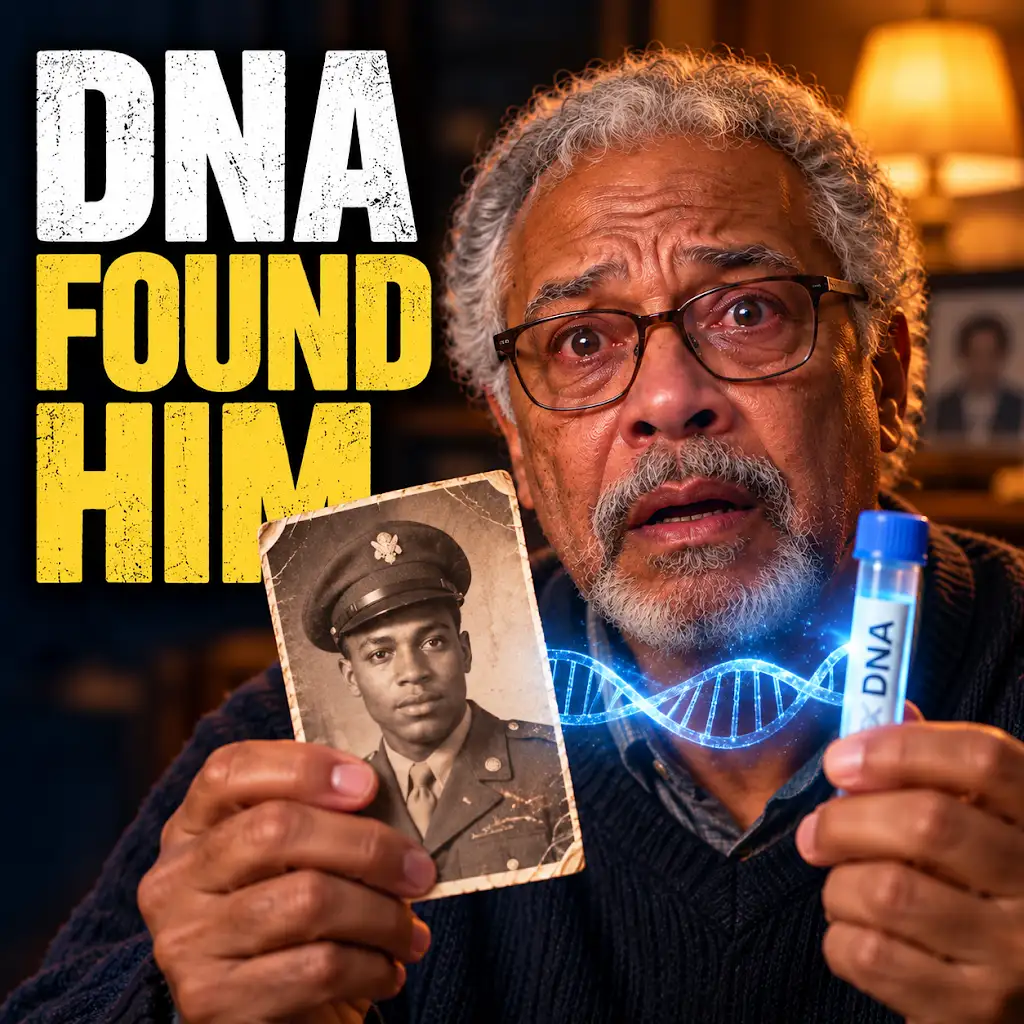
His WWII GI Father Was a Mystery for Nearly 80 Years
FAQs
1. How can DNA help in finding lost relatives?
DNA testing can provide valuable information about a person’s genetic ancestry, which can be used to identify potential relatives through shared genetic markers.
2. What types of DNA tests are commonly used for finding lost relatives?
The most common types of DNA tests used for finding lost relatives are autosomal DNA tests, Y-DNA tests, and mitochondrial DNA tests.
3. How accurate are DNA tests in identifying lost relatives?
DNA tests are generally considered to be highly accurate in identifying close relatives, such as siblings, parents, and grandparents. The accuracy may decrease when identifying more distant relatives.
4. Can DNA testing help in finding relatives who were adopted or separated at birth?
Yes, DNA testing can be particularly helpful in reuniting relatives who were adopted or separated at birth by identifying genetic matches and potential family connections.
5. Are there any privacy concerns associated with using DNA testing to find lost relatives?
There are privacy concerns related to DNA testing, as the results can reveal sensitive information about a person’s genetic makeup and family history. It is important to carefully consider the implications of sharing DNA data with testing companies and potential relatives.