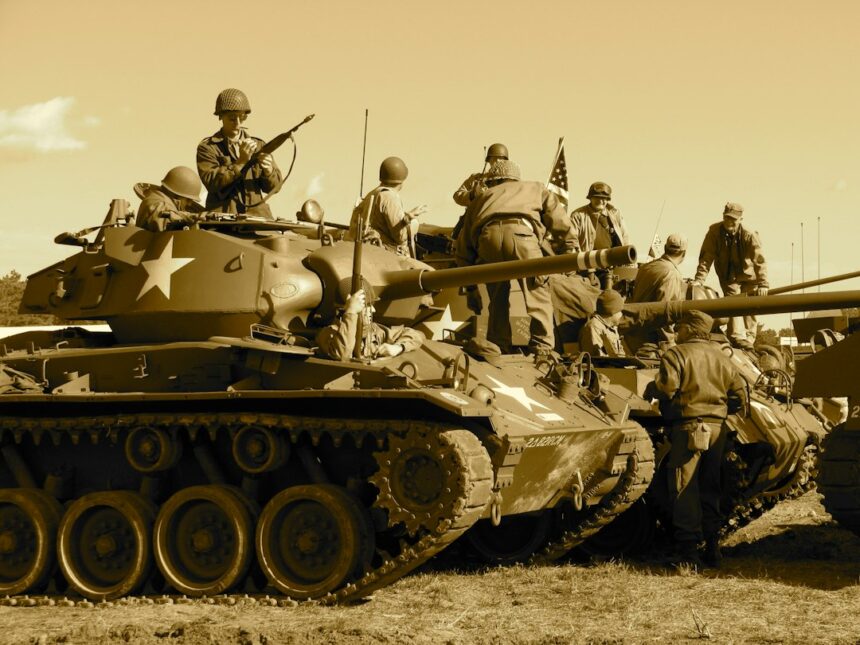
The Shadow of Segregation: Black Soldiers in Wartime Britain
The arrival of American troops in Britain during World War II was a pivotal moment for the island nation. Millions of GIs descended upon British shores, bringing with them their uniforms, their accents, and, crucially, their deeply ingrained system of racial segregation. While the official narrative often emphasized Allied unity against a common enemy, the reality on the ground was far more complex. The United States Military, grappling with its own internal prejudices, imported its discriminatory practices to British soil, creating a unique and often painful experience for African American soldiers and profoundly impacting Anglo-American relations during the war. This article will explore the multifaceted nature of this segregation, examining its implementation, the experiences of Black soldiers, the reactions and adaptations of the British populace, and the lingering consequences of this enforced division.
During World War II, the segregation of the U.S. military in Britain had profound implications for both American soldiers and their British hosts. For a deeper understanding of this topic, you can explore the article that discusses the complexities of race relations during this period and how they influenced interactions between American troops and local communities. To read more about this significant aspect of history, visit this article.
The Blueprint of Discrimination: US Military Policy in Practice
The United States military’s commitment to segregation was not an informal arrangement but a codified policy, deeply embedded in its organizational structure. Upon entering Britain in 1942, the American Expeditionary Force (AEF) brought with them a blueprint for racial division that mirrored the Jim Crow laws of the American South. This segregation manifested in virtually every aspect of military life, from living quarters and dining facilities to recreational activities and even battlefield assignments. The rationale, presented by military leaders, was often cloaked in terms of maintaining order and preventing racial friction, a notion that belied the systemic injustice it perpetuated.
Barracks and Billeting: Separate but Unequal
The most visible and immediate form of segregation was evident in the living arrangements for American soldiers. Barracks were meticulously divided along racial lines. African American troops were housed in separate compounds, often located further from amenities or in less desirable areas. This physical separation was not merely about sleeping quarters; it extended to latrines, showers, and common areas. The intention was clear: to keep Black and white soldiers apart, reinforcing the notion of Black inferiority and preventing the formation of interracial friendships or camaraderie. British towns and villages, unaccustomed to such overt racial divisions within a visiting allied force, often found this policy jarring. While some local authorities were complicit, either through pressure or indifference, others quietly expressed their bewilderment and disapproval. The architectural separation served as a constant, physical reminder of the social hierarchy the American military sought to impose.
Mess Halls and Recreation: A Divided Social Landscape
The segregation extended beyond the barracks into the daily life of soldiers. Mess halls were strictly divided, with separate serving lines and seating areas for Black and white personnel. This meant that African American soldiers often faced longer queues, inferior food options, or were relegated to less desirable sections of the dining hall. Similarly, recreational facilities, including cinemas, clubs, and sports grounds, were subject to strict segregation. The American Red Cross, tasked with providing comfort and entertainment, also operated under these discriminatory guidelines, offering separate clubs or limiting access for Black soldiers. This enforced social isolation hindered the development of genuine relationships between soldiers of different races and contributed to a sense of alienation and resentment among Black servicemen. The impact of this on morale and fighting effectiveness, though perhaps not the explicit intent, was undeniable.
From Civilian to Soldier: The Imposition of Jim Crow
For Black Americans, who had already endured decades of systemic racism in their homeland, the arrival in Britain presented a complex dilemma. They were fighting for democracy and freedom abroad, yet were subjected to the same discriminatory practices they had sought to escape. The American military leadership, in its efforts to maintain order, often viewed Black soldiers as a potential source of trouble, and segregation was seen as a preventative measure. This perception led to heightened scrutiny and a more punitive approach towards African American servicemen, with Black soldiers being disproportionately subjected to court-martial proceedings for minor infractions. The inherent contradiction of fighting for liberation while being systematically oppressed within the very ranks of the liberating force was a source of profound frustration and disillusionment.
British Encounters: A Spectrum of Reactions to American Segregation
The arrival of millions of American servicemen in Britain brought with it a clash of cultures and social norms. While the British public generally welcomed their allies, the visible implementation of American racial segregation by the US military proved to be a deeply divisive issue, eliciting a range of reactions from confusion and disapproval to passive acceptance and even, in some instances, active support of the discriminatory policies. The British had their own history of class divisions and social stratification, but the American emphasis on race as a determinant of social interaction was a novel and often disturbing phenomenon.
Bewilderment and Disapproval: The British Perspective
For many Britons, particularly those in areas where US bases were established, the sight of separate facilities and the overt racial distinctions made by American soldiers were deeply unsettling. Britain, though not without its own racial prejudices, did not possess the deeply entrenched, legally enforced system of segregation that characterized the American South. Consequently, many Britons viewed the American practices as barbaric and unnecessary. They witnessed white American soldiers refusing to sit next to Black soldiers on public transport, or being denied entry to certain establishments, and found it incomprehensible. Anecdotal evidence suggests that many British citizens were more open to interracial interaction than the American military leadership assumed. They saw soldiers as individuals, regardless of their skin color, and found the enforced separation to be both illogical and unjust. This general disapproval, however, did not always translate into overt action, often remaining a quiet, but widespread, sentiment.
The “Don’t Mix” Policy and Its Critics
The American military command actively disseminated the “Don’t Mix” policy, urging both American and British civilians to adhere to racial segregation. This policy aimed to prevent the formation of social bonds between white American soldiers and British women, and between Black American soldiers and white British women, fearing it would lead to conflict and undermine the war effort. While some segments of the British press and public passively accepted this directive, a vocal minority, including women who formed relationships with Black soldiers and individuals who believed in racial equality, actively challenged it. These individuals often risked social ostracism or even official reprimand to support their Black allies, highlighting a growing awareness and, for some, a commitment to challenging racial prejudice.
Complicity and Conformity: Navigating a Difficult Landscape
Despite widespread disapproval, not all Britons actively resisted American segregationist policies. Economic necessity, a desire to avoid conflict with the occupying forces, and ingrained societal prejudices meant that many individuals and communities passively conformed to the directives of the US military. British businesses, eager for American custom, often implemented their own segregationist practices to appease the visiting troops. This complicity, while understandable in the context of wartime pressures, inadvertently reinforced the discriminatory structures imposed by the Americans. Furthermore, some Britons, influenced by existing racial stereotypes or the perceived authority of the American military, internalized these prejudices. This created a complex social tapestry where open defiance existed alongside quiet acceptance and even, in some cases, internalized bias.
The African American Soldier’s Experience: Resilience and Resistance
For the hundreds of thousands of African American soldiers stationed in Britain, the experience of segregation was a profound and often demoralizing aspect of their wartime service. While they had enlisted to fight for democracy, they found themselves confronting the familiar specter of racial discrimination in a foreign land. Their resilience, however, was remarkable, manifested in various forms of resistance, camaraderie, and the forging of new identities and relationships.
The Double Burden: Fighting the Enemy and Prejudice
African American soldiers carried a double burden. They were expected to perform their military duties with the same valor and dedication as their white counterparts, yet they were simultaneously subjected to the indignity of segregation and, often, overt hostility. Reports from the era detail instances of white American soldiers physically assaulting Black soldiers, vandalizing their quarters, and engaging in racial slurs. The American military police, often themselves segregated, were frequently accused of siding with white soldiers in disputes, further exacerbating the sense of injustice. Despite these challenges, Black soldiers distinguished themselves on the battlefield, proving their loyalty and combat prowess in units like the 761st Tank Battalion, known as the “Black Panthers,” and the Tuskegee Airmen, who shattered racial barriers in the skies.
Forging Bonds: Camaraderie and Community
In the face of systemic discrimination, African American soldiers found solace and strength in the bonds they forged with each other. They created their own social networks, clubs, and recreational activities, fostering a sense of community and mutual support. These informal spaces allowed them to share their experiences, offer encouragement, and maintain their morale in the face of adversity. The shared understanding of their struggle created a powerful sense of solidarity that transcended the divisions imposed by the military. They created their own entertainment, their own traditions, and their own sense of belonging within the larger, often hostile, American military apparatus.
Interracial Connections: Defying the “Don’t Mix” Policy
Despite the official “Don’t Mix” policy and the inherent risks, many African American soldiers formed genuine friendships and romantic relationships with British civilians, particularly with British women. These interracial connections were a direct challenge to the segregationist ideology of the US military. While these relationships were often met with disapproval from some segments of the British population and faced official obstruction, they represented a powerful act of defiance and a testament to the human desire for connection that transcended racial boundaries. The bravery of these individuals, both Black soldiers and their British partners, in defying the established order was a significant aspect of the wartime social landscape.
During World War II, the presence of segregated U.S. military units in Britain highlighted the complexities of race relations during a time of global conflict. The experiences of African American soldiers, who often faced discrimination both at home and abroad, are explored in detail in a related article that delves into their struggles and contributions. For more insights on this topic, you can read the article here, which provides a comprehensive overview of the challenges these soldiers faced while serving in a foreign land.
The Legacy of Division: Lasting Impacts on Anglo-American Relations and Beyond
| Metric | Details |
|---|---|
| Time Period | 1942-1945 |
| Location | United Kingdom (primarily England and Scotland) |
| Number of African American Troops Stationed | Approximately 500,000 served in the European Theater, with tens of thousands stationed in Britain |
| Segregation Policy | Strict racial segregation in military units, facilities, and housing |
| Types of Units | Primarily support roles such as labor battalions, supply, maintenance, and service units; limited combat roles |
| Interaction with British Civilians | Mixed; some British communities were more accepting, leading to social tensions and cultural exchanges |
| Notable Units | 92nd Infantry Division (Buffalo Soldiers), 761st Tank Battalion (Tuskegee Tanks) |
| Impact on Civil Rights | Experiences in Britain contributed to increased awareness and momentum for desegregation post-WWII |
| Desegregation Timeline | U.S. military officially desegregated in 1948 by Executive Order 9981 |
The segregation enforced by the US military in Britain during World War II left an indelible mark, not only on the lives of the individuals directly affected but also on the broader landscape of Anglo-American relations and the ongoing struggle for civil rights. The experiences of Black soldiers in Britain, and the responses of the British populace, offered a stark contrast to the prevailing American narrative and contributed to a more nuanced understanding of race and prejudice on both sides of the Atlantic.
A Stain on the Alliance: Recriminations and Reflections
The segregationist policies of the American military generated considerable friction and resentment, not only among Black soldiers but also within the British government and public. While the immediate need to maintain Allied unity often led to the suppression of these complaints, the underlying issues festered. Post-war reflections and historical accounts have shed light on the detrimental impact of this segregation on the morale of Black troops and the overall effectiveness of the Allied effort. The inherent contradiction of fighting for freedom and democracy while perpetrating racial oppression did not go unnoticed and served as a point of criticism for those who championed civil rights.
The Seeds of Change: Challenging Racial Norms
The presence of a large and visible African American population in Britain, and their experiences of both discrimination and acceptance, subtly began to challenge pre-existing racial norms in the UK. While Britain was not free of its own racial prejudices, the overt and systematic segregation practiced by the Americans provided a tangible example of discriminatory policies that many Britons found objectionable. For those Black soldiers who formed relationships and chose to remain in Britain, or who returned with a heightened awareness of racial injustice, their experiences contributed to the nascent post-war civil rights movements in both countries. The stories of their struggles and their resilience provided a powerful counter-narrative to the prevailing racist ideologies of the time.
A Historical Mirror: The Ongoing Fight for Equality
The legacy of segregated US military bases in Britain serves as a potent reminder of the pervasive nature of racial prejudice and the complexities of enacting social change. The experiences of Black soldiers in Britain highlight the hypocrisy of fighting for liberty abroad while denying it to citizens at home. It underscores the importance of examining historical narratives critically and recognizing the voices of those who have been marginalized. The ongoing struggle for racial equality, both in the United States and globally, continues to draw lessons from these historical instances of segregation and the courageous acts of resistance that defied them, demonstrating that the fight for justice is a continuous and evolving endeavor.
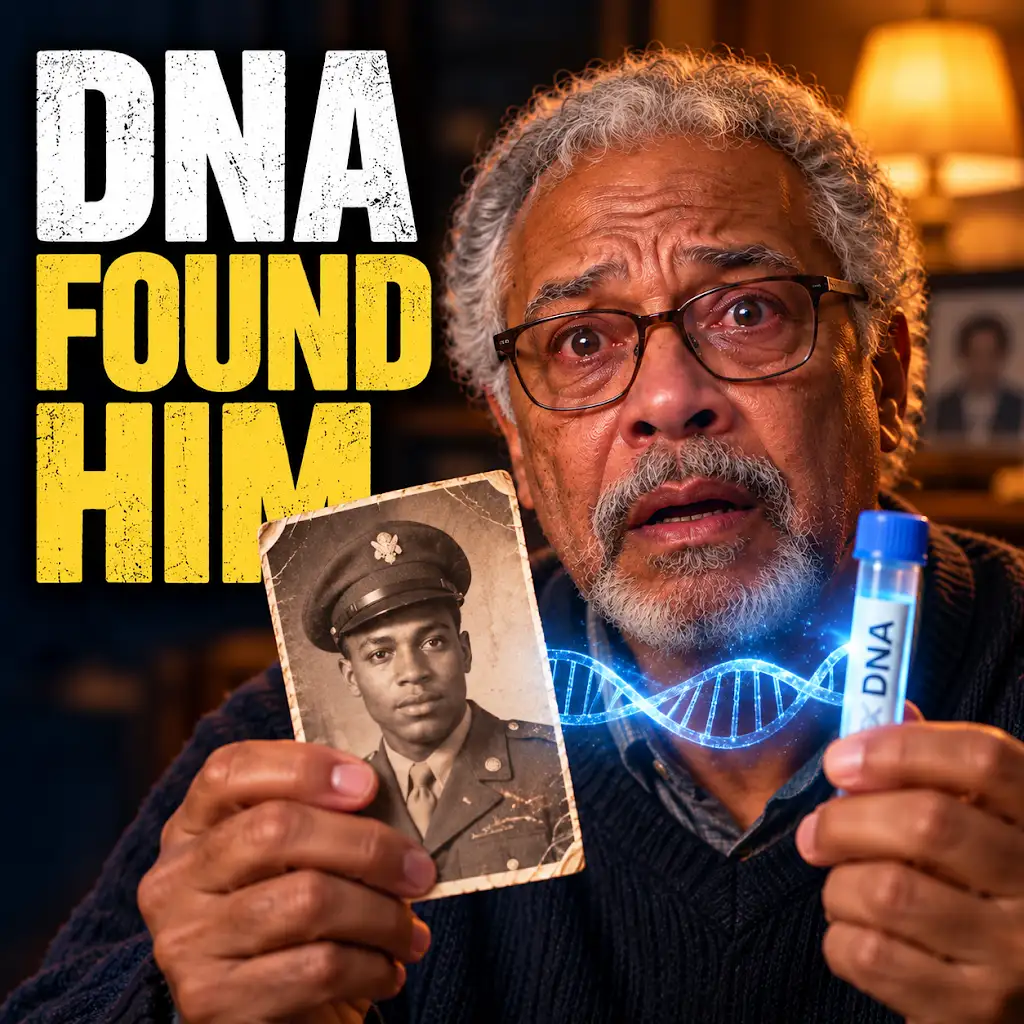
His WWII GI Father Was a Mystery for Nearly 80 Years
FAQs
What was the segregated US military in Britain during WWII?
The segregated US military in Britain during WWII refers to the racial segregation policies that were enforced within the American armed forces stationed in Britain during World War II.
Why was the US military segregated during WWII?
Segregation in the US military during WWII was a reflection of the racial segregation policies that existed in American society at the time. The military followed these discriminatory practices, with African American soldiers often being assigned to segregated units and facing unequal treatment.
How did segregation impact African American soldiers in the US military in Britain?
Segregation in the US military in Britain during WWII led to African American soldiers facing discrimination, limited opportunities for advancement, and unequal access to resources and facilities compared to their white counterparts. They were often relegated to support roles rather than combat positions.
Were there any efforts to challenge segregation in the US military during WWII?
Yes, there were efforts to challenge segregation in the US military during WWII. African American civil rights activists, as well as some military leaders, pushed for desegregation and equal treatment of all soldiers. These efforts eventually led to the desegregation of the US military in 1948.
How did the segregated US military in Britain during WWII impact the civil rights movement in the United States?
The experiences of African American soldiers in the segregated US military in Britain during WWII highlighted the injustices of racial segregation and discrimination, contributing to the momentum of the civil rights movement in the United States. The fight for equality and desegregation in the military played a significant role in shaping the broader struggle for civil rights in America.