The British landscape, etched by centuries of empire and migration, has always been a tapestry woven with diverse threads. Yet, within this rich historical fabric, the stories of individuals who navigated the complexities of mixed race identity, particularly during the crucible of wartime, remain largely underexplored. These were not merely bystanders; they were active participants, soldiers, workers, and citizens whose contributions often went unacknowledged, their very presence a subtle challenge to the prevailing social norms of the time. The history of wartime Britain is incomplete without recognizing these forgotten heroes, whose experiences illuminate the persistent realities of prejudice alongside moments of remarkable courage and resilience.
The Crucible of Conflict: Mixed Race Identity on the Home Front
The outbreak of war in 1939 did not erase the racial lines that had been drawn during peacetime. For individuals of mixed race in Britain, the conflict presented a unique set of challenges and opportunities. While some were integrated into the fabric of wartime society, others found themselves at the sharp end of discrimination, their loyalties questioned and their contributions overlooked. The wartime imperative for national unity, however, sometimes created unexpected openings, forcing a re-evaluation of who constituted “one of us.”
Faces of the Nation: Enlistment and Service
The call to arms echoed across Britain, and individuals of mixed race answered it with the same patriotic fervor as their white counterparts. From the early days of the Blitz to the final Allied offensives, they served in all branches of His Majesty’s Armed Forces. Their presence in uniform, however, was not always met with unqualified acceptance. While many served with distinction, their experiences were often colored by the prevailing racial attitudes of the time. Official records, where they exist, offer glimpses into the lives of these servicemen, but the anecdotal evidence, often passed down through families, speaks volumes about the everyday realities of prejudice.
The Royal Navy, with its long history of diverse crews, may have offered a comparatively more integrated environment for some. However, even here, racial slurs and segregation could be a harsh reality. The Army, with its more land-based and often more rigid social structures, sometimes presented greater challenges. Stories have emerged of servicemen being denied promotions, relegated to menial tasks, or subjected to demeaning treatment, all due to their ancestry. Yet, these same men often displayed unwavering loyalty and bravery. Their commitment to the war effort, in the face of such adversity, underscores their profound sense of duty and their desire to contribute to the Allied victory, regardless of the societal obstacles they faced. The existence of official photographs showing mixed-race soldiers serving alongside their white comrades, while perhaps intended to convey a sense of national unity, also serves as a visual testament to their undeniable presence and their shared sacrifices. These images, often found in local archives or family albums, represent a tangible link to a history that has too often been relegated to the margins.
Civilian Contributions: Labor and Loyalty
Beyond the battlefield, the war effort demanded the mobilization of Britain’s entire civilian population. Mixed-race individuals were integral to this undertaking, filling crucial roles in factories, on farms, and in essential services. Their labor was vital to the production of munitions, the sustenance of the nation, and the maintenance of daily life under the constant threat of bombing. Despite their essential work, they often faced discrimination in the workplace, including lower wages, poorer working conditions, and limited opportunities for advancement compared to their white colleagues. The narrative of national unity sometimes faltered when it came to ensuring equitable treatment for all citizens contributing to the war effort.
The wartime demand for labor did, however, lead to a significant influx of people from the Commonwealth, including those of African and Caribbean descent. While many had arrived before the war, the conflict intensified this migration as Britain sought to fill its depleted workforce. These newcomers, often facing immense prejudice and housing shortages, worked tirelessly in factories producing everything from aircraft to uniforms. Their presence, particularly in industrial centers, sometimes led to localized tensions and a heightened awareness of racial difference. Yet, their dedication to the war effort, despite facing overt discrimination and xenophobia, is a testament to their resilience and their commitment to the broader cause of defeating fascism. The contributions of women of mixed race in roles such as factory workers, nurses, and auxiliary services were also crucial, often balancing demanding work with the anxieties of wartime and the challenges of societal prejudice. Their stories, though often lost to time, represent a vital part of the wartime home front.
The complex narrative of mixed race history in wartime Britain is explored in depth in an insightful article that examines the experiences of individuals who navigated their identities during a time of conflict and societal change. This article sheds light on the challenges and triumphs faced by mixed-race families, highlighting their contributions to the war effort and the evolving perceptions of race in British society. For more information, you can read the full article here: Mixed Race History in Wartime Britain.
Echoes from Afar: Commonwealth Soldiers and Sailors
The British Empire, a vast and complex entity, brought soldiers and sailors from across the globe to fight on behalf of the Crown. Among these were individuals of mixed race, whose heritage often placed them at a unique intersection of cultures and loyalties. Their experiences of service in Britain were shaped by both the shared camaraderie of military life and the persistent realities of racial prejudice in a country that, while fighting for freedom abroad, often struggled to uphold it at home.
The Royal Navy’s Diverse Crews
The Royal Navy, with its historical reliance on sailors from various ports and colonies, was often seen as a more cosmopolitan service. Men of mixed race served aboard ships that patrolled the Atlantic, defended convoys, and participated in major naval engagements. While the inherent dangers of naval warfare were universal, their experiences could be further complicated by racial dynamics within the ship’s company. Despite potential discrimination, many found a sense of belonging and purpose within the disciplined environment of the navy, united by the shared threat of the U-boats and the common objective of victory.
The presence of individuals of mixed heritage in the Royal Navy was not a new phenomenon, but the scale of wartime operations meant a greater number served. These men, whether of African, Asian, or other non-European ancestry, often brought with them valuable maritime skills and a deep understanding of seafaring. Their contributions to the vital task of maintaining the sea lanes were immeasurable. However, accounts from the period suggest that while the navy might have been more open than other branches of the military, instances of racial prejudice were not absent. These could manifest in subtle ways, such as being overlooked for promotion, or more overtly, through verbal abuse or social ostracization by some white sailors. Nevertheless, the shared hardships and the intense pressure of wartime naval operations often fostered a sense of solidarity that transcended racial divides, forging bonds of mutual respect and reliance. The bravery displayed by all sailors, irrespective of their background, in the face of enemy fire and the unforgiving sea, is a powerful testament to their shared humanity and their dedication to the war effort.
Land Forces from Across the Empire
The Army, drawing manpower from every corner of the British Empire, saw a significant number of soldiers of mixed race serving in units from various colonies. These men fought on land, air, and sea, participating in campaigns across Europe, North Africa, and Asia. Their experiences were as varied as the theaters of war themselves. While they fought for the same cause as their white counterparts, they often returned to a Britain where racial discrimination remained a potent force, impacting their post-war integration and opportunities.
Units comprising soldiers from African colonies, such as the Royal West African Frontier Force, played crucial roles in various campaigns, often facing harsh conditions and significant danger. Soldiers of mixed race within these units, or those serving in other imperial formations, were an integral part of the Allied war machine. Their courage and tenacity were instrumental in securing victories, yet their contributions were often less visible in the popular narratives of the war. The social hierarchies that existed within the Empire often extended to the military, with soldiers from certain colonies or of specific mixed heritages facing different levels of acceptance and opportunity. Despite these challenges, the shared experience of combat, the discipline of military life, and the common enemy often forged strong bonds of camaraderie. The stories of these soldiers, often unearthed through diligent archival research or family testimonies, reveal a complex picture of service, sacrifice, and the enduring impact of colonial legacies on wartime Britain.
Prejudice and Patriotism: Navigating Social Tensions
The war, while ostensibly a fight against totalitarian ideologies that espoused racial supremacy, did little to eradicate deeply ingrained prejudices within Britain. Individuals of mixed race often found themselves caught between the demands of patriotic duty and the realities of social discrimination, their allegiances sometimes questioned and their very belonging in British society challenged.
Interracial Relationships and Wartime Restrictions
The presence of American servicemen in Britain during World War II, many of whom were Black, brought a new dimension to the social landscape. While some Britons embraced these interactions, others reacted with alarm and prejudice, leading to heightened tensions. For women of mixed race, forming relationships with Black American soldiers was often met with particular disapproval, and in some cases, with official interference or social ostracization. The wartime atmosphere, characterized by anxieties and a desire to maintain social order, sometimes exacerbated existing racial biases.
The arrival of hundreds of thousands of American GIs in Britain, a significant proportion of whom were Black, created both opportunities for social interaction and instances of racial tension. While many British civilians welcomed the presence of Allied soldiers, the racial segregation practiced by the U.S. military meant that Black American soldiers were often subject to discriminatory treatment by their own command and, in some cases, by segments of the British population. For women of mixed race, forming relationships with these soldiers could be particularly fraught. They might face disapproval from their own families or communities, and in some instances, were subjected to harassment or even violence. The British authorities, while ostensibly allied with the Americans, were not immune to these prejudices and sometimes implemented policies that reflected them, such as attempting to segregate social spaces or discouraging “undesirable” relationships. The narratives of these relationships, often passed down through families, highlight the courage and resilience of individuals who defied societal norms in pursuit of personal connection amidst the chaos of war.
Discrimination in Everyday Life
Beyond the specific instances of military or romantic entanglements, individuals of mixed race faced more pervasive forms of discrimination in their daily lives during wartime Britain. This could range from subtle microaggressions to overt acts of exclusion, impacting their access to housing, employment, and social spaces. The wartime propaganda machine, while emphasizing national unity, often failed to fully represent the diverse reality of British society, inadvertently reinforcing existing stereotypes.
The war did not magically dissolve existing racial hierarchies. Individuals of mixed race, whether long-standing residents or recent arrivals, often found themselves the targets of suspicion or animosity. In some working-class communities, particularly those with a concentration of colonial workers, there were instances of unrest and friction, often fueled by economic anxieties and pre-existing prejudices. Access to decent housing became a significant issue, with mixed-race families frequently relegated to substandard accommodation or facing outright refusal from landlords. In public spaces, they might experience differential treatment from shopkeepers, transport staff, or even the police. The absence of robust anti-discrimination legislation meant that recourse for such injustices was often limited. While the fight against Nazism was presented as a fight for universal freedom, the lived experiences of many mixed-race individuals in Britain during this period revealed a stark contradiction between the ideals being espoused and the realities on the ground.
Contributions Unseen: Cultural and Intellectual Impact
The influence of individuals of mixed race extended beyond the military and the workforce. Their presence, though often underrepresented in official accounts, enriched Britain’s cultural landscape and contributed to intellectual discourse, particularly in challenging prevailing notions of race and identity.
Artistic Expressions and Societal Commentary
Wartime Britain was a fertile ground for artistic expression, and individuals of mixed race, though often working outside mainstream recognition, contributed to this vibrant scene. Their art, literature, and performances offered unique perspectives, often subtly critiquing societal norms and exploring themes of identity, belonging, and belonging in a nation at war. Their work provided a counter-narrative to the prevailing, often monolithic, representations of Britishness.
The burgeoning jazz and swing music scenes in Britain during the war provided a space where individuals of diverse backgrounds could connect and perform. Musicians of mixed race played a significant role in popularizing these genres, bringing a dynamic energy to a nation seeking escape and entertainment amidst the hardship of war. Their performances, often in clubs and dance halls, offered a glimpse of a more integrated society, even if this was not always reflected in the wider world. Similarly, in literature and theater, writers and performers of mixed heritage began to explore themes of duality and cultural negotiation. While their works might not have achieved widespread fame during the war years, they laid the groundwork for future generations of artists who would more openly address the complexities of mixed-race identity in Britain. These contributions, often quietly made, were vital in shaping a more nuanced understanding of national identity.
Intellectual Stirrings and the Future of Race Relations
The wartime experience, with its global dimensions and the stark contrast between the ideals of freedom and the realities of discrimination, also spurred intellectual debate about race and racial equality. Individuals of mixed race, often possessing firsthand experience of these complexities, played a part in these discussions, contributing to a growing awareness of the need for greater social justice. Their intellectual contributions, though perhaps not always formally published or widely disseminated, were crucial in sowing the seeds for post-war changes in race relations.
The intellectual currents of the war years, fueled by the global conflict and the exposed hypocrisy of racial ideologies, provided an impetus for rethinking racial categories. Individuals of mixed heritage, by their very existence, challenged simplistic notions of racial purity. Their lived experiences offered a powerful counterpoint to the prejudiced assumptions that permeated society. While formal academic institutions may not have been readily accessible to all, informal intellectual networks, community groups, and personal correspondence allowed for the exchange of ideas. The groundwork laid by these individuals, in advocating for a more equitable and inclusive society, would have a lasting impact on the post-war era, influencing the development of civil rights movements and the gradual dismantling of discriminatory practices. Their foresight and courage in articulating a vision of a more just future were invaluable.
The history of mixed race individuals in wartime Britain is a fascinating and often overlooked topic that sheds light on the complexities of identity during a tumultuous period. For those interested in exploring this subject further, a related article can be found at In the War Room, which delves into the experiences and challenges faced by mixed race families during World War II. This exploration not only highlights personal stories but also examines the broader societal implications of race and belonging in a time of conflict.
Legacies of Resilience: Remembering the Unsung
| Metric | Data/Information | Context/Notes |
|---|---|---|
| Population of Mixed Race Individuals in Britain (1940s) | Estimated 10,000 – 20,000 | Primarily children of British servicemen and colonial women during WWII |
| Number of African-Caribbean Servicemen in British Armed Forces | Approx. 15,000 | Many served in the RAF, Royal Navy, and Army during WWII |
| Mixed Race Children Born to British Servicemen and Local Women | Estimated 5,000 – 8,000 | Includes children born in Britain and overseas colonies during wartime |
| Legislation Affecting Mixed Race Individuals | British Nationality Act 1948 | Granted citizenship to many colonial subjects, impacting mixed race families |
| Social Attitudes Towards Mixed Race Individuals (1940s-1950s) | Predominantly negative or discriminatory | Mixed race children often faced social exclusion and racism |
| Post-War Migration from Colonies | Approx. 500,000 (1948-1962) | Included many mixed race families relocating to Britain |
| Notable Mixed Race Figures in Wartime Britain | Examples include Walter Tull (WWI, earlier but influential) | Walter Tull was one of the first mixed race officers in the British Army |
The stories of mixed-race individuals in wartime Britain are not simply footnotes to a larger narrative; they are integral chapters that reveal the complexities, contradictions, and enduring spirit of a nation in conflict. Their experiences highlight the ongoing struggle against prejudice, even in the face of shared adversity, and underscore the importance of acknowledging and celebrating all those who contributed to the war effort.
Preserving Memory and Challenging Narratives
The act of remembering these forgotten heroes is a crucial endeavor. It involves actively seeking out their stories, preserving their legacies, and challenging the dominant historical narratives that have often marginalized their experiences. This work is vital for fostering a more inclusive understanding of British history and for honoring the sacrifices of those whose contributions have been overlooked.
The increasing availability of oral history projects, genealogical resources, and community archives is making it possible to unearth these lost stories. Historians, genealogists, and family members are working to document the experiences of mixed-race individuals during wartime, filling in the gaps left by official records and popular histories. This painstaking work is essential for ensuring that the sacrifices and resilience of these individuals are not forgotten. By bringing these narratives to light, we not only honor their memory but also gain a more complete and nuanced understanding of wartime Britain, acknowledging the diverse tapestry of individuals who shaped its course. The ongoing efforts to digitize and make accessible these sources are crucial for ensuring that future generations can learn from and be inspired by these often-unsung heroes.
Towards a More Inclusive Future
The legacy of mixed-race individuals in wartime Britain serves as a powerful reminder of the ongoing struggle for equality and inclusion. By understanding their experiences, we can better address the persistent challenges of racism and discrimination in contemporary society. Their resilience in the face of adversity offers valuable lessons for building a more just and equitable future for all.
The history of mixed-race participation in wartime Britain is not just a historical curiosity; it is a testament to the human capacity for courage, perseverance, and the pursuit of a better world, even under the darkest of circumstances. Their stories, once relegated to the shadows, are now emerging into the light, enriching our understanding of the past and offering inspiration for the future. Recognizing these forgotten heroes is an essential step in creating a society that truly values and celebrates the diversity of its people. The lessons learned from their struggles and their triumphs continue to resonate today, reminding us that the fight for equality is an ongoing one, and that every voice, every contribution, no matter how seemingly small, is vital in building a more just and inclusive future.
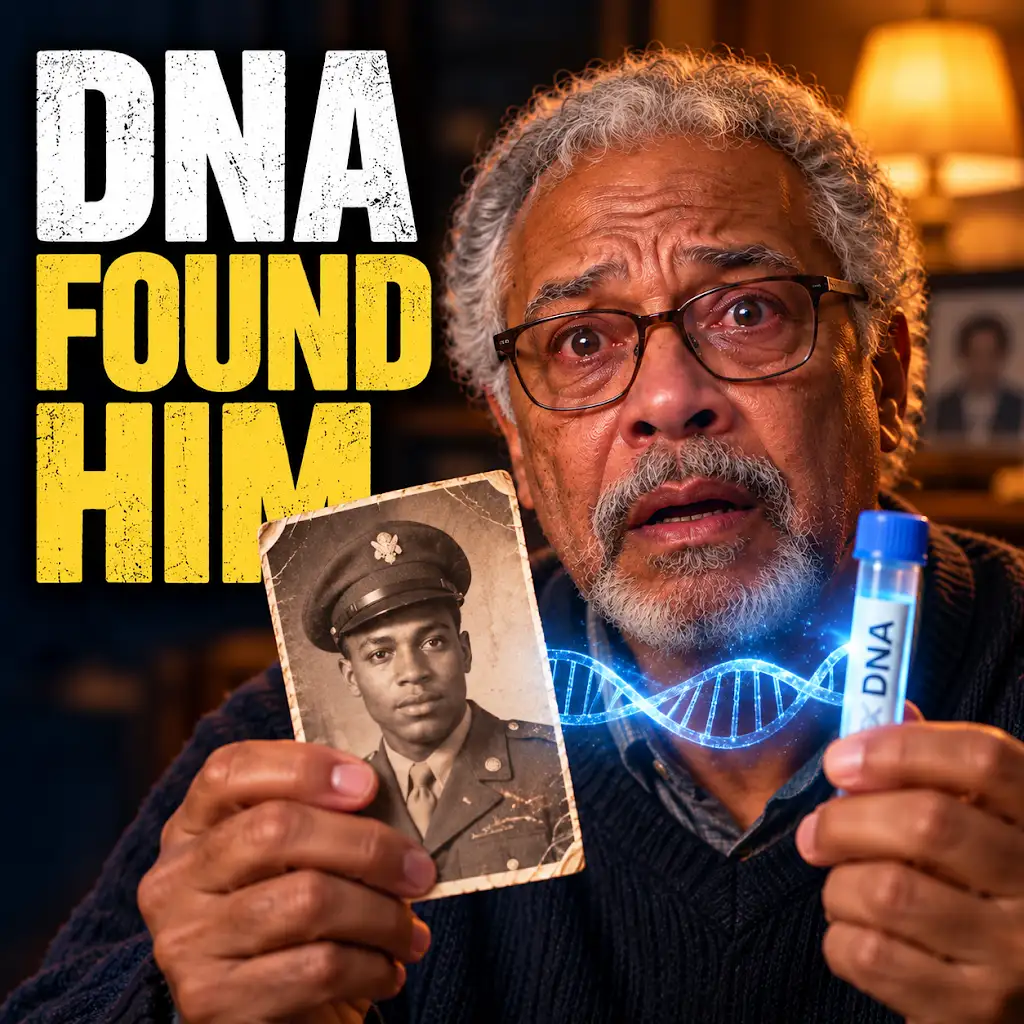
His WWII GI Father Was a Mystery for Nearly 80 Years
FAQs
What is the history of mixed race individuals in wartime Britain?
Mixed race individuals have a long history in wartime Britain, with many serving in the armed forces during various conflicts.
How were mixed race individuals treated in wartime Britain?
Mixed race individuals faced discrimination and prejudice during wartime Britain, both within the military and society at large.
Did mixed race individuals receive recognition for their contributions during wartime Britain?
Despite facing challenges, many mixed race individuals made significant contributions to the war effort in Britain and were eventually recognized for their bravery and service.
Were there specific challenges faced by mixed race families in wartime Britain?
Mixed race families in wartime Britain often faced social stigma and discrimination, as well as challenges related to identity and belonging.
How has the history of mixed race individuals in wartime Britain influenced society today?
The experiences of mixed race individuals in wartime Britain have contributed to ongoing discussions about race, identity, and equality in modern society.