
The thunder of war, a relentless drumbeat across Europe, brought with it a complex melody of human connection. Amidst the rationing, the air raids, and the pervasive anxiety of World War II, an unexpected and profound intersection of cultures, races, and affections emerged: the relationships between Black American soldiers stationed in Britain and British women. This wasn’t merely a footnote in the grand narrative of the war; it was a vibrant, often challenging, and ultimately transformative chapter, weaving together threads of love, prejudice, and the enduring human need for companionship.
The American Arrival: A New Presence in a Familiar Landscape
The arrival of American troops in Britain in 1942 marked a significant shift in the wartime atmosphere. While the British had long been engaged in the conflict, the influx of American personnel brought with them a different kind of energy, resources, and, crucially, a starkly different racial dynamic. For the Black GIs, often relegated to segregated units and facing ingrained racism at home, Britain offered a startling contrast. Though not a utopia free from prejudice, the societal attitudes towards race in Britain were, in many respects, more fluid and less rigidly defined than in the United States.
A Different Shade of Acceptance
British society, while certainly not devoid of racial bias, was generally less overtly segregated than that of the American South. The presence of colonial subjects from India, Africa, and the Caribbean had, to some extent, familiarized Britons with people of diverse backgrounds. Black American soldiers, therefore, often found themselves treated with a degree of curiosity and, in many instances, a more open acceptance than they had experienced before. This was a crucial element that paved the way for genuine human connections. The absence of Jim Crow laws, the segregation of public spaces, and the widespread discrimination they faced in their homeland meant that for the first time, many Black GIs could interact with the opposite sex without the crushing weight of racial oppression dictating the terms.
The Social Scene: Dances, Canteens, and Shared Escapes
The social landscape of wartime Britain, while restricted by the war effort, was still a breeding ground for interaction. Dances, Red Cross canteens, and informal gatherings became important meeting places. British women, themselves yearning for connection and distraction from the war’s hardships, found the American soldiers, with their perceived confidence, different accents, and sometimes more affluent lifestyle, appealing. For the Black GIs, these social events offered a chance to escape the confines of their barracks and the often-strained interactions within their own communities, allowing them to mingle and form friendships – and often, much more. The shared experience of war, the uncertainty of the future, and the simple human desire for solace and affection transcended racial lines, creating fertile ground for romance.
The interactions between Black GIs and British women during World War II played a significant role in shaping social dynamics and cultural exchanges of the time. For a deeper understanding of this fascinating topic, you can explore the article available at this link, which delves into the experiences and relationships formed between American soldiers and local women in Britain, highlighting the complexities of race, love, and wartime life.
Blossoming Romances: Love in the Shadow of Conflict
Against the backdrop of air raid sirens and marching boots, genuine love stories unfolded. These relationships, born out of shared experiences and mutual attraction, were a testament to the resilience of the human heart in the face of adversity. They were also a stark illustration of how wartime exigencies could challenge and, in some instances, dismantle deeply entrenched societal norms.
From Friendship to Fondness: The Natural Progression
The path to romance often began with casual friendships. British women, many of whom were working in vital war industries or tending to the home front, encountered the American soldiers in various capacities. These interactions, initially driven by shared civic duty or the simple need for social respite, could naturally blossom into something more profound. A shared joke over a cup of tea, a dance at a local hall, or a walk through a bomb-damaged town could forge bonds of understanding and affection. The Black GIs, often a minority within the larger American contingent, sometimes found a particular warmth and receptiveness from British women who were less conditioned by American racial prejudices.
The Challenge of Difference: Overcoming Societal Hurdles
Despite the relative acceptance, these relationships were not without their challenges. While overt hostility might have been less prevalent than in the US, subtle prejudices and ingrained societal expectations still existed. British society, while more open than America’s, still held its own notions of propriety and racial hierarchy, albeit less codified. Families sometimes expressed concern, and whispers could follow couples, especially those involving Black soldiers and white British women. The potential for gossip and social disapproval was a constant undercurrent, requiring both partners to navigate a delicate social terrain. Yet, for many, the depth of their connection was strong enough to withstand these pressures.
The Sweetness of Shared Moments: Intimacy and Understanding
The intimacy that developed between these couples often went beyond physical attraction. It was built on a shared understanding of the war’s brutal realities, a mutual appreciation for each other’s company, and a desire for normalcy and emotional support. For the Black GIs, British women offered a respite from the constant struggle for dignity they faced back home. They provided a space where they could be seen and appreciated for who they were, not for the color of their skin. For British women, these relationships offered excitement, a connection to a different world, and a sense of defiance against the constraints of their own society. The stolen moments, the whispered conversations, and the shared dreams of a post-war future were precious commodities in a world teetering on the brink of destruction.
The Shadows of Prejudice: Resistance and Retaliation
While many relationships flourished, the shadows of prejudice cast a long and often dark pall over the lives of these couples. The very existence of these interracial unions challenged the established social order in both Britain and, more acutely, in the United States, leading to instances of discrimination and, at times, outright hostility.
The American Military’s Stance: Segregation and Control
The American military, deeply entrenched in the racial segregation of its own society, often viewed these relationships with suspicion and, in some cases, outright disapproval. While official policy didn’t explicitly forbid interracial relationships, the prevailing racial attitudes within the military hierarchy meant that Black GIs were frequently subjected to greater scrutiny and pressure. There were instances where commanders actively discouraged or even punished such associations, particularly if they were perceived to cause “trouble” or disrupt the perceived social order. The desire to maintain segregation and prevent “miscegenation,” a deeply held fear in many parts of the US, extended even to American soil occupied by American troops.
British Reactions: A Spectrum of Acceptance and Disdain
British society, as mentioned, was more varied in its reactions. While many were accepting, even welcoming, of the Black GIs and their partners, there were also pockets of resistance. This could manifest as overt racism, particularly from those who held deeply prejudiced views, or more subtle forms of social exclusion and disapproval. Local communities sometimes expressed their unease through gossip, pointed remarks, or even organized campaigns to keep “foreigners” and their local girlfriends apart. The wartime environment, with its heightened anxieties and pressures, could sometimes amplify existing prejudices, leading to difficult situations for the couples.
The Consequences of Love: Separation and Social Ostracism
The consequences of these relationships could be severe. For Black GIs who married British women, the potential for separation upon their return to the US was a constant threat. The US immigration system, influenced by American racial laws, could make it difficult for their wives to join them, or the couples might face intense pressure to conform to segregated norms once back on American soil. For some, the strain of societal disapproval and familial pressure proved too much, leading to painful breakups. Others faced social ostracism, with some British families disowning their daughters who chose to love outside their perceived social and racial boundaries. The war, while a catalyst for connection, also intensified these societal fissures.
The Aftermath: Lasting Legacies and Unforeseen Consequences
As the war drew to a close and the soldiers prepared to return home, the future of these relationships became a pressing concern. The love that had blossomed amidst the chaos of war had to navigate the complexities of peace, and the legacies of these unions continued to shape lives long after the final victory was declared.
The Journey Home: New Lives and Uncertain Futures
For many couples, the decision was made to build a life together. This often meant the British wives accompanying their husbands back to America. This journey was fraught with challenges. The American South, in particular, remained a deeply segregated and often hostile environment. Black GIs who had found a measure of freedom and acceptance in Britain now faced the harsh realities of Jim Crow. Integrating into American society, especially for white British women married to Black men, was a monumental task. They had to contend with the prejudices of their husbands’ families and communities, the lack of social freedoms, and the constant threat of discrimination.
Children of Two Worlds: Identity and Belonging
The children born from these unions often found themselves navigating complex identities. They were the product of two different cultures and races, and in a society still grappling with racial divisions, their sense of belonging could be challenged. They were often seen as “different” by both their white and Black counterparts, leading to unique experiences and a need to forge their own path. These children, in many ways, represented the living legacy of the wartime intersections, embodying the blending of cultures and the challenges of integration. Their existence was a tangible reminder of the human connections forged across racial and national lines during a tumultuous period.
A Different Kind of Homecoming: A Shift in Perspectives
For many of the Black GIs, returning to Britain with their wives and families offered a different kind of homecoming than they might have experienced in America. While not without its own societal nuances, Britain offered a more welcoming and less overtly discriminatory environment for their families. Some chose to remain in Britain, establishing new lives and contributing to the post-war rebuilding of the country. Their experiences, and those of their wives, often broadened the perspectives of those around them, challenging ingrained prejudices and fostering a more inclusive understanding of human relationships. The enduring partnerships were a quiet but powerful testament to the fact that love, when allowed to flourish, could transcend even the most formidable barriers. The stories of these Black GIs and British women, often overlooked in broader historical narratives, offer a vital and moving glimpse into the human heart’s resilience and its capacity for connection in the face of immense global conflict.
During World War II, the interactions between Black GIs and British women created a unique cultural exchange that has been explored in various historical accounts. One such article delves into the complexities of these relationships, highlighting the social dynamics and personal stories that emerged during this tumultuous period. For a deeper understanding of this fascinating topic, you can read more in the article available at In the War Room. This exploration sheds light on how these connections shaped not only individual lives but also broader societal attitudes in both the United States and the United Kingdom.
The Enduring Resonance: Lessons from Love and War
| Category | Details | Notes |
|---|---|---|
| Number of Black GIs in Britain | Approximately 150,000 | Served in various branches of the US military during WWII |
| Interactions with British Women | Significant social and romantic relationships | Led to cultural exchanges and some interracial marriages |
| Racial Attitudes in Britain | Generally more tolerant than in the US | However, some instances of discrimination and tension occurred |
| Impact on British Society | Increased awareness of racial diversity | Contributed to post-war immigration and multiculturalism |
| Military Segregation | Black GIs served in segregated units | Contrasted with more integrated British society |
| Children of Black GIs and British Women | Known as “Brown Babies” | Faced social challenges but contributed to diversity |
The story of Black GIs and British women during World War II is more than just a collection of personal anecdotes; it is a powerful lens through which to examine broader societal dynamics, the impact of war on human relationships, and the persistent struggle for equality. These unions, born in the crucible of conflict, left an indelible mark on individuals, families, and even on the evolving social landscapes of both Britain and the United States.
Challenging the Status Quo: A Quiet Revolution
The very existence of these interracial relationships served as a subtle, yet significant, challenge to the prevailing racial norms of the time. While not a conscious political movement, the widespread formation of these couples demonstrated that human connection and affection could, and did, transcend racial boundaries. For the Black soldiers, these relationships were often a validation of their humanity, a stark contrast to the daily indignities they faced back home. For the British women, choosing to love a Black man often meant defying societal expectations and demonstrating a personal commitment to a more inclusive vision of the world. Their actions, however personal, contributed to a gradual chipping away at the foundations of racial prejudice.
The Power of Shared Humanity: A Universal Narrative
The desire for love, companionship, and emotional support is a fundamental human need, and the experiences of these couples underscore this universal truth. In the face of war’s destruction and the anxieties of an uncertain future, people sought solace and connection in each other. The narratives of Black GIs and British women highlight how, in moments of crisis, the shared experience of humanity can often overshadow the artificial divisions created by race and nationality. Their stories remind us that at the core of human interaction lies a capacity for empathy, understanding, and affection that can bloom even in the most unlikely of circumstances.
A Legacy of Understanding: Shaping Future Generations
The children and grandchildren of these wartime romances carry forward a unique legacy. They represent a living bridge between cultures and races, embodying a history of intersection and integration. Their existence is a testament to the enduring strength of these unions and the willingness of individuals to forge new paths. The stories passed down through families, of the love that defied convention and the challenges overcome, continue to shape identities and foster a broader understanding of diversity. These personal histories, woven into the fabric of society, contribute to a more nuanced and inclusive understanding of the past and a more hopeful vision for the future. The love that found its way through the corridors of war stands as a poignant reminder of the enduring power of human connection and the quiet revolutions that can be sparked by the simple act of loving another.
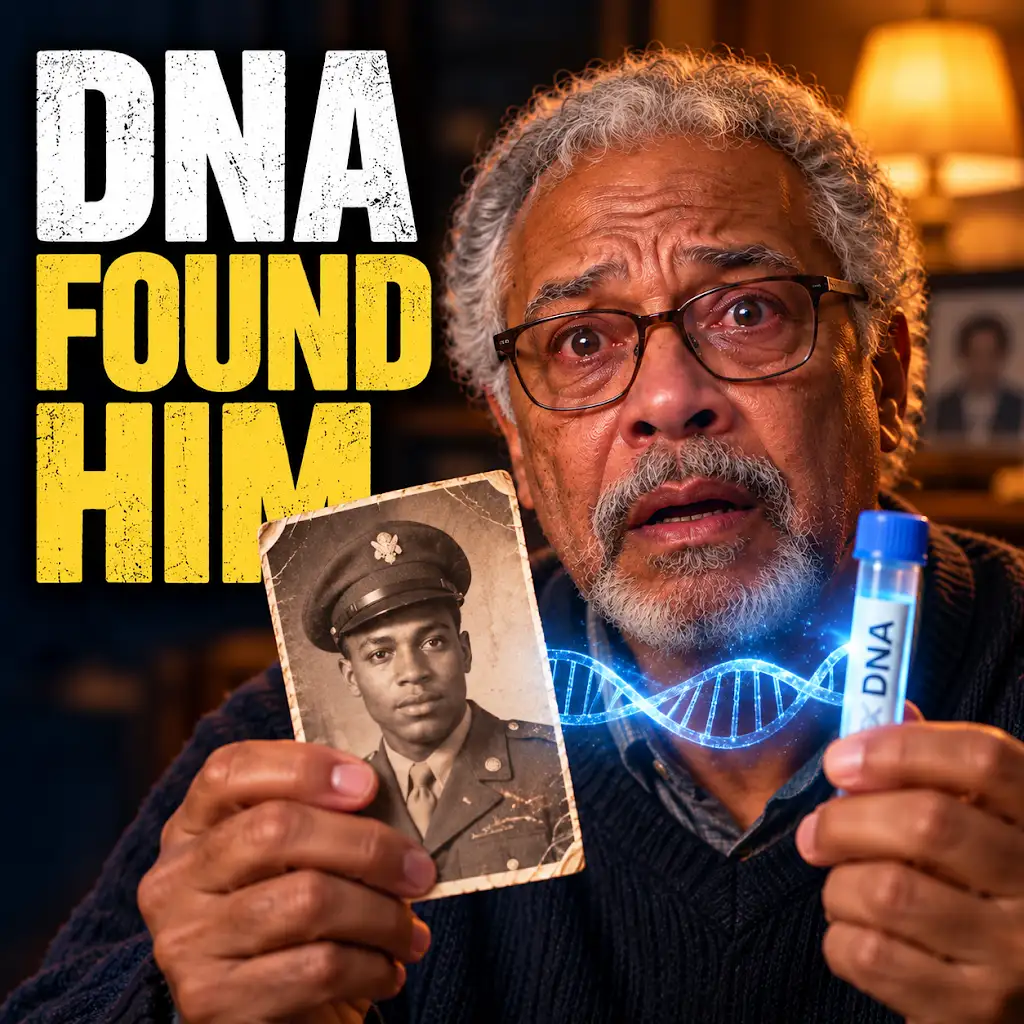
His WWII GI Father Was a Mystery for Nearly 80 Years
FAQs
What was the relationship between Black GIs and British women during WWII?
During WWII, there were relationships between Black American soldiers (GIs) stationed in Britain and British women. These relationships were often met with disapproval and discrimination due to racial tensions at the time.
How did the presence of Black GIs impact British society during WWII?
The presence of Black GIs in Britain during WWII challenged racial segregation and discrimination norms in British society. It also led to the birth of mixed-race children, known as “brown babies,” who faced social stigma and discrimination.
Were there any official regulations or policies regarding relationships between Black GIs and British women?
There were no official regulations or policies specifically addressing relationships between Black GIs and British women during WWII. However, interracial relationships were not widely accepted, and couples often faced social ostracism and discrimination.
What role did Black GIs play in the Allied forces during WWII?
Black GIs played a significant role in the Allied forces during WWII, serving in various capacities such as infantry, artillery, and support roles. Despite facing segregation and discrimination within the military, they made important contributions to the war effort.
How did the relationships between Black GIs and British women impact post-war society?
The relationships between Black GIs and British women during WWII had a lasting impact on post-war society. They contributed to changing attitudes towards race and interracial relationships, paving the way for greater acceptance and diversity in British society.