
The quest for ancestral roots has become a powerful and increasingly accessible pursuit, particularly within the African American community. For centuries, the devastating legacy of slavery and subsequent systemic oppression fractured families, erased records, and created significant barriers to tracing lineage. However, the advent of genetic genealogy has opened unprecedented avenues for discovery, allowing individuals to connect with their heritage in profound and often emotional ways. This article will delve into the transformative impact of genetic genealogy on uncovering African American ancestry, exploring the methodologies, the challenges, and the immense potential for healing and historical reclamation.
The Digital Tapestry of Kinship
The cornerstone of genetic genealogy lies in the analysis of DNA. Specifically, autosomal DNA tests, which examine DNA from all 23 pairs of chromosomes, are the most effective for uncovering recent ancestral connections, typically within the last six to eight generations. These tests work by comparing an individual’s DNA to a vast database of other users’ genetic profiles. When matches are found, it indicates a shared common ancestor. The strength of the match, measured in centimorgans (cM), provides an estimate of the closeness of the relationship.
Understanding Autosomal DNA Testing
Autosomal DNA tests are the primary tool for most individuals seeking to understand their family tree. Companies like AncestryDNA, 23andMe, MyHeritage, and Family Tree DNA offer these services, each with its own database and analytical tools. The process is relatively straightforward: a saliva sample is collected and sent to the lab for processing. The results are then presented through an online portal, typically including ethnicity estimates and a list of DNA matches.
Ethnicity Estimates: A Broad Brushstroke
Ethnicity estimates, often presented as percentages assigned to various geographic regions, are a fascinating but often imprecise aspect of genetic genealogy. While they can offer clues about ancestral origins, it’s crucial to understand their limitations. These estimates are based on comparisons to reference populations whose DNA is believed to represent specific geographical ancestries. For African Americans, these estimates often reflect a complex blend of West African, Central African, and European ancestries, with some individuals also showing connections to Iberian Peninsula and Native American populations. It is important to remember that these are probabilities, not definitive historical records. The fluidity of migration patterns, intermarriage, and the historical inaccuracies in reference populations mean that ethnicity estimates should be viewed as a starting point for further investigation rather than an end in itself. The historical context of forced migration and enslavement makes tracing precise origins within Africa particularly challenging.
DNA Matches: Unveiling Hidden Relatives
The true power of autosomal DNA testing for African American ancestry lies in the DNA matches. These are individuals who share a statistically significant amount of DNA with the tester. While some matches will be immediate family members – parents, siblings, aunts, and uncles – many others will be more distant cousins. Identifying these cousins can be instrumental in unlocking ancestral mysteries. For those whose documented lineage is sparse or non-existent due to slavery, these DNA matches can provide the vital link to previously unknown branches of the family tree. By connecting with these cousins and comparing family trees, a shared ancestor can often be identified, thereby extending the tester’s genealogical research further back in time.
African American genetic genealogy has become an increasingly important field, helping individuals trace their ancestry and uncover their heritage. A related article that delves into the significance of genetic testing in understanding African American lineage can be found at this link: Exploring African American Genetic Genealogy. This resource provides insights into the challenges and breakthroughs in the study of African American ancestry, highlighting the role of DNA testing in connecting families and revealing historical narratives.
Navigating the Shifting Sands of Historical Records

While DNA provides a powerful biological map, it is the integration with historical documents that truly brings an ancestral narrative to life. For African Americans, this integration presents unique and often heartbreaking challenges. The systematic dehumanization of enslaved people meant that birth, marriage, and death records were either non-existent, inaccurate, or deliberately obscured. The Emancipation Proclamation and the subsequent period of Reconstruction offered some legal recognition, but the fight for documentation and recognition continued for generations.
The Shadow of Slavery: Records Lost and Found
The institution of slavery in the United States created a chasm in genealogical records for millions of African Americans. Enslaved individuals were often referred to by first names only, without surnames. Family units were routinely broken apart through sale, making it nearly impossible to trace familial lines. Even when surnames were adopted after emancipation, the lack of consistent record-keeping, coupled with widespread illiteracy and poverty, meant that documentation remained scarce for many.
Bridging the Gaps: Strategies for Reconstruction
Despite these immense obstacles, there are strategies that can help reconstruct African American family histories. Beyond autosomal DNA, other forms of DNA testing can offer supplementary insights. Y-DNA testing, which traces the paternal lineage, and mitochondrial DNA (mtDNA) testing, which traces the maternal lineage, can sometimes reveal deeper ancestral connections, particularly to Africa. However, the interpretation of Y-DNA and mtDNA results for African Americans requires specialized knowledge due to the significant genetic diversity within African populations.
Moreover, researchers can delve into a variety of historical records, even those not directly related to individual family members. These include:
- Slave Schedules: Found within U.S. Federal Census records from 1850 and 1860, these schedules list enslaved individuals by age, sex, and color, sometimes providing clues to family groups on plantations.
- Freedmen’s Bureau Records: Established after the Civil War, the Bureau of Refugees, Freedmen, and Abandoned Lands (Freedmen’s Bureau) created numerous records, including marriage applications, family records, and labor contracts, which can be invaluable for tracing newly freed individuals and their families.
- Black Newspapers and Periodicals: These often contained obituaries, marriage announcements, and society news that could provide genealogical information about individuals and families within the Black community.
- Church Records: Churches, particularly those established by and for African Americans, often maintained baptismal, marriage, and death records that predated or supplemented civil registration.
- Wills and Estate Records: These can sometimes name heirs and provide insights into family relationships, even for individuals who were enslaved.
- Military Records: African Americans served in various U.S. military conflicts, and their service records can contain biographical details and family information.
- Oral Histories and Family Traditions: While not documented in official records, the stories passed down through generations are a vital, albeit sometimes fallible, source of information. Genetic genealogy can often corroborate or illuminate these oral traditions.
The Power of the Surname Project
The adoption of surnames after emancipation was a pivotal moment for many African American families. While some took the surnames of their former enslavers, others chose new names, often linked to influential Black figures, biblical names, or geographic locations. Surname DNA projects, which focus on individuals who share a common surname, can be particularly effective. By combining surname research with DNA matches, researchers can identify the likely geographical origin of a particular surname within the African American community and potentially uncover the shared ancestral roots of individuals who adopted that name.
Unlocking the African Continent: A Journey of Discovery
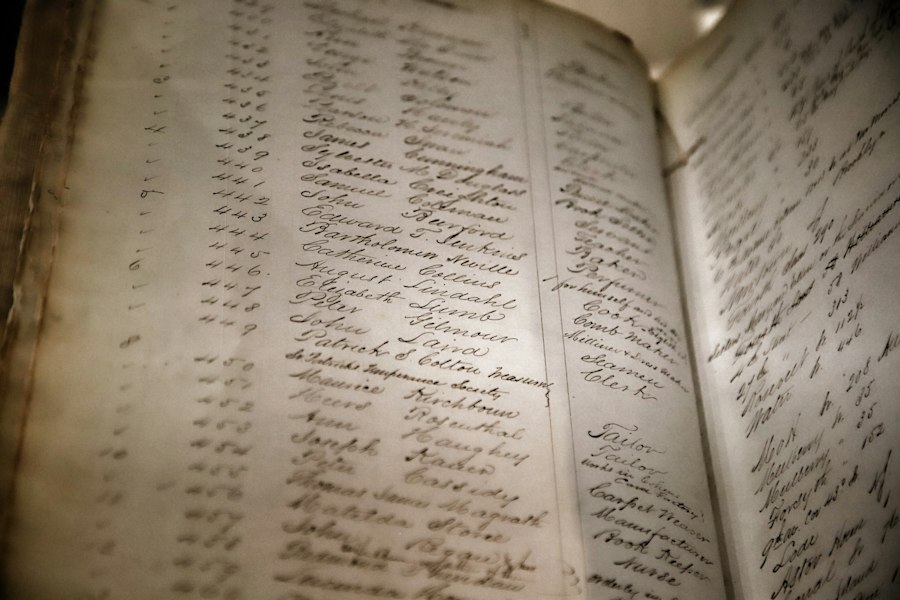
One of the most profound aspects of genetic genealogy for African Americans is the potential to connect with their ancestral homelands in Africa. For centuries, the transatlantic slave trade forcibly removed millions from their ancestral villages and cultures. Genetic ethnicity estimates, while broad, can point to specific regions within West and Central Africa, igniting a powerful desire to learn more about these origins.
Beyond Broad Regions: Refining African Ancestry
While ethnicity estimates might broadly indicate “Nigeria” or “Ghana,” further investigation is needed to understand the specific ethnic groups and historical kingdoms from which ancestors may have originated. This often involves delving into historical and anthropological resources that detail the migration patterns, social structures, and cultural practices of various African peoples.
The Role of Ethnographic and Historical Research
Understanding the nuances of African ethnicities is crucial. For instance, a result indicating “Nigeria” could represent ancestors from the Yoruba, Igbo, Hausa, or numerous other ethnic groups, each with distinct languages, traditions, and histories. Researchers can consult academic works on African history and ethnography, explore online resources dedicated to specific African ethnic groups, and even engage with cultural organizations to gain a deeper understanding of their ancestral heritage. The history of ancient kingdoms like the Benin Empire, the Ashanti Empire, or the Kingdom of Kongo, for example, can provide a rich context for understanding the potential origins of African American ancestors.
Connecting with Contemporary African Communities
In some instances, genetic genealogy can lead to connections with living relatives in Africa. While these connections can be incredibly emotional and enriching, they also require sensitivity and a deep respect for the cultural contexts involved. Researchers may find that specific DNA matches correspond with individuals in African countries, potentially opening doors to understanding family ties that have been separated for generations. This aspect of genetic genealogy highlights its potential for fostering intercultural understanding and reconnecting fragmented diasporic communities.
Ethical Considerations and Responsible Research
As with any powerful tool, genetic genealogy comes with ethical considerations that are particularly relevant to the African American experience. The sensitive nature of ancestral research, especially in the context of a history marked by trauma and exploitation, necessitates a mindful and responsible approach.
Privacy and Data Security
The collection and storage of personal genetic data raise significant privacy concerns. Companies that provide genetic testing services must have robust security measures in place to protect this highly sensitive information from unauthorized access or breaches. Individuals should carefully review the privacy policies of any genetic testing company before submitting their DNA. Understanding how their data will be used, stored, and shared is paramount.
Navigating the Sharing of Information
The decision to share DNA results and family trees with others is a personal one. For African Americans seeking to uncover their ancestry, collaborating with DNA matches can be incredibly beneficial. However, individuals must be comfortable with the level of information they choose to disclose. It is also important to be aware that not all DNA matches will have the same research goals or ethical standards. Respecting the privacy of others and ensuring that any shared information is done with consent is a fundamental aspect of responsible genetic genealogy.
The Emotional Landscape of Discovery
Uncovering African American ancestry can be an emotionally charged experience. For many, it is a journey of reclamation, a way to reclaim lost identities and narratives. However, discoveries can also be painful. Finding out about difficult or traumatic ancestral experiences, or uncovering unexpected family secrets, can be challenging.
Embracing the Full Narrative: The Good and the Difficult
Genetic genealogy offers a more complete picture of one’s heritage, encompassing not only triumphs and resilience but also the harsh realities of the past. It is important to approach these discoveries with an open heart and mind, recognizing that the human experience is complex. The resilience and strength of ancestors who endured unimaginable hardships are often as profound a discovery as finding a long-lost relative. Embracing the full narrative, with all its complexities, is essential for a holistic understanding of one’s ancestry.
African American genetic genealogy has become an increasingly important field, helping individuals trace their ancestry and uncover their heritage. A related article that delves into the significance of genetic testing in understanding African American lineage can be found at In the War Room. This resource provides valuable insights into how genetic markers can reveal connections to historical events and ancestors, enriching the narrative of African American history.
The Future of African American Genetic Genealogy
| Metric | Description | Typical Values/Findings |
|---|---|---|
| Average African Ancestry Percentage | Proportion of African genetic heritage in African American individuals | Approximately 70-80% |
| Average European Ancestry Percentage | Proportion of European genetic heritage in African American individuals | Approximately 15-25% |
| Average Native American Ancestry Percentage | Proportion of Native American genetic heritage in African American individuals | Typically 1-5% |
| Common African Haplogroups | Frequent mitochondrial DNA and Y-chromosome haplogroups found | L (mtDNA), E1b1a (Y-DNA) |
| Common European Haplogroups | Frequent mitochondrial DNA and Y-chromosome haplogroups found | H, U (mtDNA), R1b (Y-DNA) |
| Genetic Admixture Testing Usage | Percentage of African Americans using commercial DNA testing for genealogy | Estimated 20-30% |
| Challenges in Genealogy | Common obstacles faced in tracing African American ancestry | Records loss due to slavery, name changes, limited documentation |
| Impact of Transatlantic Slave Trade | Effect on genetic diversity and ancestry patterns | High genetic diversity from multiple West and Central African regions |
The field of genetic genealogy is constantly evolving, with new technologies and databases emerging regularly. For African Americans, this promises even greater opportunities for discovery and a deeper understanding of their ancestral journeys.
Advancements in DNA Technology
The ongoing refinement of DNA analysis techniques, including the development of more sophisticated algorithms for ethnicity estimation and relationship prediction, will continue to enhance the accuracy and depth of genetic genealogy results. Furthermore, the increasing participation of African Americans in DNA testing platforms is vital for improving the accuracy of ethnicity estimates and broadening the scope of DNA databases relevant to this population.
The Growing Impact of DNA Databases
As more individuals of African descent submit their DNA for testing, the databases will become more robust and representative. This is crucial for improving the accuracy of ethnicity estimates and for increasing the likelihood of finding meaningful DNA matches. The development of specialized databases focused on African ancestry, and initiatives to encourage DNA testing within African communities, will be instrumental in this progress.
Building a Connected Future
Genetic genealogy is more than just a research tool; it is a powerful force for connection. It allows individuals to bridge generational divides, to understand their place within a larger historical narrative, and to connect with communities of shared heritage. For African Americans, this technology offers a pathway to reclaiming and celebrating an ancestry that was systematically fragmented and suppressed. By embracing genetic genealogy responsibly and ethically, individuals can embark on a profound journey of self-discovery, healing, and historical affirmation, weaving a richer and more complete tapestry of their ancestral past. The continued growth of this field holds immense promise for illuminating the untold stories and strengthening the bonds of kinship across the African diaspora.
His WWII GI Father Was a Mystery for Nearly 80 Years
FAQs
What is African American genetic genealogy?
African American genetic genealogy is the study of tracing one’s ancestry and family history through DNA testing, specifically focusing on individuals of African descent.
How does genetic genealogy work for African Americans?
Genetic genealogy for African Americans involves using DNA testing to identify genetic markers that can help trace their lineage back to specific regions in Africa or to connect with potential relatives who share similar DNA.
What are the benefits of African American genetic genealogy?
The benefits of African American genetic genealogy include gaining a deeper understanding of one’s roots, connecting with distant relatives, uncovering hidden family history, and potentially breaking through genealogical brick walls.
What DNA tests are available for African American genetic genealogy?
There are several DNA testing companies that offer services for African American genetic genealogy, including AncestryDNA, 23andMe, MyHeritage, and FamilyTreeDNA. These tests can provide information on ethnicity estimates, DNA matches, and genetic health risks.
Are there any considerations or limitations to be aware of in African American genetic genealogy?
It’s important to consider that genetic genealogy tests may not always provide precise results, especially for individuals with mixed ancestry. Additionally, privacy concerns and the potential for unexpected family revelations should be taken into account before undergoing genetic testing.