The whisper of ancestry, once carried only through hushed family tales and dusty heirlooms, now finds a powerful voice in the realm of genetic science. DNA matching, a revolutionary tool, has become an intricate cartographer of our lineage, charting connections that span continents and centuries. It allows individuals to embark on deeply personal journeys of discovery, unraveling the complex tapestry of their family tree with an unprecedented level of detail and accuracy. This technology, once the exclusive domain of forensic science and academic research, has democratized the exploration of identity, offering a tangible link to the past and a profound understanding of the present. For many, it’s not just about finding a name on a chart; it’s about uncovering narratives, understanding migrations, and connecting with distant relatives who share not just a biological heritage, but a shared human story.
The Science Behind the Connection: Decoding the Genetic Blueprint
At its core, DNA matching relies on the fundamental principles of genetics. Every human being, with the exception of identical twins, possesses a unique genetic signature. This signature is encoded within the double helix of Deoxyribonucleic Acid (DNA), a molecule found in nearly every cell of the body. DNA is passed down from parents to children, with each individual inheriting half of their genetic material from their mother and the other half from their father. This inheritance pattern creates predictable similarities and differences in DNA between related individuals.
How DNA is Analyzed for Ancestry
The process of analyzing DNA for ancestry typically begins with a simple saliva or cheek swab. This sample is then sent to a specialized laboratory where the DNA is extracted and purified. The extracted DNA undergoes a process called genotyping, which involves scanning specific regions of an individual’s genome known as single nucleotide polymorphisms (SNPs). SNPs are variations in DNA sequence that occur at a specific position in a genome among individuals. These SNPs are highly variable and can be inherited, making them excellent markers for tracking genetic lineage.
Autosomal DNA: The Family Tree’s Foundation
The most common type of DNA analysis for ancestry testing focuses on autosomal DNA. This DNA is found in the 22 pairs of non-sex chromosomes and is inherited equally from both parents. Autosomal DNA analysis can trace a person’s ancestry back approximately five to seven generations, encompassing a significant portion of their ancestral past. Because it is inherited from all branches of the family tree, autosomal DNA is crucial for identifying cousins, aunts, uncles, and more distant relatives across multiple lines of descent. It provides the broadest view of an individual’s ancestral makeup.
Y-DNA and mtDNA: Tracing Specific Ancestral Lines
While autosomal DNA offers a comprehensive overview, other types of DNA analysis can provide deeper insights into specific ancestral lines. Y-DNA, found only in males, is passed down directly from father to son. Analyzing Y-DNA can therefore trace a paternal lineage back thousands of years, revealing connections to ancient paternal haplogroups and migratory paths. Similarly, mitochondrial DNA (mtDNA) is inherited solely from the mother and passed down through all children. mtDNA analysis traces a maternal lineage back tens of thousands of years, offering a glimpse into deep ancestral origins and ancient maternal migration patterns. While these analyses are limited to specific lines of descent, they provide invaluable information for understanding the most ancient chapters of one’s genetic story.
In exploring the fascinating world of genetic connections, a related article delves into the implications of DNA matches across generations, highlighting how these connections can reveal unexpected family ties and ancestral histories. For a deeper understanding of this topic, you can read more in the article found at this link. This resource provides insights into how modern technology is reshaping our understanding of lineage and identity through genetic testing.
The Process of DNA Matching: Bridging the Gap Between Strangers
The magic of DNA matching lies in its ability to compare an individual’s genetic profile against a vast database of other profiles. When a user submits their DNA sample to a testing company, their unique genetic markers are analyzed and then anonymously compared with those of millions of other individuals who have also tested. The algorithms employed by these companies look for patterns of shared DNA segments, which are indicative of common ancestry.
How Matches are Identified and Interpreted
When a DNA match is found, it means that two individuals share a statistically significant amount of DNA, suggesting they have one or more common ancestors within a certain number of generations. The testing companies typically report the relationship based on the amount of shared DNA. For example, sharing a larger segment of DNA often indicates a closer relationship, such as a parent, sibling, aunt, or uncle. Smaller shared segments might suggest a more distant cousin relationship. The interpretation of these matches is a crucial step, often requiring careful consideration of genealogical research to confirm the familial link.
Shared DNA Segments: The Clues to Kinship
The key to identifying matches lies in the analysis of shared DNA segments. When individuals share a common ancestor, they will inherit portions of their DNA from that ancestor. These inherited segments are often passed down intact for several generations. DNA testing services measure the length and number of these shared segments. Longer segments are more likely to be inherited from a recent ancestor, while shorter segments might indicate a more distant common ancestor. The total amount of DNA shared, measured in centimorgans (cM), is a primary indicator of the predicted relationship.
Ethnicity Estimates: A Mosaic of Origins
Beyond identifying individual relatives, DNA testing also provides ethnicity estimates. By comparing an individual’s DNA markers to reference populations from different geographical regions, the testing companies can estimate the percentage of their ancestry that originates from various parts of the world. These estimates are presented as a mosaic, reflecting the diverse migratory histories of human populations over millennia. While these estimates are not exact historical records, they offer a fascinating glimpse into the ancestral homelands of one’s ancestors and can often corroborate or challenge existing family lore.
Uncovering Hidden Relatives: The Impact on Personal Discovery
Perhaps the most profound impact of DNA matching is its ability to reveal previously unknown relatives. For individuals who have been adopted, whose family history is incomplete, or who simply wish to expand their understanding of their family tree, DNA testing can be a life-changing experience. These matches can lead to the discovery of biological parents, siblings, aunts, uncles, cousins, and even more distant relatives, opening up new avenues for connection and self-understanding.
Reconnecting with Lost Family Members
The stories of adoptees finding their birth families through DNA testing are increasingly common and deeply moving. For individuals who have grown up without knowledge of their biological origins, a DNA match can be the key to unlocking a crucial part of their identity. These connections can provide answers to long-held questions, offer insights into medical histories, and create opportunities for new family relationships that were once thought impossible. Beyond adoption, DNA matching can also reunite estranged family members or reconnect individuals with branches of their family tree that have been lost to time or circumstance.
The Nuances of Close Matches: Siblings and Parents
Close matches, such as those indicating a sibling or parent relationship, often require careful communication and verification. While the statistical probability of such a relationship can be very high based on shared DNA, it is still advisable to conduct further genealogical research and direct communication to confirm the connection. The emotional weight of such discoveries can be immense, and approaching these matches with sensitivity and respect is paramount.
Distant Cousins: Expanding the Family Circle
The majority of DNA matches are likely to be with distant cousins, individuals with whom you share a common ancestor several generations back. While these connections may not be as immediately impactful as finding a parent or sibling, they are no less valuable. These matches can help researchers fill in gaps in their family trees, identify new ancestral lines to explore, and connect with individuals who share a passion for genealogy. These distant relatives can offer unique insights into family history, share old photographs, and provide valuable context for the lives of ancestors.
Genealogy and DNA: A Powerful Partnership
While DNA matching offers a powerful scientific approach to understanding ancestry, it is most effective when combined with traditional genealogical research methods. The genetic information provides the “who” and “how related,” but historical records often provide the “what,” “when,” and “where” of an individual’s ancestors. The synergy between these two disciplines has revolutionized the field of genealogy.
Building a Comprehensive Family Tree
DNA matches provide clues, pointing researchers towards potential relatives and ancestral lines. However, to truly build a comprehensive family tree, these matches need to be cross-referenced with historical documents. Birth certificates, marriage licenses, census records, immigration papers, obituaries, and family Bibles can all provide essential details about ancestors, confirming relationships suggested by DNA and adding depth to their stories. By integrating DNA results with meticulous research, individuals can create a rich and detailed narrative of their family history.
Verifying DNA-Suggested Relationships
It is not uncommon for DNA matches to suggest a relationship that, upon further genealogical investigation, turns out to be incorrect or more distant than initially thought. This can happen due to several factors, including the complexity of inheritance patterns, incorrect information in public records, or the possibility of “endogamy” – a history of close-knit communities where intermarriage was common, leading to multiple shared ancestors. Therefore, independent verification through traditional genealogical research is crucial for confirming the accuracy of DNA-suggested connections.
Discovering New Research Avenues
DNA matching can open up entirely new avenues for genealogical research. A surprising match to an individual from a region or ethnicity not previously known in the family history can prompt researchers to investigate that specific geographical area or ancestral group. Similarly, a match with someone who has meticulously documented a particular ancestral line can provide invaluable research leads, saving the individual years of painstaking work. DNA effectively acts as a compass, guiding researchers towards previously unexplored territories of their family history.
Exploring the fascinating world of DNA matches across generations can reveal unexpected connections and insights into our ancestry. For those interested in delving deeper into this topic, a related article discusses the implications of genetic testing on family histories and how it can reshape our understanding of lineage. You can read more about this intriguing subject in the article found here.
The Ethical and Social Implications of DNA Matching
| Generation | Average Number of DNA Matches | Common Relationship Types | Shared DNA Percentage Range | Typical Match Confidence |
|---|---|---|---|---|
| 1st Generation (Parents) | 2 | Parent, Child | ~50% | Very High |
| 2nd Generation (Siblings) | 1-3 | Full Siblings | ~50% | Very High |
| 3rd Generation (Grandparents, Aunts/Uncles) | 4-8 | Grandparent, Aunt/Uncle, Niece/Nephew | 12.5% – 25% | High |
| 4th Generation (First Cousins) | 10-20 | First Cousins | 6.25% | Moderate to High |
| 5th Generation (Second Cousins) | 20-50 | Second Cousins | 1.56% – 3.13% | Moderate |
| 6th Generation (Third Cousins) | 50-100+ | Third Cousins | 0.78% – 1.56% | Low to Moderate |
As the reach of DNA matching continues to expand, so too do the ethical and social considerations surrounding this powerful technology. Issues of privacy, data security, and the potential for unintended consequences are paramount and require careful attention.
Privacy and Data Security Concerns
The sensitive nature of genetic information raises significant privacy concerns. Individuals must be assured that their DNA data is stored securely and is not shared with third parties without their explicit consent. Testing companies have a responsibility to be transparent about their data policies and to implement robust security measures to protect against data breaches. The potential for genetic information to be used for discriminatory purposes, such as in insurance or employment, also necessitates careful legal and ethical frameworks.
The Future of DNA and Family Connections
The landscape of DNA matching is continuously evolving. Advancements in technology are leading to more accurate ethnicity estimates, deeper genealogical insights, and the potential to uncover even more distant ancestral connections. As the databases grow, so too will the likelihood of finding meaningful matches for individuals from all backgrounds. The ongoing development of familial DNA searching, a tool used by law enforcement, also raises complex questions about the balance between public safety and individual privacy. Ultimately, DNA matching promises to continue transforming our understanding of family, identity, and our place in the grand narrative of human history. It is a testament to the enduring human desire to know where we come from and to connect with the generations that have shaped us.
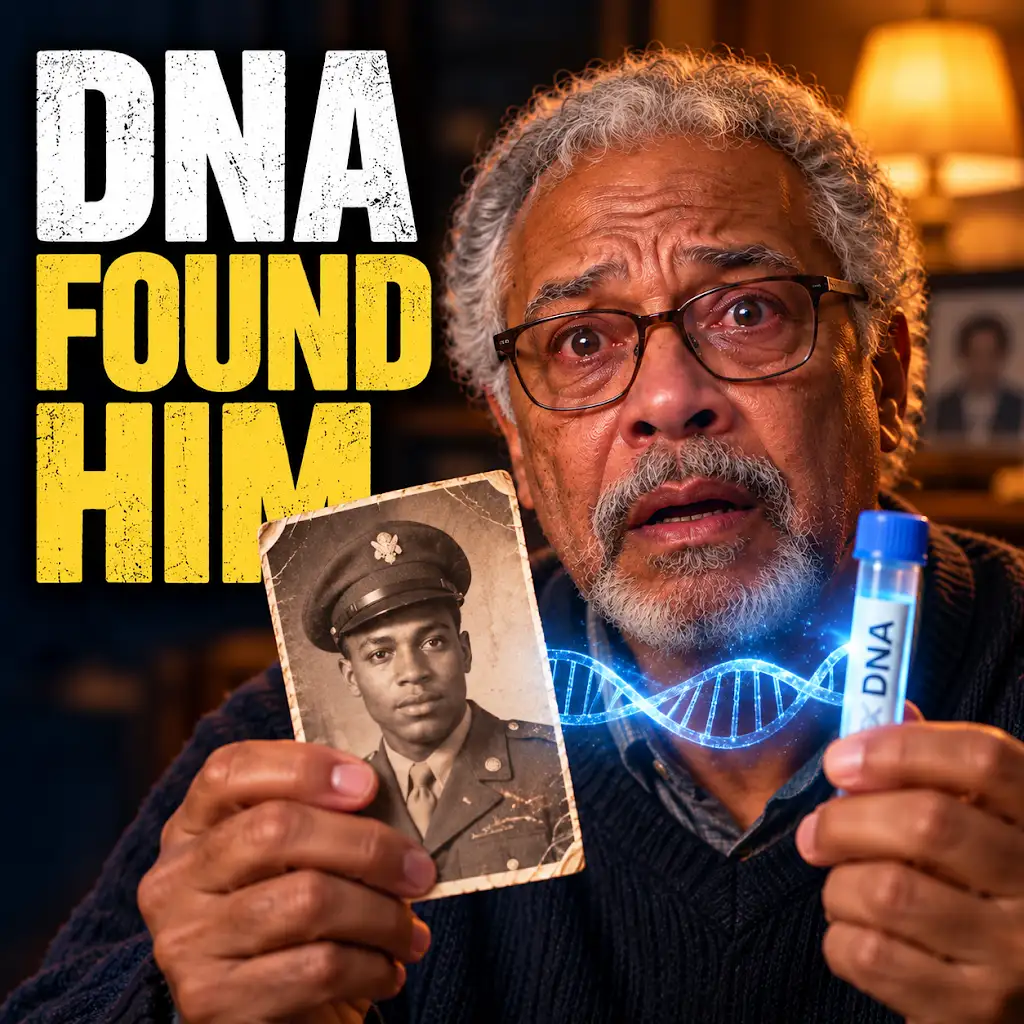
His WWII GI Father Was a Mystery for Nearly 80 Years
FAQs
What are DNA matches across generations?
DNA matches across generations refer to the genetic similarities found between individuals who are related to each other, even if they are separated by several generations.
How do DNA matches across generations occur?
DNA matches across generations occur when individuals inherit segments of DNA from their ancestors, which can be passed down through multiple generations.
What can DNA matches across generations reveal?
DNA matches across generations can reveal information about a person’s ancestry, genetic traits, and potential health risks that may be shared among family members.
How accurate are DNA matches across generations?
DNA matches across generations can be highly accurate, especially when comparing larger segments of DNA. However, it is important to consider other factors such as genetic mutations and genetic recombination that can affect the accuracy of the matches.
How can DNA matches across generations be used?
DNA matches across generations can be used for genealogical research, identifying biological relationships, and understanding inherited genetic conditions within a family.