
The whispers of a hidden past can be a persistent, nagging presence in a person’s life. For many, the mystery of an unknown father casts a long shadow, affecting their sense of identity, their understanding of their family history, and even their genetic predispositions. In an era where genetic genealogy has rapidly advanced, the tools to unravel these deeply personal enigmas are becoming increasingly accessible. This journey into the unknown, facilitated by DNA testing and sophisticated genealogical research, offers not just answers, but profound opportunities for healing and self-discovery.
The Seed of Uncertainty: When Paternity is Unknown
The circumstances surrounding an unknown father can be as varied as the human experience itself. For some, it might be a conscious decision by a parent to omit details, perhaps for reasons of privacy, shame, or protection. For others, it could be a consequence of circumstances beyond their control, such as adoption, donor conception, or a deceased parent with no family willing or able to provide information. Regardless of the origin, the impact is often significant.
The Emotional Landscape of Not Knowing
The absence of paternal information can create a complex emotional landscape. Individuals may grapple with feelings of abandonment, curiosity, and a yearning for connection. The fundamental human desire to understand one’s roots, to see oneself reflected in the features and stories of a father, can remain unfulfilled. This can manifest as a subtle but pervasive sense of incompleteness, a missing piece of the personal puzzle. For some, this uncertainty can even extend to their own sense of belonging, questioning where they fit in the broader tapestry of their family and the world. The lack of a biological father’s medical history can also create anxieties, particularly regarding inherited health conditions.
The Quest for Answers: A Deep-Seated Need
The drive to uncover the truth about one’s paternal lineage is often a deeply rooted psychological need. It’s not merely about satisfying curiosity; it’s about reclaiming a part of one’s identity that has been obscured. This quest can be fueled by various triggers: a milestone birthday, the birth of a child, a significant family event, or simply the passage of time leading to a heightened awareness of personal history. The desire to know where one comes from is a primal instinct, and for those whose paternal line is a blank slate, this instinct can become an all-consuming pursuit.
Genetic genealogy has become an invaluable tool for individuals seeking to uncover the identities of unknown fathers, often leading to surprising discoveries about family heritage. For those interested in exploring this topic further, a related article can be found at In The War Room, which delves into the intricacies of using DNA testing to connect with biological relatives and navigate the complexities of family trees. This resource provides insights and personal stories that highlight the transformative power of genetic research in understanding one’s lineage.
Genetic Genealogy: The Modern Compass

The advent of consumer genetic genealogy services has revolutionized the way people can explore their ancestry. By analyzing DNA, these companies can provide insights into ethnic origins and, crucially, identify genetic relatives. For individuals searching for an unknown father, this technology acts as a powerful, albeit complex, compass, pointing them in directions previously unimaginable.
Understanding DNA Testing for Paternity
At its core, genetic genealogy relies on analyzing autosomal DNA, the type of DNA inherited from both parents. When an individual submits a DNA sample to a service like AncestryDNA, 23andMe, or MyHeritage, their DNA is analyzed at hundreds of thousands of specific locations, or single nucleotide polymorphisms (SNPs). This unique genetic signature is then compared against a vast database of other users’ DNA. The strength of the match between two individuals is indicative of their familial relationship. For paternal searches, the focus is on identifying close matches – half-siblings, aunts, uncles, or grandparents – who might share the unknown father.
Navigating the Databases: The Power of Shared DNA
The true power of genetic genealogy lies in the interconnectedness of its databases. When an individual takes a DNA test, they are not just analyzing their own DNA; they are also entering a network of potential connections. If the unknown father is deceased, his children or close relatives might have already tested. Even distant cousins can provide crucial clues. By examining the matches, genealogists and individuals can begin to build family trees, both on their known maternal side and the unknown paternal side, looking for common ancestors or overlapping branches.
Piecing Together the Puzzle: Genealogical Research Strategies

While DNA provides the initial breadcrumbs, traditional genealogical research is essential for transforming genetic matches into concrete identities. This involves meticulously sifting through historical records, cross-referencing information, and employing detective-like deduction.
Building the Maternal Tree: The Foundation of Knowledge
Before embarking on the paternal quest, a robust and well-documented maternal family tree is indispensable. This known side of the family serves as a vital anchor and a reference point. It allows researchers to identify potential shared ancestors with paternal matches. For instance, if a DNA match shares a significant amount of DNA and their tree connects to a particular branch of the known maternal family, it suggests that the connection is not on the maternal side, thus reinforcing the paternal nature of the search. Thorough research of the maternal line also helps to eliminate potential confusion and focus efforts on the unknown paternal lineage.
DNA Matches as Clues: Unraveling the Unknown Father’s Identity
Once a significant DNA match is found, the real detective work begins. The quantity of DNA shared is a key indicator of the relationship. A match sharing approximately 1750 centimorgans (cMs) suggests a parent-child relationship. Around 850-1300 cMs points to a sibling, and 400-650 cMs could indicate an aunt, uncle, or grandparent. With these matches, the goal is to identify the shared ancestor. This often involves researching the family trees of the DNA matches, looking for individuals who appear in those trees but not in the tester’s known maternal tree. The process can be iterative, requiring patience and persistence as more distant cousins are contacted and their family histories are explored.
Utilizing Historical Records: The Paper Trail
Once potential paternal relatives or ancestors are identified through DNA, historical records become crucial for confirmation. This includes:
- Census Records: These can provide names, ages, birthplaces, occupations, and family relationships for individuals in a specific time period.
- Vital Records: Birth, marriage, and death certificates are invaluable for tracing lineage, confirming dates, and identifying parents.
- Obituaries and Death Notices: These often contain biographical information, including family members and their relationships.
- City Directories and Voter Registrations: These can help track individuals’ residences and occupations over time.
- Immigration and Naturalization Records: Essential for tracing ancestors who arrived in a new country.
The challenge is often piecing together fragments of information from disparate sources, cross-referencing names, dates, and locations to build a cohesive narrative.
The Delicate Art of Contact and Connection
Identifying potential paternal relatives is only the first step. The subsequent stage involves the sensitive and often emotionally charged process of reaching out and establishing communication. This requires empathy, respect, and a clear understanding of the potential ramifications.
Initiating Contact: A Sensitive Approach
When approaching a potential paternal relative or someone who might know about the unknown father, tact and discretion are paramount. It’s advisable to start with a polite and informative message, explaining the nature of the search and the role of DNA in facilitating the connection. The message should clearly state that the goal is understanding and connection, not to cause distress or disruption. For example, a message might begin: “Dear [Name], I am reaching out because we have a strong DNA match on [Genealogy Platform Name], and our shared matches suggest we might be related on our paternal side. I am currently researching my family history and trying to identify my biological father. I understand this may be unexpected, and I want to approach this with the utmost respect and sensitivity.”
Navigating the Emotional Responses: Preparedness and Compassion
The responses to such overtures can vary widely. Some individuals may be eager to connect and share information, seeing it as an opportunity to heal old wounds or expand their own family tree. Others may be hesitant, guarded, or even defensive, perhaps due to personal circumstances or a desire to protect existing family dynamics. It is crucial for the individual seeking answers to be prepared for a range of emotional reactions and to approach each interaction with empathy and understanding. Patience is key, and respecting boundaries is essential. Not all outreach will result in immediate or even eventual connection, and that, too, is a reality to be navigated.
The Revelation: Truth, Reconciliation, and New Beginnings
The moment of revelation – when the identity of the unknown father is confirmed – can be profoundly impactful. It can bring immense relief, closure, and a sense of completeness. For some, it may lead to the discovery of half-siblings, aunts, uncles, or cousins, opening up new avenues for relationships and a richer understanding of their heritage. This can also be a time of reconciliation, both with the past and potentially with living relatives. However, it’s important to acknowledge that the truth, while sought, can also be complex. It might reveal difficult family histories, estranged relationships, or circumstances that are not entirely as imagined. The journey of integration, of understanding this new information and its place within one’s life, is an ongoing process.
Genetic genealogy has become a powerful tool for individuals seeking to uncover the identities of unknown fathers, often leading to surprising discoveries about family history. For those interested in exploring this topic further, a related article can provide valuable insights into the methods and implications of using DNA testing for paternal identification. You can read more about it in this informative piece on genetic genealogy, which discusses various case studies and the emotional journeys involved in connecting with long-lost relatives.
Beyond the Discovery: Integrating New Knowledge and Healing
| Metric | Description | Typical Value/Range | Relevance to Genetic Genealogy (Unknown Father) |
|---|---|---|---|
| Autosomal DNA Match Count | Number of close and distant relatives identified through autosomal DNA testing | 50-2000 matches | Helps identify paternal relatives and potential father candidates |
| Y-DNA Haplogroup | Paternal lineage marker passed from father to son | Varies by individual; e.g., R1b, I2, E1b1a | Direct paternal line identification; useful if male tester |
| Percentage of Shared DNA with Closest Match | Amount of DNA shared with closest known relative | 50% (parent), 25% (grandparent), 12.5% (first cousin) | Helps estimate relationship to potential father or paternal relatives |
| Number of Triangulated Segments | Segments of DNA shared by three or more individuals indicating common ancestor | Varies; typically 1-10 segments | Confirms paternal line connections and narrows down unknown father |
| Ethnicity Estimate (Paternal Side) | Percentage breakdown of ancestral origins | Varies by individual | Provides clues about paternal geographic origins |
| Number of Potential Father Candidates Identified | Count of male matches fitting paternal criteria | 0-10 candidates | Directly relates to success in identifying unknown father |
| Confidence Level in Paternal Match | Statistical confidence in identifying the father | Low, Medium, High | Determines reliability of genetic genealogy conclusions |
Uncovering the identity of an unknown father is not the end of the journey, but rather a significant turning point. The process of integrating this new knowledge into one’s life, and the potential for healing, are crucial aspects of the experience.
Reconstructing Identity: A Holistic View
Knowing one’s paternal lineage can profoundly influence an individual’s sense of self. It provides a more complete picture of their genetic makeup, their inherited traits, and the historical context from which they emerged. This can lead to a greater understanding of personal characteristics, predispositions, and even familial patterns of behavior or talent. The integration process involves reconciling the past with the present, acknowledging the journey that led to this point, and embracing the newly discovered connections. It’s about weaving this new thread into the existing tapestry of one’s identity, creating a more nuanced and comprehensive self-portrait.
The Path to Healing: Addressing Past Wounds
For many, the search for an unknown father is intrinsically linked to healing. The uncertainty and the perceived void can be a source of emotional pain. Discovering the truth, even if it brings new challenges, can alleviate the burden of not knowing and allow for a more profound sense of peace. This healing can involve coming to terms with the circumstances of one’s conception or upbringing, understanding the choices made by parents, and forging new relationships that provide a sense of belonging and acceptance. Therapy and support groups can be invaluable resources for navigating these complex emotional landscapes, providing a safe space to process the revelations and move forward.
The Future of Connection: Building New Relationships
The discovery of paternal relatives often opens the door to new relationships. These can range from occasional contact and shared information to deep and meaningful familial bonds. The nature of these new connections will depend on the individuals involved, their willingness to engage, and the circumstances of their lives. For some, it might mean finding long-lost siblings who share similar experiences, or discovering a supportive network of aunts, uncles, and cousins. Building these relationships requires effort, communication, and a willingness to navigate the complexities that can arise when families are reconfigured. Ultimately, the pursuit of an unknown father, through the lens of genetic genealogy, offers not just answers, but the potential for profound personal growth, healing, and the forging of new, unexpected connections.
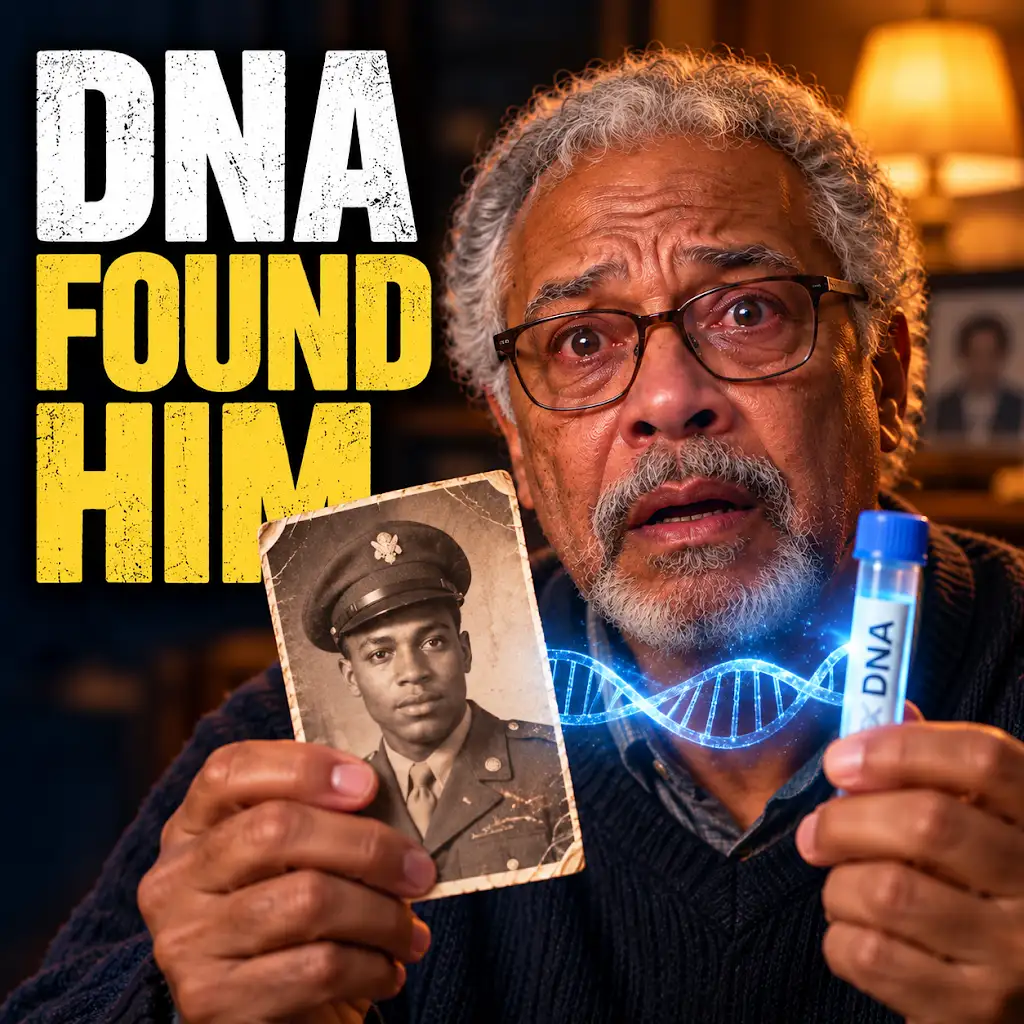
His WWII GI Father Was a Mystery for Nearly 80 Years
FAQs
What is genetic genealogy?
Genetic genealogy is the use of DNA testing in combination with traditional genealogical and historical records to infer relationships between individuals.
How can genetic genealogy help in identifying an unknown father?
Genetic genealogy can help identify an unknown father by comparing an individual’s DNA with databases of genetic information to find potential relatives who may share common ancestors.
What are the different types of DNA tests used in genetic genealogy?
The main types of DNA tests used in genetic genealogy are autosomal DNA tests, Y-DNA tests, and mitochondrial DNA tests. Autosomal DNA tests are the most common and can provide information about both maternal and paternal ancestry.
Is genetic genealogy always accurate in identifying an unknown father?
While genetic genealogy can provide valuable clues and insights, it is not always 100% accurate in identifying an unknown father. Factors such as incomplete databases, misattributed parentage, and privacy concerns can impact the results.
Are there any ethical considerations to keep in mind when using genetic genealogy to identify an unknown father?
Yes, there are ethical considerations to keep in mind when using genetic genealogy to identify an unknown father. These include obtaining informed consent from all parties involved, respecting privacy and confidentiality, and being sensitive to potential emotional impacts on individuals and families.