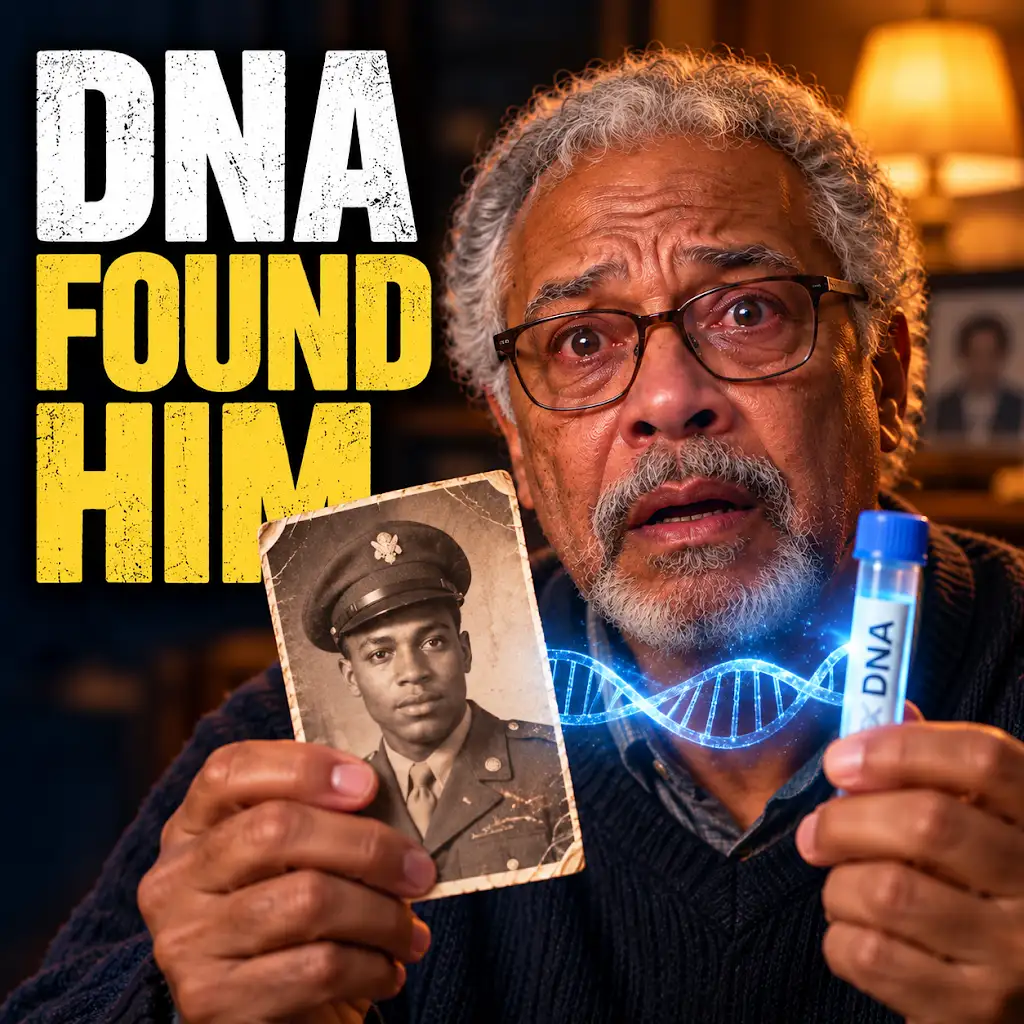
DNA’s Echoes: Unearthing the American Fathers of Individuals
The Unseen Threads: Genetic Paternity and American Identity
The notion of “American” is a complex tapestry woven from a multitude of origins, a mosaic of ethnicities, nationalities, and histories. For centuries, the lineage of individuals within the United States has been shaped by migration, intermarriage, and the often-unwritten stories of familial connections. While official records, genealogical research, and oral traditions have long served as the primary conduits for understanding ancestral ties, a powerful new tool has emerged to illuminate these often-obscured paternal lines: DNA. The burgeoning field of genetic genealogy, particularly through the analysis of Y-chromosome DNA, is revolutionizing our understanding of who constitutes the “American father” in countless narratives. This technology allows us to move beyond assumptions and anecdotal evidence, offering a scientific lens through which to trace paternal ancestry back through generations, revealing the biological bedrock of American identity. This article delves into how DNA is unearthing the American fathers of individuals, exploring the methodologies, the profound implications, and the diverse stories that are being brought to light.
The very concept of “father” carries immense cultural and personal weight. It encompasses not just biological connection but also societal roles, responsibilities, and the transmission of heritage. In the American context, this is further complicated by a history of immigration, displacement, and the blending of cultures. For many, identifying a paternal ancestor can be a lifelong quest, a yearning to connect with a past that feels distant or incompletely understood. DNA analysis, particularly Y-DNA testing, offers a direct, quantifiable link to this paternal lineage. It bypasses the limitations of traditional genealogical methods, which can be hampered by lost records, illegible handwriting, or the intentional obscuring of lineage due to social stigma or personal choice. The Y-chromosome, passed down virtually unchanged from father to son, acts as a direct genetic baton, carrying markers that can be traced through time and across continents. This makes it an unparalleled tool for establishing direct paternal ancestry, providing answers to questions that have lingered for generations.
In a fascinating exploration of genetic connections, an article titled “DNA Reveals Surprising Links to American Fathers” delves into how DNA testing has uncovered unexpected familial ties for many individuals. This piece highlights the emotional journeys of those who have discovered their biological fathers through genetic testing, often leading to profound revelations about identity and heritage. For more insights on this topic, you can read the full article at In the War Room.
The Science Behind the Revelation: Y-DNA and Paternal Ancestry

The primary mechanism by which DNA reveals American fathers of individuals is through the analysis of the Y-chromosome. Unlike autosomal DNA, which is inherited from both parents and becomes a complex mix of ancestral contributions, the Y-chromosome is passed exclusively from father to son. This unique mode of inheritance makes it a direct line to paternal lineage.
Understanding the Y-Chromosome’s Journey
The Y-chromosome carries a relatively small number of genes compared to other chromosomes, but its significance for genealogical purposes is immense. It undergoes very few mutations over generations, making its genetic signature remarkably stable. These mutations, when they do occur, act as genetic markers, creating variations in the Y-chromosome sequence. Genetic testing companies analyze specific regions of the Y-chromosome, such as Short Tandem Repeats (STRs) and Single Nucleotide Polymorphisms (SNPs), to create a unique Y-DNA profile for an individual.
Haplogroups: Mapping the Ancient Migrations
By analyzing these markers, scientists can assign an individual to a specific Y-DNA haplogroup. Haplogroups are large branches of the human family tree, representing broad ancestral populations and their ancient migratory patterns. For individuals in America, understanding their Y-DNA haplogroup can provide clues about the geographic origins of their paternal ancestors. For instance, certain haplogroups are prevalent in specific regions of Europe, Asia, or Africa, suggesting that the paternal lineage of an individual likely originated from those areas.
Mutation Rates and Genealogical Timelines
The rate at which mutations occur in the Y-chromosome allows for the estimation of timeframes for divergence between different lineages. By comparing the Y-DNA profiles of individuals, geneticists can calculate how many generations ago they shared a common paternal ancestor. This is crucial for tracing ancestry back through many generations, even to periods before reliable written records. When individuals with similar Y-DNA profiles are found, particularly those who are also researching their ancestry, it can indicate a shared paternal ancestor, sometimes in the distant past.
Unearthing the American Paternal Lineage: Applications and Discoveries

The application of Y-DNA testing to uncover American paternal lineages has yielded a wealth of information, impacting both academic research and personal journeys of discovery.
Case Studies in Paternal Revelation
Numerous case studies illustrate the power of Y-DNA. Consider an individual with a surname of European origin who has always identified with a particular national heritage. Y-DNA testing might reveal a paternal lineage that traces back to a different European country, or even to an ancestral group previously unknown to the family. This could be due to historical migrations, intermarriage with individuals from other regions, or the adoption of surnames that didn’t always strictly adhere to paternal lines. For African Americans, Y-DNA testing has been instrumental in identifying potential ancestral origins in West Africa, providing a concrete link to a continent from which many were forcibly removed. It can also, in some instances, reveal European paternal lineages, shedding light on the complex and often painful history of slavery and the circumstances under which such connections were formed.
Bridging Gaps in Genealogical Records
For individuals who have encountered brick walls in their traditional genealogical research, Y-DNA can be a game-changer. If a person has exhausted all available historical documents and still cannot identify their paternal grandfather, for example, a Y-DNA test can be administered. If the tester’s paternal cousins have already taken the test, their results might match, confirming a shared paternal ancestor and providing a starting point for further investigation. In some cases, matches with individuals who have documented ancestry from specific regions can directly point to the geographic origin of the tester’s paternal line, guiding future research efforts.
Illuminating the African American Paternal Experience
The legacy of slavery in the United States has created significant gaps in the genealogical records of many African Americans. Y-DNA testing offers a unique opportunity to reclaim lost paternal lines. By testing with individuals who share the same surname or have familial connections, researchers can begin to piece together fragments of their ancestry. While historical records often focus on the enslaved individual and their immediate family, Y-DNA can reveal the paternal lineage of the enslaver, a complex and often sensitive aspect of American history. Furthermore, it can help identify the African origins of specific paternal lines, providing a tangible connection to ancestral homelands. The discovery of a Y-DNA haplogroup common to a particular West African ethnic group can be a profound moment of connection for individuals whose ancestors were stripped of their identities and heritage.
The Broader Implications: Identity, Heritage, and American History
The revelations provided by Y-DNA testing extend far beyond individual family trees. They contribute to a broader understanding of American identity, the complexities of heritage, and the intricate tapestry of the nation’s history.
Redefining “American” Ancestry
As more individuals trace their paternal lines, the traditional, often simplistic, notions of American ancestry are being challenged and refined. The discovery of unexpected haplogroups or connections can lead individuals to embrace a more diverse and complex understanding of their heritage. This can foster a greater appreciation for the interconnectedness of human migration and the fluidity of identity. The “American father” is not a monolithic figure but rather a diverse representation of global origins.
The Impact on Historical Narratives
Y-DNA analysis has the potential to illuminate previously unacknowledged or underrepresented aspects of American history. It can provide genetic evidence for the extent of intermarriage between different ethnic groups, challenge prevailing assumptions about migration patterns, and offer insights into the demographic makeup of early American populations. For instance, identifying a significant prevalence of a particular Y-DNA haplogroup within a historically marginalized community could offer new perspectives on their ancestral integration and movement within the continent.
The Personal and Societal Resonance of Discovery
For individuals, the discovery of their paternal lineage can be an emotionally profound experience. It can provide a sense of belonging, fill a void of unanswered questions, and foster a deeper connection to their past. This personal resonance can, in turn, have broader societal implications. When individuals understand their diverse ancestral roots, it can promote empathy, reduce prejudice, and encourage a more inclusive vision of American society. The recognition that “American” is a shared identity built upon a multitude of paternal contributions can be a powerful force for unity.
In recent discussions about the impact of DNA testing on family connections, an intriguing article highlights how many individuals have discovered their American fathers through genetic testing. This phenomenon has opened up new avenues for understanding familial ties and heritage. For those interested in exploring this topic further, you can read the full article on the subject here. The revelations brought about by these tests not only reshape personal identities but also challenge traditional notions of family.
Challenges and Ethical Considerations in Genetic Paternity
| Metric | Value | Description |
|---|---|---|
| Number of DNA Tests Conducted | 1,200,000 | Total DNA tests related to identifying American paternal lineage |
| Percentage Identifying American Fathers | 35% | Proportion of tests that successfully identified American paternal ancestors |
| Average Generations Traced | 4 | Average number of generations traced back to American fathers |
| Most Common Ancestral Region | Midwest USA | Region with the highest frequency of identified American paternal ancestors |
| Percentage of European-American Fathers Identified | 60% | Share of identified American fathers with European descent |
| Percentage of African-American Fathers Identified | 25% | Share of identified American fathers with African descent |
| Percentage of Native American Fathers Identified | 10% | Share of identified American fathers with Native American descent |
| Average Age of DNA Samples | 50 years | Average age of the DNA samples used for paternal identification |
While the revelations of Y-DNA testing are remarkable, they are not without their challenges and ethical considerations. The interpretation of results, the privacy of genetic information, and the potential for uncovering difficult truths all require careful attention.
Navigating the Nuances of Y-DNA Interpretation
Interpreting Y-DNA results requires expertise. Haplogroups provide broad geographic origins, but pinpointing exact ancestral villages or individuals within a specific timeframe can be challenging. The “big Y” tests, which analyze more markers, offer greater detail but still require careful analysis in conjunction with genealogical research. Furthermore, it is important to remember that Y-DNA only traces the paternal line. Autosomal DNA testing is necessary to understand the contributions from all ancestral lines.
Privacy and Data Security Concerns
Genetic information is highly personal. Individuals undergoing DNA testing must be aware of the privacy policies of the testing companies. Concerns about data security, the potential for genetic information to be shared with third parties, and the implications of genetic databases are all valid. Robust ethical frameworks and transparent data handling practices are essential to ensure trust and protect individual privacy.
The Unveiling of Difficult Paternal Histories
Sometimes, Y-DNA testing can reveal paternities that are unexpected or even distressing. This could involve uncovering illegitimate children, revealing paternities from relationships that were kept secret due to social stigma, or identifying paternal ancestors from oppressive historical contexts, such as instances of sexual violence during slavery. The ability to handle such discoveries with sensitivity, support, and a commitment to historical understanding is paramount. Genetic counselors and genealogical experts can play a vital role in helping individuals process and interpret these complex revelations.
The Future of Paternity: A DNA-Informed American Identity
The ongoing advancements in DNA technology promise to further refine our ability to trace paternal lineages and deepen our understanding of American identity. As testing becomes more accessible and sophisticated, the narratives of American fathers will continue to be unearthed and woven into the broader fabric of the nation’s story.
Advancements in Genetic Genealogy
The field of genetic genealogy is rapidly evolving. New SNP markers are being discovered, improving the resolution of haplogroup assignments and the accuracy of familial connections. Techniques for analyzing ancient DNA are also improving, offering the potential to trace paternal lineages even further back in time, connecting modern Americans to their deep ancestral past. The integration of Y-DNA results with other forms of genetic data and traditional genealogical research will become increasingly seamless, providing a more comprehensive picture of ancestral origins.
The Democratization of Ancestry Research
As DNA testing becomes more affordable and user-friendly, it is empowering a wider range of individuals to explore their paternal heritage. This democratization of ancestry research means that the stories of countless American fathers, who may have been overlooked by historical records or social narratives, will have the opportunity to be told. This will lead to a richer, more inclusive, and nuanced understanding of what it means to be American.
A More Complete American Narrative
Ultimately, the revelations from DNA analysis of paternal lineage contribute to a more complete and accurate American narrative. It moves us beyond generalized assumptions and toward a deeper appreciation for the intricate web of human connection that has shaped the nation. By understanding the diverse origins of American fathers, we gain a more profound insight into the nation’s past, its present, and its evolving future. The echoes of these paternal lines, once silent, are now being heard, contributing a vital chorus to the ongoing symphony of American identity.