
The echoes of World War II reverberated through Britain in more ways than one. While the nation grappled with rebuilding and recovering from the devastation of conflict, a silent and often overlooked consequence emerged: the children born from relationships between British servicemen and local women in occupied Germany. These were the “brown babies,” a term that, though seemingly straightforward, carries a complex and poignant history. Their existence, born out of the unusual circumstances of war and its aftermath, often placed them in a precarious social and familial position, leading to their status as Britain’s forgotten children. This article delves into the lives of these individuals, exploring their origins, the challenges they faced, and the enduring legacy of their unique upbringing.
The Seeds of Existence: wartime Relationships
The presence of British forces in post-war Germany was a significant aspect of the Allied occupation. As soldiers settled into barracks and engaged with the local populace, natural human connections began to form. These relationships, often born from proximity, shared experiences, and the simple desire for companionship in a fractured world, led to the conception of children. For many British servicemen, their time in Germany was a temporary deployment, and the prospect of fatherhood with a German woman was often complicated by distance, bureaucracy, and societal attitudes back home.
Cultural and Social Divides
The cultural landscape of post-war Germany was vastly different from that of Britain. The language barrier, though often bridged by shared human emotion, could present initial hurdles. More significantly, the lingering animosity and suspicion directed towards Germans by some segments of the British public, a hangover from the war years, cast a shadow over these burgeoning relationships. While many recognized the humanity and innocence of the children, others viewed them with prejudice, associating them with the defeated enemy. This societal friction created a complex backdrop against which these families had to navigate.
The Soldier’s Dilemma
For British soldiers stationed in Germany, the decision to acknowledge and support a child born to a German partner was not always straightforward. The logistical and financial implications of raising a family across borders were substantial. Military regulations, while not explicitly forbidding such relationships, could create obstacles. Furthermore, the soldier’s personal circumstances – whether he was married or single, his own family’s views, and his willingness to commit – all played a crucial role. Many men did indeed take responsibility, but for others, the pressures of returning home or the complexities of the situation led to estrangement.
The topic of WWII brown babies in Britain sheds light on the complex legacy of wartime relationships and their impact on subsequent generations. For a deeper understanding of this historical phenomenon, you can explore the article titled “The Untold Stories of WWII Brown Babies in Britain,” which provides valuable insights into the experiences of mixed-race children born during and after the war. To read more about this subject, visit the following link: The Untold Stories of WWII Brown Babies in Britain.
The Journey Home: integration and Identity
The decision to bring a child born in Germany to Britain was a monumental one. It involved navigating immigration laws, securing passage, and preparing for integration into a society that might not always be welcoming. For the children, this often meant leaving behind the only home they had ever known, facing a new language, culture, and potentially, a new family structure. The process was rarely seamless and was often fraught with emotional and practical challenges.
Navigating the Immigration Landscape
Bringing a child from Germany to Britain in the post-war era was not as simple as it might seem today. While the immediate post-war period saw some relaxed regulations, the process could still be lengthy and bureaucratic. British servicemen were often the primary facilitators, using their official status to navigate the system. However, the success of this depended heavily on the individual soldier’s commitment and the co-operation of the relevant authorities. For children whose fathers were not present or willing to support their immigration, the future was far more uncertain.
The Experience of “Home”
For children arriving in Britain, “home” was often a complex and sometimes unsettling concept. They might be joining their father’s family, who may or may not have been fully accepting, or they might be placed in foster care or even institutional settings. The language and customs were new, and they often felt like outsiders. While some found loving and supportive environments, others experienced rejection, discrimination, and a profound sense of displacement. The stigma associated with their German heritage, coupled with the unusual circumstances of their birth, could make it difficult for them to form a strong sense of belonging.
Faces of the Forgotten: The Lives of “Brown Babies”

The term “brown babies” itself speaks to the visible difference that many of these children possessed. While not all were of mixed race in the traditional sense, their German parentage often set them apart in a British society that was, at the time, largely homogenous. Their experiences varied widely, shaped by the families they were with, the communities they lived in, and the individual personalities that navigated these formative years.
The complex history of WWII brown babies in Britain highlights the often-overlooked narratives of children born to British mothers and African American soldiers during the war. These children faced significant challenges, including social stigma and racial discrimination, as they navigated their identities in a post-war society. For a deeper understanding of this topic, you can explore a related article that delves into the experiences and struggles of these individuals by visiting this link.
A Spectrum of Experiences
The lives of these children presented a broad spectrum of experiences. Some were raised in loving, albeit sometimes unconventional, families. Their fathers might have been actively involved, or their mothers may have remarried and provided a stable home. In these instances, the children were often able to integrate relatively well, their heritage becoming a part of their identity rather than a source of shame.
However, for many others, life was a series of challenges. Some faced abandonment by their fathers, leading to their mothers struggling to raise them alone in a society that offered limited support for single mothers, especially those with “foreign” children. These children were often at the mercy of the prevailing social attitudes, which could range from indifference to outright hostility.
Discrimination and Prejudice
The spectre of discrimination was a constant companion for many of these children. The lingering resentment from the war years meant that anything German was often viewed with suspicion. This could manifest in subtle ways, such as being the subject of taunts at school, or in more overt forms of prejudice. The children might have been labelled as “enemy aliens” or subjected to unfair judgments based solely on their parentage. This often led to feelings of isolation, insecurity, and a damaged sense of self-worth.
The Search for Belonging
At the heart of many of these stories was a deep-seated yearning for belonging. These children often felt caught between two worlds, not fully accepted by either. They might have carried guilt or shame about their origins, or simply a profound confusion about their identity. The absence of a father figure, or a father who was unwilling or unable to acknowledge them, compounded these feelings. The desire to understand their heritage, to connect with their German roots, and to find their place in the world was a powerful driving force for many.
The Long Shadow: Legacy and Memory
The impact of these wartime relationships and the subsequent upbringing of their children continued to resonate for decades. The generation of “brown babies” grew up, lived their lives, and raised their own families, often carrying the unspoken burdens of their past. The legacy of their experiences is one of resilience, quiet strength, and a testament to the complex human connections that can emerge even in the darkest of times.
Uncovering the Past: the Rise of Genealogy and DNA
In recent decades, a growing interest in genealogy and the advent of DNA testing have provided many individuals with the tools to uncover their hidden histories. For those who were adopted, whose parentage was unclear, or who had limited knowledge of their family tree, these advancements have been transformative. Many “brown babies” have used these resources to trace their paternal lines, connect with long-lost relatives, and gain a deeper understanding of their origins. This has been an emotional and often cathartic process, helping to fill in the gaps and provide a sense of closure.
The Importance of Recognition
The stories of Britain’s “brown babies” are a crucial part of the nation’s post-war narrative. Their experiences highlight the often-unseen human cost of conflict and the complex social dynamics that accompany it. Recognizing and acknowledging these individuals is not just about historical accuracy; it is about validating their lives, their struggles, and their resilience. It is about ensuring that their stories are not lost to the mists of time, and that future generations understand the full breadth of human experiences shaped by war.
A Call for Understanding
Ultimately, the narrative of Britain’s “brown babies” is a powerful reminder of the enduring human capacity for connection, and the sometimes-unforeseen consequences of those connections. It calls for empathy and understanding, for a recognition that identity is not always neatly defined, and that love and family can transcend borders and societal divisions. Their lives, though often lived in the shadows, deserve to be brought into the light, their stories told, and their place in history firmly established. They are not just children of war; they are children of resilience, children of identity, and deserving of remembrance.
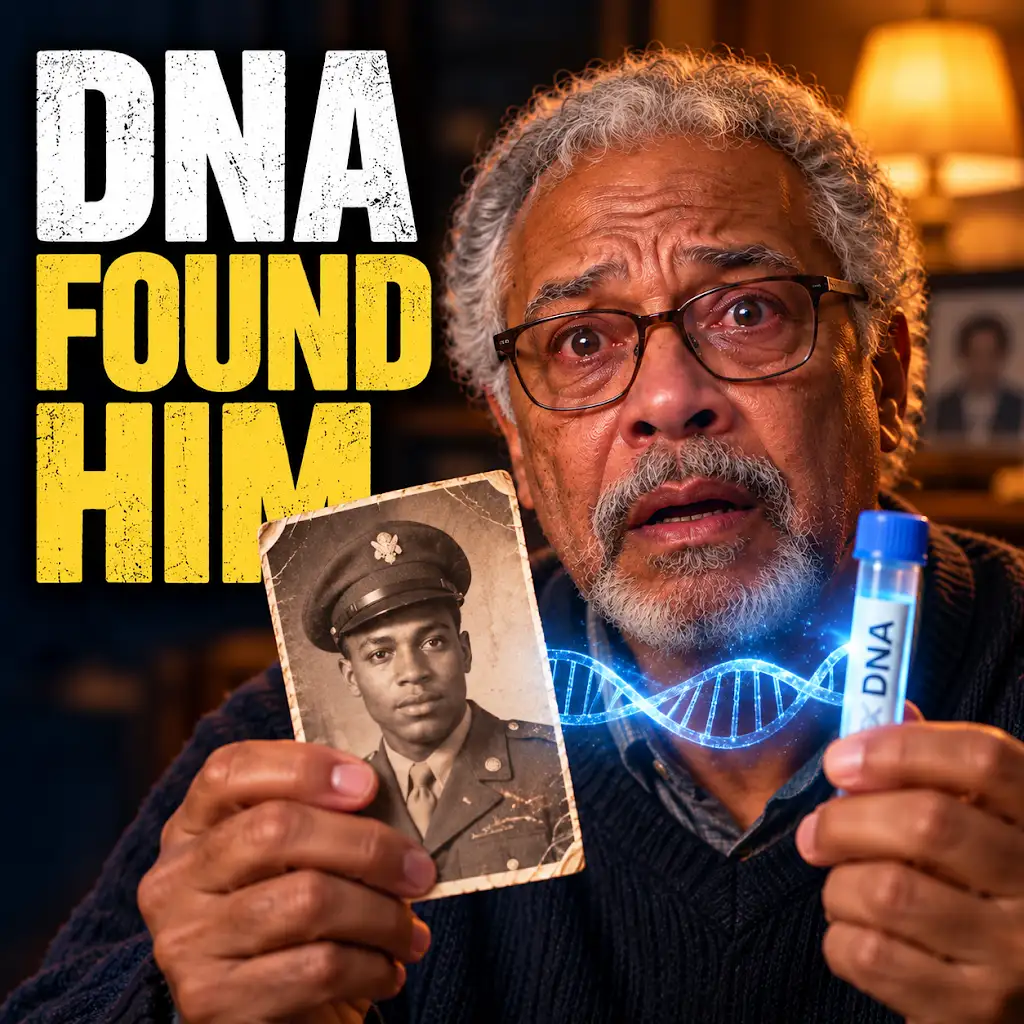
His WWII GI Father Was a Mystery for Nearly 80 Years
FAQs
What were WWII brown babies in Britain?
WWII brown babies in Britain were children born to black or mixed-race servicemen and white British women during World War II.
How many WWII brown babies were born in Britain?
It is estimated that around 2,000 to 3,000 brown babies were born in Britain during World War II.
What challenges did WWII brown babies face in Britain?
WWII brown babies faced discrimination, prejudice, and social stigma due to their mixed-race heritage. Many were placed in orphanages or foster care due to societal attitudes at the time.
Did the British government provide support for WWII brown babies?
The British government did not provide specific support for WWII brown babies. Many of these children grew up without knowledge of their fathers or their heritage.
What is being done to recognize and acknowledge WWII brown babies in Britain today?
Efforts are being made to raise awareness about the experiences of WWII brown babies in Britain, including documentaries, research projects, and campaigns to highlight their stories and ensure their place in history.