The Unseen Legacy: British Children of American GIs
The Second World War, a global conflagration that reshaped the world, brought with it profound social shifts, some anticipated, others deeply unexpected. Among the latter were the children born to British women and American servicemen stationed in the United Kingdom during the conflict. These “British Brown Babies,” as they became colloquially known, represent a unique and often overlooked chapter in wartime history, a testament to the complex human relationships that blossom even amidst the brutal realities of war. Their stories, marked by stigma, resilience, and a persistent search for identity, paint a vivid picture of wartime love, social prejudice, and the enduring strength of family bonds.
The story of British brown babies during World War II highlights the complex social dynamics and racial issues that emerged in post-war Britain. For a deeper understanding of this topic, you can explore the article titled “The Legacy of British Brown Babies: A Historical Perspective” available at this link. This article delves into the experiences of mixed-race children born to British mothers and African or Caribbean fathers during the war, shedding light on their struggles and the societal challenges they faced in a changing Britain.
Wartime Encounters and Unexpected Bonds
The arrival of hundreds of thousands of American GIs in Britain, beginning in 1942, was a momentous event. Their presence was initially a source of comfort and a symbol of impending victory for a nation weary from years of conflict and rationing. The Americans, often younger, better-equipped, and possessing a seemingly boundless optimism, stood in stark contrast to the grim realities faced by the British populace. This influx of foreign soldiers, far from home, inevitably led to social interactions that transcended the battlefield. Dance halls, pubs, and casual encounters in towns and cities across Britain became fertile ground for romances to blossom. For many British women, the presence of American servicemen offered a fleeting escape from the anxieties of war, a chance for affection and a glimpse of a world beyond the immediate struggle.
The “Yanks” and British Society
The American GIs were welcomed by many, but their integration into British society was not without its challenges. Cultural differences, ranging from slang and humour to societal norms, sometimes created friction. Furthermore, the sheer number of American troops, their perceived wealth (relative to wartime Britain), and their confident demeanour could evoke envy and resentment in some quarters. While the overall reception was generally positive, and the alliance was crucial for the war effort, the personal relationships that developed between servicemen and local women were often viewed with suspicion and judgment by segments of British society.
Transcending Borders: Love in the Shadow of Conflict
Despite the societal reservations, genuine affection and deep connections did form between British women and American soldiers. These were not merely fleeting wartime dalliances but often earnest relationships, sometimes leading to marriage and the desire to build a life together. For many of these couples, the looming prospect of the war’s end and the potential separation it entailed added a layer of urgency to their commitments. The idea of a British woman accompanying her American husband back to the United States, or an American serviceman remaining in Britain, was a significant consideration for these burgeoning families. However, the prevailing social attitudes towards inter-racial relationships, particularly those involving Black American servicemen and white British women, would cast a long shadow over these unions and their offspring.
The Birth of the “Brown Babies”

The birth of children from these relationships, particularly when the father was a Black American soldier, brought a unique set of challenges. These children, often referred to by the term “Brown Babies,” were a visible manifestation of wartime intimacy that challenged prevailing racial prejudices. In Britain, while not as rigidly segregated as the United States, racial attitudes were still deeply entrenched. The presence of Black GIs, while often accepted within the context of the war alliance, did not automatically translate into acceptance of their relationships or their children. This led to a complex and often painful reality for these families.
Societal Stigma and Discrimination
The “Brown Babies” and their mothers often faced significant social stigma and discrimination. While overt segregation was less common than in America, whispers, judgmental stares, and social exclusion were pervasive. These children, due to their darker skin tone, were easily identifiable as being of mixed heritage, making them targets for prejudice. Their mothers, too, were often ostracized, labelled as “loose women” or worse, for having relationships with Black men. This created a climate of isolation and shame for many families, forcing them to navigate a world that was often hostile to their very existence.
The Absence of Fathers: A Lingering Question
A significant factor in the lives of many “Brown Babies” was the absence of their fathers. The end of the war meant that most American servicemen, regardless of race, returned to the United States. For the vast majority of Black GIs, returning to the racially charged atmosphere of post-war America, often without the immediate means or legal standing to bring their families, meant that separation was the norm. While some fathers did attempt to maintain contact, or even marry their British partners before returning, many were unable to do so. This left children growing up without knowing their fathers, leading to a lifelong quest for information and connection. The legalities of paternity, often complicated by wartime circumstances, added another layer of difficulty for these children seeking to understand their heritage.
The Post-War Reality: Navigating a Divided World
The end of World War II did not signal an end to the challenges faced by “British Brown Babies.” Instead, it ushered in a new phase of navigating a post-war world that, in many ways, remained deeply divided by race. While the war had forged an alliance between nations, it had not eradicated the deeply ingrained prejudices within societies. The children born of these wartime unions found themselves caught between two cultures, often feeling like outsiders in both.
Life in Britain: A Search for Belonging
For many “Brown Babies” who remained in Britain, life was a constant negotiation of their identity. They were British citizens, born and raised on British soil, yet their appearance often marked them as different. While some families were loving and supportive, others struggled with the societal pressures, leading to a sense of alienation for the children. They might face bullying at school, discrimination in housing, or simply the uncomfortable feeling of being constantly observed and judged. The absence of their fathers, and the limited knowledge about their American heritage, further compounded their sense of rootlessness.
The American Dream Deferred: Tales of Emigration
For a smaller number of these children, the dream of joining their American fathers, or at least connecting with that side of their heritage, led to attempts to emigrate to the United States. These journeys were often fraught with logistical and legal hurdles. The United States, still grappling with its own complex racial landscape, was not always a welcoming destination. Even for those who succeeded in reaching America, they often found themselves facing new forms of discrimination and the challenge of integrating into a society that viewed them through a racial lens. The stories of these emigrants are diverse, some finding belonging and opportunity, others facing continued hardship and a sense of never truly fitting in.
The story of British brown babies during World War II is a poignant chapter in history that highlights the complexities of race and identity in a time of conflict. For those interested in exploring this topic further, an insightful article can be found on the subject, shedding light on the experiences of these children and their families. You can read more about it in this related article, which delves into the societal challenges they faced and the lasting impact of their stories.
The Enduring Quest for Identity and Connection
| Metric | Details |
|---|---|
| Term Definition | “British brown babies” refers to children born to British women and South Asian or African soldiers stationed in the UK during World War II. |
| Time Period | 1939 – 1945 (World War II) |
| Estimated Number of British Brown Babies | Several thousand (exact numbers unknown due to lack of official records) |
| Common Challenges Faced | Social stigma, racial discrimination, and difficulties in adoption or family acceptance |
| Origin of Fathers | Primarily soldiers from British colonies in South Asia (India, Pakistan) and Africa |
| Post-War Impact | Raised awareness of racial diversity in Britain and contributed to early multiculturalism |
| Government Response | Limited official support; many children placed in orphanages or adopted by white families |
The legacy of the “British Brown Babies” is one of resilience and an enduring quest for identity and connection. For decades, many of these individuals lived with unanswered questions about their fathers, their heritage, and their place in the world. The advent of the internet and the increasing ease of genealogical research in recent years have opened new avenues for them to explore their past.
Uncovering Family Histories
A significant number of “Brown Babies” have, in recent decades, embarked on a journey to find their American fathers or paternal relatives. These searches have often been emotional and deeply rewarding, leading to the discovery of long-lost family members and a deeper understanding of their paternal lineage. Social media groups and online forums dedicated to wartime relationships and “Brown Babies” have become invaluable resources, connecting individuals with shared experiences and facilitating these searches. The stories unearthed are often poignant, revealing tales of love, loss, and the human cost of war and prejudice.
The Legacy of Resilience
The experiences of the “British Brown Babies” highlight a profound aspect of wartime history: the human capacity for love and connection to transcend borders and conflict. Their lives, shaped by the unique circumstances of their births, are a testament to the resilience of the human spirit. They have, in their own ways, challenged societal norms and contributed to a broader understanding of race, identity, and belonging. Their stories, once largely untold, are now being brought to light, ensuring that this unique chapter of wartime history is remembered and acknowledged. The “British Brown Babies” are not simply a footnote in the annals of World War II; they are a living legacy, a reminder of the complex tapestry of human relationships that emerged from one of the 20th century’s most defining events.
A New Understanding: Acknowledging the Unseen
The narrative surrounding the “British Brown Babies” is evolving. Once largely invisible, their stories are gaining recognition, prompting a re-evaluation of wartime social history. This growing awareness is crucial not only for honouring the individuals who navigated these complex circumstances but also for a more nuanced understanding of the social impact of military deployments and the enduring consequences of racial prejudice.
The Role of Historical Research and Personal Narratives
Recent historical research, alongside the proliferation of personal testimonies and memoirs, has been instrumental in bringing the experiences of “British Brown Babies” into sharper focus. Historians are increasingly examining the social dynamics of the American presence in Britain, moving beyond purely military or political analyses to explore the intimate, personal dimensions of the war. Simultaneously, the courage of individuals to share their stories, often after decades of silence, has provided invaluable insights into the lived realities of growing up in post-war Britain with a mixed-race heritage. These narratives offer a powerful counterpoint to broader historical accounts, humanizing the statistics and revealing the profound emotional impact of wartime relationships and societal attitudes.
Towards a More Inclusive Historical Memory
The acknowledgment of the “British Brown Babies” is a step towards a more inclusive historical memory. It recognizes that wartime experiences extend far beyond the battlefield and that the social consequences of conflict can be profound and long-lasting. By understanding the challenges and triumphs of these individuals and their families, society can gain a deeper appreciation for the complexities of identity, belonging, and the ongoing fight against prejudice. The legacy of these children serves as a powerful reminder that every individual has a story, and that history is enriched when all voices, particularly those that have been historically marginalized, are heard and understood. Their journey, from wartime conception to a present-day quest for identity, offers a poignant and vital chapter in the broader narrative of 20th-century Britain and its enduring connection to the United States.
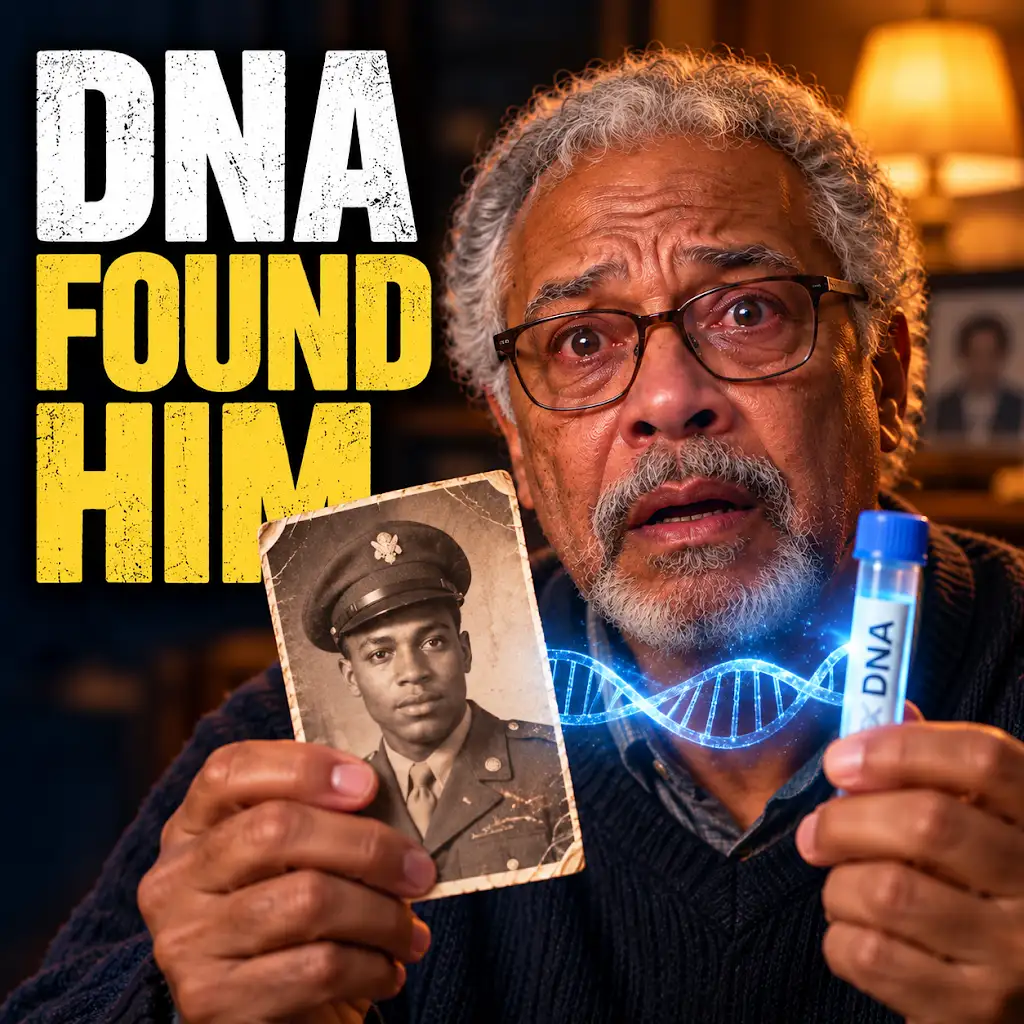
His WWII GI Father Was a Mystery for Nearly 80 Years
FAQs
What were British brown babies in World War II?
British brown babies were mixed-race children born to black American GIs and white British women during World War II.
How many British brown babies were born during World War II?
It is estimated that around 2,000 to 3,000 British brown babies were born during World War II.
What challenges did British brown babies face after the war?
British brown babies faced discrimination, stigma, and social exclusion due to their mixed-race heritage in a society that was not accepting of interracial relationships at the time.
Were British brown babies able to reunite with their American fathers?
Many British brown babies were not able to reunite with their American fathers as the GIs returned to the United States after the war and there were barriers to communication and travel.
How has the history of British brown babies in World War II been acknowledged?
In recent years, efforts have been made to acknowledge and commemorate the history of British brown babies in World War II through documentaries, books, and exhibitions to raise awareness about their experiences and challenges.