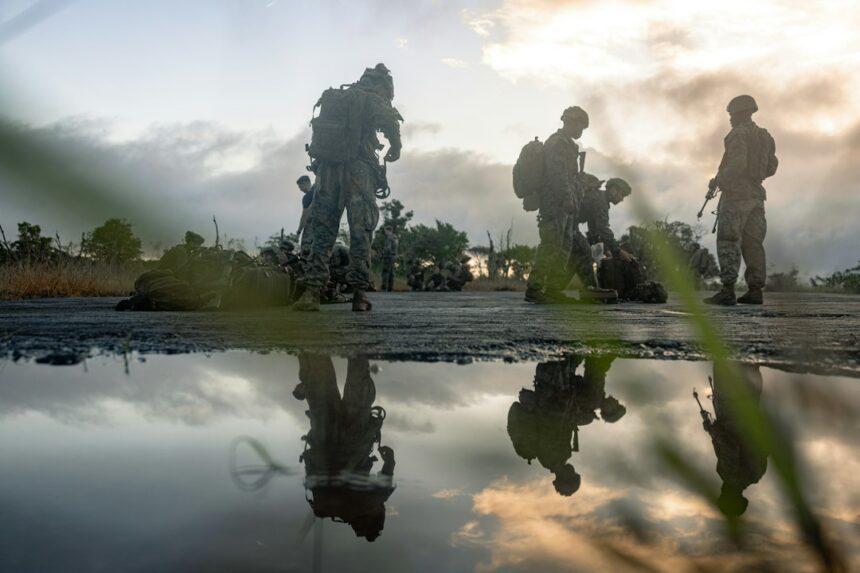
The dawn of May 2, 2011, marked the culmination of years of meticulous planning, relentless training, and unparalleled expertise. It was the night that SEAL Team Six, an elite unit operating in the shadows, executed Operation Neptune Spear, a daring raid that resulted in the death of Osama bin Laden. This mission, a landmark achievement in counterterrorism, was not a sudden, spontaneous act but the product of a highly specialized and rigorously trained force, whose capabilities were honed to perfection for precisely such a critical undertaking. The success of the bin Laden mission stands as a testament to the extraordinary dedication, sophisticated training methodologies, and unwavering expertise that define SEAL Team Six.
SEAL Team Six, officially known as the Naval Special Warfare Development Group (DEVGRU), was not born into the public spotlight. Its origins are shrouded in the classified operations of the late 1970s, a direct response to the perceived shortcomings in American special operations capabilities following the disastrous Iran hostage rescue attempt in 1980. The need for a highly specialized, agile, and deniable unit capable of conducting high-risk, sensitive operations became starkly apparent.
Post-Desert One Realization: The Imperative for a New Breed of Operative
The failed Operation Eagle Claw in April 1980, an attempt to rescue American diplomats held hostage in Tehran, exposed critical deficiencies in inter-service coordination, communication, and the specialized training required for complex hostage rescue scenarios. The mission was plagued by equipment failures, helicopter malfunctions, and ultimately, a tragic helicopter collision. This ignominious failure underscored the necessity for a dedicated unit, comprised of the very best individuals, to be specifically trained and equipped for the most demanding special operations missions.
The Birth of SEAL Team Six: A Focused Mission and Unique Structure
In response to these stark realities, SEAL Team Six was established in November 1980. Its initial mandate was clear: to develop tactics, techniques, and procedures for counter-terrorist operations, particularly those involving hostages. Unlike traditional SEAL teams, SEAL Team Six was envisioned as a more specialized and experimental unit, drawing its operators from the existing SEAL community but with a distinct focus on unconventional warfare, direct action, and intelligence-driven operations. This allowed for a more tailored approach to training and mission development, unburdened by the broader operational demands placed on regular SEAL platoons.
Evolution into DEVGRU: Adapting to a Changing Threat Landscape
Over the decades, SEAL Team Six has undergone a name change to the Naval Special Warfare Development Group (DEVGRU), a testament to its evolving role and expanded capabilities. While the “Team Six” moniker remains deeply ingrained, the designation change reflects its broader mandate, encompassing not only counter-terrorism but also special reconnaissance, direct action, and unconventional warfare against a wide spectrum of threats. This evolution has been driven by the ever-changing nature of global security challenges, requiring the unit to continuously adapt and innovate.
The decision to assign SEAL Team Six the mission to capture or kill Osama bin Laden was influenced by their extensive training and previous successful operations, which highlighted their capability to handle high-stakes missions. For a deeper understanding of the factors that led to this pivotal choice, you can read the article that explores the intricacies of the operation and the elite team’s preparation at this link: Why SEAL Team Six Got the Bin Laden Mission.
The Crucible of Training: Forging Unparalleled Expertise
The operators of SEAL Team Six are not simply skilled soldiers; they are individuals who have endured a training regimen that pushes the boundaries of human physical and mental endurance. This elite training is the bedrock of their extraordinary capabilities, meticulously designed to prepare them for every conceivable scenario, from the barren deserts of Afghanistan to the cramped confines of a ship at sea. The selection process itself is incredibly stringent, with only a minuscule percentage of applicants making it through the initial stages.
“Budweiser” and Beyond: The Foundation of SEAL Training
The initial hurdle for any aspiring SEAL is the Basic Underwater Demolition/SEAL (BUD/S) training, a notoriously brutal and unforgiving course that weeds out all but the most resilient. This six-month program is designed to test an individual’s physical strength, mental fortitude, and ability to perform under extreme stress and deprivation. Hell Week, a pivotal phase of BUD/S, is legendary for its punishing regime of constant physical exertion, sleep deprivation, and exposure to the elements. It is here that the fundamental traits of teamwork, perseverance, and an unyielding will to succeed are forged.
Advanced Skills and Specialization: Beyond the Basics
Upon graduating from BUD/S, SEAL candidates embark on further advanced training, specializing in a wide array of disciplines. This includes:
Weapons Proficiency: Masters of Every Arsenal
Operators undergo extensive training with a vast array of firearms, from handguns and assault rifles to sniper systems and crew-served weapons. This training emphasizes not only marksmanship but also the tactical deployment of these weapons in dynamic, high-pressure environments. They become adept at transitioning between weapon systems seamlessly and at engaging targets with precision and speed under adverse conditions.
Combat Medicine: Life Savers in the Line of Fire
SEALs are trained to be combat medics, equipped to provide life-saving medical care in austere and dangerous environments. This includes advanced trauma care, wound management, and the ability to stabilize casualties for evacuation, often under direct enemy fire. Their medical expertise is critical in ensuring the survival of both their teammates and any civilians they may be tasked to protect.
Explosive Ordnance Disposal (EOD): Navigating the Threat of Improvised Devices
A significant portion of SEAL Team Six’s operational environment involves countering the threat of improvised explosive devices (IEDs) and other explosive threats. Operators receive rigorous training in identifying, disarming, and rendering safe various explosive devices, a skill that directly contributes to mission success and the safety of friendly forces.
Maritime Operations: Masters of the Sea and Shore
Given their naval origins, SEALs are expert swimmers and divers, proficient in a wide range of maritime operations. This includes:
Subsurface Operations: The Unseen Infiltration
SEALs are trained in closed-circuit rebreather diving, allowing them to operate underwater for extended periods without producing a bubble trail, making them virtually undetectable. This capability is crucial for covert insertion and reconnaissance missions.
Surface and Submarine Operations: Strategic Insertion and Extraction
They are adept at utilizing various maritime vessels, from small inflatable craft to submarines, for infiltration and exfiltration. This encompasses knowledge of navigation, vessel handling, and covert deployment from or recovery by larger naval assets.
Air Operations: Vertical Envelopment and Aerial Mobility
SEAL Team Six also possesses extensive expertise in air operations, enabling them to conduct missions via helicopter, fixed-wing aircraft, and even parachuting. This includes:
Rotary-Wing Insertion and Extraction: Swift and Stealthy Deployment
Operators are trained to work with aviation units for rapid insertion and extraction from hostile territory via helicopters, often at night and in challenging weather conditions.
Static-Line and Freefall Parachuting: High-Altitude Infiltration
They are skilled in both static-line and freefall parachuting, allowing for high-altitude, low-opening (HALO) insertions into remote or inaccessible areas, further enhancing their operational flexibility.
Continuous Training and Rehearsal: The Path to Perfection
The training for a mission like Neptune Spear does not end with basic or advanced skill acquisition. For SEAL Team Six, it is a continuous cycle of realistic simulations, intelligence-driven rehearsals, and constant refinement of tactics. This commitment to ongoing training ensures that operators remain at the peak of their readiness, capable of executing complex operations with precision and adaptability.
Operational Planning and Intelligence: The Unseen Foundation of Success
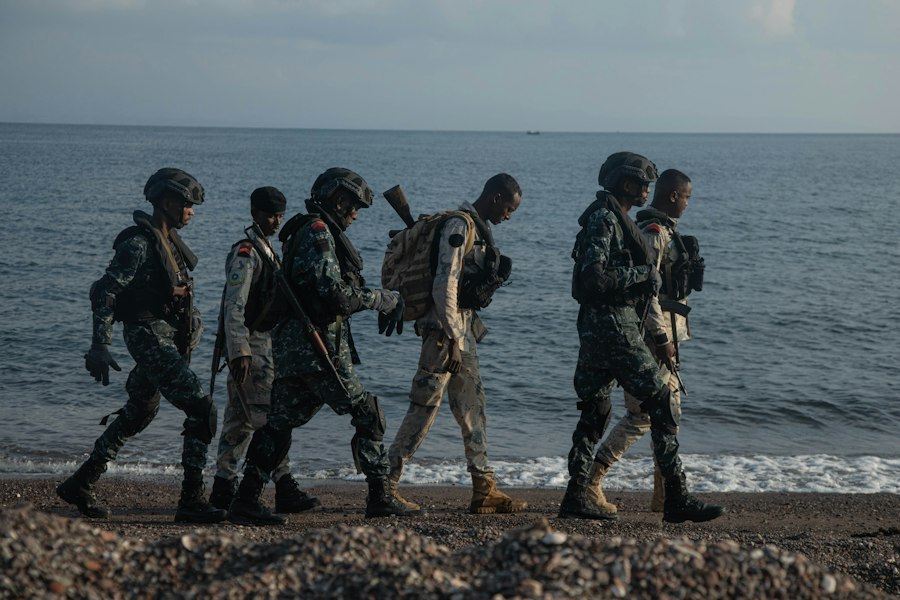
The success of any special operations mission, particularly one as high-stakes as the bin Laden raid, rests on a foundation of meticulous planning and comprehensive intelligence. SEAL Team Six operates in close synergy with intelligence agencies, transforming raw data into actionable insights that inform every aspect of mission execution.
The Intelligence-Gathering Nexus: A Multi-Agency Effort
The planning for the bin Laden mission involved an unprecedented level of inter-agency cooperation. Intelligence gathered by agencies such as the CIA, NSA, and DIA was crucial in pinpointing bin Laden’s compound in Abbottabad, Pakistan, and understanding its layout, security measures, and the daily routines of its inhabitants. This intelligence was not static; it was continuously updated and analyzed, providing real-time insights that shaped the mission parameters.
Target Analysis and Threat Assessment: Understanding the Enemy
A critical phase of planning involved a thorough analysis of the target environment and the potential threats. SEAL Team Six operators and planners meticulously studied the compound’s defenses, the likely presence of al-Qaeda fighters, and the potential for civilian casualties. This detailed threat assessment allowed for the development of specific counter-measures and contingency plans.
Mission Planning and Rehearsal: Every Scenario Considered
The planning for the bin Laden raid was characterized by an obsessive attention to detail. Every possible scenario, from successful entry and capture to compromised operations and extraction under fire, was considered and rehearsed.
Mock-Up Rehearsals: Visualizing the Operation
Crucially, the SEAL Team Six operators practiced their assault on a full-scale mock-up of the bin Laden compound, constructed at a secret training facility. This allowed them to familiarize themselves with the terrain, the building layouts, and the operational flow, minimizing any surprises during the actual mission.
Contingency Planning: Preparing for the Unexpected
Despite the meticulous planning, special operations missions are inherently unpredictable. SEAL Team Six developed extensive contingency plans to address a wide range of potential problems, including equipment failures, unexpected resistance, and the need for rapid extraction. This foresight was vital in ensuring the team’s ability to adapt and overcome unforeseen challenges.
The Bin Laden Mission: A Symphony of Elite Execution
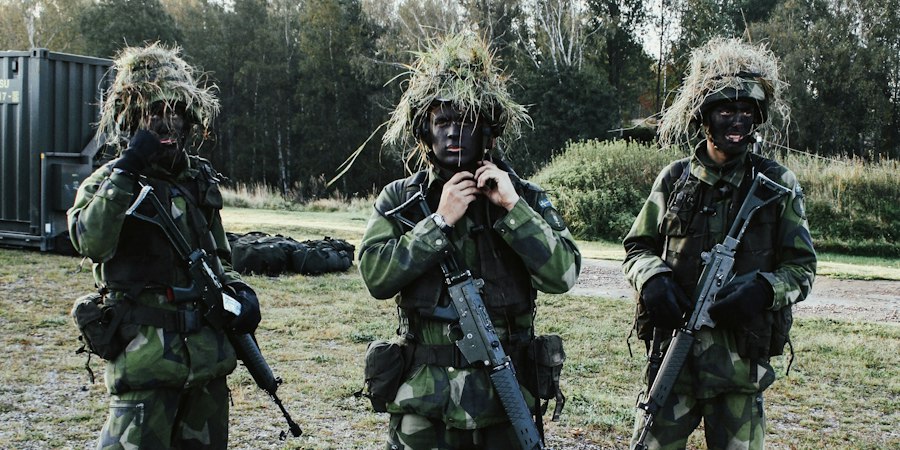
Operation Neptune Spear was the ultimate test of SEAL Team Six’s elite training and expertise. It was a mission carried out with surgical precision, demonstrating the culmination of years of preparation and the unwavering resolve of its operators.
Infiltration and Entry: Stealth and Speed in the Darkness
Under the cover of darkness, two specially designed MH-60 Black Hawk helicopters, equipped with advanced stealth technology, carried the SEAL Team Six operators towards their target. The insertion was planned to be as quiet and covert as possible, minimizing the risk of detection by Pakistani forces or al-Qaeda operatives. The lead helicopter experienced an unexpected mechanical issue upon arrival, forcing an emergency landing that could have jeopardized the entire mission. However, the SEALs’ adaptability and training kicked in, and they immediately transitioned to the secondary helicopter, demonstrating their ability to overcome immediate operational setbacks.
The Assault: Decisive Action and Tactical Superiority
Once inside the compound, the SEALs moved with speed and precision, clearing rooms and neutralizing any opposition. Their combat training, honed through countless hours of simulated engagements, allowed them to effectively address the al-Qaeda fighters present. The operation was designed to be swift and decisive, minimizing the risk to non-combatants and preventing the destruction of valuable intelligence.
Identification and Confirmation: The Unmistakable Result
Osama bin Laden was located on the third floor of the compound and was quickly identified and killed. The confirmation of his death was a critical element of the mission, ensuring that the objective had been achieved. The operators followed strict protocols for handling the deceased, including obtaining DNA evidence for positive identification.
Exfiltration and Aftermath: A Swift Departure and a World Transformed
Following the successful neutralization of bin Laden, the SEALs exfiltrated the compound, leaving behind sensitive materials for intelligence exploitation. The entire operation was executed with remarkable speed and efficiency, reflecting the team’s extraordinary preparedness and discipline. The news of bin Laden’s death sent shockwaves around the world, marking a significant victory in the global war on terror.
The decision to assign SEAL Team Six the mission to capture or kill Osama bin Laden was influenced by their extensive training and previous successful operations, which positioned them as the most capable unit for such a high-stakes task. A related article discusses the strategic considerations and the selection process behind this pivotal mission, shedding light on the factors that led to this choice. For more insights, you can read the full article here.
The Legacy of Neptune Spear: A Benchmark for Special Operations
| Metric | Details |
|---|---|
| Unit | SEAL Team Six (DEVGRU) |
| Mission | Operation Neptune Spear – Capture/Kill Osama bin Laden |
| Expertise | Counterterrorism, hostage rescue, covert operations |
| Training | Advanced special operations training, including close quarters combat and intelligence gathering |
| Experience | Previous high-profile missions including targeting Al-Qaeda and Taliban leadership |
| Intelligence Support | Close collaboration with CIA and intelligence agencies for actionable intelligence |
| Operational Readiness | Rapid deployment capability and ability to operate in hostile environments |
| Selection Criteria | Highly skilled operators selected for precision, stealth, and mission success rate |
| Technological Advantage | Use of advanced helicopters, surveillance, and communication equipment |
The success of Operation Neptune Spear cemented SEAL Team Six’s reputation as one of the most capable special operations forces in the world. It served as a powerful demonstration of what can be achieved when highly trained individuals, equipped with superior intelligence and planning, are given the mission and the autonomy to execute it.
A Testament to Dedicated Service: The Unseen Heroes
The bin Laden mission highlights the immense sacrifices and dedication of the men and women who serve in elite special operations units. These individuals often operate in the shadows, undertaking perilous missions with little public recognition. Their commitment to duty and their willingness to face extreme danger are the bedrock of national security.
The Future of Counterterrorism: Evolving Threats and Enduring Capabilities
The lessons learned from the bin Laden mission continue to inform the evolution of counterterrorism strategies and special operations tactics. As threats evolve, so too must the capabilities of units like SEAL Team Six. Their commitment to continuous training, technological advancement, and intelligence superiority ensures they remain at the forefront of protecting national interests and combating global threats.
The Importance of Specialization: Elite Units in a Complex World
The success of SEAL Team Six in the bin Laden mission underscores the critical importance of specialized units in addressing complex security challenges. While general military forces are essential, highly trained and specialized units are often required for the most sensitive and high-risk operations. Their focused expertise and rigorous training allow them to operate effectively in environments where conventional forces may struggle. The legacy of Neptune Spear is not just the death of a terrorist leader; it is a powerful affirmation of the effectiveness of elite training and the indispensable role of specialized expertise in safeguarding the world.
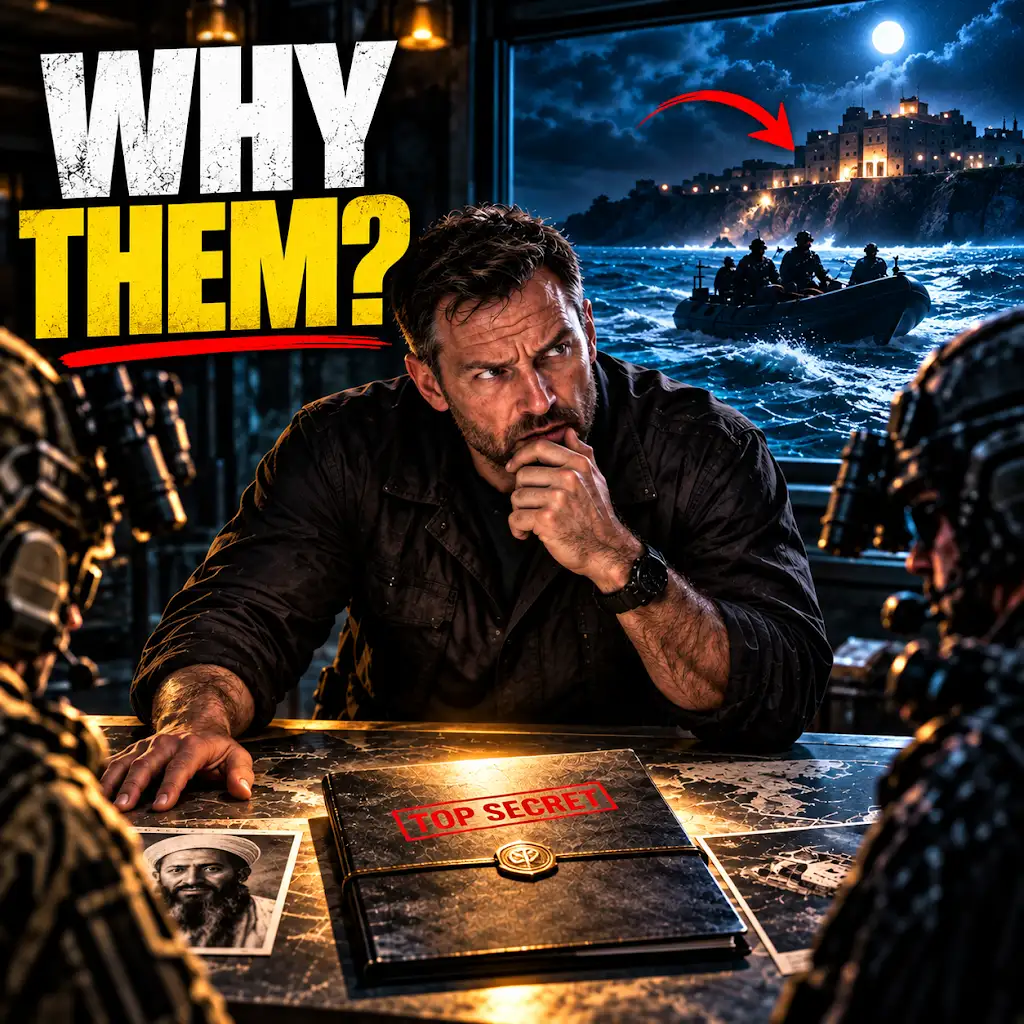
Why SEAL Team Six Got the Bin Laden Raid — Not Delta Force
FAQs
1. Who is SEAL Team Six?
SEAL Team Six, officially known as the United States Naval Special Warfare Development Group (DEVGRU), is a special operations unit within the U.S. Navy.
2. Why was SEAL Team Six chosen for the bin Laden mission?
SEAL Team Six was chosen for the bin Laden mission due to their reputation as one of the most elite and highly trained special operations units in the world, with extensive experience in counter-terrorism operations.
3. How did SEAL Team Six carry out the bin Laden mission?
SEAL Team Six conducted the bin Laden mission in a covert operation that involved helicopter insertion into Abbottabad, Pakistan, where they raided the compound where Osama bin Laden was hiding.
4. What was the outcome of the bin Laden mission conducted by SEAL Team Six?
The outcome of the bin Laden mission conducted by SEAL Team Six was the successful killing of Osama bin Laden, the leader of the terrorist organization al-Qaeda, on May 2, 2011.
5. What impact did the bin Laden mission have on SEAL Team Six?
The successful bin Laden mission elevated the reputation of SEAL Team Six as a premier special operations unit and showcased their capabilities in executing high-risk missions with precision and effectiveness.