Inside JSOC: Understanding Mission Assignments
The Joint Special Operations Command (JSOC) stands as a clandestine and highly specialized entity within the United States military, responsible for executing the nation’s most sensitive and dangerous missions. Its operational framework is a marvel of intricate planning, cutting-edge technology, and unparalleled human skill. At the heart of JSOC’s efficacy lies its meticulous process of mission assignment, a complex choreography that ensures the right operators, with the right resources, are deployed to achieve the most critical objectives. This article delves into the inner workings of JSOC, specifically focusing on how mission assignments are conceived, developed, executed, and the profound implications they carry.
The initiation of a JSOC mission assignment is rarely a spontaneous event. It is the product of a deeply embedded intelligence apparatus and a strategic understanding of global threats and opportunities. The United States government, through various intelligence agencies and national security bodies, constantly monitors and analyzes information, identifying potential threats to national security, hostile actions by state or non-state actors, and opportunities to advance U.S. interests.
Intelligence Gathering and Analysis
The foundational pillar of any JSOC mission assignment is robust intelligence. This is not a singular, monolithic process but rather a multi-faceted endeavor involving a diverse array of sources and methods.
Human Intelligence (HUMINT)
HUMINT remains an indispensable asset, relying on the dedication and bravery of undercover operatives and assets embedded within hostile organizations or territories. These individuals provide firsthand accounts, insights into enemy intentions, and crucial details about operational environments. The information gleaned from HUMINT can often be the spark that ignites the formal consideration of a mission.
Signals Intelligence (SIGINT)
SIGINT, encompassing intercepted communications and electronic signals, provides real-time insights into enemy movements, plans, and capabilities. Sophisticated listening posts, airborne platforms, and satellite reconnaissance systems collect vast amounts of data that are then meticulously analyzed by specialized SIGINT units. Patterns, keywords, and anomalies within this data can signal impending threats or highlight critical vulnerabilities that a special operations mission might address.
Geospatial Intelligence (GEOINT)
GEOINT, derived from imagery and geospatial data, offers a visual understanding of the operational environment. Satellite imagery, aerial reconnaissance, and even commercial satellite data provide details about terrain, infrastructure, troop concentrations, and potential target locations. This visual intelligence is critical for understanding the physical context of a potential mission.
Open-Source Intelligence (OSINT)
In the modern era, the vast expanse of publicly available information – from social media and news reports to academic papers and public records – constitutes a valuable source of intelligence. OSINT analysts sift through this data to identify trends, understand public sentiment, and uncover hidden connections that might inform mission planning.
Other Intelligence Disciplines
Beyond these core disciplines, JSOC relies on a spectrum of other intelligence inputs, including measurement and signature intelligence (MASINT), which analyzes unique physical characteristics of targets, and technical intelligence (TECHINT), which focuses on understanding enemy equipment and technology.
Strategic Threat Assessment and Policy Directives
Once raw intelligence is collected and analyzed, it is synthesized into actionable assessments. These assessments are then presented to senior policymakers and national security advisors. The decision to pursue a JSOC mission is not made in a vacuum; it is deeply intertwined with overarching U.S. foreign policy objectives and national security strategies.
National Security Council (NSC) Deliberations
The National Security Council, chaired by the President, is the principal forum for discussion and decision-making on national security matters. When intelligence indicates a threat or opportunity that might warrant specialized military intervention, the NSC will convene to assess the situation, weigh the risks and benefits of various courses of action, and provide guidance.
Presidential Directives and Executive Orders
Ultimately, the authorization for a JSOC mission, particularly those involving significant risk or operating in sensitive political environments, often stems from direct Presidential directives or executive orders. These documents outline the broad objectives and parameters of the mission, setting the strategic intent.
The Joint Special Operations Command (JSOC) mission assignment process is a critical aspect of how special operations are planned and executed. For a deeper understanding of this intricate process, you can refer to a related article that delves into the strategic frameworks and operational guidelines that govern JSOC’s assignments. This article provides valuable insights into the decision-making criteria and the coordination required for successful mission execution. To explore this further, visit In the War Room.
The Art of the Assignment: From Concept to Plan
Once a need for a JSOC mission is identified and authorized, the process of translating that need into a concrete assignment begins. This is a highly structured and iterative process involving multiple levels of command and specialized planning cells.
Mission Type and Objective Definition
The initial step involves clearly defining the type of mission and its overarching objectives. JSOC units are trained for a wide array of operations, and the assignment must accurately reflect the desired outcome.
Direct Action (DA)
Direct action missions involve the seizure or destruction of targets, or the disruption of enemy functions. These are typically short-duration, high-risk engagements with clear physical objectives.
Special Reconnaissance (SR)
Special reconnaissance missions focus on gathering intelligence about enemy forces, capabilities, or activities in denied areas. These missions are often clandestine and can involve extended periods of observation.
Counterterrorism (CT)
Counterterrorism operations are designed to prevent, deter, and respond to terrorist threats. This can involve disrupting terrorist networks, interdicting hostile actors, or rescuing hostages.
Foreign Internal Defense (FID)
FID missions involve advising, training, and assisting foreign governments in their efforts to counter internal threats, such as insurgencies or terrorist groups.
Unconventional Warfare (UW)
UW operations involve the development and support of indigenous resistance movements or guerrilla forces operating behind enemy lines.
The Role of JSOC Components
JSOC comprises several highly specialized units, each with unique capabilities and areas of expertise. The assignment process ensures that the most appropriate component or combination of components is tasked.
Delta Force (1st Special Forces Operational Detachment-Delta)
Delta Force is renowned for its direct action capabilities, focusing on hostage rescue, counterterrorism, and high-value target neutralization.
SEAL Teams (Naval Special Warfare Development Group – DEVGRU)
DEVGRU, often referred to as SEAL Team Six, is another elite direct action unit specializing in maritime counterterrorism, special reconnaissance, and direct action operations in maritime and coastal environments.
75th Ranger Regiment
While not exclusively a JSOC unit, the 75th Ranger Regiment often partners with JSOC components and is frequently tasked with direct action and special reconnaissance missions requiring rapid deployment and assault capabilities.
Special Mission Units (SMUs)
JSOC also includes other specialized units with unique skill sets, such as those focused on intelligence fusion, cyber operations, or specialized support functions. The specific requirements of a mission dictate which SMUs are brought into the planning fold.
Initial Intelligence Briefing and Risk Assessment
Once a potential mission is identified and a preliminary assignment is drafted, the assigned unit receives an initial intelligence briefing. This briefing provides the operators with the available information about the target, the operational environment, potential enemy threats, and any known risks. A critical component of this stage is a thorough risk assessment.
Force Protection Measures
Understanding and mitigating risks to the deployed force is paramount. This involves identifying potential threats, enemy tactics, terrain hazards, and the likelihood of encountering unexpected resistance.
Mission Success Probabilities
Based on the available intelligence and risk assessment, preliminary probabilities of mission success are calculated. This helps in determining if the mission is feasible and if the potential benefits outweigh the inherent risks.
Crafting the Operational Plan: The Detailed Assignment

The transition from a general assignment to a detailed operational plan is where the true complexity and sophistication of JSOC’s mission assignment process become apparent. This involves rigorous planning, resource allocation, and constant refinement.
Detailed Intelligence Requirements (DIRs)
As planning progresses, the initial intelligence picture is refined. The assigned unit, in coordination with intelligence agencies, will develop Detailed Intelligence Requirements (DIRs) – specific questions that need answering to ensure mission success. This drives further intelligence collection efforts.
Target Analysis and Profiling
In-depth analysis of the target is conducted. This includes understanding the target’s physical characteristics, security measures, routines, and potential vulnerabilities. For human targets, profiles are developed, encompassing their habits, known associates, and psychological traits.
Operational Environment Assessment
A comprehensive assessment of the operational environment is crucial. This includes analyzing the political landscape, local population sentiment, terrain, weather patterns, and the presence of any allied or neutral forces.
Command and Control (C2) Structure
Establishing a clear and robust Command and Control (C2) structure is vital for coordinating complex operations. This involves defining lines of authority, communication protocols, and fallback procedures.
Mission Command Philosophy
JSOC operates under a mission command philosophy, empowering subordinate leaders to make decisions within the commander’s intent. This agility is crucial in rapidly evolving operational environments.
Communication Systems
The reliability and security of communication systems are paramount. JSOC employs advanced, encrypted communication technologies to maintain situational awareness and enable seamless coordination.
Infiltration and Exfiltration Planning
The methods by which operators will enter and leave the operational area are meticulously planned. This can involve a variety of techniques, from HALO (High Altitude-Low Opening) jumps and submarine insertion to clandestine overland movements.
Rules of Engagement (ROE)
The Rules of Engagement (ROE) are the specific directives that authorize the use of force and define the circumstances under which it may be applied. These are carefully crafted to ensure that force is used judiciously and in accordance with international law and U.S. policy.
Contingency Planning and “What Ifs”
Perhaps the most critical aspect of the planning phase is extensive contingency planning. JSOC planners anticipate a wide range of potential problems and develop detailed plans to address them.
Enemy Counteraction Scenarios
Planners consider how the enemy might react to the mission and develop countermeasures. This includes anticipating ambushes, traps, and attempts to escape or retaliate.
Fratricide Mitigation
Minimizing the risk of friendly fire is a top priority. This involves rigorous identification procedures, clear communication, and precise targeting.
Medical Evacuation (MEDEVAC) and Casualty Care
Detailed plans for medical evacuation and casualty care are developed, including the availability of specialized medical personnel and equipment.
The Execution of the Assignment: Putting the Plan into Action
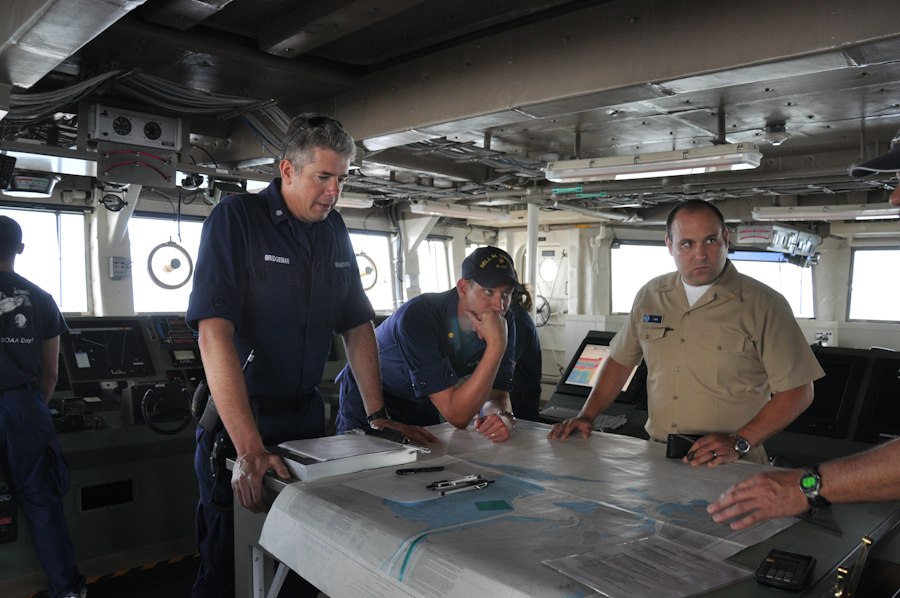
The execution of a JSOC mission assignment is the culmination of months, or even years, of planning, training, and intelligence gathering. It is a moment of intense focus, where operators rely on their training, discipline, and the meticulous plan that has been developed.
Pre-Mission Briefings and Rehearsals
Before deployment, operators undergo extensive pre-mission briefings, reviewing the operational plan, intelligence updates, and their specific roles. Rehearsals, often conducted in simulated environments, are crucial for ensuring familiarity with the plan and building team cohesion.
Insertion and Initial Operations
The insertion into the operational area is often the most dangerous phase. Operators must navigate potential enemy detection and secure their initial position. Once on the ground, they execute the first phases of the mission plan.
Dynamic Adaptation and Decision-Making
Despite the most thorough planning, operational environments are inherently unpredictable. JSOC operators are trained to adapt quickly to changing circumstances and make critical decisions under pressure, often deviating from the original plan if necessary to achieve the mission commander’s intent.
Real-Time Intelligence Fusion
During an operation, intelligence continues to be gathered and fused in real-time. This information is fed back to the mission commander and operators, allowing for informed adjustments to the plan.
Commander’s Intent
The concept of “commander’s intent” is central to JSOC operations. While the specific plan may change, the overarching goal remains the guiding principle for all decision-making.
Extraction and Post-Mission Activities
Once the primary objectives are achieved, the focus shifts to safe extraction. This phase can be as challenging as the insertion, as enemy forces may be alerted and attempting to intercept the departing operators.
Debriefing and After-Action Reviews
Upon return, detailed debriefings are conducted. Operators share their experiences, observations, and lessons learned. These debriefings are crucial for refining future operations and improving training methodologies.
Intelligence Exploitation
The intelligence gathered during the mission is immediately exploited. This can lead to new leads, the identification of new threats, or a deeper understanding of the operational landscape.
The Joint Special Operations Command (JSOC) mission assignment process is a critical aspect of how special operations are planned and executed. For those looking to gain a deeper understanding of this intricate procedure, an insightful article can be found at In the War Room, which delves into the various factors that influence mission assignments and the strategic considerations involved. This resource provides valuable context for anyone interested in the complexities of military operations and the role of JSOC in contemporary warfare.
The Weight of Assignment: Responsibility and Impact
| Step | Description | Responsible Entity | Typical Duration | Key Metrics |
|---|---|---|---|---|
| 1. Mission Request | Combatant commanders submit mission requests to JSOC. | Combatant Commanders | Hours to Days | Number of requests received |
| 2. Mission Validation | JSOC reviews and validates mission feasibility and priority. | JSOC Planning Cell | Hours | Validation rate, priority ranking |
| 3. Tasking Assignment | Assigning mission to appropriate JSOC units or task forces. | JSOC Command | Hours | Assignment accuracy, resource allocation efficiency |
| 4. Mission Planning | Detailed operational planning and coordination. | JSOC Operations and Intelligence Teams | Days to Weeks | Planning completeness, risk assessment scores |
| 5. Execution | Conducting the mission as per plan. | JSOC Operational Units | Varies by mission | Mission success rate, casualty rate |
| 6. After Action Review | Assessment and lessons learned post-mission. | JSOC Command and Analysts | Days | Lessons identified, improvement implementation rate |
The assignment of a JSOC mission carries immense weight, both for the operators tasked with its execution and for the broader implications of its success or failure. These missions often operate in the shadows, their outcomes seldom publicized, yet their impact can be profound.
Accountability and Oversight
Despite their clandestine nature, JSOC operations are subject to rigorous oversight mechanisms. This includes oversight from the Department of Defense, the intelligence community, and ultimately, the President and Congress. Accountability for decisions made and actions taken is paramount.
Ethical Considerations and Legal Frameworks
JSOC operators function within a strict legal and ethical framework. The authorization of force, the treatment of detainees, and the conduct of operations are governed by international law, U.S. statutes, and stringent ethical guidelines.
The Impact on National Security and Geopolitics
The successful execution of a JSOC mission can have significant ramifications for national security and global geopolitics. Disrupting terrorist plots, neutralizing hostile leaders, or preventing the proliferation of weapons of mass destruction can alter the course of events and safeguard U.S. interests.
Deterrence and Prevention
JSOC’s very existence and its proven capability to execute complex operations act as a powerful deterrent to potential adversaries. The knowledge that the U.S. possesses the means to respond decisively to certain threats can prevent hostile actions from occurring in the first place.
Strategic Signaling
In some instances, the execution of a JSOC mission can serve as a strategic signal to allies and adversaries alike, demonstrating U.S. resolve and its commitment to specific foreign policy objectives.
The Human Element: Sacrifice and Dedication
Underlying every successful mission assignment is the extraordinary dedication, sacrifice, and professionalism of the JSOC operators and the vast network of support personnel. These individuals operate under immense pressure, facing constant danger with unwavering commitment to their mission and their nation. Their willingness to bear the burden of these critical assignments ensures that the United States can effectively address its most complex security challenges. Understanding the intricate process of JSOC mission assignment provides a glimpse into the extraordinary capabilities and profound responsibilities that define this elite echelon of U.S. special operations forces.
Why SEAL Team Six Got the Bin Laden Raid — Not Delta Force
FAQs
What is JSOC?
JSOC stands for Joint Special Operations Command, which is a component command of the United States Special Operations Command (USSOCOM). It is responsible for overseeing special operations forces from all branches of the U.S. military.
How does the JSOC mission assignment process work?
The JSOC mission assignment process involves a thorough assessment of the mission requirements, capabilities of available special operations forces, and coordination with other military commands or government agencies. Once a mission is assigned to JSOC, they plan and execute the operation with precision and secrecy.
Who authorizes JSOC missions?
JSOC missions are authorized by the President of the United States or the Secretary of Defense. These high-level officials provide the strategic guidance and approval for JSOC to conduct special operations missions in support of national security objectives.
What types of missions does JSOC typically undertake?
JSOC is known for conducting a wide range of missions, including counterterrorism operations, hostage rescue missions, special reconnaissance, direct action raids, and unconventional warfare. They are often called upon to carry out high-risk and sensitive missions in hostile environments.
How does JSOC differ from other special operations forces units?
JSOC is unique in that it brings together elite special operations forces from different branches of the military, such as Navy SEALs, Army Delta Force, and Air Force Special Tactics Squadrons, to work together on highly classified and complex missions. JSOC has a reputation for being at the forefront of special operations capabilities and innovation.