The hushed corridors of the Joint Special Operations Command (JSOC) are a testament to secrecy, a place where the line between operational necessity and absolute discretion is a razor’s edge. Within this elite organization lies a cadre of individuals whose exploits, if ever revealed, would redefine the very notion of covert action. This is the story of JSOC, the unparalleled task force responsible for the most sensitive, dangerous, and strategically vital missions on the planet.
The genesis of JSOC can be traced back to a crucible of evolving threats and a growing recognition within the United States military that conventional forces, while formidable, were not always suited for the nuanced and clandestine nature of certain operations. The aftermath of events like the Iran hostage crisis in 1980 highlighted significant deficiencies in the coordination and execution of specialized rescue and counter-terrorism missions. This realization catalyzed a fundamental shift in how the Pentagon viewed and organized its most potent special operations assets.
The Shadow of Failure and the Birth of Necessity
Prior to JSOC’s formal establishment, various special operations units existed under different branches of the military. However, their deployment and operational oversight were often fragmented, leading to a lack of synergy and sometimes conflicting objectives. The Desert One mission, the ill-fated attempt to rescue American hostages in Iran, served as a stark and brutal lesson. The mission’s failure was not solely due to tactical missteps but also stemmed from systemic issues in command and control, intelligence sharing, and the integration of disparate special operations elements. The post-mortem of Desert One was a somber and critical examination that underscored the urgent need for a unified, high-level entity capable of orchestrating and synchronizing these specialized capabilities.
A Unified Command for a Unified Purpose
In 1980, the United States Special Operations Command (SOCOM) was established as a unified combatant command. However, the truly specialized, highly classified, and often politically sensitive missions demanded an even more focused and agile entity. This led to the eventual formation of JSOC. While the precise date of its inception and its exact organizational structure remain shrouded in classified information, it is understood that JSOC emerged as a subordinate command within SOCOM, designed to execute the most demanding and sensitive missions that required unparalleled levels of planning, intelligence, and operational finesse. Its primary mandate was to provide a centralized command and control structure for the nation’s premier special operations forces, ensuring seamless integration and maximum effectiveness.
The Joint Special Operations Command (JSOC) plays a crucial role in coordinating and executing special operations across various military branches, ensuring that highly trained units can effectively respond to complex threats. For a deeper understanding of how JSOC operates and its impact on modern warfare, you can read a related article that explores its structure and missions in detail. Check it out here: Understanding the Joint Special Operations Command.
The Pillars of Power: JSOC’s Elite Units
JSOC is not a single unit, but rather a nexus for some of the most highly trained and technologically advanced special operations forces in the world. These units, each with its own specialized skillset and operational history, operate under the JSOC umbrella, drawing upon its strategic direction and resources. The selection, training, and operational tempo of these individuals are on a level unmatched in conventional military structures.
Delta Force: The Spearhead of Counter-Terrorism
The most recognizable, albeit still largely secret, unit operating under JSOC is the 1st Special Forces Operational Detachment-Delta, commonly known as Delta Force or CAG (Combat Applications Group). Their reputation precedes them, whispered in hushed tones of legendary rescues, daring raids, and the neutralisation of high-value targets in the most hostile environments. Delta Force operators are drawn from the ranks of elite special forces soldiers and are subjected to an incredibly rigorous selection process that tests their physical and mental fortitude to the absolute limit. Their training is a continuous cycle of honing skills in hostage rescue, direct action, counter-terrorism, and clandestine operations.
The Crucible of Selection: Beyond Physical Prowess
The selection process for Delta Force is notoriously difficult, often described as a mental and physical crucible designed to break down even the most seasoned operators and rebuild them into something extraordinary. It begins with a series of challenging land navigation courses, followed by intense individual and small-unit tactical training. Psychological evaluations are paramount, assessing candidates’ ability to remain calm under extreme pressure, make sound decisions in chaotic situations, and exhibit unwavering loyalty and discipline. The ultimate goal is to identify individuals who possess not only superior combat skills but also the unique mental resilience and adaptability required for JSOC missions.
Precision in Practice: The Art of Direct Action
Once selected and trained, Delta Force specializes in direct action missions. These are typically short-duration, high-impact operations aimed at seizing, destroying, or capturing enemy targets. This can involve the swift and decisive elimination of terrorist leaders, the rescue of captured personnel, or the disruption of critical enemy infrastructure. The emphasis is on precision, surprise, and overwhelming force applied at the opportune moment, minimizing collateral damage and maximizing mission success. Their ability to operate in small, highly cohesive teams, often with minimal support, is a hallmark of their effectiveness.
SEAL Team Six (DEVGRU): The Naval Shadow Warriors
Naval Special Warfare Development Group (DEVGRU), often referred to as SEAL Team Six, is the United States Navy’s premier counter-terrorism and special operations unit, operating under JSOC. Like Delta Force, DEVGRU operators are drawn from the highly experienced ranks of Navy SEALs and undergo an equally demanding selection and training regimen. Their maritime specialization, coupled with their counter-terrorism expertise, makes them indispensable for operations involving aquatic environments, ship boardings, and coastal infiltration.
Masters of the Maritime Domain: From Sea to Land
DEVGRU’s core competency lies in their mastery of the maritime domain. This includes extensive training in underwater operations, submarine insertion and extraction, amphibious assaults, and ship interdiction. However, their capabilities extend far beyond the water. They are equally proficient in land-based operations, including direct action, reconnaissance, and counter-terrorism. This duality allows them to conduct missions in a wide spectrum of environments, from the open ocean to arid deserts, seamlessly transitioning between different operational landscapes.
The Edge of Innovation: Technological Integration
DEVGRU is known for its relentless pursuit of technological advantage. They are often at the forefront of testing and integrating new equipment, from advanced diving gear and stealthy watercraft to cutting-edge communication systems and unmanned aerial vehicles (UAVs). This commitment to innovation ensures that their operators are equipped with the most effective tools available, enhancing their operational reach, lethality, and survivability in complex and dangerous missions.
Special Operations Aviation Regiment (SOAR): The Wings of the Unseen
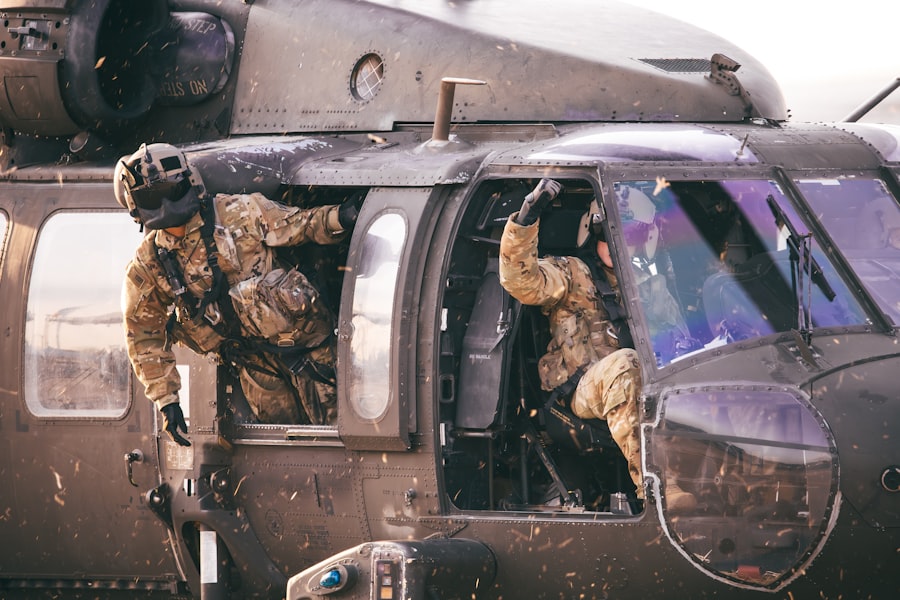
The 160th Special Operations Aviation Regiment (SOAR), also known as the “Night Stalkers,” provides the critical aviation support for JSOC missions. Their pilots and aircrews are considered among the best in the world, capable of flying helicopters and tiltrotor aircraft in the most challenging conditions, often at night and at very low altitudes. The success of many JSOC operations hinges on the precision and audacity of SOAR’s aviation support.
Piloting Through Darkness: Unmatched Night Operations
SOAR’s defining characteristic is their unparalleled proficiency in night operations. They train extensively to fly in complete darkness, utilizing advanced night vision technology and their innate piloting skills to navigate treacherous terrain and evade enemy detection. This capability allows JSOC units to infiltrate and exfiltrate operational areas under the cloak of night, a crucial element for maintaining surprise and reducing the risk of engagement.
Precision Insertion and Extraction: The Lifeline of Missions
SOAR’s role extends beyond mere transport. They are integral to the planning and execution of precision insertions and extractions of JSOC teams. This can involve delicate landings in confined spaces, rapid deployment of personnel, and swift exfiltration under fire. Their ability to accurately deliver and retrieve operators at the precise moment and location is often the difference between mission success and failure.
The Labyrinth of Intelligence: Information as the Ultimate Weapon
JSOC’s operations are not brute force endeavors; they are meticulously planned and executed, underpinned by an extraordinary depth and breadth of intelligence. The acquisition, analysis, and dissemination of accurate, actionable intelligence are the bedrock upon which every JSOC mission is built. Without it, even the most skilled operators would be operating blind.
HUMINT and SIGINT: Eyes and Ears in the Shadows
Human intelligence (HUMINT) and signals intelligence (SIGINT) are two critical pillars of JSOC’s intelligence gathering apparatus. HUMINT involves cultivating sources and informants in denied areas to provide real-time information on enemy movements, intentions, and capabilities. SIGINT, on the other hand, focuses on intercepting and analyzing enemy communications, electronic emissions, and other electronic signals. This combined approach provides a comprehensive picture of the operational environment.
Cultivating the Network: The Art of Source Development
Developing and maintaining a network of human sources in hostile territories is an extremely delicate and dangerous undertaking. JSOC intelligence officers and operatives work tirelessly to build trust and rapport with individuals who can provide critical insights. This often involves long-term cultivation, risk assessment, and a deep understanding of local cultures and political dynamics. The information gleaned from these sources can be invaluable in identifying targets, understanding enemy tactics, and mitigating operational risks.
Listening to the Unseen: Decoding the Enemy’s Communications
The constant monitoring and analysis of enemy communications are vital for understanding their plans and intentions. JSOC utilizes sophisticated SIGINT capabilities to intercept voice communications, data transmissions, and other electronic emanations. These intercepted signals are then analyzed by highly skilled cryptanalysts and intelligence analysts to extract actionable intelligence, identify key players, and map out enemy networks.
All-Source Analysis: Synthesizing the Truth
The sheer volume of information gathered from various sources – HUMINT, SIGINT, imagery intelligence (IMINT), open-source intelligence (OSINT), and more – requires a sophisticated all-source analysis capability. JSOC intelligence analysts are tasked with synthesizing this disparate information into a coherent and actionable intelligence picture. They must identify patterns, assess credibility, and provide the critical insights that guide operational planning and execution.
The Art of Fusion: Connecting the Dots
Intelligence fusion is the process of integrating information from multiple sources to create a more complete and accurate understanding of a situation. JSOC analysts are experts at this, looking for corroboration, identifying discrepancies, and drawing connections that might not be apparent from individual intelligence streams. This holistic approach is crucial for developing a nuanced understanding of complex threats and formulating effective strategies.
Predictive Analysis: Anticipating the Enemy’s Next Move
Beyond simply understanding the present, JSOC also invests heavily in predictive analysis. By studying past patterns, current trends, and enemy behavior, analysts aim to anticipate future actions and intentions. This proactive approach allows JSOC to disrupt enemy plans before they are executed, identify emerging threats, and maintain a strategic advantage.
The Crucible of Operation: Precision, Secrecy, and Sacrifice
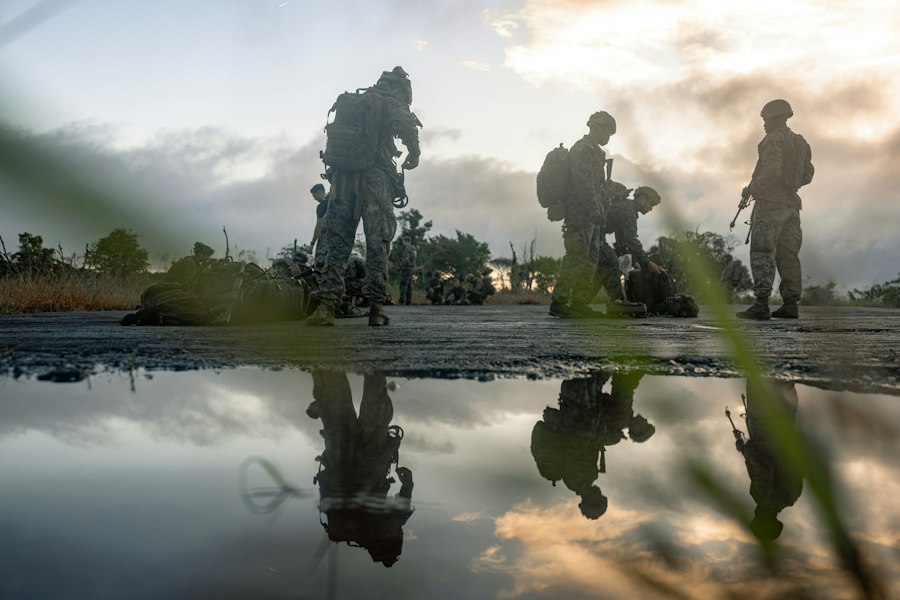
The operations conducted by JSOC are characterized by their extreme complexity, high stakes, and the unwavering professionalism of their operators. Every mission is a testament to meticulous planning, flawless execution, and the willingness of individuals to confront the gravest dangers for the sake of national security.
Direct Action Raids: Striking at the Heart of the Enemy
Direct action raids are the most visible, though still largely undisclosed, type of JSOC operation. These missions involve the swift and decisive insertion of highly trained forces into enemy-controlled territory to neutralize or capture high-value targets, disrupt enemy operations, or rescue hostages. The emphasis is on speed, surprise, and overwhelming force applied with surgical precision.
The Assault on Abbottabad: A Case Study in Precision
While the specifics of many JSOC operations remain classified, the raid that resulted in the death of Osama bin Laden in Abbottabad, Pakistan, in 2011 offers a glimpse into the capabilities of these elite forces. This meticulously planned operation, involving helicopter insertion, close-quarters combat, and the ultimate neutralization of a notorious terrorist leader, demonstrated the extraordinary capabilities of JSOC in conducting high-risk, high-reward missions in complex environments.
Hostage Rescue: A Race Against Time
Hostage rescue operations are among the most demanding and time-sensitive missions JSOC undertakes. These operations require an intricate balance of speed, stealth, and overwhelming force, all executed within a narrow window of opportunity to minimize risk to the hostages. The success of such missions often depends on a deep understanding of the captors’ psychology, the environment, and the precise timing of the assault.
Clandestine Operations: The Unseen Influence
Beyond direct action, JSOC also engages in a wide range of clandestine operations. These missions are designed to exert influence, gather intelligence, or disrupt enemy activities without overt attribution. The success of these operations hinges on the ability to operate with absolute discretion, leaving no trace of their involvement.
Denied Area Operations: Navigating Hostile Territories
Operating in denied areas, where conventional forces cannot safely venture, is a hallmark of JSOC’s capabilities. This involves infiltrating hostile territories, conducting reconnaissance, and gathering intelligence without detection. These operations require a deep understanding of the local terrain, culture, and enemy capabilities, as well as the ability to blend in and operate autonomously for extended periods.
Unconventional Warfare: Shaping the Battlefield
JSOC also plays a critical role in unconventional warfare, supporting and advising indigenous forces in their fight against common adversaries. This can involve training, equipping, and directing local resistance movements, thereby extending the reach and influence of U.S. foreign policy without direct military intervention.
The Human Cost: Sacrifice and Resilience
The nature of JSOC operations inherently carries a significant human cost. Operators routinely face life-threatening situations, and the psychological toll of such missions can be profound. The commitment and sacrifice of these individuals, and their families, are a fundamental, yet often unsung, aspect of JSOC’s success.
The Burden of Secrecy: Living in the Shadows
The extreme secrecy surrounding JSOC operations means that operators and their families often bear a unique burden. The inability to openly discuss their work, the constant risk to their lives, and the emotional toll of witnessing and experiencing extreme violence can create significant personal challenges.
The Unseen Heroes: Honoring Their Service
While their deeds may not be celebrated in public parades, the service and sacrifice of JSOC operators are recognized and deeply valued within the highest echelons of national security. They are the unseen guardians, the silent sentinels who operate in the shadows to protect the nation and its interests, often at the ultimate personal cost.
The Joint Special Operations Command (JSOC) plays a crucial role in coordinating and executing special operations missions across various theaters of conflict. For a deeper understanding of how JSOC integrates with other military branches and its impact on modern warfare, you can explore a related article on this topic. This insightful piece highlights the command’s strategic importance and operational tactics, shedding light on its multifaceted approach to counterterrorism and unconventional warfare. To read more about these operations, visit this article.
The Evolving Threat Landscape: JSOC’s Future Imperative
| Aspect | Description | Key Metrics |
|---|---|---|
| Mission | Conducting highly classified special operations missions worldwide, including counterterrorism, hostage rescue, and reconnaissance. | Number of missions annually: Classified (estimated dozens to hundreds) |
| Command Structure | Subordinate to U.S. Special Operations Command (USSOCOM), JSOC integrates elite units from Army, Navy, Air Force, and Marines. | Number of units: 4 primary units (Delta Force, SEAL Team Six, 24th Special Tactics Squadron, 75th Ranger Regiment elements) |
| Personnel | Highly trained operators selected from various branches with specialized skills in direct action, intelligence, and reconnaissance. | Estimated personnel strength: Classified (several thousand) |
| Intelligence Integration | Close collaboration with CIA, NSA, and other intelligence agencies to gather actionable intelligence for mission planning. | Intelligence sources integrated: Multiple classified sources |
| Operational Tempo | High operational tempo with rapid deployment capabilities worldwide. | Average deployment duration: Weeks to months; Rapid response time: Hours |
| Technology & Equipment | Utilizes cutting-edge technology including advanced communications, surveillance, and weaponry tailored for covert operations. | Number of specialized equipment types: Numerous classified systems |
| Training | Continuous rigorous training including joint exercises, live-fire drills, and scenario-based simulations. | Annual training hours per operator: Hundreds |
The world is a constantly shifting geopolitical landscape, and the threats that JSOC confronts are continuously evolving. From resurgent great powers to sophisticated non-state actors, the challenges facing JSOC are as complex and dynamic as ever. This necessitates a continuous adaptation and evolution of its capabilities and strategies.
Counter-Proliferation: Preventing Catastrophe
The threat of weapons of mass destruction falling into the wrong hands is a paramount concern. JSOC plays a crucial role in counter-proliferation efforts, working to disrupt illicit networks, interdict illicit transfers of materials, and, if necessary, neutralize threats at their source. These operations require a unique blend of intelligence, diplomacy, and, when absolutely necessary, surgical military action.
Interdicting Illicit Networks: Cutting Off the Supply Chain
JSOC units are often tasked with identifying and disrupting the shadowy networks responsible for the trafficking of WMD materials and related technologies. This can involve complex intelligence operations to track financial flows, identify key facilitators, and ultimately intercept shipments before they reach their intended destination.
The Preemptive Strike: A Last Resort
In extreme circumstances, where intelligence indicates an imminent threat of WMD proliferation that cannot be averted through other means, JSOC may be called upon to execute preemptive strikes against suspected WMD facilities or programs. These are highly sensitive and ethically complex operations, undertaken only as a last resort.
Cyber Warfare and the Digital Frontier
The battlefield has expanded into the digital realm. JSOC is increasingly involved in cyber warfare operations, both offensive and defensive. This includes disrupting enemy cyber capabilities, protecting critical U.S. infrastructure from cyber attacks, and gathering intelligence through digital means.
Offensive Cyber Operations: Disrupting the Enemy’s Digital Infrastructure
JSOC units are developing and deploying sophisticated offensive cyber capabilities to disrupt enemy command and control systems, degrade their ability to communicate, and interfere with their operational planning. These operations are conducted with extreme precision to avoid unintended consequences.
Defensive Cyber Measures: Shielding the Nation’s Networks
Equally important is the defensive aspect of cyber warfare. JSOC works to harden U.S. networks, detect and neutralize cyber intrusions, and develop resilient systems that can withstand sophisticated attacks. This often involves close collaboration with civilian intelligence agencies and private sector cybersecurity firms.
The Persistent Threat: Countering Insurgency and Terrorism
Despite shifts in the global threat landscape, the persistent threat of insurgency and terrorism remains a significant challenge. JSOC continues to be a primary tool for combating these threats, often operating in complex, unconventional environments where traditional military approaches are less effective.
The Long War: Adapting to Asymmetric Threats
JSOC’s experience in Afghanistan and Iraq has honed its ability to operate in counter-insurgency and counter-terrorism environments. This involves understanding the root causes of conflict, building relationships with local populations, and developing tailored strategies to degrade and dismantle terrorist organizations.
The Global Reach: Addressing Transnational Threats
The nature of terrorism is increasingly transnational, with groups operating across borders and utilizing global networks. JSOC’s global presence and its ability to operate in multiple theaters allow it to address these transnational threats, disrupting terrorist plots and preventing attacks before they can occur.
JSOC represents the sharpest edge of American power, a silent force that operates in the shadows to protect national interests and preserve global security. Its elite units, its unparalleled intelligence capabilities, and its unwavering commitment to mission success make it an indispensable asset in a world rife with complex and evolving threats. The secrecy surrounding its operations is not merely a matter of operational security; it is an intrinsic part of its effectiveness, allowing it to navigate the most dangerous terrain and confront the most formidable adversaries with precision, audacity, and an absolute dedication to the mission. The story of JSOC is a testament to the extraordinary individuals who choose to serve in the most challenging and dangerous circumstances, embodying the spirit of sacrifice and the pursuit of an unseen peace.
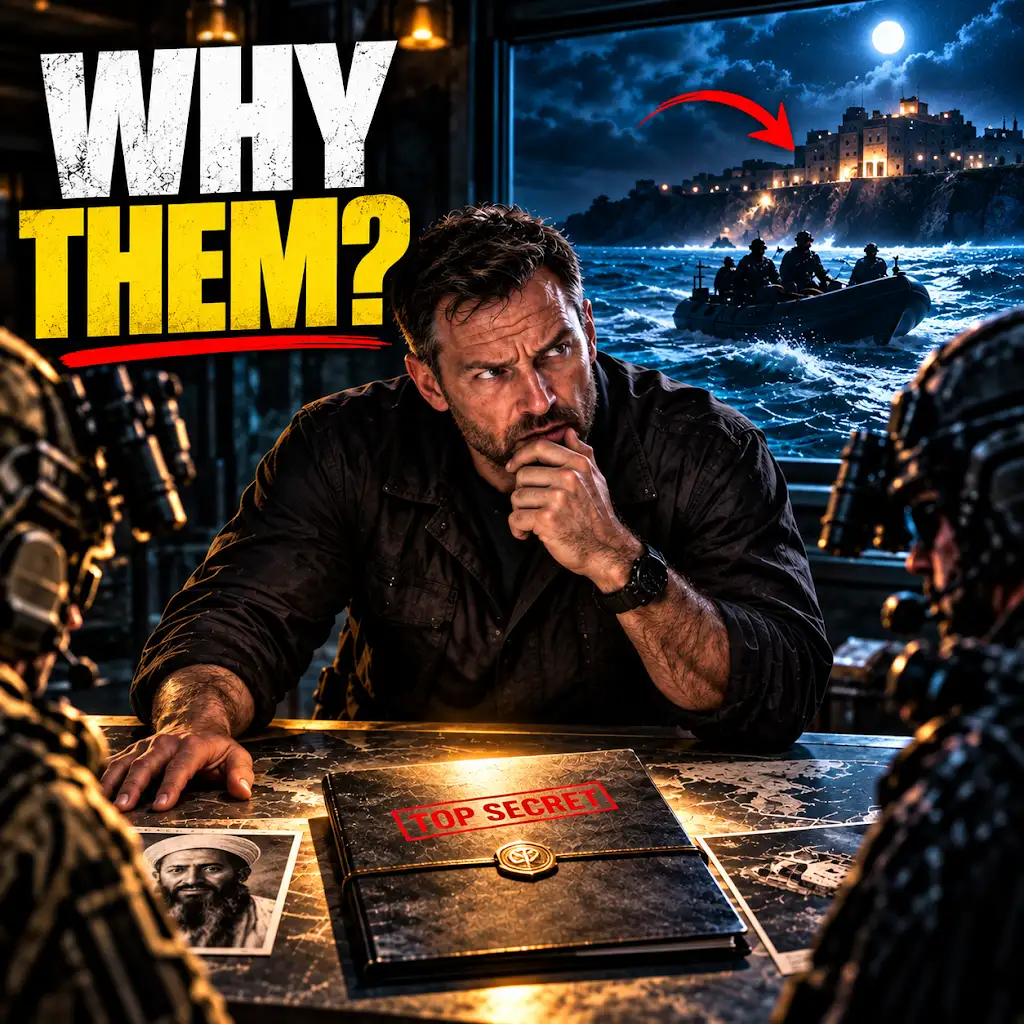
Why SEAL Team Six Got the Bin Laden Raid — Not Delta Force
FAQs
What is the Joint Special Operations Command (JSOC)?
JSOC is a component command of the United States Special Operations Command (USSOCOM) and is responsible for coordinating special operations forces from multiple branches of the military.
What is the role of JSOC?
JSOC is tasked with conducting classified and clandestine missions, typically involving counterterrorism, counterinsurgency, and hostage rescue operations.
How does JSOC differ from other special operations forces?
JSOC is unique in that it brings together elite units from different branches of the military, such as the Army’s Delta Force, Navy SEAL Team 6, and the Air Force’s 24th Special Tactics Squadron, to work together on highly sensitive missions.
How does JSOC operate in terms of command structure?
JSOC operates under a streamlined command structure that allows for rapid decision-making and execution of missions. It is led by a commanding officer who reports directly to the commander of USSOCOM.
What are some notable operations conducted by JSOC?
JSOC has been involved in numerous high-profile operations, including the capture of Saddam Hussein in Iraq, the raid that killed Osama bin Laden in Pakistan, and the rescue of Jessica Buchanan and Poul Hagen Thisted in Somalia.