The world of special operations is often shrouded in mystique, and among the most enigmatic are Delta Force and SEAL Team Six. Frequently mentioned in the same breath, these elite units are often portrayed as interchangeable masters of covert warfare. However, a closer examination reveals distinct organizational structures, primary missions, recruitment philosophies, and operational footprints that clearly differentiate them. While both are comprised of highly trained and dedicated individuals capable of executing the most complex and dangerous missions, conflating them overlooks the specialized roles each is designed to fulfill.
Understanding the Foundation: Unit Origins and Mandates
To grasp the differences between Delta Force and SEAL Team Six, it is essential to understand their genesis and the fundamental mandates that shaped their development. These origins inform their unique skill sets and the types of threats they are primarily tasked to counter.
Delta Force: Born from Crisis, Forging Counter-Terrorism Prowess
Delta Force, officially known as the 1st Special Forces Operational Detachment-Delta (1st SFOD-D), emerged from the ashes of a disastrous hostage rescue mission. The failed attempt to rescue American hostages during the 1979 Iran hostage crisis highlighted a critical gap in U.S. special operations capabilities: the need for a dedicated, highly specialized unit capable of conducting direct action counter-terrorism operations, hostage rescue, and sensitive reconnaissance behind enemy lines. Colonel Charles Beckwith, a highly experienced Special Forces officer, was instrumental in its formation, drawing inspiration from Britain’s Special Air Service (SAS).
The primary mandate of Delta Force was, and remains, to conduct direct action missions against high-value targets, particularly in counter-terrorism scenarios. This includes neutralizing terrorist threats, rescuing hostages, and disrupting enemy operations in complex and politically sensitive environments. Their training and operational focus are heavily geared towards precision, stealth, and the ability to operate autonomously with minimal support in hostile territories. Their missions are often classified and shrouded in secrecy, contributing to their legendary status. The unit operates under the United States Special Operations Command (SOCOM) but is administratively controlled by the U.S. Army.
SEAL Team Six: Naval Special Warfare’s Pinnacle of Maritime Operations
SEAL Team Six, officially known as the Naval Special Warfare Development Group (NSWDG), has a similarly specific origin story, albeit with a maritime focus. Established in the aftermath of the failed Iran hostage rescue mission as well, it was initially conceived as a dedicated counter-terrorism unit within the U.S. Navy’s SEAL (Sea, Air, Land) Teams. The “Six” in its name was a deliberate misdirection, intended to suggest the existence of more SEAL teams than actually were operational at the time, thus adding an element of strategic ambiguity.
The core mandate of SEAL Team Six revolves around maritime special operations, which encompass a wide spectrum of activities. This includes counter-terrorism operations in maritime environments, direct action against maritime targets, special reconnaissance from the sea, foreign internal defense in coastal regions, and unconventional warfare. Their expertise extends to amphibious assaults, maritime interdiction, and operations conducted from submarines. Like Delta Force, SEAL Team Six is a Tier 1 unit, operating under SOCOM and known for its exceptional skill and operational tempo. Their close ties to the U.S. Navy mean their training and equipment are often tailored for the unique challenges of the maritime domain.
The question of whether Delta Force and SEAL Team Six are interchangeable is a topic of much debate among military enthusiasts and experts alike. Both elite units are renowned for their specialized training and operational capabilities, yet they serve different branches of the U.S. military and have distinct missions. For a deeper understanding of their roles and differences, you can explore the article on this subject at In The War Room, which provides valuable insights into the unique characteristics and functions of these two formidable teams.
Mission Profiles: Distinct Domains, Divergent Tactics
While both units are capable of executing a broad range of special operations, their primary mission profiles reflect their organizational origins and specialized training. This leads to distinct tactical approaches and operational environments.
Direct Action and Counter-Terrorism: Overlap and Specialization
Both Delta Force and SEAL Team Six are renowned for their proficiency in direct action and counter-terrorism operations. This is where some of the perceived interchangeability arises. Both units are capable of meticulously planning and executing high-risk assaults to neutralize terrorist cells, rescue high-value hostages, and eliminate enemy leadership.
Counter-Terrorism Operations: A Shared Strength
In the realm of counter-terrorism, both units bring unparalleled skills to bear. They are adept at intelligence gathering, infiltration, precision strikes, and exfiltration in extremely dangerous situations. Their training emphasizes rapid response, adaptability, and the ability to operate effectively under immense pressure. The successful raid that neutralized Osama bin Laden, for instance, was executed by SEAL Team Six, showcasing their prowess in a high-stakes counter-terrorism scenario. Similarly, Delta Force has
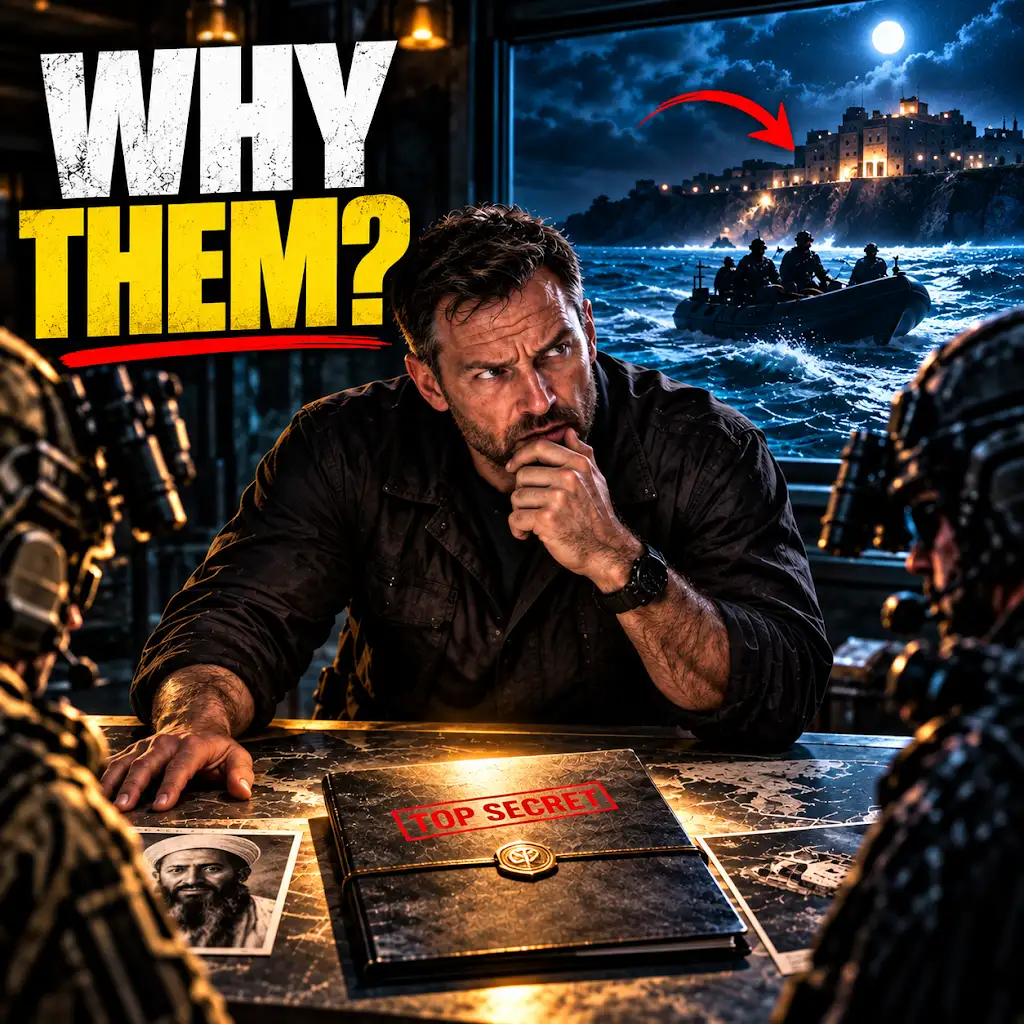
Why SEAL Team Six Got the Bin Laden Raid — Not Delta Force
FAQs
1. Are Delta Force and SEAL Team Six the same thing?
No, Delta Force and SEAL Team Six are two distinct and separate special operations units within the U.S. military.
2. What is Delta Force?
Delta Force, officially known as 1st Special Forces Operational Detachment-Delta, is a special operations unit of the United States Army specializing in counterterrorism and hostage rescue missions.
3. What is SEAL Team Six?
SEAL Team Six, officially known as the United States Naval Special Warfare Development Group (DEVGRU), is a special operations unit of the United States Navy specializing in counterterrorism and special reconnaissance missions.
4. Are Delta Force and SEAL Team Six interchangeable?
While both units are elite special operations forces, they have different missions, training, and operational capabilities. They are not interchangeable and are each tailored for specific types of missions.
5. Can members of Delta Force and SEAL Team Six work together on missions?
Yes, members of Delta Force and SEAL Team Six can and do work together on joint special operations missions when their unique skills and expertise are needed for a particular operation.