Delta Force and DEVGRU: Elite Special Forces Explained
The shadows are their domain, the impossible their daily bread. When conventional military forces reach their limits, when precision, discretion, and unparalleled combat effectiveness are paramount, the call goes out to the most elite units the world has ever known. Among these titans of covert operations, two names stand out with chilling reverence: Delta Force and DEVGRU. These aren’t your average soldiers; they are the apex predators of the special operations community, honed by relentless training and entrusted with missions that would shatter the resolve of lesser individuals. To understand their significance is to delve into a world of extreme dedication, specialized skill, and a profound understanding of the delicate balance of global security.
The formation of highly specialized military units is not an arbitrary act of vanity. It stems from a deep-seated need to address unique threats and fulfill operational requirements that lie beyond the scope of conventional military doctrine. The crucible of conflict, from the Cold War to the evolving landscape of modern terrorism, has repeatedly demonstrated the necessity for forces capable of operating with surgical precision in high-risk environments.
The Cold War Imperative: Countering Terrorism and Hostage Situations
The latter half of the 20th century witnessed a dramatic rise in international terrorism. Hijackings, assassinations, and the taking of hostages became disturbingly common, posing a direct challenge to national sovereignty and the safety of citizens abroad. Traditional military responses, often large-scale and overt, were ill-suited to these clandestine and politically sensitive situations. The need arose for a small, highly trained force that could be deployed rapidly and discreetly to neutralize threats, rescue hostages, and achieve objectives without escalating international tensions. This realization laid the groundwork for units like Delta Force.
The Evolution of Warfare: From Conventional to Asymmetric Threats
As the nature of warfare evolved, so too did the demands placed upon special operations forces. The rise of asymmetric threats – terrorism, insurgency, and the proliferation of weapons of mass destruction – required a different kind of soldier. These were not battles fought on open fields against uniformed adversaries, but rather in complex urban environments, against shadowy organizations operating outside the norms of international law. The ability to gather intelligence, conduct unconventional warfare, and operate in denied areas became crucial. This shift in focus contributed to the refinement and further development of units like DEVGRU, which began to specialize in maritime counter-terrorism.
The Role of Lessons Learned: Adapting to Global Challenges
The history of special operations is a testament to continuous adaptation and refinement. Failures and successes alike have served as invaluable learning experiences, shaping the training, equipment, and operational methodologies of elite units. Events such as the Iranian hostage crisis in 1979, which highlighted significant deficiencies in the U.S. military’s ability to conduct hostage rescue operations, directly influenced the development and deployment of Delta Force. Similarly, maritime security challenges and the increasing threat of naval terrorism spurred the evolution of specialized naval special warfare units.
For those interested in understanding the elite units of the U.S. military, a detailed comparison of Delta Force and DEVGRU can be found in this informative article. It explores their origins, training, and operational capabilities, providing insights into the unique roles these special forces play in national security. To learn more, you can read the full article here: Delta Force and DEVGRU Explained.
Delta Force: The Army’s Elite Counter-Terrorism and Special Operations Unit
The U.S. Army’s 1st Special Forces Operational Detachment-Delta, commonly known as Delta Force or the “Combat Applications Group” (CAG) within official circles, is arguably the most renowned special operations unit in the world. Its reputation is built on a foundation of extreme secrecy, rigorous selection, and the successful execution of some of the most dangerous and sensitive missions undertaken by the U.S. military.
Selection and Training: The Crucible of Elite Operators
The path to becoming a Delta Force operator is not for the faint of heart. It begins with a stringent selection process that filters out all but the most physically and mentally resilient individuals. Candidates, typically drawn from existing U.S. Army Special Forces (Green Berets), Rangers, or other elite units, undergo weeks of grueling assessment designed to test their leadership, problem-solving abilities, and composure under immense pressure. This phase is notoriously difficult, with a high attrition rate.
The “Assessment and Selection” (A&S) Phase: Pushing Beyond Limits
The A&S phase is the initial hurdle, a multi-week gauntlet of physical and psychological challenges. This includes extensive land navigation exercises, demanding physical conditioning, and scenarios designed to assess a candidate’s decision-making capabilities under duress. The ability to maintain focus, adapt to unforeseen circumstances, and demonstrate unwavering determination are critical. Suicidal tendencies or any indication of a lack of mental fortitude are immediate disqualifiers.
The “Delta Qualification Course” (DQC): Mastering Advanced Skills
For those who survive A&S, the Delta Qualification Course awaits. This is where candidates hone and refine the highly specialized skills required for Delta’s unique mission set. The DQC is an intensive training program that covers a broad spectrum of tactical disciplines, including advanced marksmanship, close-quarters combat (CQC), tactical driving, intelligence gathering, hostage rescue techniques, and various forms of unconventional warfare. Operators are trained to become experts in multiple fields, making them incredibly versatile.
Mission Profile: Direct Action, Hostage Rescue, and Covert Operations
Delta Force’s primary mission is to conduct sensitive special operations, often in situations where failure is not an option and the highest degree of discretion is required. Their capabilities are broad and adaptable, making them the go-to unit for a range of high-stakes scenarios.
Direct Action Operations: Striking with Precision
Direct action missions involve precise, often swift, assaults on high-value targets. This can include the elimination of terrorist leaders, the destruction of critical enemy infrastructure, or the liberation of captured personnel. These operations are characterized by their speed, surprise, and the overwhelming force applied at the point of contact, aimed at achieving mission objectives with minimal collateral damage.
Hostage Rescue and Recovery: The Ultimate Test of Skill
One of Delta Force’s most well-known and demanding roles is hostage rescue. This requires a unique blend of tactical prowess, psychological acumen, and meticulous planning. Operators must be able to infiltrate the location of hostages, neutralize armed captors, and extract the hostages safely, all within a compressed timeframe and under intense pressure. Their training in CQC and their ability to operate in dynamic, unpredictable environments are crucial for success.
Counter-Terrorism and Special Reconnaissance: Proactive Measures
Beyond reactive hostage rescue, Delta Force plays a vital role in proactive counter-terrorism efforts. This includes conducting covert reconnaissance of known terrorist strongholds, gathering intelligence on enemy activities, and disrupting terrorist networks before they can launch attacks. Their ability to operate autonomously in denied areas and to blend seamlessly into various environments makes them invaluable for these intelligence-driven operations.
The Structure of Delta Force: Small Teams, Big Impact
Delta Force operates in small, highly cohesive teams, allowing for maximum agility and operational flexibility. Each operator is a highly skilled individual, but their true strength lies in their ability to function as a seamless unit, relying on each other implicitly.
“Alpha” Troop and “Beta” Troop: Specialized Capabilities
While specific details are classified, Delta Force is understood to be organized into various troops, each with specialized capabilities. For instance, “Alpha” Troop is often associated with direct action and counter-terrorism operations, while “Beta” Troop may focus more on reconnaissance and intelligence gathering. These troop designations are fluid and adaptable to mission requirements.
The “Operator” Persona: Beyond Individual Skill
The term “operator” within Delta Force signifies more than just a highly trained soldier. It embodies a mindset of relentless self-improvement, unwavering loyalty to the team, and a profound sense of responsibility. Operators are not just warriors; they are strategic thinkers, problem-solvers, and individuals who possess an exceptional ability to remain calm and effective in the most chaotic of situations.
DEVGRU: The Navy’s Premier Maritime Special Operations Force
Naval Special Warfare Development Group, or DEVGRU (pronounced “Dee-Vee-Groo”), is the U.S. Navy’s most elite special operations unit, renowned for its expertise in maritime counter-terrorism, special reconnaissance, and direct action operations in maritime and coastal environments. Operating under the codename “Task Force 121” or “SEAL Team Six” (though the latter is a historical moniker, the current operational name is DEVGRU), they are the apex of naval special warfare.
Origins and Evolution: From SEALs to a Specialized Force
DEVGRU’s roots are deeply embedded in the U.S. Navy SEALs. The need for a dedicated unit to counter the growing threat of maritime terrorism and hostage situations at sea became apparent in the late 1970s. This led to the establishment of “SEAL Team Six” in 1980, specifically to address the threat of terrorism in naval and maritime environments. Over time, this unit evolved into DEVGRU, expanding its capabilities and refining its operational doctrine.
The Legacy of SEAL Team Six: A Foundation of Excellence
The original SEAL Team Six was formed in response to the perceived need for a specialized unit capable of high-risk, clandestine operations, particularly in hostage rescue scenarios. Drawing highly experienced operators from existing SEAL teams, it quickly established a reputation for unparalleled skill and daring. This legacy continues to inform DEVGRU’s ethos and operational approach.
Transformation into DEVGRU: Expanding Maritime Capabilities
As global security threats evolved, so did the requirements for specialized maritime forces. DEVGRU emerged from SEAL Team Six as a more refined and expanded entity, equipped to handle a wider array of complex missions. Its focus broadened to encompass not only counter-terrorism but also intelligence gathering, unconventional warfare, and direct action in virtually any maritime or coastal setting.
Mission Focus: Maritime Counter-Terrorism and Beyond
DEVGRU’s primary focus is on operations that leverage their unique maritime capabilities, but their skillset extends far beyond the water. They are the Navy’s answer to the most complex and dangerous threats, regardless of the operational environment.
Maritime Counter-Terrorism: Securing the Seas
At the core of DEVGRU’s mission lies maritime counter-terrorism. This involves thwarting terrorist attacks on shipping lanes, preventing the illicit trafficking of weapons, and conducting direct action against terrorist groups operating from or through the sea. Their expertise in maritime interdiction, boarding operations, and underwater demolition makes them indispensable in this domain.
Special Reconnaissance and Intelligence Gathering: Eyes Beneath the Waves and Beyond
DEVGRU operators are highly skilled in special reconnaissance, often operating in hostile territories to gather critical intelligence. This can involve deep reconnaissance patrols in coastal regions, covert surveillance of enemy installations, and the collection of actionable intelligence that informs broader military and governmental strategies. Their ability to operate undetected and to extract vital information is paramount.
Direct Action and Hostage Rescue in Maritime Environments: Swift and Decisive Intervention
When direct action is required in a maritime context, DEVGRU is the force to call. This can range from raiding enemy vessels to rescuing hostages taken on offshore platforms or ships. Their proficiency in amphibious assaults, close-quarters combat on board moving vessels, and swift, decisive action ensures the successful neutralization of threats and the protection of lives.
Selection and Training: The Pinnacle of Naval Special Warfare
The path to becoming a DEVGRU operator is one of the most arduous and selective in the U.S. military. It begins with a foundation in the U.S. Navy SEALs and then progresses through a series of intense, specialized training pipelines.
From SEAL Qualification Training (SQT) to Advanced Warfare
All DEVGRU operators are first highly proficient U.S. Navy SEALs. This means they have successfully completed the incredibly demanding SEAL Qualification Training (SQT), a rigorous program that instills the fundamental skills of naval special warfare, including dive, land, and basic combat operations. From this foundation, they are then selected for further, more specialized training within DEVGRU.
DEVGRU’s Pipeline: Advanced Skills for Extreme Missions
Upon selection, operators enter DEVGRU’s specialized pipeline, which further refines their skills and hones them for the unit’s unique mission set. This includes advanced maritime interdiction, deep-sea diving, explosives ordnance disposal (EOD) techniques, specialized weapons handling, advanced tactical driving, and extensive counter-terrorism training. The emphasis is on creating operators who are masters of their craft and can operate effectively in any maritime or coastal environment.
The “Gold Standard” of Naval Special Operations: Unmatched Proficiency
DEVGRU is considered the “gold standard” of naval special operations. Their operators are not only physically superior but also possess an exceptional level of tactical intelligence, adaptability, and mental fortitude. They are trained to operate in small, self-sufficient teams, capable of executing complex missions with minimal support and under extreme pressure.
The Operational Philosophy: Secrecy, Precision, and Adaptability
The operational philosophy that underpins the success of both Delta Force and DEVGRU is built upon a bedrock of secrecy, an unwavering commitment to precision, and an extraordinary capacity for adaptability. These principles are not mere guidelines; they are ingrained in the very DNA of these elite units, shaping their approach to every mission.
The Paramountcy of Secrecy: Operating in the Shadows
The very nature of their missions often necessitates a high degree of secrecy. Information about their deployments, their targets, and their operational methods is highly classified. This secrecy serves multiple purposes: it protects the identities of operators, preserves operational advantage, and prevents adversaries from anticipating their moves.
Intelligence and Deniability: Protecting Assets and Information
Secrecy allows these units to operate effectively in environments where overt military presence would be counterproductive. It enables them to gather intelligence discreetly, conduct covert operations, and maintain a degree of deniability, which can be crucial in diplomatic or political contexts. The protection of intelligence assets and the preservation of operational security are paramount.
Protecting Operators and Families: A Matter of Life and Death
The personal safety of operators and their families is a direct consequence of maintaining secrecy. Revealing the identities of these highly skilled individuals could put them and their loved ones at grave risk from retaliatory attacks. Therefore, the strictest adherence to security protocols is not just a professional obligation but a matter of personal safety.
Precision as a Guiding Principle: Minimizing Collateral Damage
In scenarios involving high-stakes operations, precision is not merely a desirable attribute; it is a fundamental requirement. Both Delta Force and DEVGRU are trained to execute missions with an extraordinary level of accuracy, aiming to achieve objectives with minimal collateral damage and a high degree of success.
Surgical Strikes and Targeted Elimination: Efficiency in Force
The concept of a “surgical strike” is central to their operational doctrine. This involves the precise application of force to neutralize a specific threat or achieve a defined objective, minimizing unintended consequences. This requires meticulous planning, advanced intelligence, and highly skilled operators who can execute complex maneuvers flawlessly.
Mitigating Collateral Damage: Protecting Civilians and Infrastructure
In counter-terrorism and special operations, the protection of civilian lives and critical infrastructure is a moral and strategic imperative. Both Delta Force and DEVGRU are trained to employ tactics that minimize the risk of civilian casualties and damage to non-combatant property, even in the heat of battle. This often involves sophisticated intelligence gathering and the use of precision-guided munitions or highly controlled force application.
Adaptability and Flexibility: The Mark of True Professionals
The global threat landscape is constantly evolving, and the ability to adapt to new challenges is a hallmark of elite special operations units. Delta Force and DEVGRU are designed to be flexible, capable of responding to a wide range of mission requirements in diverse environments.
Responding to Evolving Threats: From Conventional to Asymmetric Warfare
These units are not static. Their training and equipment are continuously updated to address emerging threats, whether they be state-sponsored terrorism, sophisticated insurgent groups, or the proliferation of advanced weaponry. They must be able to transition seamlessly from one operational paradigm to another.
Operating in Diverse Environments: Land, Sea, and Air
Whether the mission calls for operations in a dense urban jungle, the unforgiving desert, or the deep ocean, Delta Force and DEVGRU possess the training and equipment to succeed. Their multi-domain operational capabilities ensure they can be deployed effectively wherever the threat may arise, from the highest mountains to the deepest seas.
Delta Force and DEVGRU are two of the most elite special operations units in the United States military, each with its own unique history and operational focus. For those interested in a deeper understanding of these formidable teams, a related article can be found at In The War Room, which provides insights into their training, missions, and the critical roles they play in national security. Exploring this resource will enhance your knowledge of the complexities and challenges faced by these elite forces.
The United States Special Operations Command (USSOCOM): The Umbrella of Elite Forces
| Aspect | Delta Force (1st SFOD-D) | DEVGRU (SEAL Team Six) |
|---|---|---|
| Branch | U.S. Army | U.S. Navy |
| Primary Mission | Counter-terrorism, hostage rescue, direct action | Counter-terrorism, hostage rescue, direct action |
| Established | 1977 | 1980 |
| Selection Process | Highly secretive, includes physical and psychological tests | Extremely rigorous, includes SEAL qualification and additional selection |
| Size | Estimated 1,000 operators | Estimated 250-300 operators |
| Known Operations | Operation Eagle Claw, Battle of Mogadishu, Iraq War | Operation Neptune Spear, Maersk Alabama rescue, Yemen raid |
| Training Focus | Close quarters combat, marksmanship, reconnaissance | Diving, parachuting, close quarters combat, intelligence gathering |
| Command Structure | Under U.S. Army Special Operations Command (USASOC) | Under Naval Special Warfare Command (NSWC) |
| Equipment | Varies; includes M4 rifles, sniper rifles, explosives | Varies; includes suppressed weapons, advanced diving gear |
The existence and operational effectiveness of units like Delta Force and DEVGRU are inextricably linked to the overarching structure and strategic direction provided by the United States Special Operations Command (USSOCOM). USSOCOM acts as the unified command responsible for organizing, training, and equipping the nation’s premier special operations forces, ensuring they are ready to meet the diverse and complex challenges of global security.
The Strategic Importance of USSOCOM: A Unified Approach
Established in 1987, USSOCOM was created to centralize and streamline the special operations capabilities of the U.S. military branches. Prior to its formation, special operations forces were often fragmented, leading to potential inefficiencies and a lack of cohesive strategic planning. USSOCOM brought these disparate units under a single, unified command, allowing for a more effective and coordinated approach to special operations.
Coordinating Multiple Branches: Synergy and Specialization
USSOCOM encompasses special operations forces from all branches of the U.S. military: the Army (including Delta Force), the Navy (including DEVGRU and SEALs), the Air Force, and the Marine Corps. This inter-service collaboration fosters a synergy of capabilities, allowing each component to leverage the unique strengths of the others. It also ensures that specialized units are developed and deployed in a manner that best serves national interests.
Resource Allocation and Advanced Training: Investing in Elite Capabilities
A key function of USSOCOM is the allocation of resources and the oversight of advanced training programs for its component units. This includes investing in cutting-edge technology, developing innovative operational tactics, and ensuring that operators receive the most comprehensive and relevant training available. The goal is to maintain the qualitative superiority of U.S. special operations forces in a rapidly changing global security environment.
The Interdependence of Units: A Constellation of Elite Capabilities
While Delta Force and DEVGRU are distinct entities with their own specialized roles, they are part of a larger constellation of elite capabilities under USSOCOM. Their effectiveness is often amplified by their ability to operate in conjunction with other special operations units, intelligence agencies, and conventional military forces.
Collaboration with SEAL Teams and Special Forces: A Broader Spectrum of Operations
DEVGRU, while the apex of naval special warfare, works closely with its parent community, the Navy SEALs. Similarly, Delta Force often collaborates with U.S. Army Special Forces (Green Berets) and Rangers. This interdependence allows for a broader spectrum of operations, where specialized units can focus on their core competencies while leveraging the complementary skills of others. For example, Green Berets might conduct prolonged unconventional warfare operations while Delta Force executes a precision hostage rescue within that operational area.
Joint Operations and Intelligence Sharing: A Seamless Network
In many high-stakes missions, Delta Force and DEVGRU participate in joint operations with other elite units from different branches of the military, as well as with national intelligence agencies. This seamless network of collaboration ensures that all available assets and intelligence are utilized to achieve mission success. The sharing of critical information and the coordinated execution of complex plans are vital for the success of these highly sensitive endeavors.
The Future of Elite Special Forces: Adapting to Emerging Threats
The landscape of global security is in perpetual flux, and the future of elite special forces like Delta Force and DEVGRU will be defined by their ability to anticipate and adapt to emerging threats. As technology advances and the nature of conflict continues to evolve, these units will need to remain at the forefront of innovation and operational excellence.
The Rise of Cyber Warfare and Information Operations: New Arenas of Conflict
The increasing sophistication of cyber warfare and the pervasive influence of information operations present new frontiers for special forces. While traditionally focused on kinetic operations, future elite units will likely integrate advanced cyber capabilities, including offensive and defensive cyber warfare, as well as sophisticated information operations to shape narratives and influence adversaries.
Integrating Cyber Capabilities: The Digital Battlefield
Delta Force and DEVGRU will need to develop and integrate advanced cyber warfare capabilities to counter state-sponsored hacking, protect critical infrastructure from digital attacks, and potentially conduct offensive cyber operations against enemy networks. This will require a new breed of operator with expertise in both traditional combat skills and advanced digital warfare.
Information Dominance: Shaping Perceptions and Undermining Adversaries
Beyond direct kinetic action, information dominance will become increasingly crucial. Elite units may be tasked with conducting operations to counter disinformation campaigns, manipulate adversary communication channels, and shape perceptions in the information environment, all while maintaining operational security and achieving strategic objectives.
The Persistent Threat of Terrorism and Hybrid Warfare: Enduring Challenges
Despite advancements in technology, the persistent threat of terrorism and the rise of hybrid warfare – a blend of conventional military tactics, irregular warfare, and unconventional methods – will continue to challenge elite forces. These complex and often ambiguous conflicts will demand the same level of adaptability, precision, and discretion that have defined Delta Force and DEVGRU.
Countering Evolving Terrorist Tactics: A Constant Arms Race
Terrorist organizations will continue to adapt their tactics, seeking to exploit new technologies and exploit vulnerabilities. Elite special forces will need to remain in a constant state of readiness, anticipating and counteracting these evolving threats with innovative strategies and highly trained personnel.
Navigating Hybrid Warfare Scenarios: Complexity and Ambiguity
Hybrid warfare presents a unique set of challenges, blurring the lines between peace and conflict, and between state and non-state actors. Elite units will need to be adept at operating in these ambiguous environments, employing a range of tools and tactics to achieve strategic objectives without resorting to overt, large-scale military engagements.
Maintaining the Human Element: The Indispensable Operator
Despite the technological advancements and the evolving threat landscape, the fundamental strength of elite special forces will remain the operator. The human element – the courage, ingenuity, resilience, and unwavering dedication of these individuals – will continue to be the ultimate determinant of success.
Continuous Innovation in Training and Technology: Staying Ahead of the Curve
The future will demand continuous innovation in both training methodologies and technological integration. Elite units will need to invest in cutting-edge simulation technologies, advanced intelligence analysis tools, and the development of specialized equipment that enhances their operational capabilities while minimizing risk.
The Enduring Value of Human Judgment and Initiative: The Ultimate Advantage
Ultimately, even in an era of advanced artificial intelligence and autonomous systems, human judgment, initiative, and the ability to make critical decisions under extreme pressure will remain the ultimate advantage. The operators of Delta Force and DEVGRU embody this principle, ensuring that even as the battlefield transforms, their elite status will endure.
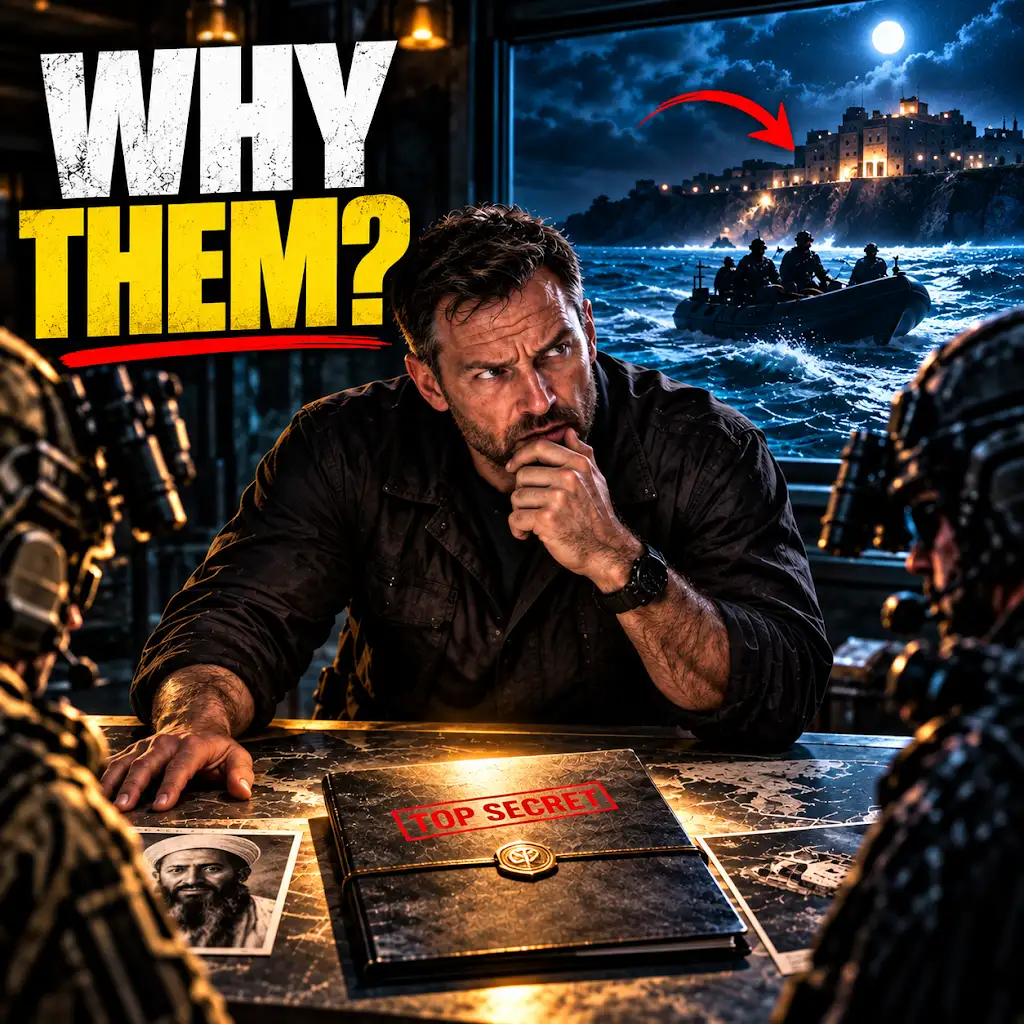
Why SEAL Team Six Got the Bin Laden Raid — Not Delta Force
FAQs
What is Delta Force?
Delta Force, officially known as 1st Special Forces Operational Detachment-Delta (1st SFOD-D), is a special operations force of the United States Army. It is a highly secretive and elite unit specializing in counterterrorism and other specialized missions.
What is DEVGRU?
DEVGRU, officially known as the United States Naval Special Warfare Development Group (NSWDG), is a special operations force of the United States Navy. It is commonly referred to as SEAL Team Six and is responsible for counterterrorism and other high-risk missions.
How are Delta Force and DEVGRU different?
Delta Force and DEVGRU are both elite special operations units, but they fall under different branches of the U.S. military – Delta Force is part of the Army, while DEVGRU is part of the Navy. They also have different areas of expertise and operational focus, with Delta Force specializing in land-based operations and DEVGRU focusing on maritime operations.
What are the requirements to join Delta Force or DEVGRU?
The specific requirements to join Delta Force or DEVGRU are highly classified and not publicly disclosed. However, it is known that candidates must undergo rigorous selection processes and training programs to prove their physical and mental capabilities before being accepted into these elite units.
What are some notable missions carried out by Delta Force and DEVGRU?
Both Delta Force and DEVGRU have been involved in numerous high-profile missions, including the capture of Saddam Hussein, the raid on Osama bin Laden’s compound in Pakistan, and various hostage rescue operations. These units are known for their precision, skill, and ability to execute complex missions with utmost secrecy.