Inside SEAL Team Six: A Deep Dive into America’s Elite Tier-One Unit
The whispers surrounding SEAL Team Six, officially known as the Naval Special Warfare Development Group (DEVGRU), are often as hushed as the operators who comprise its ranks. This legendary unit, born from the ashes of a failed rescue mission, has become the benchmark for counter-terrorism and special operations worldwide. Operating at the absolute apex of military capability, DEVGRU represents the tip of the spear, a force meticulously trained and equipped to tackle the most dangerous and complex missions imaginable. Understanding what makes this Tier-One unit so formidable requires a journey into its history, its stringent selection process, its unparalleled training, and the unique operational ethos that defines its members.
The story of SEAL Team Six is inextricably linked to a pivotal moment in American history: Operation Eagle Claw. In April 1980, a desperate attempt to rescue 52 American hostages held in Iran ended in a catastrophic failure. The mission, plagued by logistical nightmares and equipment malfunctions, resulted in the loss of eight servicemen and no successful rescue. The subsequent investigation revealed a critical need for a specialized unit capable of conducting high-risk hostage rescue and counter-terrorism operations with precision and stealth.
The Birth of a New Unit
In the wake of Eagle Claw’s ignominious end, a need for a dedicated, elite force became glaringly apparent. Commander Richard Marcinko, a seasoned SEAL operator, was tasked with creating this new unit. He envisioned a highly trained, intensely motivated, and exceptionally skilled group that would push the boundaries of special operations. This nascent unit, initially codenamed “SEAL Team Six,” was designed to be a clandestine, unconventional force, capable of operating independently in hostile environments.
Marcinko’s Vision: The “Rogue Warrior” Ethos
Richard Marcinko, often referred to as the “Rogue Warrior,” instilled a distinct culture within the early iteration of SEAL Team Six. His philosophy emphasized extreme self-reliance, a willingness to bend or break rules when necessary for mission success, and an unwavering commitment to the objective, regardless of the personal cost. This aggressive and innovative approach, while controversial, laid the groundwork for the unit’s legendary status and its reputation for tackling seemingly impossible tasks.
Evolving into DEVGRU: A Shift in Focus and Structure
While the “SEAL Team Six” moniker captured the public imagination and served as a formidable deterrent, the unit’s operational scope and organizational structure evolved over time. To enhance its flexibility and streamline its capabilities, the unit was eventually reorganized and designated as the Naval Special Warfare Development Group (DEVGRU). This rebranding reflected a broader mandate beyond purely hostage rescue, encompassing a wider array of high-threat special operations missions. Despite the name change, the operational “SEAL Team Six” identity persisted, a testament to the legacy established in its formative years.
The Role of the CIA and Joint Special Operations Command (JSOC)
DEVGRU’s operational tempo and the classified nature of its missions mean it often works in close coordination with other intelligence and special operations entities. The Central Intelligence Agency (CIA), in particular, has a long-standing relationship with DEVGRU, leveraging the unit’s unparalleled capabilities for sensitive operations overseas. Furthermore, DEVGRU falls under the umbrella of the Joint Special Operations Command (JSOC), which oversees the most elite special operations units from all branches of the U.S. military, ensuring seamless integration and coordinated efforts in the most critical theaters of operation.
SEAL Team Six, officially known as the United States Naval Special Warfare Development Group (DEVGRU), is one of the most elite military units in the world, renowned for its high-stakes missions and rigorous selection process. For a deeper understanding of the operations and history of this Tier One unit, you can explore a related article that delves into their training, notable missions, and the challenges they face. To read more, visit this insightful article.
The Crucible of Selection: Forging the Elite
The path to becoming a member of DEVGRU is not merely a matter of volunteering; it is an arduous and unforgiving journey designed to weed out all but the most exceptional individuals. The selection process is intentionally brutal, designed to test not only physical prowess but also mental fortitude, adaptability, and an unyielding commitment to the team. Candidates are drawn from the ranks of experienced U.S. Navy SEALs who have already proven themselves in demanding operational environments.
The Basic Underwater Demolition/SEAL (BUD/S) Precursor
Before even dreaming of DEVGRU, prospective candidates must first successfully complete the notoriously difficult Basic Underwater Demolition/SEAL (BUD/S) training. This gauntlet, designed to transform raw recruits into SEALs, is one of the most physically and mentally demanding military training programs in the world. BUD/S tests candidates’ limits through grueling physical conditioning, demanding underwater obstacles, and relentless sleep deprivation, all while instilling a deep sense of teamwork and resilience. Only a fraction of those who begin BUD/S emerge as qualified SEALs.
Beyond BUD/S: The DEVGRU Pipeline
For those who have conquered BUD/S and served with distinction as SEALs, the path to DEVGRU is another layer of extreme vetting. The selection process for DEVGRU is highly secretive and involves a series of rigorous assessments designed to evaluate a candidate’s performance under extreme stress, their tactical acumen, their problem-solving abilities, and their psychological suitability for clandestine operations. This phase is often referred to as “Operator Training Course” (OTC) or “Green Team,” and it is here that the true mettle of a potential DEVGRU operator is forged.
Traits of the Elite Operator
The individuals who ultimately wear the DEVGRU insignia possess a unique constellation of traits. They are not simply physically superior; they are intellectually sharp, emotionally resilient, and possess an uncanny ability to remain calm and decisive under overwhelming pressure. Key attributes include:
- Unwavering Courage: The capacity to confront mortal danger with a focused resolve, driven by duty and mission accomplishment.
- Exceptional Judgment: The ability to make split-second, life-or-death decisions in complex and rapidly evolving situations.
- Technical Proficiency: Mastery of a vast array of weapons systems, demolitions, communications equipment, and advanced tactical techniques.
- Adaptability: The skill to rapidly adjust plans and tactics in response to unforeseen circumstances.
- Stealth and Subtlety: An inherent understanding of covert operations, camouflage, and the ability to move undetected.
- Team Cohesion: An absolute reliance on and trust in their teammates, understanding that the mission’s success depends on collective effort.
- Intelligence and Problem-Solving: The ability to analyze complex situations, devise innovative solutions, and execute them flawlessly.
Unparalleled Training: Mastering Every Dimension
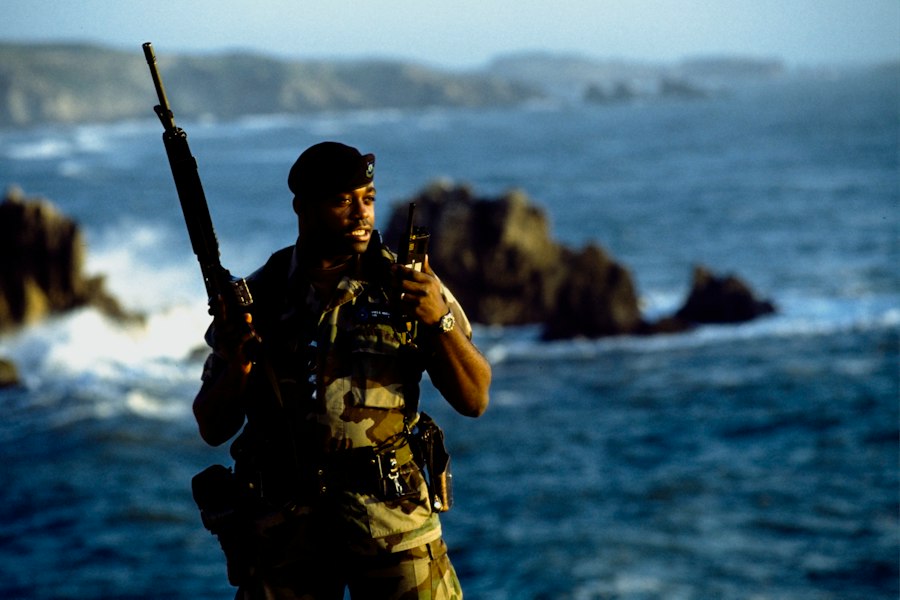
The training regimen for DEVGRU operators is unlike anything found in conventional military forces. It is a continuous cycle of refinement, pushing the boundaries of human capability and mastering an ever-evolving array of skills. Their training is not confined to specific domains; it is holistic, encompassing land, sea, and air, as well as the sophisticated use of technology and intelligence.
Tactical Mastery: Land, Sea, and Air
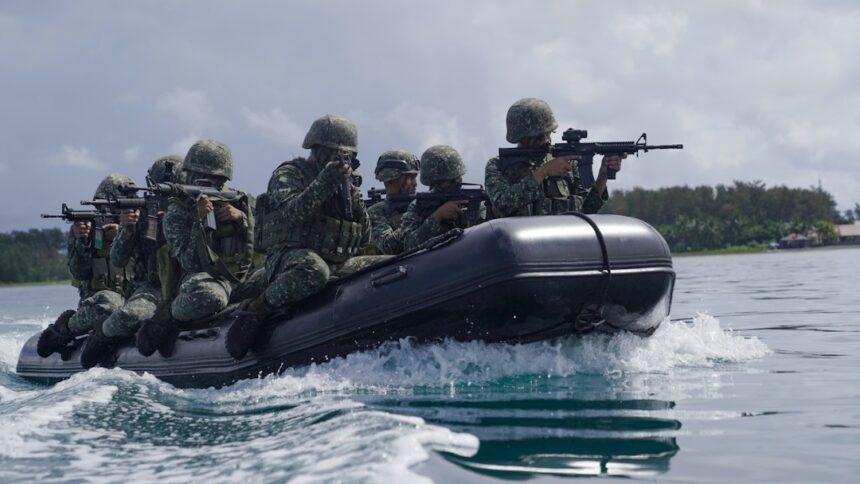
DEVGRU operators are masters of their environment, trained to operate effectively in virtually any scenario. Their land-based training includes advanced marksmanship, close-quarters combat (CQC), urban warfare, counter-insurgency operations, and the use of specialized vehicles and equipment. Their maritime expertise, inherited from their SEAL roots, is unparalleled, encompassing amphibious assaults, underwater demolition, submarine operations, and extensive small-boat handling. Air operations include insertion and extraction via helicopters, fixed-wing aircraft, and parachuting, including HALO (High Altitude-Low Opening) and HAHO (High Altitude-High Opening) techniques for deep infiltration.
Specialized Skill Sets: From Demolitions to Cyber Warfare
Beyond the core operational skills, DEVGRU operators develop highly specialized expertise. This can range from advanced demolitions and explosives handling to counter-sniper tactics, intelligence gathering, and even cyber warfare. The unit constantly adapts its training to counter emerging threats, ensuring its operators are prepared for the most sophisticated adversaries.
Scenario-Based Training: Simulating the Impossible
A cornerstone of DEVGRU training is its relentless focus on scenario-based exercises. These simulations are designed to replicate the most challenging and dangerous operational environments imaginable, pushing operators to their absolute limits. They are subjected to realistic stress, faced with unexpected complications, and forced to adapt and overcome, fostering an invaluable level of preparedness and tactical acumen. These simulations often involve:
- Hostage Rescue Scenarios: Recreating complex hostage situations with varying degrees of threat and environmental challenges.
- Direct Action Missions: Practicing raids, ambushes, and assaults against heavily fortified targets.
- Counter-Terrorism Operations: Simulating responses to terrorist attacks, including active shooter events and bomb threats.
- Intelligence Gathering and Special Reconnaissance: Training in covertly obtaining critical information in hostile territory.
Psychological Conditioning: The Mind of a Warrior
The mental resilience of a DEVGRU operator is as critical as their physical conditioning. The unit places a significant emphasis on psychological preparation, including stress inoculation, mental resilience training, and the development of coping mechanisms for prolonged periods of high-stakes operations and the inherent psychological toll of their missions. This ensures that operators can maintain peak performance and decision-making capabilities even under extreme duress.
Operations: The Shadow Warriors of the Global Landscape
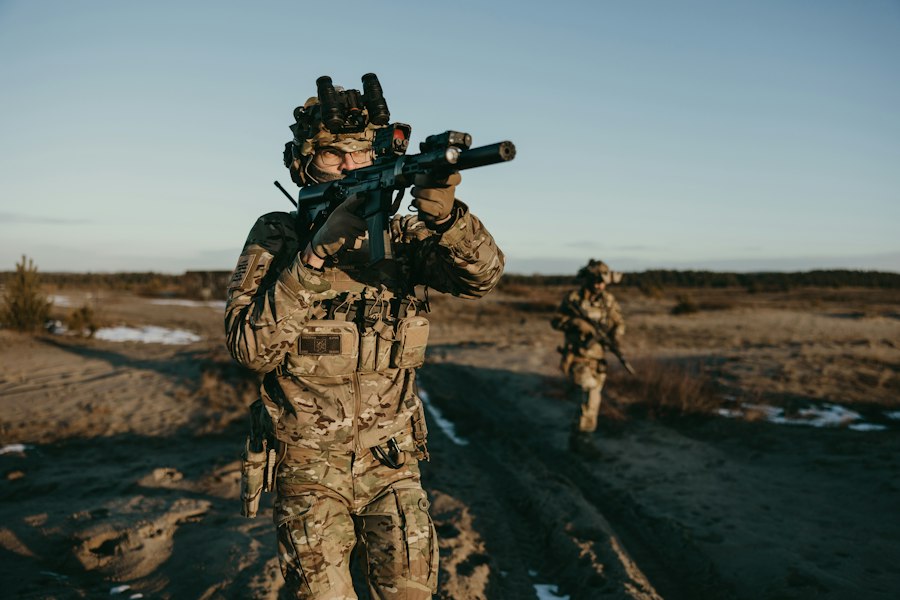
The operational history of SEAL Team Six is largely shrouded in secrecy, a testament to the sensitive nature of their missions. However, several high-profile operations have brought the unit into the public consciousness, showcasing their extraordinary capabilities and unwavering dedication. Their missions are characterized by precision, speed, and an overwhelming focus on achieving the objective with minimal collateral damage.
The Raid on Osama bin Laden: “Operation Neptune Spear”
Perhaps the most publicly recognized DEVGRU operation was the raid in Abbottabad, Pakistan, on May 2, 2011, which resulted in the killing of Osama bin Laden. This meticulously planned and executed mission saw DEVGRU operators rappel from helicopters onto the compound and engage the al-Qaeda leader in a swift and decisive firefight. The success of “Operation Neptune Spear” underscored DEVGRU’s ability to conduct complex, high-risk operations in denied territories, achieving a strategic objective of immense global significance.
The Bin Laden Raid: A Masterclass in Execution
The planning and execution of the bin Laden raid were a testament to DEVGRU’s operational prowess. It involved extensive intelligence gathering, meticulous planning of every phase of the operation, and the deployment of highly specialized gear and tactics. The speed and precision with which the assault was conducted, minimizing civilian casualties and achieving the primary objective, cemented DEVGRU’s reputation as the preeminent counter-terrorism force.
Beyond Bin Laden: A Spectrum of Global Engagements
While the bin Laden raid is a prominent example, DEVGRU’s operational portfolio extends far beyond a single mission. They have been instrumental in countless counter-terrorism operations, hostage rescues, and special reconnaissance missions across the globe. These operations often occur in environments where traditional military forces are either unable or unwilling to operate, involving:
- Counter-Piracy Operations: Combating maritime piracy in volatile regions like the Horn of Africa.
- Direct Action Against Terrorist Networks: Disrupting and dismantling terrorist organizations through raids and assassinations of key leaders.
- Special Reconnaissance and Intelligence Gathering: Operating behind enemy lines to collect vital intelligence.
- Security for High-Value Individuals and Assets: Providing covert protection in extremely dangerous situations.
The Ethics of Engagement: Mission and Morality
Operating in the shadows inevitably raises complex ethical questions. DEVGRU operators are bound by strict rules of engagement and a deep sense of moral responsibility. While their missions are often lethal, they are always conducted with the intent of minimizing harm to non-combatants and upholding the principles of warfare. The unit undergoes extensive training in rules of engagement and the ethical considerations of special operations, ensuring that their actions are not only effective but also morally sound.
SEAL Team Six, officially known as the Naval Special Warfare Development Group, is a highly elite unit that has gained notoriety for its critical missions, including the operation that led to the death of Osama bin Laden. For those interested in learning more about the intricacies and operations of this Tier One unit, a related article can provide deeper insights into its history and capabilities. You can explore this further in the article available here. Understanding the structure and training of SEAL Team Six reveals the dedication and skill required to operate at such a high level in the field of special operations.
The DEVGRU Ethos: More Than Just a Unit
| Metric | Description | Details |
|---|---|---|
| Unit Name | Official Name | Naval Special Warfare Development Group (DEVGRU) |
| Common Name | Popular Reference | SEAL Team Six |
| Branch | Military Branch | United States Navy |
| Type | Unit Classification | Tier One Special Mission Unit |
| Primary Missions | Core Operational Roles | Counter-terrorism, hostage rescue, special reconnaissance, direct action |
| Selection Process | Recruitment and Training | Extremely rigorous selection from experienced Navy SEALs, followed by advanced specialized training |
| Size | Estimated Number of Operators | Classified; estimated to be a few hundred personnel |
| Notable Operations | Famous Missions | Operation Neptune Spear (Osama bin Laden raid), Maersk Alabama hijacking rescue |
| Command Structure | Oversight | Under Joint Special Operations Command (JSOC) |
| Equipment | Typical Gear | Advanced firearms, specialized tactical gear, cutting-edge technology |
The distinguishing characteristic of DEVGRU is not solely its superior training or advanced weaponry; it is the deeply ingrained ethos that permeates every aspect of its operations. This ethos is a blend of warrior pride, unwavering loyalty, and an almost religious devotion to the mission and one’s teammates.
The Brotherhood: Unbreakable Bonds
The intense training and shared experiences create an unbreakable bond among DEVGRU operators. They are a brotherhood, forged in the fires of adversity, where trust is paramount and the life of each operator depends on the reliability of their teammates. This sense of camaraderie extends beyond the battlefield, fostering a lifelong support network.
The Silent Professionals: Discreet and Dedicated
DEVGRU operators are often referred to as “silent professionals.” They operate with a high degree of discretion, shunning the spotlight and preferring to let their actions speak for themselves. Their dedication to duty is absolute, often requiring extended deployments away from family and loved ones.
The Unseen Force: Protecting the Nation
The impact of DEVGRU’s operations on national security is immeasurable, though often unseen by the public. They are the unseen guardians, the ones who confront threats before they reach American shores, and who extract Americans from the gravest of dangers. Their presence, though clandestine, provides a critical layer of security and deterrence against global adversaries.
The Future of Tier-One Operations
As the global threat landscape continues to evolve, so too will the role of DEVGRU. The unit remains at the forefront of military innovation, constantly adapting its tactics, techniques, and procedures to counter emerging threats. Its commitment to excellence, its rigorous selection and training, and its unique operational ethos ensure that DEVGRU will continue to be the tip of the spear, the nation’s ultimate instrument of special operations for years to come. The legacy of SEAL Team Six, and now DEVGRU, is one of courage, sacrifice, and unwavering dedication to protecting the nation.
Why SEAL Team Six Got the Bin Laden Raid — Not Delta Force
FAQs
What is SEAL Team Six?
SEAL Team Six, officially known as the United States Naval Special Warfare Development Group (DEVGRU), is a highly secretive Tier One special operations unit within the U.S. Navy SEALs.
What is the purpose of SEAL Team Six?
SEAL Team Six is tasked with conducting counter-terrorism, hostage rescue, and other specialized missions in support of U.S. national security objectives.
How is SEAL Team Six different from other SEAL teams?
SEAL Team Six is considered the premier counter-terrorism and special missions unit within the U.S. Navy SEALs. It is known for its high level of training, operational capabilities, and operational security.
How are members of SEAL Team Six selected?
Members of SEAL Team Six are recruited from the existing pool of U.S. Navy SEALs and must undergo a rigorous selection process that includes physical fitness tests, psychological evaluations, and specialized training.
What are some notable operations conducted by SEAL Team Six?
SEAL Team Six has been involved in numerous high-profile operations, including the capture of Osama bin Laden in 2011, the rescue of Captain Richard Phillips from Somali pirates in 2009, and the mission to rescue Jessica Buchanan and Poul Hagen Thisted in Somalia in 2012.