The United States military boasts a formidable array of specialized forces, renowned for their exceptional training, audacious missions, and unwavering dedication. These elite units, often operating in the shadows, are the tip of the spear, deployed for the most sensitive and dangerous operations that conventional forces cannot undertake. Their capabilities range from intelligence gathering and counterterrorism to direct action and unconventional warfare, making them indispensable assets in safeguarding national interests. This article delves into the multifaceted world of these elite special operations units, exploring their history, organization, selection, training, and the critical roles they play in global security.
The concept of elite, specialized military units is not a new one. Throughout history, armies have utilized highly trained detachments for specific purposes. However, the modern era of US special operations began to take shape during World War II, with the formation of units like the Office of Strategic Services (OSS) and various commando formations. These early iterations laid the groundwork for what would become a highly sophisticated and integrated special operations community.
World War II Origins and the OSS
The exigencies of World War II highlighted the need for specialized capabilities beyond traditional combat. The OSS, established in 1942, was a groundbreaking organization that combined intelligence gathering, propaganda, sabotage, and paramilitary operations. Its agents and operatives conducted missions deep behind enemy lines, providing invaluable intelligence and disrupting enemy operations. While the OSS was disbanded after the war, its legacy and operational lessons profoundly influenced the development of future special operations forces.
The Cold War and the Rise of Dedicated Units
The geopolitical landscape of the Cold War necessitated a more permanent and structured approach to special operations. The threat of proxy wars, insurgency, and nuclear confrontation demanded forces capable of operating in unconventional environments and responding to a wide spectrum of threats. This era saw the formal establishment and refinement of many of the special operations units that are prominent today.
The Vietnam War’s Impact
The protracted and unconventional nature of the Vietnam War provided a crucible for special operations. Units like the Special Forces, Reconnaissance Units, and SEALs honed their skills in jungle warfare, counterinsurgency, and unconventional operations. The challenges of Vietnam underscored the importance of adaptability, cultural understanding, and the ability to operate independently in hostile territory. The lessons learned during this conflict continue to inform special operations doctrine.
The Reorganization and Goldwater-Nichols Act
A significant turning point for US special operations came with the Goldwater-Nichols Department of Defense Reorganization Act of 1986. This landmark legislation aimed to streamline command and control, improve inter-service cooperation, and elevate the status of special operations. It led to the establishment of the United States Special Operations Command (USSOCOM), a unified combatant command responsible for overseeing all special operations forces across the Army, Navy, Air Force, and Marine Corps. This centralization has fostered greater synergy, resource sharing, and doctrinal development.
The elite special operations units of the US military, such as the Navy SEALs and Delta Force, are renowned for their rigorous training and specialized skills that enable them to undertake high-stakes missions around the globe. For a deeper understanding of their operations, tactics, and the challenges they face, you can read a related article that explores these aspects in detail. Check it out here: US Military Elite Special Operations Units.
Pillars of American Special Operations: Key Commands and Their Roles
USSOCOM is the umbrella organization that coordinates the activities of several major component commands, each with its distinct heritage, operational focus, and specialized capabilities. These commands are the backbone of America’s ability to project power and respond to complex threats around the globe.
United States Army Special Operations Command (USASOC)
USASOC is the largest component of USSOCOM, encompassing a diverse range of units trained for a spectrum of special operations missions. Its forces are renowned for their land-based expertise, including direct action, special reconnaissance, counterterrorism, and foreign internal defense.
Delta Force (1st Special Forces Operational Detachment-Delta, SFOD-D)
Often referred to as “Delta,” this highly secretive unit is the Army’s premier counterterrorism and direct action force. Delta operators are selected from the best of the best, undergoing rigorous selection and training to execute extremely high-risk missions, often involving hostage rescue, counter-terrorism, and the capture or elimination of high-value targets. Their operations are characterized by speed, precision, and overwhelming force applied at the critical moment.
Army Rangers (75th Ranger Regiment)
The 75th Ranger Regiment is an elite light infantry unit specializing in direct action operations, reconnaissance, and raids. Rangers are known for their rapid deployment capabilities and their ability to conduct operations in any environment. They serve as a vital asset for rapid response missions, special reconnaissance, and as a force multiplier for conventional units. Their ethos of “Rangers lead the way” reflects their commitment to spearheading challenging operations.
Special Forces (Green Berets)
The US Army Special Forces, commonly known as the “Green Berets,” are the architects of unconventional warfare. Their primary mission involves training and advising indigenous forces in foreign countries, enabling them to counter threats from within. Green Berets are masters of foreign internal defense, special reconnaissance, and direct action. Their unique skill set includes foreign language proficiency, deep cultural understanding, and the ability to operate effectively in remote and politically sensitive areas.
Naval Special Warfare Command (NAVSPECWARCOM)
NAVSPECWARCOM is responsible for the Navy’s elite maritime special operations forces, primarily known for their prowess in operating from and in the maritime domain. Their missions include direct action, special reconnaissance, counterterrorism, and foreign naval interdiction.
SEAL Teams (Sea, Air, and Land Teams)
The US Navy SEALs are perhaps the most recognizable special operations force. SEALs are exceptionally versatile, trained to operate in all environments: sea, air, and land. They are masters of maritime interdiction, direct action raids, special reconnaissance, and counterterrorism operations. Their demanding training pipeline, including the infamous “Hell Week,” ensures that only the most resilient and capable individuals become SEALs. They are often deployed from submarines, surface vessels, and aircraft, showcasing their extreme adaptability.
Special Warfare Combatant-Craft Crewmen (SWCC)
SWCC operators are the backbone of the SEALs’ mobility and logistical support. They operate specialized combatant craft, providing insertion, extraction, and direct fire support for SEAL missions. SWCC are highly skilled in maritime navigation, small boat operations, and combat tactics, ensuring that SEAL teams can reach their objectives safely and effectively.
Air Force Special Operations Command (AFSOC)
AFSOC provides specialized airpower capabilities to support special operations forces across all services. Their unique expertise lies in intelligence, surveillance, reconnaissance (ISR), airlift, and close air support in austere environments.
Special Tactics (ST) Squadrons
Special Tactics squadrons are comprised of highly skilled Airmen who operate alongside Army, Navy, and Marine special operations forces. They are responsible for establishing forward operating bases, providing battlefield air traffic control, performing combat search and rescue, and conducting direct action missions. Their battlefield expertise is crucial for enabling special operations in contested and denied environments.
Pararescue (PJs)
Air Force Pararescuemen, or PJs, are elite medical professionals trained to perform combat search and rescue and tactical casualty care in high-risk environments. They are the primary rescuers for downed aircrew and are often deployed to rescue wounded special operations personnel behind enemy lines. Their ability to provide life-saving medical care under fire is a critical component of the special operations success.
Marine Corps Forces Special Operations Command (MARSOC)
MARSOC is the Marine Corps’ component of USSOCOM, focusing on specialized reconnaissance, direct action, and foreign internal defense missions. MARSOC operators are drawn from the ranks of the highly capable Marine Corps, bringing a unique amphibious and expeditionary approach to special operations.
Marine Raiders
Marine Raiders are the principal direct action and special reconnaissance elements within MARSOC. They are trained to conduct a wide range of missions, including counterterrorism, unconventional warfare, and foreign internal defense, often in support of partner nation forces. Their operational philosophy emphasizes a forward-deployed, expeditionary mindset, leveraging the Marine Corps’ inherent amphibious capabilities.
The Gauntlet of Selection and Training
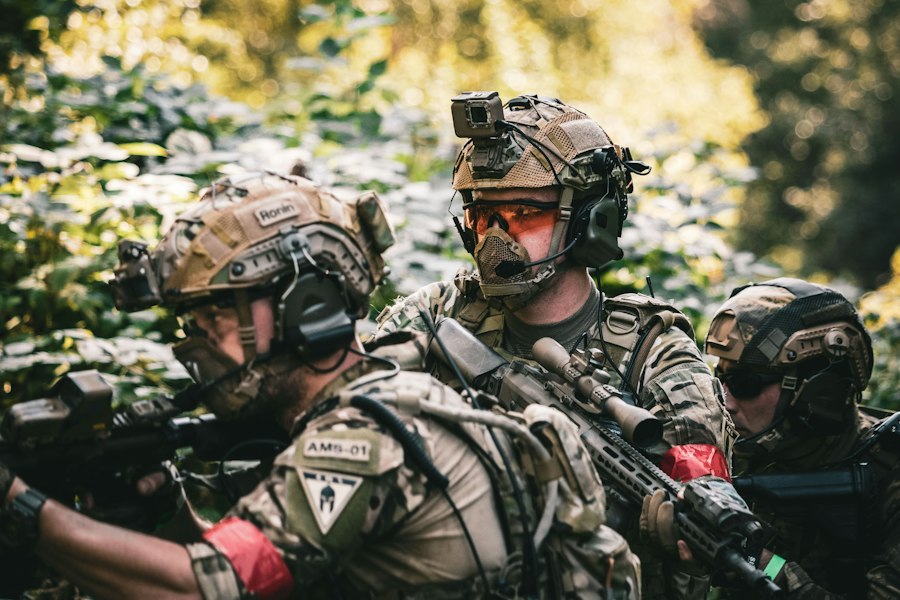
The path to becoming a member of an elite US special operations unit is arduous, demanding, and designed to filter out all but the most physically and mentally resilient individuals. The selection and training processes are notoriously challenging, pushing candidates to their absolute limits and beyond.
Rigorous Selection Criteria
The first hurdle for aspiring special operators is the stringent selection process. Candidates are assessed not only on their physical prowess but also on their mental fortitude, leadership potential, problem-solving skills, and ability to work effectively under extreme stress. Psychological evaluations, intense physical fitness tests, and demanding teamwork exercises are standard components of this initial screening. The goal is to identify individuals who possess the unwavering dedication, adaptability, and courage required for special operations.
The Crucible of Basic and Advanced Training
Once selected, candidates embark on a grueling training regimen. Basic training instills fundamental military skills, while specialized training delves into the unique requirements of their chosen unit. This advanced training is comprehensive and continuously evolving, encompassing:
Tactical Skills Mastery
- Marksmanship: Unparalleled proficiency with a wide array of firearms, from pistols and rifles to specialized sniper systems.
- Close Quarters Combat (CQC): Mastering hand-to-hand combat techniques and room clearing procedures for urban environments.
- Breaching and Entry: Developing skills to overcome physical barriers, including doors, walls, and windows, under fire.
- Demolitions: Expert knowledge in the use of explosives for various tactical applications.
- Sniping and Counter-Sniping: Precision shooting skills and the ability to operate undetected.
Environmental and Operational Expertise
- Land Navigation and Survival: Proficiency in navigating any terrain without external aids and surviving in harsh environments.
- Maritime Operations: For units like the SEALs, this includes advanced diving, small boat operations, and amphibious insertions.
- Airborne Operations: Mastery of parachute jumps from various altitudes and aircraft, including static-line and freefall techniques.
- Mountain Warfare: Operations in high-altitude, rugged terrain.
- Jungle Warfare: Survival and combat in dense, humid jungle environments.
Specialized Mission Training
- Intelligence, Surveillance, and Reconnaissance (ISR): Gathering information through observation, electronic means, and human intelligence.
- Counterterrorism Tactics: Planning and executing operations to neutralize terrorist threats, including hostage rescue.
- Unconventional Warfare: Training indigenous forces and operating behind enemy lines.
- Foreign Internal Defense: Assisting allied nations in developing their own security capabilities.
- Chemical, Biological, Radiological, and Nuclear (CBRN) Defense: Operating and responding to threats involving WMDs.
Continuous Training and Readiness
The commitment to excellence does not end with initial qualification. Special operations forces undergo continuous training to maintain their skills and adapt to evolving threats. This includes regular exercises, joint training with allied forces, and specialized courses that keep them at the forefront of military capabilities. The ability to remain at a high level of readiness is paramount, as these units can be deployed with little notice to any point on the globe.
Missions and Deployments: The Sharp Edge of US Power
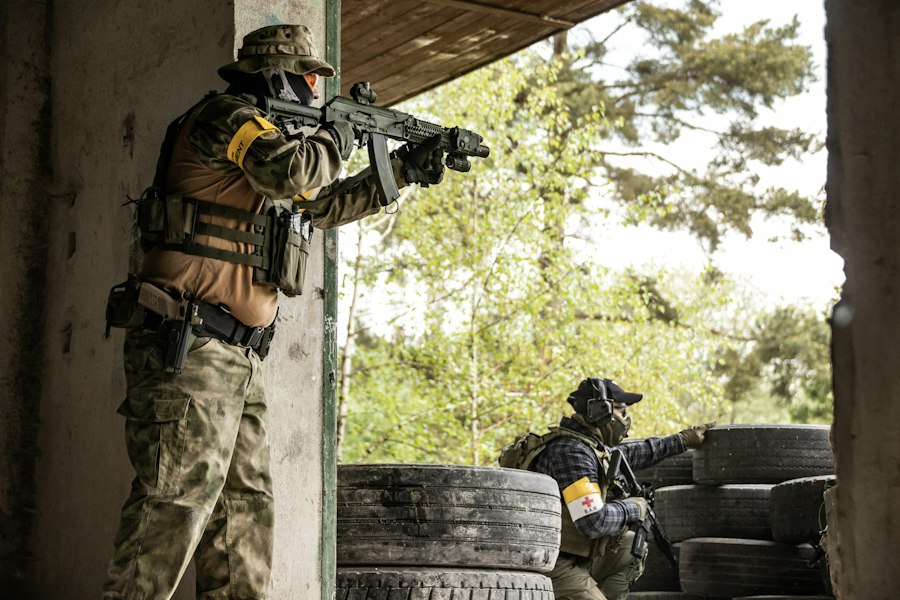
The primary function of US military elite special operations units is to execute missions that are beyond the scope and capability of conventional forces. Their deployments are often clandestine, highly sensitive, and carry significant strategic implications.
Direct Action and Counterterrorism
One of the most visible roles of special operations forces is direct action. This encompasses a range of offensive operations, including raids, ambushes, and assaults, designed to destroy, disrupt, or capture enemy forces or materiel. Counterterrorism operations, a subset of direct action, are specifically geared towards combating terrorist organizations, disrupting their networks, and preventing attacks.
High-Value Target (HVT) Operations
A hallmark of special operations is the ability to identify, locate, and neutralize high-value targets. These operations often involve complex intelligence gathering, precise execution, and a high degree of risk. The successful capture or elimination of HVTs can significantly degrade enemy capabilities and leadership.
Hostage Rescue and Recovery
When US citizens or personnel are held captive in hostile environments, special operations units are often the first and last resort. Their specialized training and rapid deployment capabilities allow them to conduct complex hostage rescue missions, often under extreme pressure and with little margin for error.
Special Reconnaissance and Intelligence Gathering
Beyond kinetic operations, special operations units are vital for intelligence, surveillance, and reconnaissance (ISR). They conduct clandestine reconnaissance missions deep behind enemy lines to gather critical intelligence on enemy forces, infrastructure, and intentions. This information is invaluable for both strategic planning and tactical operations.
Intelligence Gathering in Denied Areas
Operating in areas where conventional forces cannot penetrate, special operators collect vital intelligence that informs decision-making at the highest levels. This can range from mapping enemy positions to assessing the effectiveness of insurgent networks.
Battlefield Preparation
Special operations forces often conduct reconnaissance and set conditions for larger conventional operations. This can involve disabling enemy defenses, establishing safe corridors, or providing early warning of enemy movements.
Unconventional Warfare and Foreign Internal Defense
A cornerstone of US special operations doctrine is the ability to operate by, with, and through partner nation forces. Unconventional warfare involves training and advising indigenous irregular forces to conduct operations against an occupying power or oppressive regime. Foreign internal defense focuses on assisting allied governments in counterinsurgency and counterterrorism efforts, strengthening their own security forces.
Building Partner Capacity
By training and equipping foreign military and paramilitary forces, special operations units enhance the security capabilities of allies, fostering stability and deterring aggression. This approach allows for a more sustainable and effective long-term security strategy.
Advise and Assist Missions
Special operations personnel often serve as advisors to foreign military leaders, providing expertise in tactics, strategy, and operational planning. These missions are crucial for building trust and fostering interoperability with allied forces.
The capabilities and strategies of US military elite special operations units are often highlighted in various analyses, shedding light on their critical role in modern warfare. For those interested in a deeper understanding of these forces, a related article can be found at In the War Room, which explores the evolution and impact of special operations in contemporary conflicts. This resource provides valuable insights into how these units operate and adapt to the ever-changing landscape of global security challenges.
The Future of Special Operations: Evolving Threats and Capabilities
| Unit Name | Branch | Primary Mission | Established | Selection Duration | Notable Operations |
|---|---|---|---|---|---|
| Delta Force (1st SFOD-D) | Army | Counter-terrorism, hostage rescue, direct action | 1977 | 6-8 weeks | Operation Eagle Claw, Operation Gothic Serpent |
| SEAL Team Six (DEVGRU) | Navy | Counter-terrorism, special reconnaissance, direct action | 1980 | 6 months (including BUD/S and advanced training) | Operation Neptune Spear, Maersk Alabama rescue |
| Army Special Forces (Green Berets) | Army | Unconventional warfare, foreign internal defense, direct action | 1952 | 24 weeks (Special Forces Qualification Course) | Vietnam War, Operation Enduring Freedom |
| Marine Raiders (MARSOC) | Marine Corps | Special reconnaissance, direct action, foreign internal defense | 2006 | 7 months (Assessment and Selection plus Individual Training Course) | Operation Iraqi Freedom, Operation Enduring Freedom |
| Air Force Pararescue (PJs) | Air Force | Personnel recovery, combat search and rescue | 1947 | 1 year (Pararescue Training Pipeline) | Operation Desert Storm, Operation Enduring Freedom |
| Air Force Combat Controllers (CCT) | Air Force | Air traffic control, close air support coordination | 1953 | 1 year (Combat Control Training Course) | Operation Iraqi Freedom, Operation Enduring Freedom |
The landscape of global security is constantly shifting, and US military elite special operations units are at the forefront of adapting to these evolving threats. The future of special operations will be defined by innovation, technological integration, and a continued emphasis on adaptability and asymmetric warfare.
The Rise of Hybrid Threats
Modern adversaries are increasingly employing hybrid warfare tactics, blending conventional military power with irregular forces, cyber warfare, and information operations. Special operations forces will need to be adept at countering these complex and multifaceted threats, operating across multiple domains simultaneously.
Technological Advancements and Integration
The integration of advanced technologies is transforming special operations. Drones, artificial intelligence, advanced sensors, and cyber capabilities are becoming integral to mission planning and execution. Special operations units will continue to leverage these technologies to enhance their situational awareness, operational effectiveness, and survivability.
Cyber and Electronic Warfare
The increasing reliance on digital infrastructure by adversaries makes cyber warfare a critical domain. Special operations forces will likely play a more significant role in offensive and defensive cyber operations, disrupting enemy networks and protecting friendly systems.
Unmanned Systems and Robotics
The deployment of unmanned aerial vehicles (UAVs), unmanned ground vehicles (UGVs), and other robotic systems will provide special operations forces with enhanced ISR capabilities, precision strike options, and the ability to operate in environments too dangerous for human personnel.
Special Operations in the Information Age
The information environment is as critical as the physical battlefield. Special operations units will need to be skilled in operating within the information domain, countering disinformation, and influencing narratives to achieve strategic objectives. This includes understanding and leveraging social media, open-source intelligence, and psychological operations.
Maintaining Agility and Adaptability
As threats continue to evolve, the ability of special operations units to remain agile and adaptable will be paramount. This will require a continued focus on developing flexible organizational structures, fostering a culture of continuous learning, and ensuring that personnel are equipped with the skills and mindset to respond to unforeseen challenges. The enduring legacy of US military elite special operations units lies in their unwavering commitment to protecting national interests, their unparalleled capabilities, and their willingness to face the gravest dangers to ensure the security of the nation.
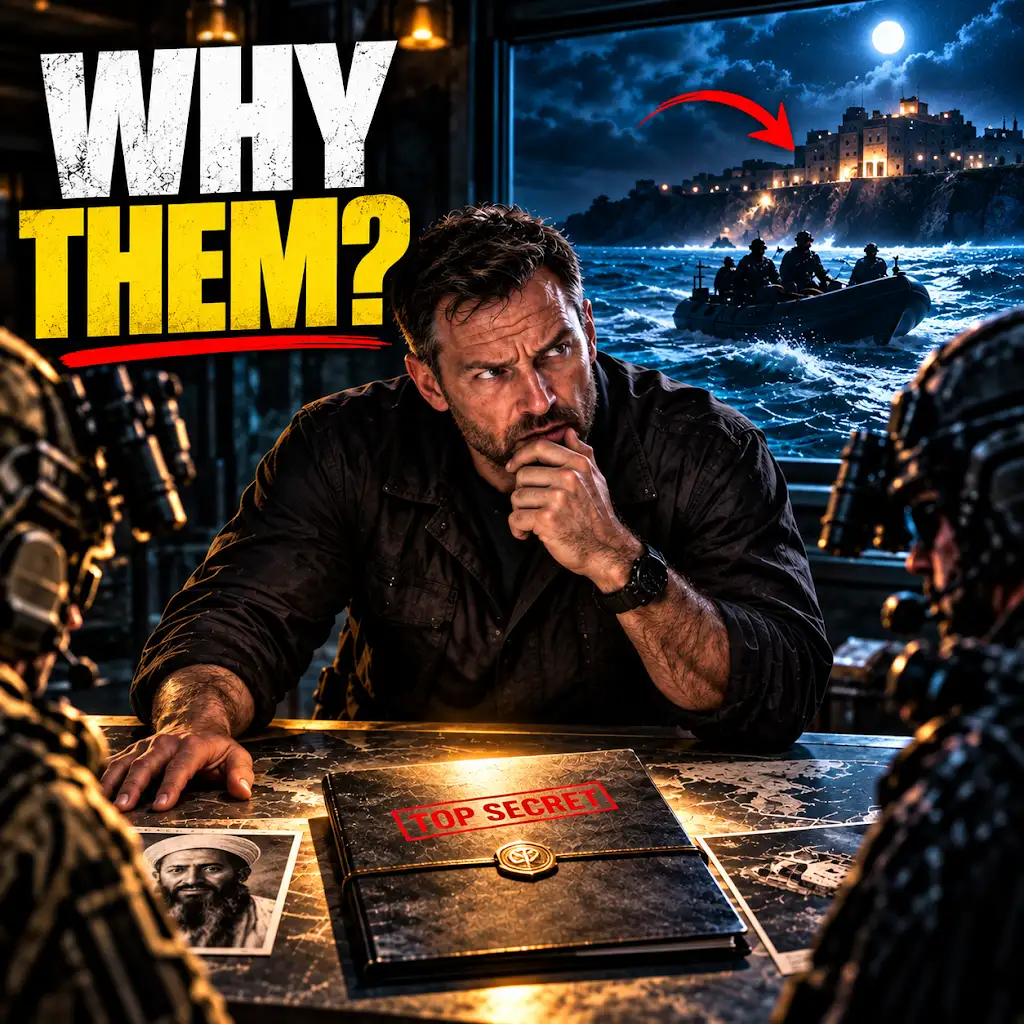
Why SEAL Team Six Got the Bin Laden Raid — Not Delta Force
FAQs
What are US military elite special operations units?
US military elite special operations units are highly trained and specialized forces within the US military that conduct unconventional warfare, counterterrorism operations, and other high-risk missions.
Which branches of the US military have elite special operations units?
The US military branches with elite special operations units include the Army (ex. Delta Force, Green Berets), Navy (ex. Navy SEALs), Air Force (ex. Special Tactics Squadrons), and Marine Corps (ex. Marine Raiders).
What is the selection process like for US military elite special operations units?
The selection process for US military elite special operations units is extremely rigorous and demanding, often including physical fitness tests, psychological evaluations, and specialized training courses to assess candidates’ abilities to perform under pressure.
What types of missions do US military elite special operations units typically undertake?
US military elite special operations units are tasked with a wide range of missions, including direct action raids, special reconnaissance, counterterrorism operations, hostage rescue, and training and advising foreign military forces.
How are US military elite special operations units different from conventional forces?
US military elite special operations units are distinguished from conventional forces by their specialized training, equipment, and mission sets, which often involve operating in small teams behind enemy lines or in politically sensitive environments.