Delta Force: A History Unveiled
The shadows have always held a special fascination for the public imagination. Within these clandestine spaces, legends are forged, whispered about in hushed tones and often shrouded in layers of secrecy. Among these shadowed warriors, few names evoke the same potent mix of awe and mystery as Delta Force. Officially known as the 1st Special Forces Operational Detachment-Delta (1st SFOD-D), this elite unit stands at the apex of American special operations, a testament to human ingenuity, rigorous training, and unwavering dedication. “Delta Force: A History Unveiled” seeks to peel back the carefully constructed veil of secrecy, offering a glimpse into the origins, evolution, and operational realities of this legendary counter-terrorism and special operations unit.
The very existence of Delta Force was born out of a painful lesson learned. The nascent years of American special operations, particularly in the wake of the Vietnam War, highlighted a critical gap in capabilities. While existing special forces units were adept at unconventional warfare and direct action missions, there was a distinct need for a highly specialized, small-scale unit capable of tackling the most complex and dangerous counter-terrorism scenarios. The specter of international terrorism, a growing threat in the 1970s, underscored this deficiency.
The Need for a Dedicated Counter-Terrorism Unit
Prior to the establishment of Delta Force, the United States lacked a dedicated force specifically trained and equipped to respond to hostage situations, terrorist attacks, and other high-stakes scenarios requiring surgical precision and extreme discretion. Existing military units, while capable, were often not structured or trained for the unique demands of these missions. The growing international landscape of terrorism presented a clear and present danger, and the United States needed an answer that was both swift and decisive, yet meticulously planned and executed. The lessons learned from various incidents abroad, combined with intelligence assessments, painted a stark picture: a specialized, highly trained force was not a luxury, but a necessity.
Colonel Charles Beckwith and the British SAS Model
The architect of Delta Force, Colonel Charles Beckwith, was a veteran of special operations with a profound understanding of the evolving threat landscape. His experiences, particularly his time attached to the British Special Air Service (SAS), provided him with invaluable insights. The SAS, with its long history of clandestine operations and specialized counter-terrorism expertise, served as a foundational blueprint for the American endeavor. Beckwith recognized the effectiveness of the SAS model – its rigorous selection process, its emphasis on individual initiative, and its specialized training for high-risk missions. He envisioned an American unit that would mirror these strengths, adapted to the unique operational environment and strategic objectives of the United States. This vision, coupled with the unwavering support of key military leaders, laid the groundwork for the creation of Delta Force.
The Formal Establishment and Early Years
The official establishment of Delta Force occurred in November 1977. The initial phase was characterized by intense recruitment and training, drawing operators from various branches of the U.S. military, including the Army’s Special Forces and Rangers. The selection process was deliberately arduous, designed to identify individuals with exceptional physical and mental resilience, tactical acumen, and the ability to operate under immense pressure. The early years were crucial for developing the unit’s doctrine, tactics, and operational procedures. This foundational period was marked by an unwavering focus on mastering the intricacies of counter-terrorism operations, from hostage rescue to direct assault on heavily fortified targets. The unit was designed to be small, agile, and highly adaptable, capable of deploying rapidly and executing missions with unparalleled effectiveness.
For those interested in the intricate history of elite military units, the Delta Force military history documentary provides a compelling look into the formation and operations of this renowned special operations group. To further explore the context and evolution of such units, you may find the related article on military strategies and covert operations insightful. Check it out here: Military Strategies and Covert Operations.
The Crucible of Operations: Missions that Defined Delta
Delta Force’s history is intrinsically linked to its operational record. While many missions remain classified, the publicly acknowledged or leaked accounts paint a picture of a unit that has consistently operated at the sharp end of global conflicts and counter-terrorism efforts. These operations, often fraught with peril and demanding extraordinary skill, have not only shaped the unit’s reputation but have also contributed significantly to national security.
Operation Eagle Claw: A Defining, Yet Tragic, Beginning
One of the earliest and most significant operations involving Delta Force was Operation Eagle Claw, the ill-fated attempt to rescue American hostages from the U.S. Embassy in Tehran in 1980. This mission, shrouded in controversy and marked by tragic outcomes, served as a harsh but invaluable learning experience for the nascent unit and the broader U.S. military. The mission’s failure highlighted critical logistical and operational shortcomings, leading to a thorough review and subsequent restructuring of U.S. special operations capabilities. Despite its ultimate failure, the bravery and dedication of the Delta operators involved were never in question. The lessons learned from Eagle Claw were profound, driving significant improvements in planning, coordination, and equipment, ultimately contributing to the unit’s future successes.
The Invasion of Grenada (Operation Urgent Fury)
The invasion of Grenada in 1983 provided Delta Force with another high-profile operational test. While not solely a Delta operation, the unit played a crucial role, undertaking missions that required precision, stealth, and the ability to operate in a complex and evolving battlefield. Their involvement in Grenada showcased their adaptability and their capacity to integrate with other military units in joint operations. The experience further honed their tactical skills and solidified their understanding of operational deployment in contested environments.
The Hunt for Perpetrators: From Panama to Afghanistan
Delta Force has been instrumental in pursuing and neutralizing individuals deemed threats to national security. Their involvement in the 1989 invasion of Panama, aimed at capturing Manuel Noriega, demonstrated their capacity for specialized reconnaissance and direct action against entrenched leadership. Following the September 11th attacks, Delta Force became a cornerstone of the Global War on Terror. Their operations in Afghanistan and Iraq, often in the deepest recesses of enemy territory, involved relentless pursuit of high-value targets, intelligence gathering, and direct action missions that have been critical in disrupting terrorist networks and dismantling enemy capabilities. These operations have been characterized by meticulous planning, seamless execution, and an unwavering commitment to mission accomplishment, often in incredibly challenging and dangerous environments.
The Art of the Raid: Hostage Rescues and Counter-Terrorism Strikes
At its core, Delta Force excels in the art of the raid. This encompasses a wide spectrum of operations, from highly sensitive hostage rescue missions, where the lives of innocent civilians hang in the balance, to swift and decisive counter-terrorism strikes against enemy strongholds. These missions demand a unique blend of intelligence superiority, tactical innovation, and flawless execution. The unit’s ability to infiltrate hostile areas undetected, neutralize threats with minimal collateral damage, and exfiltrate safely is a hallmark of their operational prowess. Their success in these high-stakes scenarios has cemented their reputation as one of the world’s most capable counter-terrorism forces.
The Rigors of Selection and Training: Forging Elite Operators
The caliber of Delta Force operators is not a matter of chance; it is the result of an extraordinarily demanding selection and training process. This crucible is designed to identify and cultivate individuals who possess not only exceptional physical and mental fortitude but also the unique qualities required to thrive in the most extreme operational environments.
The Gauntlet of Selection: Identifying the Best of the Best
The path to becoming a Delta operator is famously arduous. Recruits are drawn from the ranks of the U.S. military, with a preference for experienced personnel from special operations communities. The selection process itself is a multi-phased ordeal, designed to push candidates to their absolute limits. This includes intense physical fitness tests, psychological evaluations, and a series of demanding field exercises that assess problem-solving skills, teamwork, leadership potential, and resilience under extreme stress. Only a small fraction of those who attempt selection ever make it through, a testament to the unit’s commitment to maintaining the highest standards.
Beyond Basic Skills: Specialization and Continuous Improvement
Once selected, operators embark on a rigorous training regimen that goes far beyond the fundamentals. Delta Force operators are highly specialized, with expertise in a multitude of disciplines. This includes advanced marksmanship, close-quarters combat, airborne and maritime insertion techniques, intelligence gathering, demolitions, medical skills, and survival techniques. The training is not static; it is a continuous process of refinement and adaptation. Operators regularly train with other elite units from around the globe, engage in realistic simulations, and constantly incorporate lessons learned from ongoing operations to maintain their cutting-edge capabilities. The commitment to continuous improvement ensures that Delta remains at the forefront of special operations tactics and technology.
The Psychological Edge: Mental Fortitude Under Fire
The psychological demands placed upon Delta operators are as significant as the physical ones. They are trained to operate with absolute calm and decisiveness in high-stress, life-or-death situations. This involves developing an unparalleled mental fortitude, the ability to compartmentalize fear, and the capacity to make split-second decisions that can have profound consequences. The training emphasizes mental resilience, stress inoculation, and the development of a stoic demeanor that allows them to execute missions flawlessly, even when faced with overwhelming odds. This psychological preparedness is as crucial as any physical skill.
The Tools of the Trade: Technology and Innovation
Delta Force’s effectiveness is also a product of its access to and sophisticated utilization of cutting-edge technology and equipment. The unit operates at the forefront of military innovation, constantly seeking out and integrating the most advanced tools to enhance their operational capabilities and ensure the safety of their operators.
Advanced Firepower and Personal Equipment
The weapons and equipment employed by Delta Force are meticulously selected to meet the specific demands of their diverse missions. This includes highly modified firearms, specialized body armor, advanced communication systems, and night vision and thermal imaging devices that allow them to operate effectively in any environment and at any time. The emphasis is on reliability, precision, and adaptability. Operators often have a degree of personalization in their loadouts, reflecting their individual preferences and the specific requirements of a given operation. This ensures they have the right tools for every conceivable scenario.
Intelligence and Surveillance Capabilities
Cutting-edge intelligence gathering and surveillance technology are integral to Delta Force’s operational success. This includes sophisticated electronic eavesdropping equipment, drones for aerial reconnaissance, and advanced data analysis tools that allow them to process vast amounts of information and identify critical targets and threats. The ability to acquire real-time intelligence and maintain situational awareness in complex environments is paramount, allowing for more effective planning and execution of missions. This technological edge provides a significant advantage in the clandestine world of special operations.
Adaptation and Innovation: Staying Ahead of the Curve
The operational landscape is constantly evolving, and Delta Force is committed to staying ahead of the curve. They actively engage in research and development, often collaborating with industry partners and government agencies to test and refine new technologies. This proactive approach ensures that Delta remains at the forefront of military innovation, equipped with the most advanced tools and techniques to counter emerging threats and adapt to new challenges. Their willingness to embrace and integrate new technologies is a key factor in their enduring effectiveness.
The Delta Force military history documentary offers a fascinating insight into the elite unit’s operations and training, showcasing their pivotal role in various conflicts. For those interested in exploring more about special operations forces and their impact on modern warfare, a related article can be found at In the War Room, which delves into the evolution of military tactics and the significance of these specialized units in contemporary combat scenarios.
The Enduring Legacy and Future of Delta Force
| Metric | Details |
|---|---|
| Documentary Title | Delta Force: The Untold Story |
| Release Year | 2020 |
| Duration | 90 minutes |
| Focus Period | 1977 – Present |
| Key Operations Covered | Operation Eagle Claw, Operation Urgent Fury, Operation Just Cause, Operation Desert Storm |
| Number of Interviews | 15 (including former Delta Force operators and military historians) |
| Archival Footage | Extensive, including classified declassified materials |
| Production Company | Military History Channel |
| Viewer Rating | 4.5/5 |
| Languages Available | English, Spanish, French |
The legend of Delta Force is not confined to its past achievements; it is a living entity, constantly being shaped by the actions of its operators and the evolving nature of global security. The unit’s impact extends beyond the battlefield, influencing military doctrine and inspiring a new generation of special operators.
The Unseen Guardians: Impact on National Security
Delta Force operates as the nation’s unseen guardians, a vital layer of defense against the most extreme threats. Their success in neutralizing terrorists, disrupting hostile networks, and safeguarding national interests, though often unacknowledged publicly, has had a profound and tangible impact on global security. They are the tip of the spear, deployed when all other options have been exhausted or when the stakes are too high for conventional forces. Their unwavering commitment to protecting the nation from its most dangerous adversaries is their enduring legacy.
The Future of Special Operations: Evolving Threats and Capabilities
As the nature of warfare and terrorism continues to evolve, so too must Delta Force. The unit faces new challenges, from cyber warfare and information operations to the rise of sophisticated state and non-state actors. Their future will undoubtedly involve continued adaptation, embracing new technologies, and refining their tactics to address these evolving threats. The core principles of rigorous selection, elite training, and unwavering dedication, however, will remain the bedrock of their continued success.
The Whisper in the Shadows: Public Perception and Secrecy
Despite their critical role, Delta Force remains largely a mystery to the public. This deliberate secrecy is an inherent part of their operational effectiveness, allowing them to operate with surprise and maintain an element of deniability. However, this secrecy also fuels public fascination and speculation. “Delta Force: A History Unveiled” attempts to provide a more informed perspective, acknowledging the legends while shedding light on the realities of their extraordinary service. The enduring allure of these shadow warriors lies not only in their capabilities but also in the mystique that surrounds them, a testament to their unique place in the annals of special operations history.
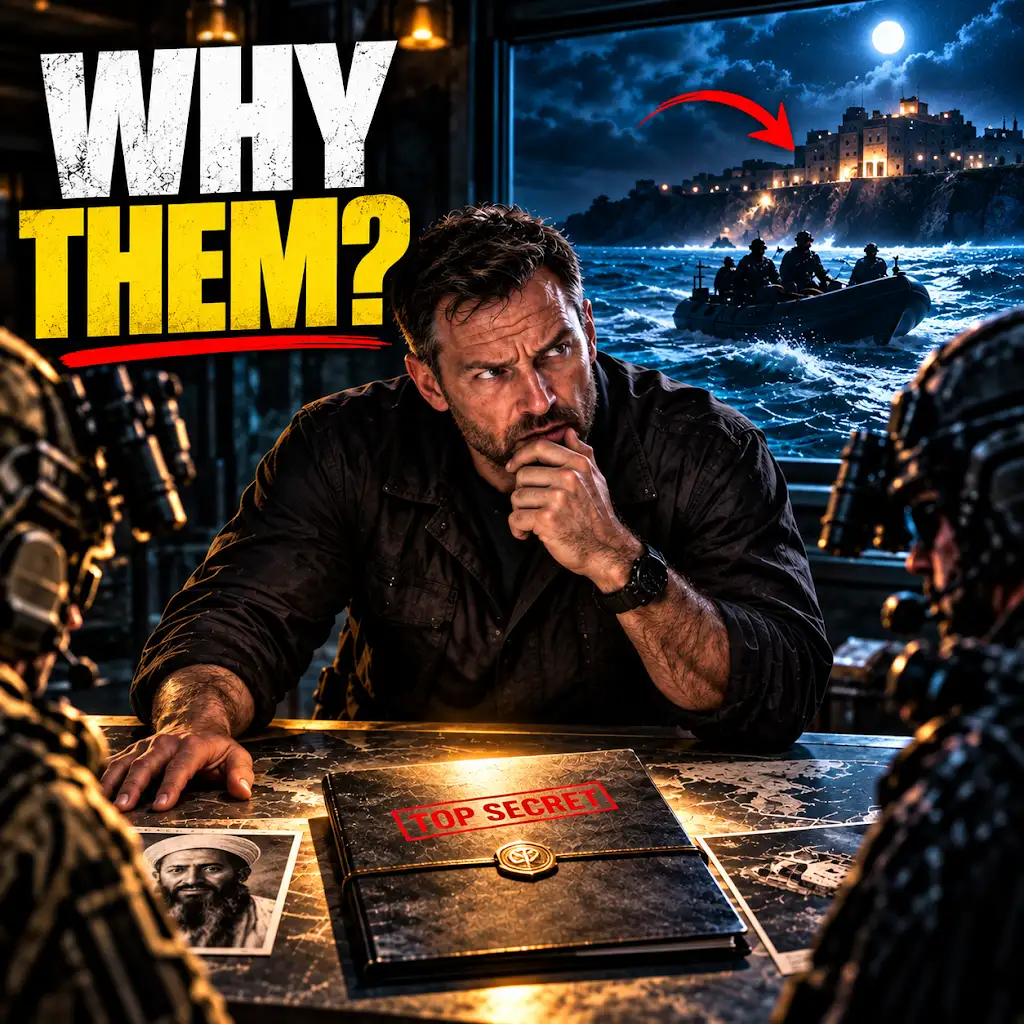
Why SEAL Team Six Got the Bin Laden Raid — Not Delta Force
FAQs
What is Delta Force?
Delta Force is a special operations unit of the United States Army, specializing in counterterrorism and other high-risk missions.
When was Delta Force established?
Delta Force was established in 1977 by Colonel Charles Beckwith as a response to the increasing terrorist threats around the world.
What is the purpose of the Delta Force military history documentary?
The purpose of the Delta Force military history documentary is to provide an in-depth look at the history, missions, and capabilities of this elite special operations unit.
Who can watch the Delta Force military history documentary?
The documentary is typically available for viewing by the general public, although some content may be restricted due to security concerns or classified information.
Where can I watch the Delta Force military history documentary?
The documentary may be available on streaming platforms, military history channels, or through special screenings or events organized by military organizations or historical societies.