The hunt for Osama bin Laden was not a fleeting operation; it was a protracted, often frustrating, and undeniably complex endeavor that spanned over a decade. From the rubble of 9/11 to the dusty compounds of Pakistan, the intelligence community and special forces operatives of the United States embarked on a relentless pursuit of the man who had orchestrated the deadliest attack on American soil. This was a war waged not with conventional armies, but with information, technology, and the unwavering dedication of those who refused to let the architects of terror evade justice. The sheer scale of the task was immense, demanding a convergence of human intelligence, technological prowess, and unparalleled operational planning.
The Genesis of a Manhunt: The Ghosts of 9/11
The horrific events of September 11, 2001, etched a single, burning objective into the minds of American leaders and its intelligence agencies: find and bring to justice Osama bin Laden and the al-Qaeda leadership responsible for the attacks. The initial response was swift and decisive. The United States launched Operation Enduring Freedom in Afghanistan, aiming to dismantle al-Qaeda’s infrastructure and remove the Taliban regime that harbored them. While this campaign achieved significant successes, bin Laden himself proved elusive, melting into the rugged Afghan landscape and subsequently slipping across the border into Pakistan.
The Intelligence Vacuum: Early Frustrations
In the immediate aftermath of 9/11, the intelligence picture surrounding bin Laden’s whereabouts was fragmented and incomplete. Al-Qaeda operated in a clandestine manner, utilizing a complex network of couriers, safe houses, and informal communication channels. The collapse of the Taliban regime, while a necessary step, also led to a dispersal of al-Qaeda operatives, making it even more challenging to track their leader. The initial focus on Afghanistan meant that Pakistan, a country with its own intricate tribal regions and porous borders, became a more significant, albeit less visible, theater of operations for the hunt.
The Shifting Sands of Afghanistan: A Tactical Retreat, Not an Endgame
The military operations in Afghanistan successfully disrupted al-Qaeda’s training camps and significantly degraded their operational capacity. However, the symbolic victory of a swift military response was not matched by the capture of bin Laden. This realization fueled a growing understanding that the hunt would require a different approach, one that emphasized long-term intelligence gathering, patience, and a deep understanding of the adversary’s movements and networks. The war in Afghanistan, while achieving its immediate objectives, would ultimately be a prelude to a more intricate and patient game of cat and mouse.
Operation Neptune Spear, the covert mission that led to the death of Osama bin Laden, has been the subject of extensive analysis and discussion. For those interested in a deeper understanding of the operation’s strategic implications and the intelligence efforts that preceded it, a related article can be found at this link. This article provides insights into the planning and execution of the mission, shedding light on the complexities involved in one of the most significant military operations in recent history.
The Long Game: Building the Intelligence Picture
With bin Laden’s escape from Afghanistan, the focus shifted to a more insidious and painstaking process: building a comprehensive intelligence picture. This was not a task for a single agency or a single operation. It involved the tireless efforts of multiple intelligence organizations, analysts working around the clock, and the cultivation of sources and assets in some of the most challenging environments on earth. The goal was to understand bin Laden’s movements, his communication methods, and his support network, to eventually pinpoint his location.
The Crucial Role of Human Intelligence: Whispers from the Shadows
Human intelligence (HUMINT) was arguably the most critical element in the protracted hunt for bin Laden. It was through the bravery of individuals on the ground, risking their lives to gather information, that the intelligence picture began to take shape. These sources, often operating in hostile territories, provided invaluable insights into the internal workings of al-Qaeda and the movements of its leadership. The recruitment and vetting of these individuals, their protection, and the analysis of their sometimes-contradictory reports formed the bedrock of the intelligence effort.
Cultivating Sources in Difficult Terrain: The Human Element
The tribal regions of Pakistan, in particular, proved to be a complex landscape for intelligence gathering. The deep-seated distrust of outsiders, combined with the remoteness of many areas, made cultivating reliable sources a monumental undertaking. CIA operatives and their Pakistani counterparts worked diligently to build relationships, often over extended periods, to gain access to the information needed. This involved understanding local customs, earning trust, and navigating a web of local allegiances and rivalries.
The Value of Interrogation: Unlocking Secrets
Information gleaned from the interrogation of captured al-Qaeda operatives provided further crucial pieces of the puzzle. These individuals, once brought into custody, offered insights into bin Laden’s associates, his methods of operation, and potential locations. The careful analysis of these confessions, cross-referenced with other intelligence streams, helped to refine the search parameters and identify key individuals within bin Laden’s inner circle.
Technological Advancements: Augmenting Human Efforts
While HUMINT was paramount, technological advancements played a significant supporting role. Satellite imagery, signals intelligence (SIGINT), and sophisticated surveillance techniques provided a broader, albeit often less granular, view of al-Qaeda’s activities. The ability to monitor communications and analyze patterns of movement across vast distances helped to corroborate human intelligence and identify potential areas of interest.
Signals Intelligence: Listening to the Enemy
SIGINT operations were vital in intercepting al-Qaeda’s communications. While bin Laden himself was known to be extremely cautious about his communications, his lieutenants and other operatives were not always as adept at remaining undetected. The painstaking work of decrypting and analyzing these intercepted messages provided valuable intelligence on planning, personnel movements, and the internal dynamics of the organization.
The Power of Imagery: Seeing from Above
Satellite imagery allowed intelligence agencies to monitor suspected al-Qaeda strongholds and observe changes in activity. While it couldn’t directly reveal bin Laden’s presence, it could confirm the existence of compounds, track the movement of vehicles, and provide contextual information that, when combined with other intelligence, could help narrow down search areas.
The Compound Revealed: Abbottabad and the Emerging Threat
For years, bin Laden remained a ghost, a phantom leader whose exact location was unknown. Then, a series of intelligence breakthroughs began to converge, pointing towards a specific location: a sprawling compound in Abbottabad, Pakistan. The increasing confidence in this intelligence marked a turning point in the operation, transforming a general hunt into a targeted pursuit.
The Suspicious Compound: Anomalies Emerge
Intelligence analysts began to notice anomalies surrounding a particular compound in Abbottabad. It was unusually large, heavily fortified, and its inhabitants exhibited an unusual level of secrecy, going to great lengths to avoid detection. The compound lacked the usual indicators of economic activity and seemed to be self-sufficient, raising further suspicions. This cluster of unusual characteristics, when viewed through the lens of other intelligence, began to paint a compelling picture.
The Courier’s Trail: A Key Breakthrough
A significant breakthrough came with the identification and surveillance of a key al-Qaeda courier who was believed to be in direct contact with bin Laden. This individual, codenamed “The Kuwaiti,” was tracked to the Abbottabad compound. The intelligence gathered on him and his movements provided a crucial link, suggesting that bin Laden might be residing within or in close proximity to this fortified structure.
Financial and Communication Analysis: Piecing Together the Puzzle
Further analysis of financial records and communication patterns, though challenging due to al-Qaeda’s operational security, began to corroborate the intelligence pointing towards Abbottabad. The patterns of communication, the financial flows, and the movements of individuals associated with bin Laden all seemed to converge on this single, suspicious location. This convergence of evidence elevated the Abbottabad compound from a mere suspect location to a primary target of intense scrutiny.
The “Ghost Protocol”: Secrecy and Deniability
Given the extreme sensitivity of the operation and the potential for severe diplomatic repercussions, the planning and execution of any action against the Abbottabad compound were shrouded in the utmost secrecy. The “Ghost Protocol” was designed to ensure that no information leaked prematurely, protecting the operation from compromise and maintaining plausible deniability should things go awry.
Information Compartmentalization: Layers of Secrecy
Information about the Abbottabad compound and the potential operation was compartmentalized to an unprecedented degree. Only a handful of key individuals were privy to the full picture, and those who were involved in specific aspects of the planning were kept ignorant of the larger strategic context. This ensured that no single person possessed enough information to betray the entire operation.
Preparing for the Worst: Contingency Planning
Extensive contingency planning was undertaken, anticipating a range of scenarios. This included plans for dealing with Pakistani military intervention, potential hostage situations, and the possibility of bin Laden escaping or resisting capture. The “what if” scenarios were meticulously examined, ensuring that every eventuality was considered, and appropriate responses were devised.
Operation Neptune Spear: The Daring Raid
The culmination of years of intelligence gathering and planning was Operation Neptune Spear, the daring raid on the Abbottabad compound. This was a meticulously choreographed mission, executed by the most elite special operations forces, designed to achieve a specific objective with minimal collateral damage and maximum operational success. The risks were immense, but the determination to finally bring bin Laden to justice was even greater.
The Dawn of May 2nd, 2011: Silence Before the Storm
The operation commenced in the early hours of May 2nd, 2011. Under the cover of darkness and the vast expanse of the Pakistani night sky, a team of Navy SEALs, codenamed “Task Force 145” and also known as SEAL Team Six, began their approach to the compound. The silence of the night was palpable, broken only by the low thrum of the helicopters carrying the assault force.
The Arsenal of Elite Soldiers: Precision and Firepower
The SEALs were equipped with state-of-the-art gear and weaponry, meticulously chosen for the mission’s requirements. Their training was unparalleled, honed through years of simulated missions and real-world operations. They were the tip of the spear, tasked with entering a fortified compound, neutralizing any resistance, and achieving the primary objective.
The Helicopters of Stealth: The MH-47 Chinook and the Stealth Black Hawks
The assault was conducted using two modified MH-47 Chinook helicopters and two stealth Black Hawk helicopters. The stealth capabilities of the Black Hawks were crucial in minimizing detection as they approached the compound. The Chinooks, larger and more robust, provided lift and support. The precision flying of the pilots, navigating in challenging conditions, was as critical to the mission’s success as the soldiers on the ground.
The Infiltration: Breaching the Walls
Upon arrival, the SEALs executed a swift and precise infiltration. The primary challenge was breaching the compound’s formidable defenses. The team employed specialized tactics to overcome the walls and enter the compound, minimizing the time they were exposed.
Precision Breaching: Explosives and Elite Tactics
The SEALs utilized controlled demolitions and specialized breaching tools to gain entry into the compound. The precision of these breaches was vital to ensure that the element of surprise was maintained and that civilian casualties were avoided. The speed and efficiency with which they overcame the physical barriers were a testament to their rigorous training.
The Exchange of Fire: Confronting the Defenders
Once inside, the SEALs encountered resistance from bin Laden’s guards. A fierce but brief firefight ensued. The SEALs, highly trained and disciplined, responded with overwhelming force, neutralizing the immediate threats. The objective was clear: reach bin Laden as quickly as possible, minimizing the chances of him escaping or taking hostages.
The Climax: The Third Floor and the Final Encounter
The SEALs moved systematically through the compound, clearing each level. The intelligence indicated that bin Laden was likely on the third floor. The tension was immense as they ascended, anticipating the final confrontation.
The Hunt Within the House: Room by Room
The SEALs conducted a meticulous room-by-room search of the compound, ensuring no threats were overlooked. The layout of the compound, as understood from intelligence, guided their movements. They moved with speed and decisiveness, their senses heightened, their weapons at the ready.
The Moment of Truth: Identifying and Neutralizing
On the third floor, the SEALs encountered bin Laden and one of his adult sons. In a swift and decisive action, the SEALs engaged and neutralized both individuals. The identification was confirmed through visual recognition and, crucially, through DNA testing conducted later. The architect of 9/11 was finally dead.
Operation Neptune Spear, the mission that led to the death of Osama bin Laden, has been the subject of extensive analysis and discussion. For those interested in a deeper understanding of the operation’s complexities and its implications for global security, a related article can be found at In The War Room. This resource provides valuable insights into the planning and execution of the mission, as well as its impact on counterterrorism strategies worldwide.
The Aftermath: A World Transformed
| Metric | Details |
|---|---|
| Operation Name | Operation Neptune Spear |
| Date | May 2, 2011 (local time) |
| Location | Abbottabad, Pakistan |
| Objective | Capture or kill Osama bin Laden |
| Forces Involved | U.S. Navy SEALs (DEVGRU), CIA operatives |
| Duration | Approximately 40 minutes |
| Outcome | Osama bin Laden killed, no U.S. casualties |
| Number of SEALs Deployed | Approximately 24 |
| Helicopters Used | 2 Black Hawk helicopters (one crashed) |
| Intelligence Sources | Human intelligence, surveillance, and analysis of courier networks |
| Significance | Elimination of al-Qaeda leader responsible for 9/11 attacks |
The successful execution of Operation Neptune Spear sent shockwaves across the globe. The death of Osama bin Laden marked the end of a long and arduous chapter in the global fight against terrorism, but it also ushered in a new era, one defined by both a sense of closure and the ongoing challenges of confronting evolving threats.
The Confiscated Evidence: A Treasure Trove of Information
Following the raid, intelligence operatives meticulously gathered a vast amount of material from the compound. This included hard drives, documents, and other sensitive materials that provided an unprecedented glimpse into the inner workings of al-Qaeda and the planning of future attacks. This intelligence trove was invaluable in understanding the organization’s current capabilities and intentions.
Digital Forensics: Unlocking the Secrets of the Compound
The digital devices recovered from the compound were subjected to extensive forensic analysis. This process, often taking months, revealed crucial information about bin Laden’s communications, his plans, and his relationships with other extremist groups. It provided a vital counter-terrorism resource for years to come.
Documents and Records: A Historical Account of Terror
The physical documents and records recovered offered a historical perspective on al-Qaeda’s activities, its ideology, and its operational strategies. This information helped intelligence agencies to better understand the motivations behind terrorist acts and to develop more effective counter-terrorism strategies.
The Global Reaction: A Mixed Bag of Relief and Concern
The news of bin Laden’s death was met with widespread relief and celebration, particularly in the United States. However, it also sparked a range of reactions globally, from solemn pronouncements to concerns about potential reprisal attacks.
Jubilation and Remembrance: A Symbol of Justice
For many, bin Laden’s death was a symbolic victory, a tangible result of years of effort and sacrifice. It provided a sense of closure for the victims of 9/11 and their families, offering a measure of justice for the immense suffering caused by his actions.
The Lingering Threat: A New Landscape of Terrorism
While bin Laden’s death was a significant blow to al-Qaeda, it did not signal the end of terrorism. The threat evolved, with new leaders emerging and new extremist ideologies gaining traction. The post-Neptune Spear era became a period of adapting to these changing dynamics and confronting new forms of radicalization and violence.
The Legacy of Neptune Spear: Lessons Learned and Ongoing Challenges
Operation Neptune Spear stands as a testament to the power of sustained intelligence gathering, precise operational planning, and the unwavering courage of special forces. It demonstrated the effectiveness of a multi-faceted approach to combating terrorism, one that combines human intelligence, technological sophistication, and decisive action.
The Importance of Patience and Persistence: A Marathon, Not a Sprint
The long hunt for bin Laden underscored the critical importance of patience and persistence in intelligence operations. It was a marathon, not a sprint, requiring dedication and resilience in the face of setbacks and years of uncertainty.
The Evolving Nature of Counter-Terrorism: Adapting to New Threats
The death of bin Laden also highlighted the ever-evolving nature of the terrorist threat. The success of Operation Neptune Spear did not eliminate the problem; it necessitated a continuous adaptation of counter-terrorism strategies to address new ideologies, new tactics, and new organizational structures employed by extremist groups. The fight for security, in the shadows and in plain sight, continues.
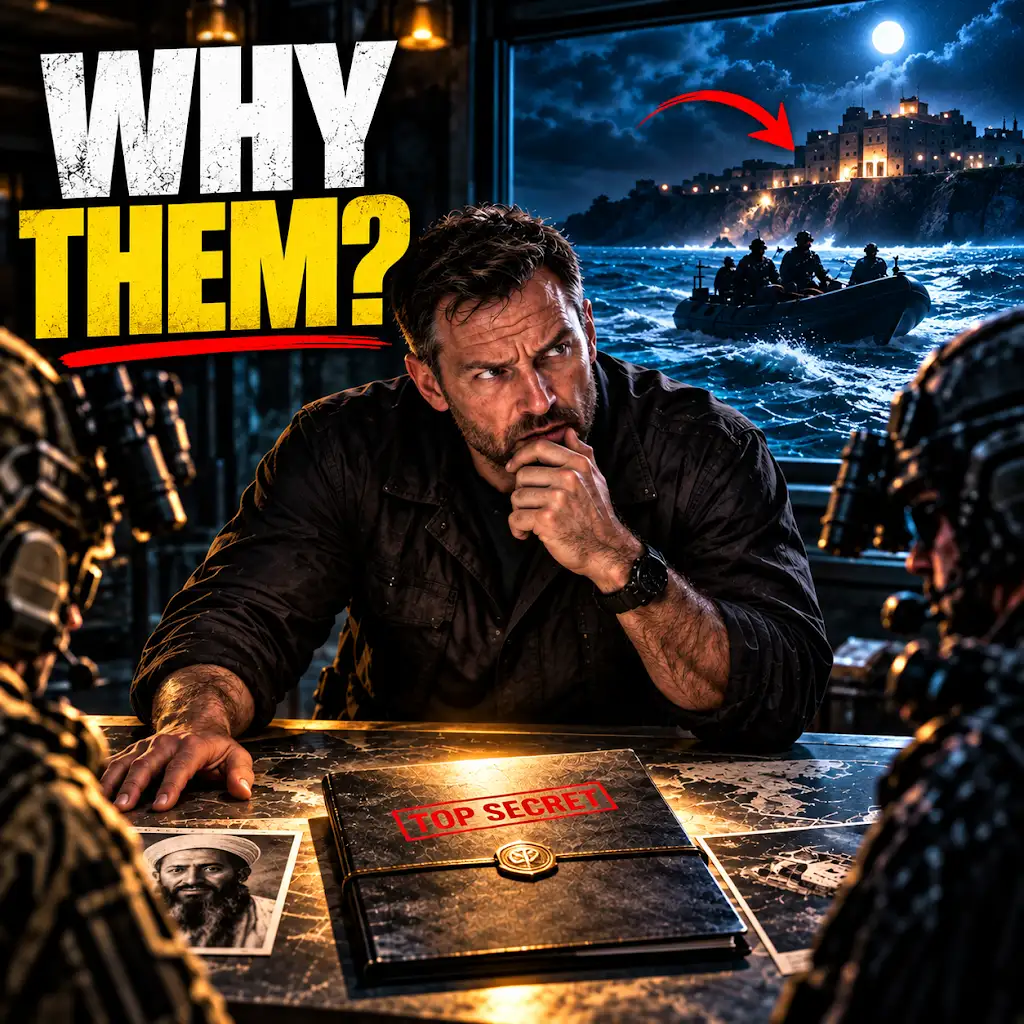
Why SEAL Team Six Got the Bin Laden Raid — Not Delta Force
FAQs
What was Operation Neptune Spear?
Operation Neptune Spear was the code name for the military operation that resulted in the death of Osama bin Laden, the leader of the terrorist group al-Qaeda, on May 2, 2011.
Who authorized Operation Neptune Spear?
Operation Neptune Spear was authorized by then-President of the United States, Barack Obama. The operation was carried out by the U.S. Navy SEALs.
Where did Operation Neptune Spear take place?
Operation Neptune Spear took place in Abbottabad, Pakistan, where Osama bin Laden was hiding in a compound. The compound was located near a Pakistani military academy.
How long did Operation Neptune Spear last?
Operation Neptune Spear lasted approximately 40 minutes from the time the U.S. Navy SEALs landed in the compound to the time they left with bin Laden’s body.
What was the significance of Operation Neptune Spear?
Operation Neptune Spear was significant as it marked a major milestone in the global fight against terrorism. The death of Osama bin Laden was a significant blow to al-Qaeda and a symbolic victory for the United States.