
The ghost of Osama bin Laden, a specter that had haunted global security for over a decade, was finally laid to rest in the predawn hours of May 2, 2011. The operation that brought an end to his reign of terror, codenamed “Operation Neptune Spear,” was a triumph of meticulous planning, unwavering resolve, and an intimate understanding of the enemy. While the soldiers on the ground were the heroes who executed the mission, the architect of their success was a shadowy figure, an individual whose strategic brilliance and tireless dedication orchestrated every step of this monumental undertaking. This is the story of the planner of Operation Neptune Spear.
The journey to Neptune Spear was not a sudden revelation but a protracted, often frustrating, pursuit. For years, intelligence agencies had been working to locate the world’s most wanted terrorist. This was a task that demanded an almost obsessive focus, a relentless sifting through vast amounts of data, and a constant refinement of understanding about the enemy’s modus operandi. The planner, operating behind the scenes, was instrumental in keeping this elusive target in view.
Decades of Intelligence Gathering
The groundwork for Neptune Spear was laid over many years, a testament to the persistent efforts of intelligence professionals worldwide. From the initial rise of al-Qaeda to the devastating attacks of September 11, 2001, the intelligence community was engaged in a constant battle to understand the organization’s structure, its leadership, and its intentions. The planner was deeply immersed in this historical context, recognizing that understanding bin Laden’s past movements, his communication patterns, and his network was crucial to predicting his future locations.
The Crucial Break: The Courier’s Revelation
The intelligence breakthrough that ultimately led to Neptune Spear was not a single, dramatic event, but rather the culmination of patient intelligence work. The identification and tracking of a key al-Qaeda courier, often referred to as Abu Ahmed al-Kuwaiti, proved to be the linchpin. The planner, alongside intelligence analysts, understood the significance of this individual, recognizing that he was likely privy to bin Laden’s inner circle and potentially his whereabouts. The painstaking effort to identify, track, and ultimately interrogate this courier was a testament to the planner’s conviction that the target was within reach.
From Information to Actionable Intelligence
Turning raw intelligence into actionable plans required a specific skill set. The planner possessed the ability to synthesize disparate pieces of information, identify patterns that others missed, and connect the dots in a way that painted a clear picture of bin Laden’s likely sanctuary. This involved not just understanding the geographical context of potential hiding places but also grasping the psychological profile of the target and his protectors. The planner had to anticipate bin Laden’s defenses, his escape routes, and his reliance on his trusted inner circle.
Operation Neptune Spear, the covert mission that led to the death of Osama bin Laden, was meticulously planned by a team of U.S. Navy SEALs under the direction of the Central Intelligence Agency (CIA) and the Joint Special Operations Command (JSOC). The operation was a culmination of years of intelligence gathering and strategic planning, showcasing the collaboration between various military and intelligence agencies. For a deeper understanding of the intricacies involved in the planning of this historic mission, you can read more in the related article available at this link.
The Crucible of Planning: Devising Operation Neptune Spear
Once the intelligence pointed to a specific compound in Abbottabad, Pakistan, the focus shifted from tracking to execution. Operation Neptune Spear was conceived as a highly complex, high-risk mission, requiring a level of detail and foresight that bordered on the extraordinary. The planner was at the epicenter of this intricate process, meticulously crafting every aspect of the operation.
The High-Stakes Decision: The Raid
The decision to launch a direct action raid, rather than relying on aerial bombardment or other less direct methods, was a critical one. The planner understood the immense political and military implications of such an operation, especially within the sovereign territory of Pakistan. The objective was not just to kill bin Laden but to capture him alive if possible, and to do so with minimal collateral damage and without sparking an international crisis. This required a plan that was precise, swift, and decisive.
Crafting the Profile: Understanding the Target’s Domain
A crucial element of the planner’s strategy was the deep understanding of the Abbottabad compound itself. Years of satellite imagery, aerial reconnaissance, and human intelligence were meticulously analyzed to build a comprehensive profile of the fortress-like structure. This included understanding its layout, its defenses, its potential escape routes, and the routines of its inhabitants. The planner essentially created a digital twin of the compound, allowing for repeated simulations and strategic refinement.
The Compound’s Layout: A Virtual Blueprint
The planner and their team spent countless hours poring over every inch of the compound’s layout. They studied the walls, the gates, the individual buildings, and even the terrain surrounding the property. This detailed knowledge was essential for devising entry points, identifying potential threats within the compound, and mapping out the most efficient routes for the assault force.
The Compound’s Inhabitants: Mapping the Human Element
Beyond the physical structure, the planner also had to understand the human element within the compound. This involved identifying not just bin Laden but also his family members, his bodyguards, and any other individuals who might be present. Their potential roles, their likely reactions, and their possible threats were all factored into the operational calculus.
The Assault Force: Selecting and Training the Elite
The selection and training of the SEAL team that would execute Neptune Spear were also critical components overseen by the planner. These were not just soldiers; they were elite operators, chosen for their courage, their discipline, and their specialized skills. The training regimen was rigorous, designed to simulate every conceivable scenario they might encounter during the raid.
The Nuances of Special Operations
The planner understood that special operations missions are unlike conventional warfare. They demand a level of adaptability, stealth, and precision that requires extensive preparation and specialized training. The SEALs were trained to operate in darkness, to breach heavily fortified structures, and to neutralize threats quickly and efficiently.
Rehearsals and Simulations: Perfecting the Execution
The commitment to perfection was evident in the extensive rehearsals and simulations conducted by the planner and their team. They recreated the Abbottabad compound at training facilities, allowing the SEALs to practice their approach, their entry, and their engagement with simulated opposition. These drills were not merely rote repetitions; they were opportunities for continuous feedback and refinement of the operational plan.
The Unforeseen Variables: Navigating the Perils
Even the most meticulously crafted plans are subject to the unpredictable nature of reality. Operation Neptune Spear was no exception. The planner had to anticipate and account for a multitude of potential complications, from equipment malfunctions to unexpected resistance.
The Pakistani Dimension: Navigating a Sensitive Alliance
Operating within Pakistan, a country that was officially an ally but also harbored elements sympathetic to al-Qaeda, presented a significant diplomatic and strategic challenge. The planner had to devise a plan that minimized the risk of detection by Pakistani authorities, thus avoiding a diplomatic fallout or a direct confrontation with Pakistani forces. This required a deep understanding of Pakistani military and intelligence capabilities and an awareness of their potential responses.
The Stealth Approach: Minimizing Detection
The decision to employ a stealthy approach, utilizing helicopters for insertion and extraction, was a direct consequence of this consideration. The aim was to complete the mission before Pakistani forces could be mobilized or even aware of the operation. The planning involved detailed flight paths, timings, and contingency plans in case of detection.
The Aftermath Strategy: Managing the Fallout
The planner also had to consider the aftermath of the operation. What would be the immediate response from the Pakistani government and military? How would the international community react? Plans were put in place to manage the information released, to address potential diplomatic fallout, and to ensure a swift and decisive conclusion to the operation.
The Risk of Failure: Contingencies for Every Eventuality
The planner understood that failure was a possibility, and meticulous contingency planning was paramount. This included plans for extraction if the mission went awry, protocols for dealing with capture, and procedures for destroying sensitive equipment to prevent it from falling into enemy hands. The planner’s mind was a constant loop of “what if,” anticipating every potential pitfall.
The “No-Comms” Scenario: Operating in Isolation
One of the most challenging scenarios anticipated was a complete loss of communication with the assault team. The planner had to devise a plan where the SEALs could continue the mission and extract themselves if communications were severed. This meant equipping them with comprehensive intelligence, clear objectives, and pre-determined actions for various contingencies.
The “Capture” Scenario: Deniability and Deception
The planner also had to consider the possibility of SEALs being captured. While the intention was always to avoid this, contingency plans were developed to manage such a crisis, including protocols for denial and, if necessary, deception to protect the sensitive nature of the operation and the identity of the planners.
The Importance of Timing: The Window of Opportunity
The operation was predicated on a narrow window of opportunity. The planner had to synchronize the intelligence, the resources, and the actions of the assault team with incredible precision. The timing of the raid was crucial to maximize the chances of success and minimize the risk of detection.
The Night Raid Advantage: Darkness as Cover
The decision to conduct the raid under the cover of darkness was a strategic choice, leveraging the inherent advantages of limited visibility for stealth operations. This allowed the SEALs to approach the compound with a reduced chance of being detected by sentries or observed by the local population.
The Brief Window: Exploiting Enemy Rhythms
The planner understood that bin Laden and his associates had their own routines. The raid was timed to exploit moments of reduced vigilance within the compound, ensuring the element of surprise was maximized. This involved analyzing patterns of activity within the compound based on available intelligence.
The Human Element: The Planner’s Qualities
While technology and intelligence were crucial, the success of Operation Neptune Spear ultimately hinged on the human element. The planner, though often invisible, embodied a unique set of qualities that were essential for orchestrating such a monumental undertaking.
Unwavering Focus and Determination
The decade-long pursuit of bin Laden demanded an unwavering focus and an ironclad determination. The planner, likely working in a high-pressure environment, had to maintain this focus amidst setbacks, bureaucratic hurdles, and the constant weight of responsibility. This was not a mission for the faint of heart.
Strategic Acumen and Foresight
The planner possessed a rare blend of strategic acumen and foresight. They could see beyond the immediate challenges to the ultimate objective, anticipating not only the actions of the enemy but also the reactions of allies and adversaries. This forward-thinking approach was crucial in building a plan that was robust and adaptable.
Meticulous Attention to Detail
The success of such a complex operation hinged on the smallest details. The planner’s meticulous attention to detail ensured that no stone was left unturned, from the precise dimensions of a helicopter landing zone to the exact wording of an order. This commitment to precision was a hallmark of their approach.
The Burden of Leadership: Responsibility without Recognition
The planner of Operation Neptune Spear operated in the shadows. Their name might not be etched in public memory, and their face might not be recognized by the masses. Yet, the weight of leadership rested heavily upon their shoulders. The responsibility for the lives of the SEALs, for the success of the mission, and for the broader implications of the operation was immense. This quiet, often unacknowledged, leadership was the bedrock of Neptune Spear.
Operation Neptune Spear, the mission that led to the death of Osama bin Laden, was meticulously planned by a team of U.S. Navy SEALs under the direction of President Barack Obama and his national security team. The operation was a culmination of years of intelligence gathering and strategic planning, showcasing the importance of collaboration among various agencies. For a deeper understanding of the intricacies behind this historic mission, you can read more in this insightful article on the planning and execution of Operation Neptune Spear.
The Legacy of Neptune Spear: A Chapter Closed
| Metric | Details |
|---|---|
| Operation Name | Operation Neptune Spear |
| Planned By | Central Intelligence Agency (CIA) and United States Navy SEALs |
| Key Planner | Jonathan Bank (CIA officer) |
| Lead Military Unit | United States Naval Special Warfare Development Group (DEVGRU/SEAL Team Six) |
| Planning Duration | Several months leading up to May 2011 |
| Objective | Capture or kill Osama bin Laden |
| Operation Date | May 2, 2011 (local time in Pakistan) |
Operation Neptune Spear marked a significant turning point in the global fight against terrorism. The successful elimination of Osama bin Laden was a symbolic victory, a testament to the power of persistent intelligence gathering and meticulous planning. The planner, the unsung architect of this operation, played a critical role in bringing about this momentous achievement.
A Shift in the Global Landscape
The death of bin Laden did not signal the end of terrorism, but it undoubtedly marked a significant shift in the global landscape. Al-Qaeda, while still a threat, lost its charismatic leader, forcing the organization to adapt and, in many ways, diminish its central command and control. The planner’s contribution was instrumental in this critical juncture.
The Importance of Intelligence and Planning
Neptune Spear stands as a powerful testament to the importance of robust intelligence gathering and meticulous operational planning. It underscores the fact that even the most elusive targets can be brought to justice through persistent effort, strategic thinking, and the dedication of individuals who work tirelessly behind the scenes. The planner’s role serves as a reminder that success often lies not just with those who execute the mission, but with those who meticulously craft the path for them to follow.
The Continuing Battle
While bin Laden is gone, the fight against terrorism continues. The lessons learned from Operation Neptune Spear, the strategic insights honed by its planner, and the resolve demonstrated by the operators on the ground remain vital assets in the ongoing struggle for global security. The legacy of Neptune Spear is not just about an operation; it is about the enduring principles of intelligence, planning, and courage that guide those who defend us from unseen threats. The planner, though their name may remain unknown, is an integral part of that enduring legacy.
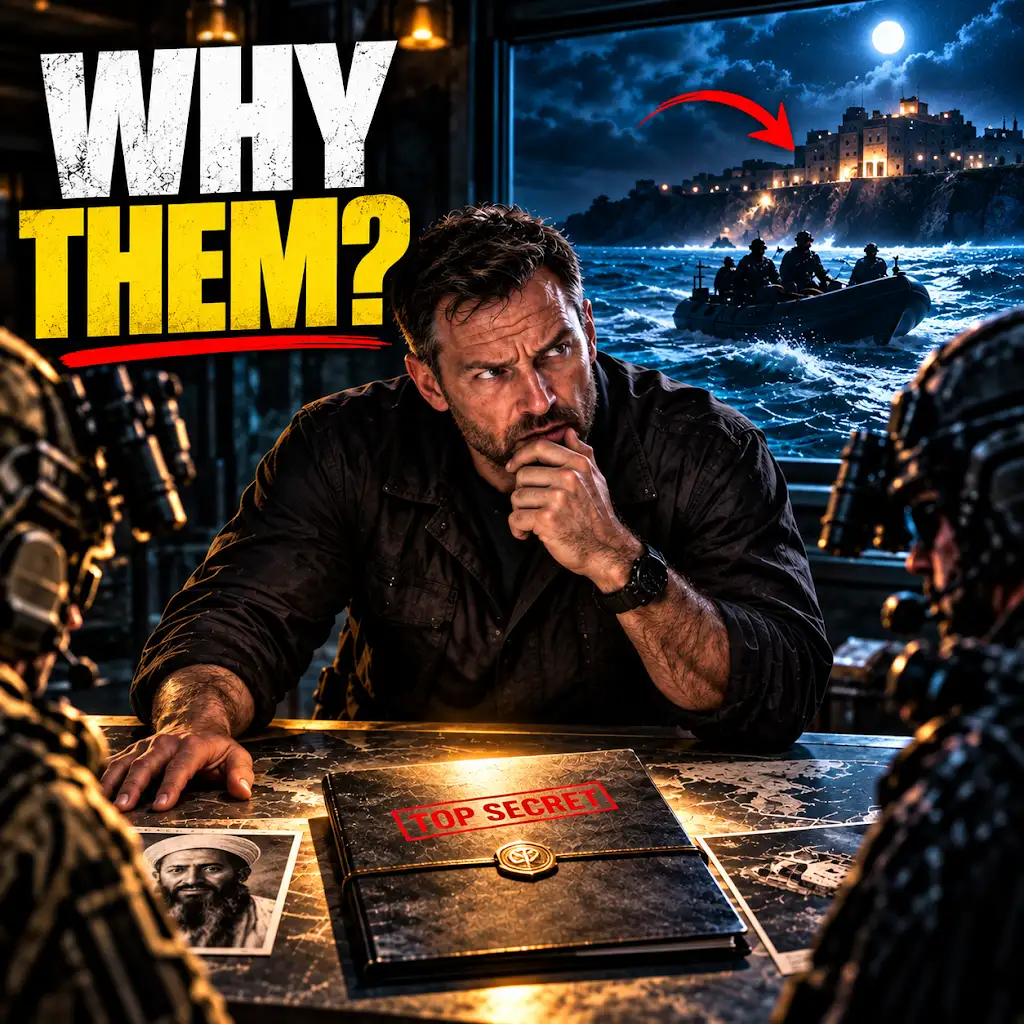
Why SEAL Team Six Got the Bin Laden Raid — Not Delta Force
FAQs
1. Who planned Operation Neptune Spear?
The operation was planned by the United States government, specifically by the Central Intelligence Agency (CIA) and the Joint Special Operations Command (JSOC).
2. When was Operation Neptune Spear planned?
Operation Neptune Spear was planned in the months leading up to the actual operation, which took place on May 2, 2011.
3. Who was involved in the planning of Operation Neptune Spear?
Key individuals involved in the planning of Operation Neptune Spear included CIA Director Leon Panetta, JSOC Commander Admiral William McRaven, and other high-ranking officials from the CIA and JSOC.
4. Was Operation Neptune Spear a secret mission?
Yes, Operation Neptune Spear was a highly classified and secretive mission aimed at capturing or killing Osama bin Laden, the leader of the terrorist organization al-Qaeda.
5. How long did the planning of Operation Neptune Spear take?
The planning of Operation Neptune Spear took several months, with meticulous attention to detail and coordination between various intelligence agencies and military units to ensure its success.