The night of May 1st, 2011, was a symphony of meticulously planned violence, a culmination of years of intelligence gathering, and a testament to extraordinary leadership. At the heart of this historic operation, codenamed Operation Neptune Spear, was Admiral William H. McRaven, then a Vice Admiral commanding the U.S. Special Operations Command (SOCOM). His strategic genius, unwavering resolve, and profound understanding of the unique capabilities of SEAL Team Six were instrumental in the successful execution of the raid that neutralized Osama bin Laden, the architect of 9/11. This article delves into McRaven’s pivotal role, dissecting the multifaceted aspects of his leadership that steered this audacious mission from conception to triumphant conclusion.
The Genesis of Operation Neptune Spear: A Legacy of Determination
The hunt for Osama bin Laden had been a relentless pursuit for over a decade. Following the 9/11 attacks, the world’s most wanted terrorist became the paramount objective of U.S. intelligence and special operations forces. While many operations had chipped away at al-Qaeda’s infrastructure, bin Laden himself remained elusive, a ghost in the Pakistani hinterlands. It was within this context of persistent effort and a burning desire for justice that McRaven’s leadership began to take shape. He inherited a legacy of determination, and his vision was to translate that into a decisive, actionable plan.
The Intelligence Crucible: From Whispers to Certainty
McRaven understood that any successful operation hinged on the quality of intelligence. He inherited a vast and complex intelligence picture, one that had been painstakingly assembled over years by countless individuals. His role was not just to receive this intelligence, but to actively shape its interpretation and leverage it to identify a viable target.
The Abbottabad Compound: A Needle in a Haystack
The identification of the fortified compound in Abbottabad, Pakistan, as a likely sanctuary for bin Laden was a critical turning point. McRaven, working closely with intelligence agencies, scrutinized every piece of information related to the compound, from its construction and inhabitants to its security measures. He fostered an environment where analysts felt empowered to present even the most tentative of conclusions, while simultaneously demanding rigorous vetting and cross-referencing. This involved not just satellite imagery and human intelligence, but also meticulous analysis of bin Laden’s known habits and preferences. The compound’s unusual design, its high walls, and the fact that its owner had deliberately destroyed evidence of his previous, more visible residence all screamed “high-value target.”
The “Gray Suit” Intelligence: A Leap of Faith
A significant portion of the intelligence that pinpointed bin Laden’s presence in the compound came from detainees who had been associated with al-Qaeda’s inner circle. This “gray suit” intelligence, as it was sometimes referred to due to its reliance on human sources rather than traditional technical means, was inherently more difficult to verify. McRaven’s leadership in this phase was characterized by a willingness to accept calculated risks and to trust the judgment of his intelligence professionals, while also demanding that they push the boundaries of verification. He understood that waiting for absolute certainty could mean the target would disappear forever.
In the context of the historic raid on Osama bin Laden’s compound, Admiral William McRaven, who was instrumental in planning the operation, has shared insights into the complexities and challenges faced by SEAL Team Six. For a deeper understanding of the strategic decisions and the execution of this high-stakes mission, you can read a related article that explores the intricacies of the operation and its implications for national security. Check it out here: related article.
Assembling the Spearhead: Crafting the Unconventional Force
Once the target was identified, the daunting task of planning the actual raid began. McRaven knew that this would be unlike any previous special operations mission. It required a specialized team, a unique approach, and a level of stealth and precision that bordered on the impossible. His leadership was evident in his meticulous selection and preparation of the operators who would carry out the mission.
The Choice of SEAL Team Six: Precision and Dedication
The selection of SEAL Team Six (officially known as the Naval Special Warfare Development Group, or DEVGRU) was a foregone conclusion. This elite unit is renowned for its highly trained operators, its proficiency in unconventional warfare, and its unparalleled success in high-risk, low-visibility missions. McRaven’s intimate knowledge of DEVGRU’s capabilities, honed through his own extensive career in special operations, allowed him to have absolute confidence in their ability to execute the mission.
The “Task Force” Mentality: Fostering a Cohesive Unit
McRaven cultivated a “task force” mentality, ensuring that the operators understood they were part of a singular entity with a shared objective. This involved not just rigorous training, but also fostering a profound sense of camaraderie and trust. Every member of the team, from the individual SEALs to the intelligence analysts and support personnel, understood their crucial role in the success of the overall mission. This unified purpose was a cornerstone of McRaven’s leadership, ensuring that egos and individual agendas were subservient to the collective goal.
Unconventional Tactics for an Unconventional Threat: Paving New Ground
The Abbottabad compound presented unique challenges that necessitated unconventional tactical solutions. McRaven and his team had to devise methods to breach heavily fortified walls, neutralize armed guards, and navigate a complex interior structure, all while minimizing collateral damage and ensuring the safety of the operators.
The Helicopter Insertion: A High-Stakes Maneuver
The reliance on helicopters for insertion was a critical tactical decision. This approach offered speed and the ability to bypass ground routes, but also presented significant risks, particularly in a densely populated area and near a military academy. McRaven’s leadership was evident in his willingness to embrace these risks after thorough analysis and mitigation strategies.
The “Black Hawk Down” Redux: Learning from the Past
The specter of the “Black Hawk Down” incident loomed large. McRaven and his team meticulously studied the lessons learned from that operation, incorporating strategies to prevent similar logistical nightmares and ensure a swift, decisive extraction. This included detailed contingency planning for various scenarios, from equipment failure to casualties.
The Crucible of Planning: Iteration, Simulation, and Risk Mitigation
The planning phase of Operation Neptune Spear was characterized by an almost obsessive level of detail and iteration. McRaven championed a culture of relentless analysis and simulation, ensuring that every conceivable scenario was considered and every potential weakness exploited.
Rehearsing the Impossible: The Art of Perfect Execution
The importance of rehearsals cannot be overstated. McRaven understood that the operators needed to be able to execute the raid in their sleep, with muscle memory taking over in the heat of the moment. This involved extensive training in purpose-built replicas of the compound.
Building the “Village”: A Testament to Detail
The construction of a full-scale replica of the Abbottabad compound in the Nevada desert was a testament to the meticulousness of the planning. This allowed the SEALs to train in an environment that mirrored the actual target, practicing entry points, room clearing, and communication protocols. McRaven personally oversaw many of these rehearsals, providing critical feedback and reinforcing the importance of precision.
“What If” Scenarios: Anticipating the Unexpected
McRaven’s leadership was defined by his proactive approach to risk. He encouraged his team to constantly ask “what if?” What if a helicopter malfunctions? What if they encounter unexpected resistance? What if bin Laden is not there? For each potential scenario, detailed contingency plans were developed, ensuring that the team was prepared for the worst-case scenarios. This included plans for dealing with the compound’s inhabitants, both combatants and non-combatants, as well as procedures for handling any potential international fallout.
The Strategic Decision-Making Nexus: Balancing Risk and Reward
At the highest levels, the decision to proceed with the raid was a monumental one. McRaven’s role was not just to present the plan, but to articulate the risks and potential rewards with clarity and conviction to President Obama and his national security advisors.
Presenting the Unthinkable: Courageous Counsel
McRaven presented the plan to President Obama not as a certainty, but as the best possible course of action given the available intelligence and the unique capabilities of his team. He articulated the significant risks involved, acknowledging the potential for mission failure, loss of life, and international repercussions. His courage in delivering this honest assessment, while still advocating for the mission’s necessity, was a hallmark of his leadership.
The President’s Trust: A Mandate for Action
The ultimate decision rested with the President, and McRaven’s detailed and transparent presentation, coupled with the demonstrated competence of his team, instilled the necessary confidence. The trust placed in McRaven by the President was a powerful validation of his leadership and the rigorous planning that had gone into the operation.
The Night of the Spear: Leadership Under Fire
The night of May 1st, 2011, was the ultimate test of McRaven’s leadership. From his command center, he was the central nervous system of the operation, receiving real-time updates and making critical decisions in a high-pressure environment.
Command and Control: The Nerve Center of the Operation
McRaven established a robust command and control structure, ensuring seamless communication between the operators on the ground, the pilots in the air, and the intelligence support personnel. His calm demeanor and decisive actions in the face of uncertainty were crucial in maintaining operational momentum.
Real-Time Situational Awareness: The Eyes and Ears of the Mission
McRaven was privy to a constant stream of information, enabling him to maintain a comprehensive understanding of the unfolding events. He could see the helicopters approaching the target, hear the comms from the ground teams, and receive intelligence updates as they happened. This real-time situational awareness allowed him to anticipate potential problems and adjust the plan as needed.
Crisis Management: Adapting to the Unforeseen
Despite the meticulous planning, operations of this magnitude are rarely flawless. When one of the helicopters encountered mechanical issues and crashed on the compound, it presented a significant challenge. McRaven’s leadership in this moment was critical. He had to quickly assess the situation, ensure the safety of the downed crew, and adapt the extraction plan without compromising the primary objective. His ability to remain calm and make swift, effective decisions under extreme pressure was paramount.
The Decisive Moment: The Outcome of Years of Effort
The culmination of the raid, the moment bin Laden was confirmed dead, was the product of years of planning, training, and unwavering dedication, all orchestrated by McRaven.
The Confirmation: A Whisper of Victory
The confirmation that bin Laden had been killed was delivered through coded messages and visual confirmation. McRaven’s role in this moment was to ensure the accuracy of the confirmation and to begin the process of disseminating the news through the appropriate channels.
The Extraction: A Triumphant but Tense Return
The extraction of the SEALs and the confirmation of their success was as critical as the entry. McRaven oversaw the secure return of the team, ensuring all personnel and crucial evidence were brought back safely. This phase, though less dramatic, was fraught with its own set of risks, including potential pursuit or interception.
In the context of the daring operation that led to the demise of Osama bin Laden, Admiral William McRaven’s insights into the mission carried out by SEAL Team Six have garnered significant attention. His strategic approach and leadership during the raid exemplify the complexities of modern warfare and counterterrorism efforts. For those interested in a deeper exploration of military strategies and operations, a related article can be found at In the War Room, which discusses the implications of such missions on global security.
The Legacy of McRaven’s Leadership: Beyond the Raid
Operation Neptune Spear was not just a military victory; it was a profound statement of American resolve and a testament to the power of effective leadership. McRaven’s impact extended far beyond the night of the raid, shaping the future of special operations and leaving an indelible mark on national security.
The “McRaven Doctrine”: A Paradigm Shift in Special Operations
McRaven’s approach to planning and executing complex, high-stakes missions, characterized by meticulous intelligence analysis, extensive rehearsals, and a deep understanding of unconventional warfare, became known as the “McRaven Doctrine.” This paradigm shift emphasized adaptability, technological integration, and the empowerment of subordinate leaders to make decisions in fluid environments.
The Importance of Intelligence Fusion: A Holistic Approach
McRaven underscored the critical importance of fusing intelligence from various sources, moving beyond siloed departments to create a comprehensive and dynamic picture. His leadership encouraged collaboration between human intelligence, signals intelligence, imagery intelligence, and open-source intelligence, leading to a more robust understanding of the operational environment.
Empowering the Tip of the Spear: Trust and Autonomy
A core tenet of McRaven’s leadership was the empowerment of the operators at the tip of the spear. He trusted his SEALs to make critical decisions in the chaotic environment of combat, providing them with the training, resources, and clear objectives to succeed. This trust fostered a sense of ownership and responsibility that was vital to mission success.
Inspiring Future Generations: A Blueprint for Excellence
McRaven’s leadership has served as an inspiration for countless aspiring military leaders. His books, particularly “Make Your Bed” and “Spec Ops,” offer insights into his philosophy of leadership, emphasizing discipline, perseverance, and the importance of small wins. These works have become essential reading for those seeking to understand the principles of effective command.
The Power of Resilience: Bouncing Back from Adversity
McRaven’s own career was marked by overcoming significant challenges. His ability to bounce back from setbacks, learn from mistakes, and continue to push forward became a powerful lesson for those who followed him. This resilience is a crucial component of effective leadership, especially in the demanding world of special operations.
The Unseen Sacrifices: Recognizing the Broader Effort
Beyond the direct execution of the raid, McRaven consistently highlighted the contributions of the thousands of individuals who supported the operation behind the scenes. His leadership demonstrated an understanding that success is rarely the product of a few individuals, but rather the result of a collective effort, involving intelligence analysts, logistical support, medical personnel, and many others whose sacrifices often go unrecognized.
In conclusion, Admiral William H. McRaven’s leadership in the Bin Laden raid was a masterclass in strategic planning, operational execution, and unwavering resolve. He was not merely a commander; he was the shadow architect who meticulously designed, built, and oversaw the deployment of an unprecedented strike against one of the world’s most dangerous adversaries. His ability to synthesize complex intelligence, craft an unconventional plan, inspire unwavering trust in his operators, and maintain calm under unimaginable pressure made Operation Neptune Spear a historic success, cementing his legacy as one of the most impactful leaders in modern special operations history.
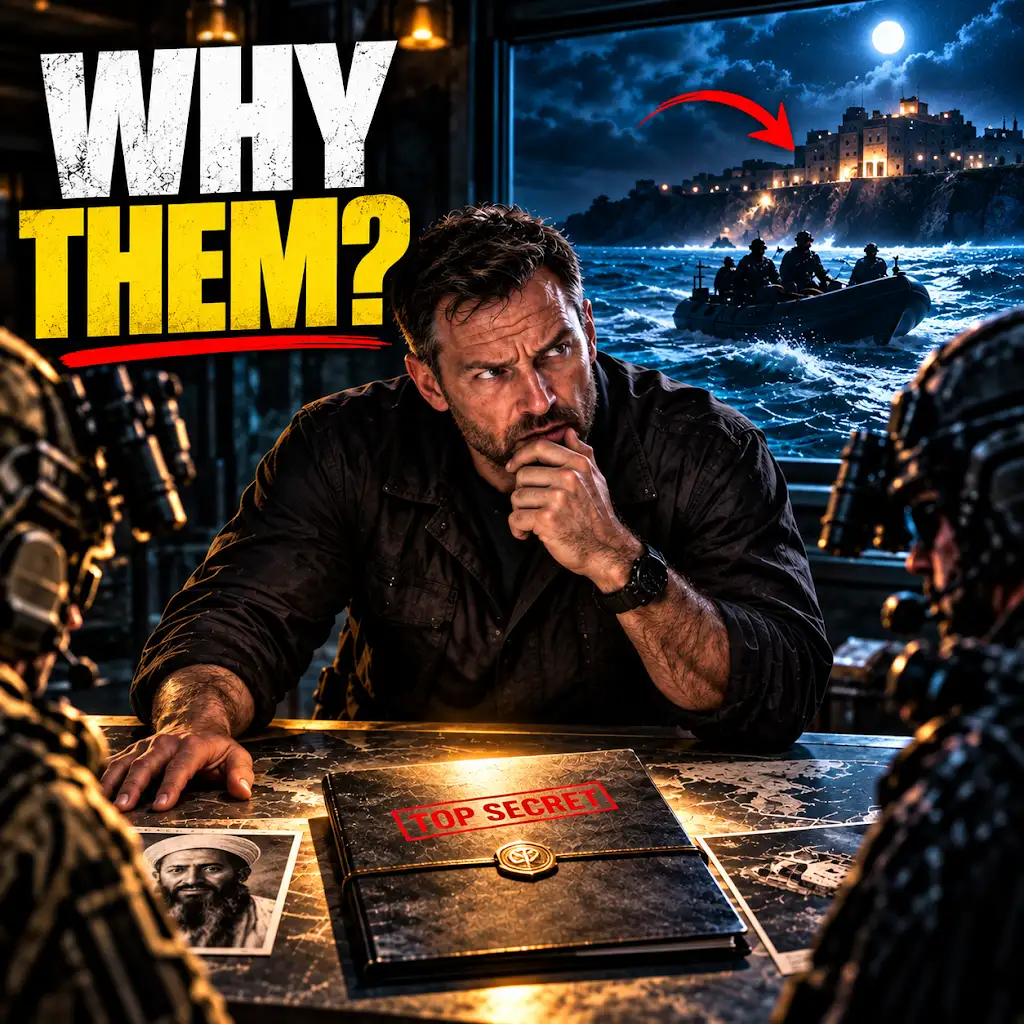
Why SEAL Team Six Got the Bin Laden Raid — Not Delta Force
FAQs
What is the significance of McRaven’s involvement in the SEAL Team Six bin Laden raid?
McRaven was the commander of the operation that led to the successful raid on Osama bin Laden’s compound in Abbottabad, Pakistan on May 2, 2011.
How did McRaven’s leadership impact the outcome of the raid?
McRaven’s strategic planning and decision-making skills played a crucial role in the success of the mission, which resulted in the death of Osama bin Laden.
What is McRaven’s background in the military?
McRaven is a retired United States Navy admiral who served as the ninth commander of the United States Special Operations Command (USSOCOM).
What other notable achievements has McRaven accomplished in his military career?
McRaven is known for his leadership in various special operations missions, including the capture of Saddam Hussein and the rescue of Captain Richard Phillips from Somali pirates.
How has McRaven’s role in the bin Laden raid impacted his legacy?
McRaven’s involvement in the successful operation has solidified his reputation as a highly skilled and respected military leader, further enhancing his legacy in the special operations community.