The hunt for Osama bin Laden, the architect of 9/11, had consumed American intelligence agencies for over a decade. Years of painstaking intelligence gathering, often in the murkiest corners of the globe, had finally converged on a compound in Abbottabad, Pakistan. This was not just another target; it was the culmination of an era of pursuit, a moment that demanded an unprecedented level of precision, audacity, and meticulous planning. Operation Neptune Spear, the daring raid that would ultimately end bin Laden’s reign of terror, was born not in a single flash of inspiration, but through countless hours of debate, analysis, and the forging of a plan designed to overcome immense risks.
The Genesis of a Mission: From Intelligence to Intent
The path to Abbottabad was paved with an array of intelligence successes, each piece painstakingly assembled to paint a clearer picture of the elusive al-Qaeda leader. While bin Laden had evaded capture for years, a steady stream of information, often gained through interrogation of high-value detainees and signals intelligence, began to narrow his potential whereabouts. The focus eventually shifted to Pakistan, and more specifically, to the heavily fortified compound in Abbottabad. This structure, its unusual size and high walls, immediately raised red flags. It was an anomaly, a potential sanctuary for someone of bin Laden’s stature.
The “Ground Truth”: Verifying the Target
The initial intelligence pointing to the Abbottabad compound was compelling, but not definitive. The paramount concern was to confirm with a high degree of certainty that Osama bin Laden was indeed residing there. This phase involved a multi-pronged approach, blending various intelligence disciplines.
Satellite Imagery Analysis: A Glimpse from Above
High-resolution satellite imagery became an invaluable tool. Analysts meticulously studied the compound, noting its layout, the number of residents, their routines, and any unusual activity. They looked for patterns that might indicate the presence of a high-value individual, such as specialized security measures, limited access, and a distinct lack of everyday interaction with the surrounding community. The sheer scale of the compound and the presence of additional structures within its walls were considered significant.
Human Intelligence (HUMINT): Eyes and Ears on the Ground
While satellite imagery provided an objective overview, HUMINT offered a more nuanced perspective. CIA operatives and Pakistani intelligence assets, often working under extreme duress and risk, were tasked with gathering on-the-ground information. This involved observing the compound from a distance, identifying key individuals entering and exiting, and attempting to gain insights into the daily lives of its inhabitants. The “courier,” whose activities became a crucial nexus in the intelligence chain, was a product of this intense HUMINT effort.
Signals Intelligence (SIGINT): Listening to the Ether
The electronic footprint of the compound and its residents was also meticulously monitored. SIGINT provided a vital layer of corroboration, allowing intelligence professionals to intercept communications and analyze patterns that might link the compound to al-Qaeda leadership. This included monitoring any potential communication channels used by bin Laden or his close associates, searching for any digital breadcrumbs that could confirm his presence.
The meticulous planning behind the raid that led to the capture and killing of Osama bin Laden is a subject of great interest for military strategists and historians alike. For a deeper understanding of the operational tactics and intelligence gathering that made this mission possible, you can read a related article that delves into the complexities of the operation. This insightful piece can be found at this link.
The Strategic Imperative: Why Raid Now?
The intelligence picture, while still requiring absolute confirmation, began to solidify. The question then shifted from “where” to “when” and “how.” The decision to plan a raid, rather than continue passive surveillance or pursue other options, was driven by a confluence of factors.
The “Use It or Lose It” Dilemma: Seizing the Opportunity
Intelligence is often fleeting. The risk of bin Laden relocating or the compound’s operational security being compromised meant that a window of opportunity existed. Delaying a potential operation could mean losing the chance to apprehend or neutralize him altogether, a prospect that gnawed at policymakers. The intelligence suggested a period of relative stability and confirmed presence, making the current moment opportune.
The President’s Mandate: A Decades-Long Pursuit
President Barack Obama inherited the mantle of the hunt for bin Laden. For him, and for many across the nation, his capture or demise represented a symbolic closure to one of the most significant national security challenges of the 21st century. The president’s direct involvement in the planning process underscored the immense political and moral weight of the mission. He was not just approving a military operation; he was authorizing the pursuit of justice for thousands of victims.
The Evolving Threat Landscape: al-Qaeda’s Resurgence
While bin Laden was in hiding, al-Qaeda, though diminished, remained a significant threat. Its affiliates continued to pose a danger, and bin Laden, even in isolation, was still seen as an ideological and symbolic leader. Neutralizing him was believed to be a crucial step in further dismantling the organization and reducing its ability to inspire and direct terrorist attacks.
The Planning Crucible: Forging the Sword of Neptune Spear
Once the decision to plan a raid was made, the operational planning process began in earnest. This was a complex and iterative undertaking, involving a vast array of stakeholders and demanding creative problem-solving. The nature of the target – a fortified compound in a sovereign nation, potentially harboring a high-value target – presented unique challenges.
The “Can We Do It?” Question: Assessing Feasibility
The initial phase of planning involved a rigorous assessment of the feasibility of a direct action raid. This meant confronting the inherent risks and determining if the potential rewards justified them. The intelligence on the compound’s defenses, potential civilian presence, and the likely response from Pakistani forces were all critical considerations.
Stealth and Surprise: The Cornerstones of Success
The most critical elements of any raid on a fortified target are stealth and surprise. The planners recognized that any hint of their intentions would allow bin Laden to disappear, rendering the mission a failure. This led to extensive deliberations on the optimal approach, timing, and methods of infiltration.
Infiltration Options: The Choppers and the Beyond
Several infiltration options were considered, each with its own set of advantages and disadvantages. The most prominent involved helicopter insertion, a classic special operations tactic. However, the compound’s proximity to a Pakistani military base and the potential for detection by air traffic control raised significant concerns. This led to the exploration of alternative, more unconventional methods.
The Helicopter Approach: Risks and Revisions
The initial concept involved Black Hawk helicopters and MH-47 Chinooks delivering SEAL teams directly to the compound. However, detailed analysis of the compound’s airspace, potential anti-air defenses (though unlikely given the Pakistani context, it was always a consideration), and the noise generated by the aircraft led to a reassessment. The proximity to the Abbottabad airport and the risk of early detection were major sticking points.
The “Silent Approach”: Paving the Way for a Stealthier Infiltration
The challenge of helicopter noise and the proximity to the airport led to a radical rethinking of the infiltration method. The solution that eventually emerged was the use of specially modified MH-60 Black Hawk helicopters equipped with advanced noise-reduction technology. Even more revolutionary was the decision to approach at a significantly lower altitude and at night, utilizing the darkness and the surrounding terrain to mask their approach. This required extensive reconnaissance and simulator training to ensure the pilots could navigate the challenging low-altitude flight paths.
The “What Ifs”: Mitigating Unforeseen Consequences
No plan is perfect, and the planners of Operation Neptune Spear were acutely aware of the potential for things to go wrong. A significant portion of the planning process was dedicated to anticipating and mitigating a wide range of contingencies.
The “No Go” Criteria: When to Abort
Clear and unambiguous “no go” criteria were established. These were conditions under which the mission would be scrubbed, even if the aircraft were en route or on the ground. These criteria were designed to protect the lives of the operators and to prevent a catastrophic intelligence or diplomatic failure. Examples included encountering unexpected enemy resistance, confirmed presence of a large number of civilians in the direct line of fire, or the loss of communication with the ground force.
The “Worst Case Scenario”: Preparing for the Unthinkable
The “worst case scenario” was meticulously mapped out. This included scenarios like the capture of SEAL team members by Pakistani forces, a firefight erupting that escalated into a wider conflict, or the inability to extract the team and any acquired intelligence. Contingency plans for each of these scenarios were developed, often involving diplomatic channels and pre-positioned assets.
The Pakistani Factor: Navigating a Sensitive Neighbor
Pakistan’s role was a particularly delicate aspect of the planning. While the Pakistani government was not officially informed of the raid beforehand, due to the extreme risk of leaks, contingency plans addressed the potential for their discovery and reaction. This involved considering how to de-escalate any potential confrontation with Pakistani forces and how to manage the aftermath in the event of a significant diplomatic fallout.
Extraction Strategies: Getting Out Alive
The extraction of the SEAL team and any retrieved intelligence or prisoners was as crucial as the insertion. Multiple extraction plans were developed, accounting for various possibilities, including the need for rapid extraction due to heavy resistance or the need for a more deliberate egress if the mission was completed successfully with minimal opposition.
The Operator’s Edge: Training and Technology
The success of Operation Neptune Spear hinged not only on a brilliant plan but also on the exceptional skill and preparation of the operators and the cutting-edge technology at their disposal.
Rehearsals and Simulations: Perfecting the Dance
The operators involved in the raid underwent an unprecedented level of training. This included numerous live-fire exercises and extensive simulator training that meticulously replicated the layout and defenses of the Abbottabad compound.
The Mock Compound: A Living Blueprint
A full-scale mock-up of the bin Laden compound was constructed at a classified training facility. This allowed the SEAL teams to practice their movements, breach techniques, and tactical maneuvers repeatedly, becoming intimately familiar with every aspect of the target environment. The mock compound was a crucial tool in refining their approach and ensuring a seamless execution.
Teamwork and Communication: The Unseen Architecture
Beyond the physical aspects, the training emphasized flawless teamwork and communication. The SEALs were drilled to operate as a cohesive unit, relying on precise communication protocols to coordinate their actions under extreme pressure. This was essential for maintaining situational awareness and responding effectively to evolving circumstances.
Technological Innovations: Enhancing the Sword
Operation Neptune Spear also benefited from advancements in technology that enhanced the operators’ capabilities and survivability.
Night Vision and Optics: Seeing Through the Darkness
State-of-the-art night vision equipment and advanced optics allowed the SEALs to navigate and operate effectively in the pitch-black Pakistani night. This provided them with a significant tactical advantage, enabling them to identify targets and threats with precision.
The Night Vision Goggles (NVGs): Turning Darkness into Day
The NVGs used in the raid were among the most advanced available, offering superior clarity and light amplification. This allowed the operators to see in near-total darkness, crucial for a stealthy approach and effective room-clearing.
Communication Systems: The Lifeline
Secure and reliable communication systems were paramount. The operators utilized advanced encrypted radios that ensured seamless communication between the ground force, the helicopters, and the command center, allowing for real-time updates and immediate decision-making.
Encrypted Radios: Whispers in the Ether
The radio systems employed were designed for maximum security and clarity, minimizing the risk of interception or jamming. This ensured that vital information could be exchanged without compromising the mission’s secrecy.
The meticulous planning behind the raid that led to Osama bin Laden’s capture and death has been the subject of extensive analysis, shedding light on the complexities involved in such high-stakes military operations. For a deeper understanding of the strategic considerations and the execution of this mission, you can explore a related article that delves into the intricacies of the operation by visiting this link. This resource provides valuable insights into the decision-making processes that shaped one of the most significant events in recent history.
The Aftermath: The Echo of Neptune Spear
The successful execution of Operation Neptune Spear resonated globally. It represented the culmination of years of effort and the embodiment of American resolve. However, the operation also raised questions and initiated new dialogues.
The Intelligence Nexus: The Value of Persistent Pursuit
The raid underscored the critical importance of sustained intelligence gathering and analysis. The long and arduous journey to find bin Laden demonstrated that seemingly insurmountable challenges can be overcome with dedication, resources, and a commitment to the mission.
The Human Element: The Unsung Heroes
While technology and planning were crucial, the operation ultimately depended on the courage, skill, and sacrifice of the individuals involved. The SEALs who stormed the compound, the intelligence analysts who pieced together the clues, and the support personnel who facilitated the mission all played vital roles. Their dedication and bravery were the true backbone of Operation Neptune Spear.
The Ethical Considerations: The Price of Justice
The operation also sparked discussions about the ethical implications of such raids, particularly concerning civilian casualties and the use of lethal force. While the objective was to neutralize a dangerous terrorist leader, the potential for collateral damage was a constant concern and a subject of intense debate both during and after the planning stages.
The story of Operation Neptune Spear is not merely a tale of a successful raid; it is a testament to the intricate, often unseen, process of strategic planning, meticulous execution, and the unwavering commitment of individuals to achieve a seemingly impossible objective. It is a chapter in history that highlights the lengths to which nations will go in the pursuit of justice and the shadows that must be navigated to bring a reign of terror to an end.
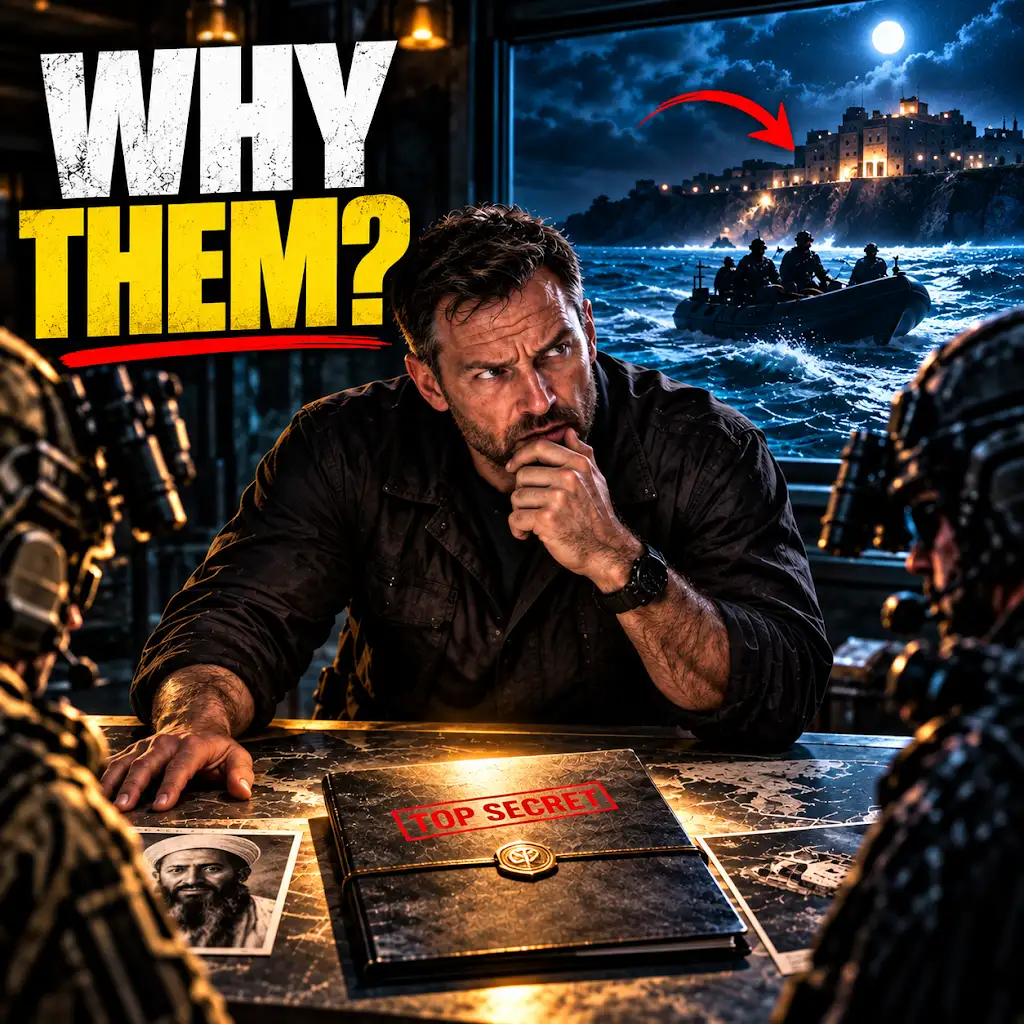
Why SEAL Team Six Got the Bin Laden Raid — Not Delta Force
FAQs
What was the purpose of the Osama bin Laden raid mission planning?
The purpose of the mission planning was to locate and capture or kill Osama bin Laden, the leader of the terrorist group al-Qaeda, who was responsible for the September 11, 2001 attacks on the United States.
Who was involved in the planning of the Osama bin Laden raid mission?
The planning of the mission involved various branches of the U.S. military, including the Navy SEALs, as well as intelligence agencies such as the CIA.
How long did the planning for the Osama bin Laden raid mission take?
The planning for the mission took several months, with meticulous attention to detail in order to ensure the success of the operation.
What were some of the challenges faced during the planning of the Osama bin Laden raid mission?
Some of the challenges faced during the planning included maintaining secrecy, ensuring the element of surprise, and navigating the complex geopolitical landscape of Pakistan where bin Laden was believed to be hiding.
What was the outcome of the Osama bin Laden raid mission?
The outcome of the mission was a success, with Osama bin Laden being located and killed by U.S. Navy SEAL Team 6 on May 2, 2011, in Abbottabad, Pakistan.