
The clandestine world of special operations often operates in the shadows, its successes rarely celebrated publicly, its failures seldom acknowledged. Yet, some operations transcend secrecy, etched into the annals of history. The raid that culminated in the death of Osama bin Laden on May 2, 2011, is one such epochal event. At the heart of this audacious mission lay the Joint Special Operations Command (JSOC), a multifaceted entity whose meticulous planning, unparalleled training, and unwavering execution were absolutely crucial to its success.
The hunt for Osama bin Laden was not a fleeting endeavor; it was a protracted, often frustrating, pursuit that spanned two decades. From the early 1990s, when bin Laden’s al-Qaeda began to pose an increasing threat to American interests, through the devastating attacks of September 11, 2001, the intelligence community and the U.S. military relentlessly sought to neutralize him. This sustained focus created a unique environment for JSOC, fostering a deep understanding of the target and his network, which would prove invaluable when the opportunity finally arose.
The Evolution of JSOC
JSOC, established in 1980, was a response to the perceived failures of U.S. special operations during the Iran hostage crisis. Its mandate was to unify and enhance the capabilities of various elite special operations forces from across the U.S. military branches. Over the years, JSOC evolved into the premier counterterrorism force, a sophisticated organization capable of planning and executing the most complex and high-risk missions globally. This evolution was not a static process but a continuous refinement of capabilities, driven by lessons learned from past operations and an ever-evolving threat landscape.
The Intelligence Nexus
The success of the bin Laden raid was fundamentally predicated on an unprecedented convergence of intelligence. For years, intelligence agencies, including the CIA, had been piecing together fragments of information, tracking associates, and deciphering communications. The development of key human intelligence sources and the exploitation of electronic intercepts provided critical breakthroughs. This intelligence was not merely collected; it was meticulously analyzed, cross-referenced, and disseminated to the operational planners at JSOC, forming the bedrock upon which the entire mission was built. Without this sustained intelligence effort, the raid would have remained a theoretical possibility, devoid of actionable intelligence regarding bin Laden’s whereabouts.
The role of the Joint Special Operations Command (JSOC) in the raid that led to the death of Osama bin Laden has been a topic of extensive analysis and discussion. For a deeper understanding of the strategic and operational aspects of this mission, you can refer to a related article that explores the complexities and challenges faced by JSOC during the operation. This insightful piece can be found at this link.
The Silent Architects: JSOC’s Planning Prowess
The planning for the Abbottabad raid was an exercise in meticulous detail and extreme caution. Years of intelligence gathering culminated in the identification of a compound in Pakistan believed to be harboring bin Laden. The challenge for JSOC was not just to confirm his presence but to devise a plan that minimized risk to U.S. personnel, maximized the chances of success, and accounted for a myriad of potential contingencies. This was not a mission that could be improvised; it demanded an extraordinary level of foresight and preparation.
The Compound Analysis
Once the compound in Abbottabad was identified as a high-probability location for bin Laden, JSOC began an intensive analysis. This involved a combination of overhead surveillance, satellite imagery, signals intelligence, and, crucially, information from human sources. Every aspect of the compound was scrutinized: its layout, the security measures in place, the routines of its inhabitants, and the surrounding environment. This deep dive into the target’s sanctuary allowed planners to anticipate potential challenges and devise specific countermeasures.
Contingency Planning: The Unforeseen Element
The nature of special operations dictates that even the most comprehensive plans must be adaptable. JSOC planners are renowned for their ability to anticipate the unforeseen. For the bin Laden raid, this meant developing multiple contingency plans for a wide range of scenarios: aircraft malfunctions, unexpected enemy resistance, capture of enemy personnel, or even the possibility of bin Laden not being present. Each contingency was meticulously mapped out, with pre-determined courses of action and clear command and control protocols. The emphasis was on flexibility and the ability to react decisively to rapidly changing circumstances on the ground.
Simulating Reality: The Power of Rehearsals
A hallmark of JSOC operations is the extensive use of rehearsals. To prepare for the Abbottabad raid, a full-scale replica of the compound was constructed at a remote training facility in Nevada. Elite units, including Navy SEALs from SEAL Team Six (DEVGRU), conducted numerous practice runs, simulating every phase of the operation, from insertion to extraction. These rehearsals were not just about practicing movements; they were about building muscle memory, refining communication, and fostering an uncanny level of coordination among the operators. The goal was to ensure that when the real mission commenced, the operators would execute their roles with flawless precision, almost instinctively.
The Chosen Few: The Elite Operators of DEVGRU
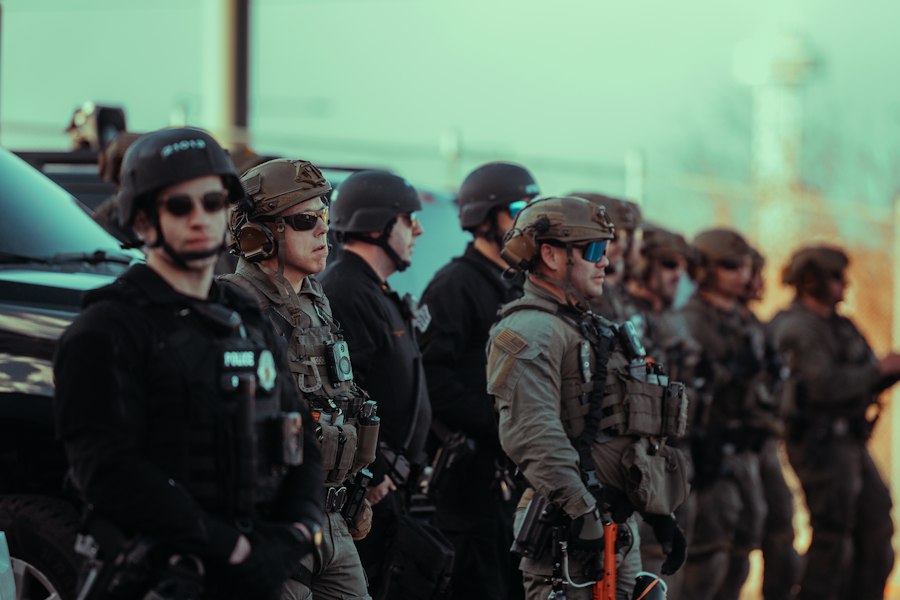
The responsibility for executing such a delicate and dangerous mission fell to the most elite units within JSOC. In this instance, the primary operational element was Naval Special Warfare Development Group (DEVGRU), commonly known as SEAL Team Six. These operators are the apex predators of the special operations world, selected for their extraordinary physical and mental fortitude, their exceptional combat skills, and their unwavering commitment to mission success.
DEVGRU’s Unique Capabilities
DEVGRU is a highly specialized unit, honed by years of counterterrorism operations and hostage rescue missions. Their training is notoriously rigorous, pushing the boundaries of human endurance and tactical proficiency. They possess a unique combination of skills, including advanced marksmanship, close-quarters combat, airborne insertion, maritime operations, and intelligence gathering. The selection and training process ensures that only the most capable individuals are entrusted with JSOC’s most sensitive missions. For the bin Laden raid, DEVGRU’s specialized expertise in direct action raids against high-value targets was precisely what was required.
The Role of the Direct Action Mission
The bin Laden raid was classified as a direct action mission, a targeted operation to seize, capture, or destroy an enemy target. This contrasts with other types of special operations, such as reconnaissance or unconventional warfare. Direct action missions are typically characterized by speed, surprise, and overwhelming force against a specific objective. The planning and execution of such missions require a high degree of precision and coordination, ensuring that the objective is achieved with minimal collateral damage and acceptable risk to friendly forces. DEVGRU’s expertise in this domain made them the ideal choice for the Abbottabad operation.
The Importance of Team Cohesion
In a high-stakes operation like the bin Laden raid, the cohesion of the team is paramount. The operators of DEVGRU train and operate together for extended periods, forging an unbreakable bond of trust and mutual reliance. They understand each other’s strengths and weaknesses, communicating through subtle cues and shared experiences. This deep level of team cohesion allows them to function as a single, highly effective unit, capable of overcoming any obstacle and executing complex maneuvers with seamless coordination.
The Night of Decision: Execution and Overcoming Adversity

The night of May 2, 2011, was the culmination of years of planning and preparation. Under the cover of darkness, the DEVGRU operators embarked on their perilous journey to Abbottabad, Pakistan. The mission, codenamed Operation Neptune Spear, was fraught with challenges, and the operators had to demonstrate extraordinary adaptability and courage to overcome them.
The Helicopter Insertion
The primary method of insertion was via specialized MH-60 Black Hawk helicopters. These aircraft were chosen for their maneuverability and stealth capabilities. However, the operation began with an unexpected complication: one of the helicopters experienced a tail rotor failure shortly after arriving over the compound. This forced an emergency landing within the compound walls, creating an immediate and unforeseen obstacle. The pilots, demonstrating remarkable skill and composure, managed to land the aircraft safely, preventing a catastrophic loss of life.
Breaching the Walls and Engaging the Enemy
Once on the ground, the DEVGRU operators immediately began breaching the compound’s walls. Using specialized explosives, they created entry points into the compound, moving with swift and deliberate precision. Inside, they encountered armed resistance from bin Laden’s guards and associates. The operators engaged the enemy forces in a fierce firefight, neutralizing threats with their superior training and weaponry. The objective was to neutralize any opposition that stood between them and their primary target, ensuring the safety of the mission.
The Objective: Bin Laden’s Demise
The operators systematically cleared the compound, moving from room to room. Intelligence had indicated that bin Laden was likely located on the third floor. Upon reaching his quarters, they encountered him and his personal bodyguard. In the ensuing confrontation, both were killed. The confirmation of bin Laden’s identity was a critical step, involving visual identification and later, DNA analysis. The successful neutralization of the world’s most wanted terrorist was the direct result of the operators’ unwavering focus and their ability to execute their mission objectives under extreme pressure.
The role of the Joint Special Operations Command (JSOC) in the raid that led to the death of Osama bin Laden has been a subject of extensive analysis and discussion. For those interested in a deeper understanding of the complexities and strategies involved in this high-stakes operation, a related article can be found at In the War Room, which explores the tactical decisions made by JSOC and the implications of their actions on modern warfare. This resource provides valuable insights into the intricacies of special operations and the critical role they play in counterterrorism efforts.
The Aftermath and Legacy: A Mission Accomplished
| Metric | Details |
|---|---|
| Operation Name | Operation Neptune Spear |
| Date of Raid | May 2, 2011 |
| Primary JSOC Unit Involved | SEAL Team Six (DEVGRU) |
| Number of JSOC Operators Involved | Approximately 24 |
| Role of JSOC | Planning, execution, and intelligence support for the raid |
| Duration of Raid | Approximately 40 minutes |
| Outcome | Osama bin Laden killed, intelligence materials seized |
| JSOC’s Intelligence Contribution | Provided actionable intelligence and real-time mission support |
| JSOC’s Coordination | Coordinated with CIA and other intelligence agencies |
The successful execution of Operation Neptune Spear sent shockwaves across the globe. For JSOC, it was a testament to their unwavering dedication, their strategic foresight, and their unparalleled capabilities. The raid was a victory not just for the U.S. military but for the global fight against terrorism.
The Extraction and Intelligence Gathering
Following the confirmation of bin Laden’s death, the DEVGRU operators initiated their extraction, carefully gathering sensitive intelligence from the compound. This included documents, computers, and other materials that would provide invaluable insights into al-Qaeda’s operational planning, funding, and future intentions. The meticulous collection of this intelligence was as crucial as the raid itself, providing the U.S. with a significant advantage in ongoing counterterrorism efforts.
The Broader Implications for Counterterrorism
The bin Laden raid marked a significant turning point in the fight against al-Qaeda. While the threat of terrorism did not disappear, the removal of its charismatic leader dealt a severe blow to the organization’s morale and operational capacity. For JSOC, the mission reaffirmed its vital role in national security, demonstrating its ability to tackle the most complex and dangerous threats faced by the United States. It also highlighted the importance of persistent intelligence gathering and the seamless integration of intelligence and operational planning.
The Unseen Hand of JSOC
The story of the bin Laden raid is, in essence, the story of JSOC’s indispensable contribution. From the quiet, persistent work of intelligence analysts to the highly trained operators who undertook the perilous mission, JSOC represented the collective will and capability of the United States to confront and neutralize its most dangerous adversaries. The success of Operation Neptune Spear stands as a powerful reminder of the crucial role that JSOC plays in safeguarding national security, often operating in the shadows, but with a profound impact on the world stage. The legend of the raid, etched in history, is forever intertwined with the silent, resolute dedication of the Joint Special Operations Command.
Why SEAL Team Six Got the Bin Laden Raid — Not Delta Force
FAQs
What is JSOC?
JSOC stands for Joint Special Operations Command, which is a component command of the United States Special Operations Command (USSOCOM). It is responsible for overseeing special operations forces from multiple branches of the U.S. military.
What was JSOC’s role in the raid that killed Osama bin Laden?
JSOC played a crucial role in planning and executing the raid that killed Osama bin Laden on May 2, 2011. The operation, code-named Operation Neptune Spear, involved Navy SEAL Team 6, a unit within JSOC, conducting a helicopter assault on bin Laden’s compound in Abbottabad, Pakistan.
How did JSOC contribute to the success of the mission?
JSOC’s expertise in special operations and counterterrorism tactics was instrumental in the success of the mission to capture or kill Osama bin Laden. They provided the highly trained and skilled operators who carried out the raid, as well as the intelligence and logistical support needed for the operation.
What other high-profile missions has JSOC been involved in?
JSOC has been involved in numerous high-profile missions, including the capture of Saddam Hussein in Iraq, the rescue of Jessica Lynch in Iraq, and the capture of Abu Bakr al-Baghdadi in Syria. They have also conducted targeted killings of high-value targets in the global war on terror.
How does JSOC differ from other special operations forces?
JSOC is unique in that it brings together elite special operations forces from different branches of the U.S. military, such as Navy SEALs, Army Rangers, and Delta Force operators, to work together on highly classified and sensitive missions. JSOC operates under a higher level of secrecy and has greater autonomy than other special operations forces.