DEVGRU, a name whispered in hushed tones within intelligence agencies and spoken with awe on the battlefield, stands as the United States Navy’s premier counterterrorism unit. Officially designated as the Naval Special Warfare Development Group (NSWDG), its existence was a closely guarded secret for decades. This article delves into the history of DEVGRU, tracing its evolution from a nascent counter-insurgency force to the unparalleled counterterrorism instrument it is today, highlighting its clandestine operations, technological advancements, and the elite warriors who forged its formidable reputation.
The story of DEVGRU is inextricably linked to the broader development of U.S. special operations forces. Its origins can be traced back to the early days of the U.S. Navy SEALs, born out of the Vietnam War’s need for unconventional warfare capabilities. While the SEAL teams focused on direct action, reconnaissance, and unconventional warfare, a growing recognition emerged within the U.S. military of a specialized need to address emerging threats, particularly those involving terrorism. The Munich Olympics massacre in 1972 served as a stark, global awakening to the lethality and increasing sophistication of terrorist groups. This event, which saw the deaths of eleven Israeli athletes and a West German police officer, catalyzed a serious re-evaluation of counterterrorism strategies and capabilities within Western nations.
The Phoenix Program and Early Counter-Insurgency Roots
While not directly DEVGRU’s precursor, the lessons learned from programs like the Phoenix Program in Vietnam, aimed at disrupting Viet Cong infrastructure, contributed to the understanding of specialized units operating behind enemy lines and targeting specific threats. This period saw the exploration of small, highly trained units capable of surgical strikes and intelligence gathering in complex environments. The emphasis was on precision, adaptability, and operating with a high degree of autonomy.
The Birth of Task Force 160 and the Need for a Dedicated Unit
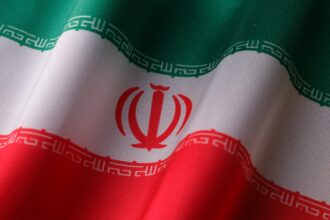
In the wake of the Iranian hostage crisis in 1979, the limitations of existing military units in conducting complex hostage rescue operations became painfully apparent. The ill-fated Operation Eagle Claw highlighted critical shortcomings in planning, coordination, and the availability of specialized equipment and personnel for such high-stakes missions. This failure spurred a comprehensive review of U.S. special operations. As a direct result of the perceived deficiencies exposed by Eagle Claw, the U.S. military began to establish more specialized units designed for specific, high-threat scenarios. This included the formation of Delta Force within the U.S. Army and, concurrently, the need for a similar, naval-centric capability. This realization directly led to the establishment of what would become DEVGRU.
SEAL Team Six: The Initial Inception
The direct lineage of DEVGRU begins with the formation of SEAL Team Six in 1980. This elite unit was tasked with counterterrorism and hostage rescue operations, drawing heavily from the experienced operators of existing SEAL teams. The designation “Six” was a deliberate strategic move to mislead adversaries about the true number of SEAL teams. The initial focus was on developing the skills and doctrine necessary to confront the evolving threat of international terrorism, which was increasingly employing audacious and deadly tactics. This nascent unit was tasked with a formidable mission: to be the Navy’s sharpest, most discreet weapon against those who sought to sow terror.
DEVGRU, also known as SEAL Team Six, has a storied history of counterterrorism operations that have shaped modern military tactics. For a deeper understanding of their significant missions and the evolution of their strategies, you can explore a related article that delves into the intricacies of their operations and the impact they have had on global security. To read more, visit this article.
The Cloak of Secrecy: Early Operations and the Shadow War
For years, DEVGRU operated under an almost impenetrable veil of secrecy. Its missions were classified at the highest levels, and its existence was known only to a select few within the intelligence community and the highest echelons of the military. This clandestine nature was not merely for operational security but was fundamental to its effectiveness. By remaining unseen and unknown, DEVGRU could infiltrate, gather intelligence, and strike with maximum surprise, often neutralizing threats before they could fully materialize or claim victims.
Operation Earnest Will and the Persian Gulf
While not a direct counterterrorism operation in the modern sense, the U.S. Navy’s escort of oil tankers in the Persian Gulf during the Iran-Iraq War, known as Operation Earnest Will, provided invaluable operational experience for special operations units. During this period, SEALs and later, DEVGRU operators, were tasked with maritime interdiction operations, intelligence gathering, and ensuring the safety of shipping lanes. This exposure to the complex maritime environment of the Persian Gulf, with its political sensitivities and potential for asymmetric threats, honed the skills necessary for future, more direct counterterrorism missions.
The Birth of the “Black Operations” Mentality
The early days of DEVGRU were characterized by a “black operations” mentality, emphasizing extreme stealth, precision, and minimal collateral damage. Operators were trained to be invisible, to melt into the shadows, and to execute missions with surgical accuracy. This ethos shaped the unit’s operational doctrine, prioritizing intelligence-driven operations and the use of specialized tactics and equipment tailored to specific threats. The success of these early, often unacknowledged, missions solidified DEVGRU’s reputation as a highly effective, albeit unseen, force.
Early Intelligence Gathering and Reconnaissance
Beyond direct action, DEVGRU’s early focus also included extensive intelligence gathering and reconnaissance. Operators were trained to infiltrate denied areas, observe enemy movements, and relay critical information back to higher command. This intelligence was crucial in anticipating and preventing terrorist attacks. The unit’s ability to operate in remote and hostile environments, often for extended periods, made it an indispensable asset in understanding the operational landscape of terrorist organizations.
Evolution of Tactics and Technology: Adapting to a Shifting Threat
As terrorist tactics evolved and diversified, so too did DEVGRU’s capabilities. The late 20th and early 21st centuries witnessed a dramatic increase in the complexity and reach of global terrorism. This necessitated a constant evolution in the unit’s tactics, training, and the adoption of cutting-edge technology. DEVGRU became synonymous with innovation, constantly pushing the boundaries of what was operationally possible.
Maritime Counterterrorism: From Hostages to High-Seas Threats
Initially, the primary focus for DEVGRU was maritime counterterrorism, stemming from the U.S. Navy’s inherent domain. This included scenarios like hostage rescue from vessels, anti-piracy operations, and the interdiction of smuggling routes used by terrorist organizations. The unit developed specialized maritime insertion and extraction techniques, including underwater operations, high-speed boat operations, and helicopter-borne assaults on moving vessels.
Direct Action and the War on Terror
The September 11, 2001, attacks marked a watershed moment for DEVGRU and U.S. counterterrorism efforts globally. The subsequent launch of the War on Terror propelled DEVGRU into a prominent, albeit still largely clandestine, role. The unit became instrumental in conducting direct action missions against terrorist leadership, training camps, and infrastructure in Afghanistan, Iraq, and other theaters of operation.
The High-Value Target (HVT) Assaults
DEVGRU became renowned for its ability to conduct high-risk, direct action assaults against High-Value Targets (HVTs). These operations involved meticulously planned raids aimed at capturing or eliminating key figures within terrorist organizations. The precision and effectiveness of these raids were critical in degrading the operational capabilities of groups like Al-Qaeda and later, ISIS.
Specialized Insertion and Extraction Techniques
To achieve the element of surprise and operate in challenging terrain, DEVGRU refined and developed a wide array of insertion and extraction techniques. These included HALO (High Altitude-Low Opening) and HAHO (High Altitude-High Opening) parachute jumps, advanced helicopter infiltration, and covert maritime approaches. The unit’s proficiency in these areas allowed them to reach targets that were otherwise inaccessible.
Technological Integration and Innovation
DEVGRU has consistently been at the forefront of adopting and integrating new technologies. This includes advanced weaponry, night vision devices, communication systems, unmanned aerial vehicles (UAVs) for reconnaissance, and sophisticated intelligence analysis tools. The unit’s close relationship with defense contractors and research institutions ensures that its operators are equipped with the most effective tools available.
Enhanced Situational Awareness Technologies
The development and deployment of advanced situational awareness technologies, such as real-time battlefield data feeds, sophisticated surveillance equipment, and enhanced communication networks, have been crucial for DEVGRU’s success. These technologies allow operators to maintain a comprehensive understanding of the operational environment, identify threats, and coordinate their actions with precision.
Advanced Weaponry and Equipment
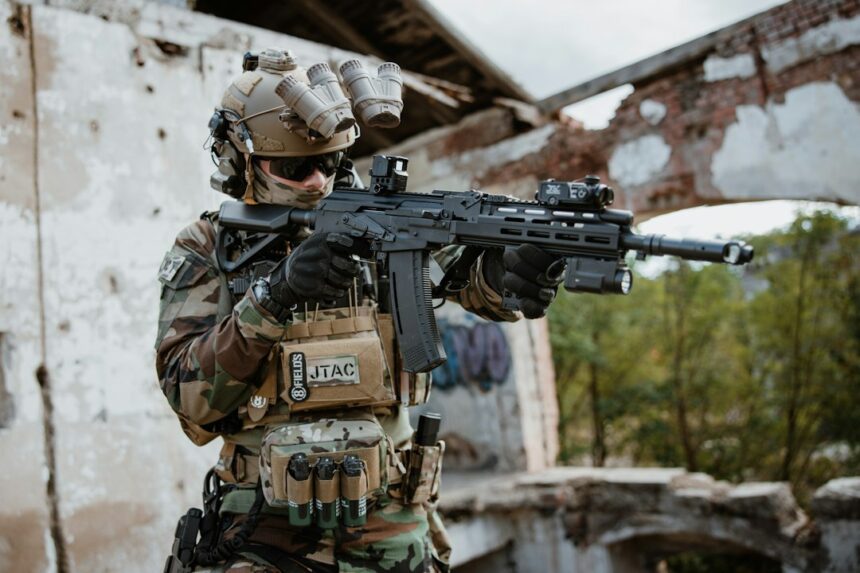
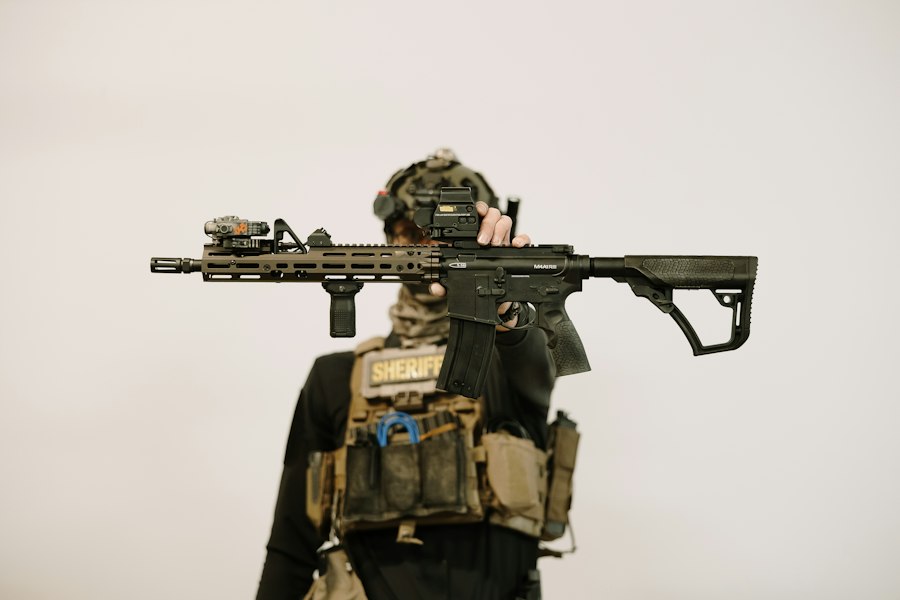
DEVGRU operators are equipped with a wide range of specialized firearms, including customized assault rifles, submachine guns, and precision sniper rifles, often modified to meet specific mission requirements. They also utilize advanced body armor, breaching tools, and tactical gear designed for maximum mobility and protection in hostile environments.
Notable Operations and Defining Moments: etched in history
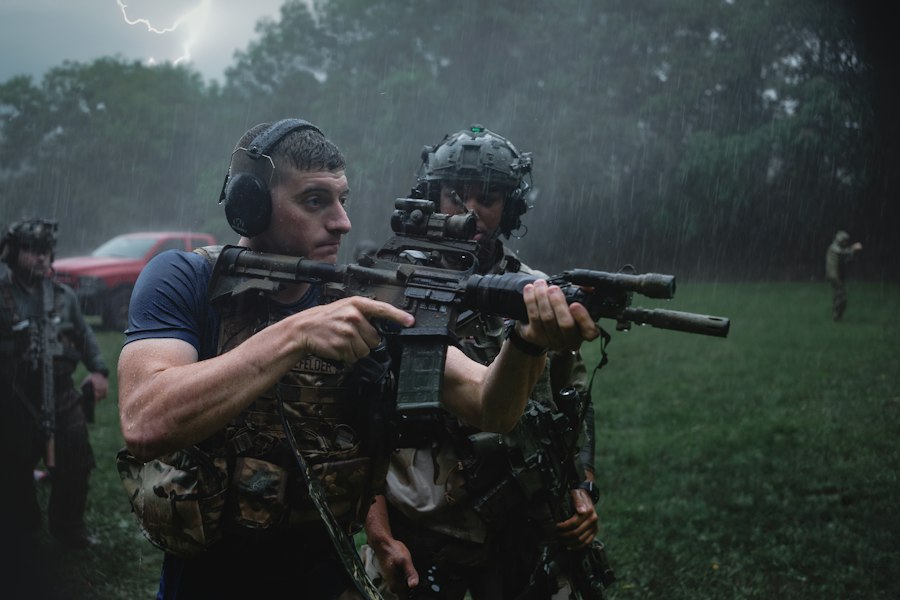
While the majority of DEVGRU’s operations remain classified, certain missions have broken through the veil of secrecy, either due to their profound impact or the sheer audacity of their execution. These defining moments underscore the unit’s effectiveness and its critical role in national security.
Operation Neptune Spear: The Bin Laden Raid
Perhaps the most publicly recognized operation involving DEVGRU is Operation Neptune Spear, the raid that resulted in the death of Osama bin Laden on May 2, 2011. This meticulously planned and flawlessly executed mission saw DEVGRU operators infiltrate a heavily fortified compound in Abbottabad, Pakistan, and neutralize the mastermind behind the 9/11 attacks. The success of this operation was a testament to years of intelligence gathering, training, and the unwavering courage of the DEVGRU operators involved.
The Intelligence Grind: Years of Dedication
The success of Operation Neptune Spear was not a sudden development but the culmination of years of painstaking intelligence gathering, analysis, and operational planning. DEVGRU operators, alongside other intelligence agencies, dedicated themselves to tracking down bin Laden, meticulously piecing together information and developing strategies for his eventual apprehension.
The Precision Strike: Execution Under Pressure
The raid itself was a masterpiece of precision and controlled aggression. DEVGRU operators navigated a complex environment, engaging and neutralizing enemy combatants while ensuring the safe retrieval of valuable intelligence. The execution of the mission under extreme pressure and in a hostile foreign territory showcased the unit’s unparalleled professionalism and their commitment to achieving their objective.
The Rescue of Captain Phillips
DEVGRU played a critical role in the rescue of Captain Richard Phillips, the skipper of the U.S.-flagged container ship Maersk Alabama, who was held hostage by Somali pirates in 2009. While the primary responsibility for the initial negotiations and securing the ship rested with other naval units, DEVGRU operators were deployed to execute a swift and decisive rescue when negotiations failed and Captain Phillips’ life was in imminent danger.
Maritime Interdiction and Hostage Rescue Protocols
The Phillips rescue highlighted DEVGRU’s expertise in maritime interdiction and hostage rescue protocols. The unit’s ability to rapidly deploy, assess the situation, and execute a surgical strike on a moving pirate vessel, while simultaneously neutralizing the threat to the captain, demonstrated their advanced capabilities in a complex maritime environment.
Operations in Afghanistan and Iraq
Throughout the conflicts in Afghanistan and Iraq, DEVGRU conducted a myriad of classified operations, ranging from direct action against high-value targets to intelligence gathering and special reconnaissance. These operations were instrumental in disrupting terrorist networks, degrading enemy capabilities, and protecting U.S. and allied forces.
Counter-Insurgency and Direct Action Roles
In both theaters, DEVGRU operators were tasked with a dual role: actively engaging in direct action against enemy combatants and leadership, and also contributing to counter-insurgency efforts by gathering intelligence and disrupting insurgent networks. Their ability to operate effectively in both roles made them a versatile and indispensable asset.
The Importance of Inter-Agency Cooperation
Many of DEVGRU’s successes are a result of seamless inter-agency cooperation. Their operations often involve close collaboration with the CIA, FBI, and other intelligence agencies, as well as with allied special forces units. This collaborative approach ensures that intelligence is effectively shared, resources are optimized, and missions are conducted with maximum impact.
DEVGRU, also known as SEAL Team Six, has a storied history in counterterrorism operations, playing a pivotal role in numerous high-stakes missions. For those interested in exploring the evolution of these operations and their impact on modern warfare, a fascinating article can be found at In the War Room, which delves into the strategic developments and key events that have shaped DEVGRU’s approach to counterterrorism. This resource provides valuable insights into the challenges faced by elite units like DEVGRU and their ongoing efforts to adapt to an ever-changing global landscape.
The DEVGRU Operator: The Pinnacle of Special Warfare
| Year | Operation Name | Location | Objective | Outcome | Casualties (DEVGRU) | Notable Details |
|---|---|---|---|---|---|---|
| 1976 | Operation Eagle Claw | Tehran, Iran | Rescue American hostages | Mission failed, hostages not rescued | 8 killed (including support personnel) | Led to creation of USSOCOM and Delta Force |
| 1993 | Battle of Mogadishu | Mogadishu, Somalia | Capture faction leaders | Partial success, heavy casualties | 2 killed, 1 captured | Inspired “Black Hawk Down” events |
| 2001 | Operation Neptune Spear | Abbottabad, Pakistan | Eliminate Osama bin Laden | Successful, bin Laden killed | 0 killed | High-profile counterterrorism success |
| 2003-2011 | Operation Iraqi Freedom | Iraq | Counterterrorism and insurgency operations | Ongoing conflict, multiple successes | Several killed (classified) | Targeted high-value terrorist leaders |
| 2011 | Operation Odyssey Dawn | Libya | Support NATO intervention, capture Gaddafi loyalists | Successful in disrupting regime | Minimal casualties | Covert operations supporting regime change |
| 2015 | Operation Inherent Resolve | Syria/Iraq | Defeat ISIS leadership | Multiple high-value targets eliminated | Minimal casualties | Ongoing counterterrorism campaign |
The effectiveness of DEVGRU rests not solely on its advanced technology or sophisticated tactics, but on the caliber of its operators. These men are not simply soldiers; they are the embodiment of dedication, discipline, and an unwavering commitment to their mission and their teammates. The selection and training process is legendary for its brutality and its ability to forge an elite force capable of operating under unimaginable stress.
The Rigorous Selection Process: Beyond Physical Prowess
The path to becoming a DEVGRU operator is arduous and selective. Candidates, drawn from the ranks of experienced U.S. Navy SEALs, undergo an intensely demanding screening and selection process that goes far beyond mere physical strength. Psychological resilience, adaptability, intelligence, and an unshakeable moral compass are paramount. Many who begin the process do not complete it.
Elite Training: Constant Evolution and Specialization
DEVGRU operators undergo continuous and highly specialized training that pushes the boundaries of human capability. This includes advanced marksmanship, close-quarters combat, intelligence gathering, demolitions, maritime operations, airborne operations, survival, and medical skills. The training is constantly updated to reflect the evolving nature of threats and to ensure operators remain at the cutting edge of their profession.
The Art of Stealth and Infiltration
Training emphasizes the art of stealth and infiltration, enabling operators to move undetected in hostile environments. This includes mastering camouflage techniques, silent movement, and the use of specialized equipment to minimize their footprint. The ability to approach targets unseen is a critical component of their operational success.
Unwavering Teamwork and Trust
At the heart of DEVGRU’s success is the profound bond and absolute trust between its operators. They train and operate as a cohesive unit, where each member relies implicitly on the skills and judgment of their teammates. This brotherhood, forged in the crucible of demanding operations, is essential for their survival and mission accomplishment.
The Future of DEVGRU: Adapting to New Threats and Maintaining Vigilance
As the global security landscape continues to shift, DEVGRU remains at the forefront of evolving threats, from state-sponsored aggression to asymmetric warfare and the proliferation of advanced technologies by adversarial actors. Its mission to protect national interests and counter terrorism remains as vital as ever, necessitating a continued commitment to adaptation and innovation.
Emerging Threats and Technological Advancements
DEVGRU must continuously adapt to emerging threats, including cyber warfare, artificial intelligence, and the use of drones by non-state actors. The unit will need to integrate new technologies and develop novel strategies to counter these evolving challenges, ensuring they maintain their technological and operational edge.
Maintaining Operational Readiness and Global Presence
The maintenance of global operational readiness and a forward presence in key regions will continue to be paramount for DEVGRU. This involves a constant cycle of training, deployment, and intelligence gathering to anticipate and neutralize threats before they can materialize. Their ability to respond rapidly and effectively to crises anywhere in the world is a cornerstone of their deterrence.
The Enduring Legacy of Elite Counterterrorism
The legacy of DEVGRU is one of quiet professionalism, unwavering dedication, and unparalleled effectiveness. For decades, these elite warriors have operated in the shadows, making the impossible possible and safeguarding the nation from its most dangerous adversaries. As the threats to global security continue to evolve, DEVGRU will undoubtedly remain a critical instrument in the United States’ counterterrorism arsenal, a testament to the enduring power of specialized training, cutting-edge technology, and the courage of its exceptional operators. Their history is a testament to the nation’s commitment to confronting and overcoming those who seek to inflict terror and destabilize the world.
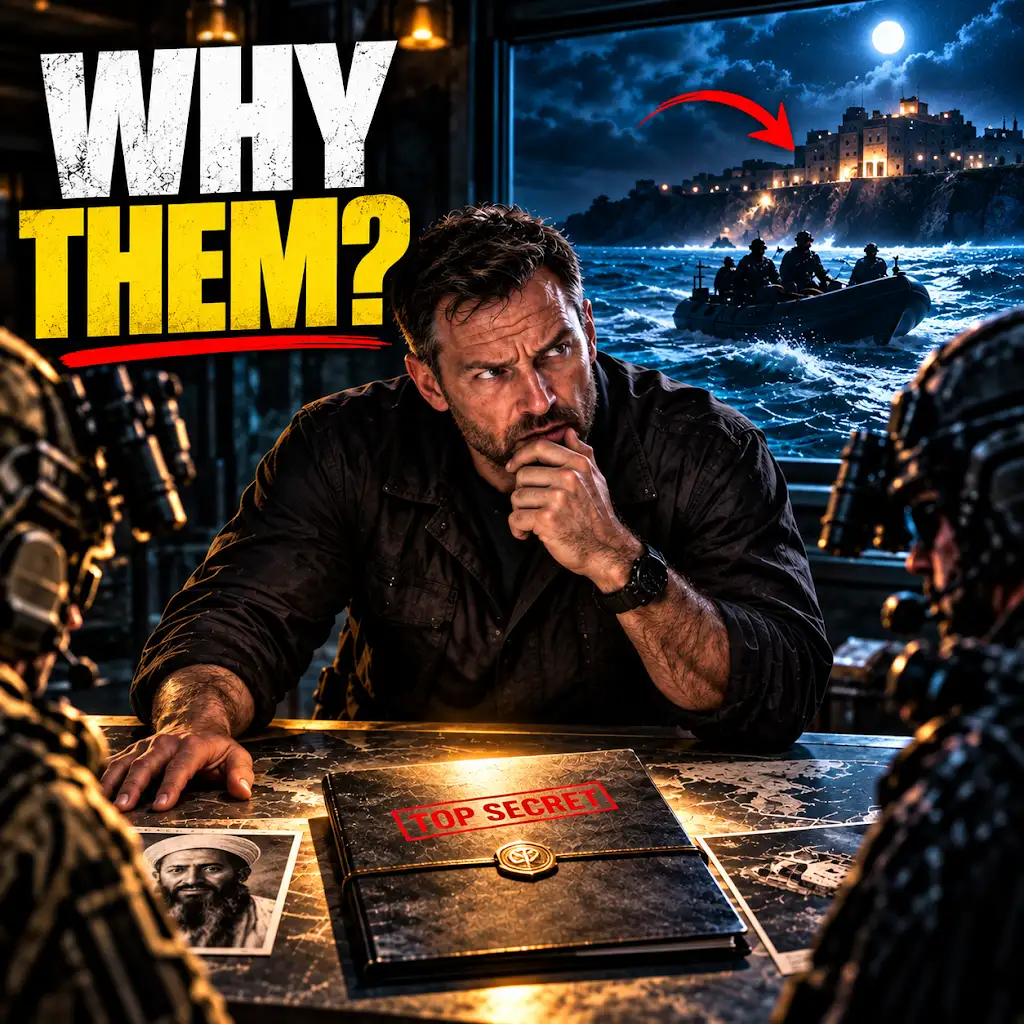
Why SEAL Team Six Got the Bin Laden Raid — Not Delta Force
FAQs
What is DEVGRU?
DEVGRU, officially known as the United States Naval Special Warfare Development Group, is a U.S. Navy component of Joint Special Operations Command (JSOC) specializing in counterterrorism operations.
What is the history of DEVGRU’s counterterrorism operations?
DEVGRU has been involved in numerous high-profile counterterrorism operations, including the capture of Osama bin Laden in 2011 and the rescue of Captain Richard Phillips from Somali pirates in 2009.
How is DEVGRU different from other special operations units?
DEVGRU is known for its high level of training and expertise in counterterrorism operations, as well as its ability to operate in maritime environments. It is considered one of the most elite special operations units in the U.S. military.
What is the role of DEVGRU in the War on Terror?
DEVGRU has played a key role in the War on Terror, conducting targeted operations against high-value terrorist targets around the world. Its missions often involve capturing or killing individuals involved in terrorist activities.
How does DEVGRU operate in coordination with other special operations units?
DEVGRU often works closely with other special operations units, such as the Army’s Delta Force and the Air Force’s Special Tactics Squadrons, as part of Joint Special Operations Command (JSOC). This collaboration allows for a more coordinated and effective approach to counterterrorism operations.