Mastering the Seas: SEAL Team Six’s Maritime Specialization
Naval Special Warfare Development Group (NSWDG), more commonly known as SEAL Team Six, is a name synonymous with the most elite and sensitive special operations missions undertaken by the United States. While their prowess in various environments is legendary, their mastery of maritime operations is a cornerstone of their unparalleled capabilities. From clandestine insertions from the deep ocean to precision assaults on hostile vessels, SEAL Team Six has cultivated a sophisticated and deeply ingrained maritime specialization that sets them apart in the global special operations landscape. This specialization is not merely about proficient swimming or boat handling; it is a comprehensive mastery of the complexities of the maritime domain, encompassing tactical, technical, and strategic dimensions.
The journey to becoming a SEAL Team Six operator with a deep maritime specialization begins long before assignment to the unit. It is forged in the crucible of Basic Underwater Demolition/SEAL (BUD/S) training and further refined through advanced SEAL Qualification Training (SQT). These initial phases establish a baseline of exceptional physical and mental fortitude, crucial for the demanding nature of maritime operations.
BUD/S: Forging the Maritime Mindset
BUD/S, notoriously one of the toughest military training programs in the world, instills in candidates an intimate understanding of the ocean’s power and unforgiving nature. From the frigid waters of Coronado, California, to the relentless waves, BUD/S operators are pushed to their absolute physical and mental limits. Hell Week, a hallmark of BUD/S, is a five-and-a-half-day ordeal where sleep deprivation, extreme cold, and constant physical exertion are the norm. It is during this crucible that candidates learn to operate effectively in a disorienting and hostile aquatic environment, building a profound respect for the sea and developing the mental resilience to overcome its challenges.
- Water Confidence and Survivability: Candidates spend countless hours in the water, learning to swim long distances with gear, perform underwater skills, and survive in harsh maritime conditions. This builds an intrinsic comfort and confidence in the water that is paramount for any maritime operation.
- Naval Tactics Introduction: Early training includes basic naval tactics, such as boat operations and understanding tides and currents, laying the groundwork for more advanced maritime skillsets.
- Stress Inoculation: The relentless pressure of BUD/S is designed to inoculate operators against the extreme stress they will face during real-world missions. This is particularly vital in the unpredictable maritime environment where quick thinking and calm execution are paramount.
Advanced SEAL Training: Deepening Maritime Expertise
Upon graduating BUD/S, candidates enter SQT, where their specialization truly begins to blossom. This phase provides opportunities for operators to hone their skills in a variety of specialized areas, with maritime operations being a significant focus.
- Advanced Scuba and Underwater Operations: SQT delves into sophisticated closed-circuit rebreather (CCR) systems, allowing for extended submerged operations with minimal detection. This includes advanced navigation techniques, clandestine insertion and extraction methods, and underwater combat scenarios.
- Small Boat Operations: Operators receive extensive training in a wide array of specialized maritime craft, from rigid-hull inflatable boats (RHIBs) to specialized submersibles. They learn high-speed maneuvering, silent running techniques, and complex formation tactics in various sea states.
- Maritime Interdiction and Boarding: SEALs are trained to conduct precise and rapid interdiction operations, boarding hostile vessels, and neutralizing threats. This involves specialized techniques for breaching hulls, close-quarters combat in confined ship spaces, and hostage rescue scenarios at sea.
- Surf Zone Operations: Mastering the unpredictable and often dangerous surf zone is critical for discreet insertions and extractions. SEALs learn to navigate these treacherous waters with specialized equipment and techniques, ensuring mission success even in challenging coastal environments.
SEAL Team Six, officially known as the United States Naval Special Warfare Development Group, is renowned for its exceptional maritime specialization, which plays a crucial role in counter-terrorism operations. For a deeper understanding of the unique training and missions that define their maritime capabilities, you can explore a related article that delves into their tactics and strategies. To read more, visit this article.
Tactical Dominance: Mastering the Art of Maritime Infiltration and Exfiltration
SEAL Team Six’s maritime specialization is most evident in their unparalleled ability to infiltrate and exfiltrate operational areas from, and to, the sea. This requires a sophisticated understanding of hydrodynamics, environmental factors, and specialized equipment, all executed with the utmost stealth and precision.
Covert Subsurface Infiltration: The Art of the Invisible Approach
The deepest and most discreet form of maritime infiltration involves utilizing the ocean’s depths as a natural cloak. SEAL Team Six operators are masters of subsurface insertion, employing cutting-edge technology and advanced techniques to remain undetected.
- Closed-Circuit Rebreather (CCR) Operations: CCRs allow operators to breathe recycled air, producing virtually no bubbles and significantly reducing acoustic signatures. This enables prolonged underwater missions, allowing SEALs to approach targets from the sea floor or through the water column without detection from sonar or visual observation.
- Submersible Delivery Systems: SEALs utilize specialized mini-submarines and other submersible vehicles to transport operators and equipment to clandestine drop-off points offshore. These systems can range from small, two-person craft to larger vessels capable of deploying multiple teams.
- Diver Propulsion Devices (DPDs): DPDs are small, electrically powered underwater scooters that allow operators to cover significant distances underwater with less physical exertion, conserving energy for the mission ahead. They offer a quiet and efficient means of underwater transit.
- Underwater Navigation and Reconnaissance: Advanced sonar, GPS, and inertial navigation systems are employed to navigate complex underwater environments, identify enemy countermeasures, and conduct detailed reconnaissance of submerged obstacles or potential threats before reaching their objective.
Surface and Near-Surface Infiltration: Swift and Stealthy Approaches
While subsurface infiltration offers the highest degree of stealth, surface and near-surface methods are employed for speed, efficiency, and when the operational environment dictates.
- High-Speed Boat Operations: SEALs are proficient in operating a variety of high-speed craft, including RHIBs, special operations craft (SOCs), and custom-built vessels. These craft are equipped for stealth, often featuring low-observable coatings and specialized engine silencing technology.
- Silent Running Techniques: Operators are trained in techniques that minimize acoustic and visual signatures while operating on the surface, such as precise throttle control, hull design considerations, and understanding wake patterns to avoid detection.
- Seaborne Insertion from Larger Platforms: SEALs can be deployed from submarines, larger naval vessels, or even maritime patrol aircraft that can air-drop specialized insertion craft closer to the target area.
Exfiltration: A Seamless Return to the Maritime Realm
The exfiltration phase is as critical as the infiltration. SEAL Team Six meticulously plans and executes their departure, ensuring the safe and discreet return of their operators and any sensitive intelligence or equipment gathered.
- Reverse Infiltration Techniques: Often, exfiltration employs the same sophisticated methods used for infiltration, including subsurface returns using CCRs or rendezvous with specialized maritime vehicles.
- Pre-Planned Extraction Points: Robust pre-planning identifies multiple extraction points and contingency routes, accounting for changing sea conditions, enemy activity, and potential equipment failures.
- Covert Extraction by Air or Sea: Depending on the mission profile, exfiltration might involve rendezvous with helicopters for vertical replenishment, specialized aircraft for rapid transport, or stealthy departures via submersible or high-speed craft.
Strategic Depth: Understanding the Maritime Operational Environment
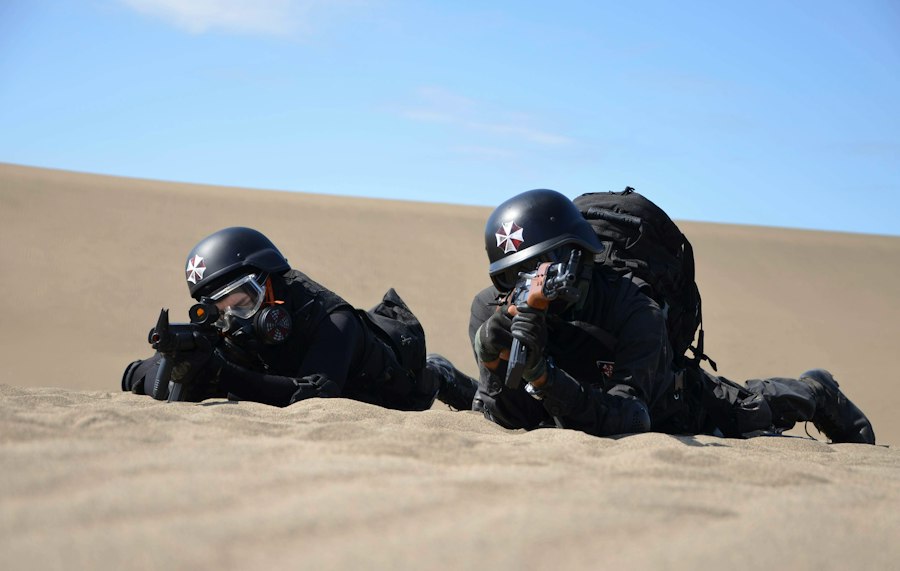
SEAL Team Six’s maritime specialization extends beyond individual skills to encompass a profound understanding of the strategic implications of operating within the maritime domain. This involves a deep appreciation for international law, geopolitical considerations, and the unique challenges posed by the global commons.
Understanding Maritime Law and International Waters
Operating in international waters requires a nuanced understanding of maritime law, including the UN Convention on the Law of the Sea (UNCLOS). SEAL Team Six operators are trained to operate within these legal frameworks, ensuring that their actions are both effective and compliant with international regulations, especially when dealing with non-state actors or in areas where jurisdiction may be contested.
- Freedom of Navigation: Understanding the principles of freedom of navigation is crucial for operating in international waters and conducting missions that may challenge restrictive claims by certain nations.
- Jurisdictional Considerations: SEALs must be aware of the territorial waters, contiguous zones, and exclusive economic zones (EEZs) of various nations to avoid infringing on sovereignty while still accomplishing their objectives.
- Rules of Engagement (ROE): Strict adherence to ROE is paramount, particularly in maritime environments where the lines between civilian and combatant vessels can be blurred.
Geopolitical Awareness and Maritime Strategy
SEAL Team Six’s maritime operations are often integrated into broader national security strategies. Their actions can have significant geopolitical ramifications, and their operators are educated on the wider strategic context of their missions.
- Deterrence and Force Projection: Maritime special operations can serve as a powerful deterrent, signaling a nation’s commitment to protecting its interests and allies at sea.
- Counter-Piracy and Maritime Security: SEALs are frequently deployed to combat piracy and ensure the security of vital shipping lanes, contributing to global economic stability.
- Interdiction of Illicit Trafficking: Their maritime capabilities are essential for interdicting drug smuggling, human trafficking, and the proliferation of weapons of mass destruction through maritime routes.
Intelligence Gathering and Maritime Domain Awareness
A critical component of SEAL Team Six’s maritime specialization is their ability to gather intelligence and contribute to overarching maritime domain awareness (MDA).
- Surveillance and Reconnaissance: Operators conduct covert surveillance of maritime targets, including enemy vessels, port facilities, and offshore infrastructure, providing invaluable real-time intelligence.
- Information Fusion: Intelligence gathered by SEAL teams is often fused with data from other intelligence agencies and naval assets to create a comprehensive picture of the maritime operational environment.
- Early Warning Systems: Their presence and operations can act as an early warning system for potential threats, allowing for a more proactive response.
Specialized Equipment and Technology: The SEAL Team Six Maritime Arsenal
The effectiveness of SEAL Team Six’s maritime specialization is underpinned by their access to and mastery of a vast array of cutting-edge equipment and technology. This arsenal is constantly evolving to meet the challenges of the modern maritime battlefield.
Underwater Warfare Systems
Beyond basic scuba gear, SEALs utilize highly advanced systems for prolonged and stealthy underwater operations.
- Advanced Closed-Circuit Rebreathers (CCRs): These are the cornerstone of covert subsurface operations, allowing for extended dive times, minimal bubble production, and reduced acoustic signatures. They are designed for harsh conditions and demanding operational profiles.
- Amphibious Assault Suits and Drysuits: Specialized suits provide thermal protection in cold water and can be configured for various operational needs, including carrying integrated life support systems and communication devices.
- Underwater Communication Systems: Utilizing acoustic modems and other specialized devices, operators can maintain communication with each other and with support platforms while submerged, facilitating complex tactical coordination.
- Mine Countermeasures and Underwater Demolitions: SEALs are trained in the identification and neutralization of underwater mines and other explosive hazards, as well as the use of specialized charges for underwater demolition tasks.
Maritime Mobility Platforms
The ability to reach and operate within the maritime domain requires a diverse fleet of specialized vehicles.
- Rigid-Hull Inflatable Boats (RHIBs): Versatile and fast, RHIBs are a staple for coastal operations, interdiction, and rapid insertions. They are often equipped with advanced navigation and communication systems.
- Special Operations Craft (SOCs): These purpose-built vessels are designed for stealth, speed, and survivability in hostile maritime environments. They can be configured for various mission types, including troop transport, reconnaissance, and direct action.
- Submersibles and Swimmer Delivery Vehicles (SDVs): Ranging from small, personal SDVs to larger, multi-person submersibles, these platforms enable clandestine underwater insertion and extraction, allowing operators to approach targets from significant depths.
- Naval Special Warfare Tactical Vehicles (NSWTVs): These specialized land vehicles are designed to transition seamlessly between land and maritime environments, allowing for extended operations that bridge the coastal interface.
Maritime Combat and Tactical Gear
When engagements occur in or around water, specialized gear is essential for success.
- Water-Resistant Firearms and Ammunition: SEALs utilize firearms and ammunition designed to function reliably in wet environments, minimizing the risk of malfunctions.
- Navigation and Surveillance Equipment: Advanced GPS devices, thermal imaging systems, and specialized surveillance gear are crucial for maintaining situational awareness and gathering intelligence in the maritime environment.
- Breaching Tools for Vessels: Specialized tools, including hydraulic cutters, explosives, and ramming devices, are used to gain rapid access to targeted vessels during boarding operations.
- Personal Protective Equipment (PPE): Beyond basic gear, operators may utilize specialized ballistic protection that is effective in maritime environments, along with life preservers and survival equipment.
SEAL Team Six, officially known as the Naval Special Warfare Development Group, has developed a remarkable maritime specialization that sets them apart in the realm of special operations. Their expertise in underwater combat and maritime infiltration techniques is crucial for executing high-stakes missions. For those interested in exploring more about the intricacies of their operations and training, a related article can be found at In The War Room, which delves into the unique challenges and strategies employed by these elite forces in maritime environments.
The Edge of the Abyss: Elite Missions and Operational Excellence
| Metric | Details |
|---|---|
| Unit Name | SEAL Team Six (DEVGRU) |
| Specialization | Maritime Counterterrorism and Special Operations |
| Primary Environment | Maritime, Coastal, and Littoral Zones |
| Key Capabilities | Underwater Demolition, Combat Diving, Ship Boarding, Hostage Rescue |
| Training Focus | Advanced Diving, Submarine Insertion, Small Boat Operations, Maritime Navigation |
| Typical Missions | Counterterrorism, Reconnaissance, Direct Action, Intelligence Gathering |
| Equipment | Rebreathers, Combat Swimmer Gear, Fast Boats, Submersibles |
| Operational Range | Global, with emphasis on coastal and open water environments |
| Notable Operations | Operation Neptune Spear (Osama bin Laden raid), Maritime interdiction missions |
The culmination of SEAL Team Six’s maritime specialization is their execution of some of the most complex and dangerous operations ever conceived. These missions highlight their ability to operate where others cannot, pushing the boundaries of human capability and technological innovation in the maritime arena.
Clandestine Coastal Infiltration and Sabotage
SEAL Team Six has a storied history of conducting highly sensitive coastal operations. This involves infiltrating enemy shores undetected, often under the cover of darkness and adverse weather, to carry out sabotage, intelligence gathering, or direct action against critical enemy infrastructure.
- Amphibious Assaults on Hostile Shores: From the shores of enemy nations to contested islands, SEALs have repeatedly demonstrated their ability to conduct successful amphibious assaults, bypassing conventional defenses.
- Sabotage of Maritime Infrastructure: Missions have included the destruction or disabling of enemy ports, naval bases, and offshore oil platforms, significantly impacting an adversary’s operational capacity.
- Intelligence Gathering in Littoral Zones: Operating in the complex littoral zone, SEALs gather vital intelligence on enemy naval movements, coastal defenses, and troop deployments, providing critical foresight for larger military operations.
Maritime Interdiction and Counter-Terrorism Operations
In an era of globalized threats, SEAL Team Six plays a vital role in interdicting terrorist organizations and criminal enterprises operating at sea.
- Boarding and Securing Hostile Vessels: Their expertise in maritime interdiction allows them to rapidly board and secure vessels suspected of carrying terrorists, weapons, or illicit cargo, often in challenging sea conditions.
- Hostage Rescue at Sea: SEALs are trained and equipped to conduct high-stakes hostage rescue operations on board hijacked vessels, neutralizing threats and safely extracting hostages.
- Disrupting Terrorist Networks: By interdicting their supply lines and operational bases at sea, SEAL Team Six directly contributes to the dismantling of global terrorist networks.
Special Operations in Littoral and Riverine Environments
Beyond the open ocean, SEAL Team Six’s maritime specialization extends to the complex and often treacherous environments of riverine and littoral zones.
- Riverine Warfare: Operating in rivers and inland waterways requires specialized skills in boat handling, navigation, and combat in confined spaces. SEALs are adept at navigating these environments to disrupt enemy logistics and conduct precision strikes.
- Urban Operations Near Waterways: Many strategic targets are located along coastlines and riverbanks. SEALs are trained to seamlessly transition from maritime operations to urban combat in these critical zones.
- Asymmetric Warfare in Coastal Regions: Their adaptability allows them to counter asymmetric threats in coastal regions, where enemy forces may utilize unconventional tactics and blend with the civilian population.
Deep Water Search and Recovery Operations
While not always combat-focused, SEAL Team Six’s maritime expertise is also crucial for highly sensitive search and recovery operations in deep water, often involving national security implications.
- Recovery of Sensitive Materiel: In instances where aircraft or naval assets carrying classified technology crash at sea, SEALs can be tasked with recovering the wreckage and sensitive components before they fall into enemy hands.
- Investigating Maritime Incidents: Their deep diving capabilities and understanding of underwater environments make them invaluable for investigating complex maritime incidents, such as the loss of submarines or other significant naval assets.
- Humanitarian Search and Rescue: In extreme circumstances, their specialized skills can be leveraged for complex humanitarian search and rescue operations in challenging maritime conditions.
The maritime specialization of SEAL Team Six is not a static skill set; it is a dynamic and continuously evolving discipline. Their commitment to relentless training, technological advancement, and a deep understanding of the maritime operational environment ensures that they remain the United States’ premier force for addressing the most complex and dangerous challenges that arise from the world’s oceans. Their mastery of the seas is a testament to their dedication, their unparalleled training, and their unwavering commitment to national security.
Why SEAL Team Six Got the Bin Laden Raid — Not Delta Force
FAQs
What is SEAL Team Six’s maritime specialization?
SEAL Team Six, officially known as the United States Naval Special Warfare Development Group (DEVGRU), specializes in maritime operations, including underwater demolition, reconnaissance, and direct action missions.
How does SEAL Team Six train for maritime operations?
SEAL Team Six undergoes rigorous training in maritime operations, including combat diving, small boat operations, and ship boarding techniques. They also train in underwater navigation, underwater demolitions, and combat swimming.
What types of missions does SEAL Team Six conduct in maritime environments?
SEAL Team Six conducts a variety of missions in maritime environments, such as hostage rescue operations, counter-terrorism missions, intelligence gathering, and special reconnaissance missions. They are also trained to conduct direct action missions against enemy targets at sea.
What equipment does SEAL Team Six use for maritime operations?
SEAL Team Six utilizes specialized equipment for maritime operations, including closed-circuit rebreathers for stealthy underwater operations, combat rubber raiding craft (CRRC) for small boat operations, and specialized weapons and explosives for ship boarding and underwater demolitions.
How does SEAL Team Six’s maritime specialization contribute to national security?
SEAL Team Six’s maritime specialization allows them to operate in coastal and maritime environments with precision and stealth, enabling them to conduct critical missions to protect national security interests, combat terrorism, and respond to threats at sea.