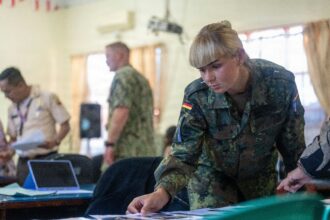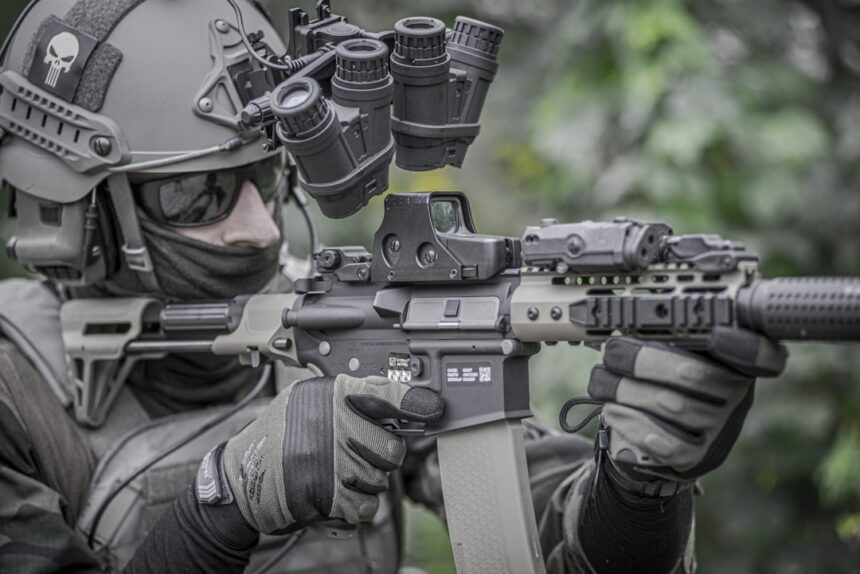
The world often sees the culmination of extraordinary efforts: the successful rescue of hostages, the dismantling of a terrorist cell, the retrieval of critical intelligence. These are the lauded moments, the victories etched into the public consciousness. Yet, behind these headline-grabbing achievements lies a vast, intricate, and largely invisible machinery. This is the realm of covert operations, a domain where the shadows are the preferred working environment and success is often defined by the absence of any discernible trace. To understand these special missions is to peel back layers of secrecy, to glimpse a hidden system that operates with precision, dedication, and a profound understanding of the human element, amplified by cutting-edge technology.
The genesis of any covert operation is not a sudden surge of adrenaline, but a meticulous, often painstaking, process of intelligence gathering and strategic planning. Before boots even touch the ground, before a single cable is transmitted, an immense amount of information must be collected, analyzed, and weaponized. This foundational stage is crucial, determining the viability and eventual success of the entire endeavor.
The Unseen Eyes and Ears: The Intelligence Cycle
The bedrock of all special missions is intelligence. This is not the news report that arrives on your television screen; it is the raw, unvarnished data, gathered from a multitude of sources, painstakingly verified, and then disseminated to those who need to know.
HUMINT: The Human Element in Espionage
Human Intelligence (HUMINT) remains the quintessential source of covert information. It involves cultivating and managing sources within target organizations or societies. This can range from a high-level informant with access to classified information to a low-level operative providing ground truth. The ability to build trust, assess trustworthiness, and extract information subtly is paramount. The psychological profiles of potential sources, their motivations, and their vulnerabilities are all carefully studied. The recruitment and handling of these individuals are highly sensitive processes, often involving elaborate tradecraft to maintain their anonymity and security, as well as that of the intelligence agency.
SIGINT: The Symphony of Signals
Signals Intelligence (SIGINT) plays an increasingly vital role. This encompasses the interception and analysis of electronic communications, radar signals, and other electromagnetic emanations. Advanced technology allows for the monitoring of vast swathes of data, from encrypted diplomatic cables to the chatter of enemy combatants. Sophisticated algorithms and artificial intelligence are employed to sift through this deluge, identifying patterns, extracting keywords, and even reconstructing fragmented messages. The ability to intercept, decrypt, and understand these signals in near real-time can provide invaluable tactical and strategic advantages.
OSINT: The Publicly Available Goldmine
Open Source Intelligence (OSINT) might seem counterintuitive in a discussion of covert operations, but its importance cannot be overstated. Information readily available to the public – news articles, social media posts, academic papers, satellite imagery, even shipping manifests – can, when meticulously aggregated and analyzed, reveal critical insights. Covert operatives are adept at piecing together disparate pieces of publicly accessible information to form a coherent picture, often exposing hidden connections or intentions.
GEOINT: Mapping the Operational Landscape
Geospatial Intelligence (GEOINT) provides the crucial context for any operation. Satellite imagery, aerial reconnaissance, and other geospatial data allow operatives to map terrain, identify key infrastructure, track troop movements, and understand the physical environment in which a mission will take place. This data is vital for mission planning, route selection, identifying potential hazards, and even assessing the impact of an operation.
The Crucible of Strategy: Mission Design and Risk Assessment
Once a sufficient body of intelligence has been amassed, the planning phase truly intensifies. This is where raw data is transformed into a viable operational plan.
Defining Objectives: The “Why” of the Mission
Every covert operation has a clear, defined objective. This could be anything from preventing an imminent attack to acquiring a piece of sensitive technology or disrupting an enemy’s supply chain. The objectives are not abstract; they are concrete, measurable, and directly linked to national security interests. The “why” dictates the “what,” “how,” “when,” and “where” of the operation.
Scenario Planning: Envisioning Every Eventuality
The planning process involves extensive scenario planning. Teams of experts will brainstorm potential challenges, obstacles, and contingencies. This includes considering the actions of adversaries, the possibility of unintended consequences, and the need for flexibility. Every conceivable outcome, from outright success to catastrophic failure, is considered, and contingency plans are developed accordingly.
Risk Mitigation: Balancing Boldness with Prudence
Covert operations, by their very nature, are inherently risky. A critical component of the planning phase is risk assessment and mitigation. This involves identifying all potential threats, both to the operatives and to the mission’s objectives, and devising strategies to minimize those risks. This can include developing countermeasures, establishing fallback positions, and incorporating escape and evasion protocols. The ultimate goal is to achieve the objective with the lowest possible risk profile.
The intricate and often covert nature of special operations missions is a subject of great interest to military analysts and enthusiasts alike. For those looking to delve deeper into the hidden systems that support these operations, a related article can be found at In the War Room. This piece explores the strategic frameworks and logistical networks that enable elite forces to execute their objectives with precision and effectiveness, shedding light on the complexities behind the scenes.
The Art of Invisibility: Personnel Selection and Training
The success of any covert operation hinges on the quality of the individuals tasked with executing it. These are not ordinary soldiers or agents; they are individuals honed to a razor’s edge of skill, resilience, and discretion. The selection and training process is as rigorous and demanding as the operations themselves.
The Unconventional Recruit: Identifying the Right Stuff
The recruitment process for covert operatives is a closely guarded secret. It goes beyond traditional military or intelligence recruitment channels.
The Psychological Profile: Beyond Physical Prowess
While physical fitness and combat proficiency are essential, the psychological profile of a covert operative is paramount. They must possess an exceptional level of emotional intelligence, the ability to remain calm under extreme pressure, and a deep-seated sense of loyalty and discretion. Adaptability, resourcefulness, and a strong moral compass, even when operating in morally ambiguous situations, are also key indicators.
The “Ghost” Persona: Blending In and Standing Out
Operatives must possess the uncanny ability to both blend seamlessly into any environment and, when necessary, to stand out with charisma and authority. This chameleon-like quality allows them to infiltrate target groups, gain access to restricted areas, and manipulate situations without raising suspicion.
The Crucible of Competence: Immersive and Specialized Training
Once selected, operatives undergo a period of intense, specialized training that prepares them for the unique demands of covert operations.
Tradecraft Mastery: The Language of Secrecy
Tradecraft refers to the specialized skills and techniques used in espionage and covert operations. This includes surveillance and counter-surveillance, dead drops, clandestine communication methods, disguise, forgery, and the art of evasion. Operatives spend years mastering these skills, practicing them in simulated environments until they become second nature.
Language and Cultural Immersion: Bridging Divides
To operate effectively in foreign territories, operatives must possess a deep understanding of local languages and cultures. This goes beyond basic fluency; it involves understanding cultural nuances, social customs, and even unspoken hierarchies. Immersion programs, often involving living with local communities, are crucial for developing this crucial cultural competency.
Technical Proficiency: The Human-Machine Interface
Modern covert operations are inextricably linked to technology. Operatives are trained in the use of advanced surveillance equipment, secure communication devices, cyber tools, and even specialized weaponry. The ability to effectively employ and maintain this technology, often in hostile environments, is a critical component of their skillset.
The Architect’s Blueprint: Operational Execution and Technology Integration
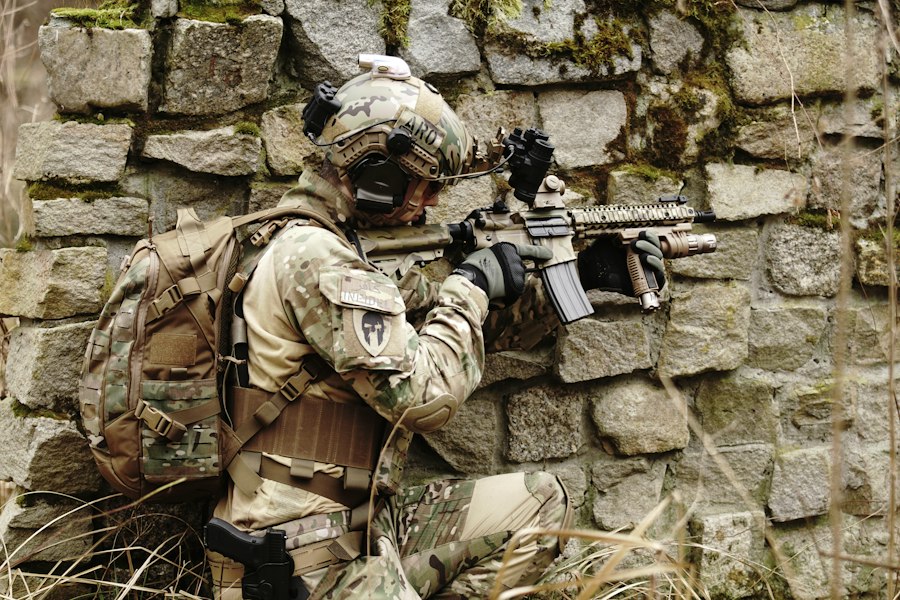
Once the plan is laid and the operatives are prepared, the execution of a covert operation begins. This is where the meticulously crafted blueprint is brought to life, often relying on a sophisticated interplay of human skill and cutting-edge technology.
The Dance of Deception: Infiltration and Exfiltration
The most critical phases of any covert operation are often the entry into and exit from the operational area.
Cover Stories and Authenticity: The Art of the Believable
Every operative operating in a covert capacity must have a plausible cover story. This isn’t just a name and a profession; it’s a fully developed persona, complete with a history, relationships, and even supporting documentation. The ability to maintain this persona consistently, even under intense scrutiny, is essential for success.
The Network Effect: Leveraging Assets on the Ground
Covert operations rarely happen in a vacuum. Operatives often rely on a network of pre-established assets and contacts within the target environment. These individuals, who may or may not be aware of the full scope of the operation, provide crucial logistical support, local knowledge, and access to vital resources.
The Digital Backbone: Technological Augmentation
Technology serves as an indispensable force multiplier in modern covert operations.
Advanced Surveillance and Reconnaissance Tools: Seeing the Unseen
From miniature drones equipped with high-resolution cameras to sophisticated listening devices and ground-penetrating radar, technology enables operatives to gather intelligence and monitor their surroundings without revealing their presence. These tools provide an unparalleled situational awareness, allowing for real-time adjustments and informed decision-making.
Secure and Encrypted Communications: Whispers in the Digital Age
Maintaining secure communication channels is paramount in covert operations. Operatives utilize advanced encryption protocols and specialized devices that make their communications virtually untraceable. This ensures that sensitive information remains confidential and that adversaries cannot intercept critical plans or intelligence.
Cyber Warfare and Electronic Countermeasures: The Invisible Battlefield
The digital realm has become a crucial battleground. Covert operatives may engage in cyber-attacks to disrupt enemy infrastructure, extract data, or sow confusion. Conversely, they must also be adept at employing electronic countermeasures to protect their own communications and systems from enemy infiltration.
The Shadow Play: Handling Complications and Contingencies
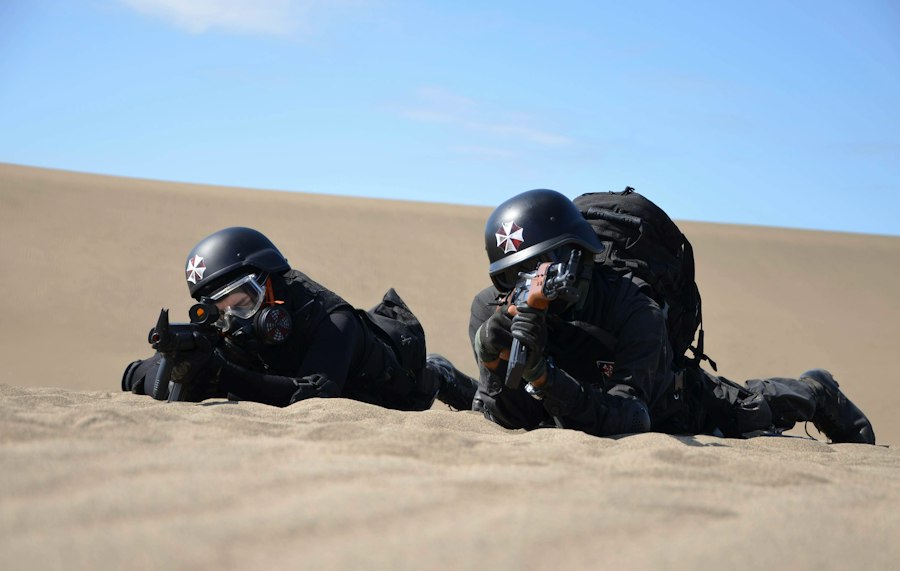
Despite the most meticulous planning, covert operations are inherently unpredictable. The ability to adapt, improvise, and manage unforeseen complications is a hallmark of successful operatives and their supporting systems.
The Unforeseen Encounter: Navigating Unexpected Threats
The operational environment is rarely static. Operatives may encounter unexpected security patrols, civilian interference, or even direct confrontation with adversaries.
Improvisation and Adaptability: Thinking on Your Feet
When plans go awry, operatives must be able to think quickly and improvise solutions. This requires a deep understanding of their capabilities, the available resources, and the potential consequences of their actions. The ability to adapt to rapidly changing circumstances can mean the difference between success and failure.
De-escalation and Evasion: The Art of Avoiding Conflict
Whenever possible, covert operatives are trained to avoid direct confrontation. De-escalation techniques, misdirection, and swift evasion are preferred methods for disengaging from dangerous situations without compromising the mission or revealing their true identities.
The “What If” Scenarios: Contingency and Extraction
Contingency planning is not just about preventing problems; it’s also about having a robust plan for when problems inevitably arise.
Emergency Extraction Protocols: The Escape Route
Should an operative be compromised or find themselves in an untenable situation, well-rehearsed emergency extraction protocols come into play. These are pre-defined routes, rendezvous points, and communication signals designed to safely extract operatives from hostile territory, often under immense pressure.
Deniability and Plausible Absence: The Art of Disappearing
A crucial aspect of covert operations is maintaining deniability for the sponsoring agency. This means ensuring that if an operation goes wrong, there is no clear link back to the individuals or organization that initiated it. This often involves meticulous destruction of evidence, the use of cut-outs, and the cultivation of alternative narratives.
The intricate and often clandestine world of special operations missions is a subject of great interest, revealing the hidden systems that support these elite forces. For those looking to delve deeper into this topic, an insightful article can be found at In the War Room, which explores the strategies and technologies that underpin successful operations. Understanding these elements not only sheds light on the missions themselves but also highlights the extensive planning and coordination required to execute them effectively.
The Echoes in the Silence: Post-Operation Analysis and Lessons Learned
| Metric | Description | Typical Value | Unit |
|---|---|---|---|
| Mission Duration | Average length of special operations missions | 6-72 | Hours |
| Operational Secrecy Level | Degree of confidentiality maintained | Top Secret / Compartmented | Classification |
| Personnel Involved | Number of operatives typically deployed | 4-12 | Individuals |
| Support Systems | Number of supporting technologies and systems used | 5-15 | Systems |
| Communication Security | Encryption strength for mission communications | AES-256 / Quantum-resistant | Encryption Standard |
| Intelligence Sources | Types of intelligence integrated | HUMINT, SIGINT, IMINT | Categories |
| Extraction Time | Time required to safely extract operatives | 30-90 | Minutes |
| Success Rate | Percentage of missions achieving objectives | 85-95 | Percent |
The conclusion of a covert operation is not an end point but a crucial phase of reflection and learning. The analysis of what transpired, the successes, and the failures, is vital for the continuous improvement of the system.
The Debriefing Process: Extracting the Unseen Insights
Once operatives have returned to safety, a thorough debriefing process commences. This is where the unvarnished reality of the operation is brought to light.
Objective Assessment: Beyond the Headlines
Debriefings are designed to move beyond the emotional highs and lows of the mission and provide an objective assessment of its execution. Every detail, from the effectiveness of the equipment to the accuracy of the intelligence, is scrutinized.
Identifying Strengths and Weaknesses: Refining the System
The debriefing process aims to identify what worked well and what could have been improved. This feedback loop is essential for refining existing procedures, developing new training methodologies, and enhancing the overall effectiveness of covert operations.
The Evolution of Secrecy: Adapting to a Changing World
The landscape of covert operations is constantly evolving, driven by technological advancements, geopolitical shifts, and the ingenuity of adversaries.
Technological Integration and Innovation: Staying Ahead of the Curve
The analysis of each operation informs future technological investments and the development of new capabilities. The constant pursuit of cutting-edge technology is essential to maintain an advantage in the clandestine arena.
Ethical Considerations and Oversight: The Moral Compass
While operating in the shadows, the ethical implications and oversight of covert operations remain critical. The analysis phase includes a review of adherence to legal frameworks and ethical guidelines, ensuring that operations are conducted responsibly and with appropriate accountability mechanisms in place. The hidden system behind special missions is a testament to human ingenuity, meticulous planning, and the unwavering dedication of individuals who operate where the light does not reach. It is a testament to the understanding that sometimes, the most impactful actions are those that are never seen.
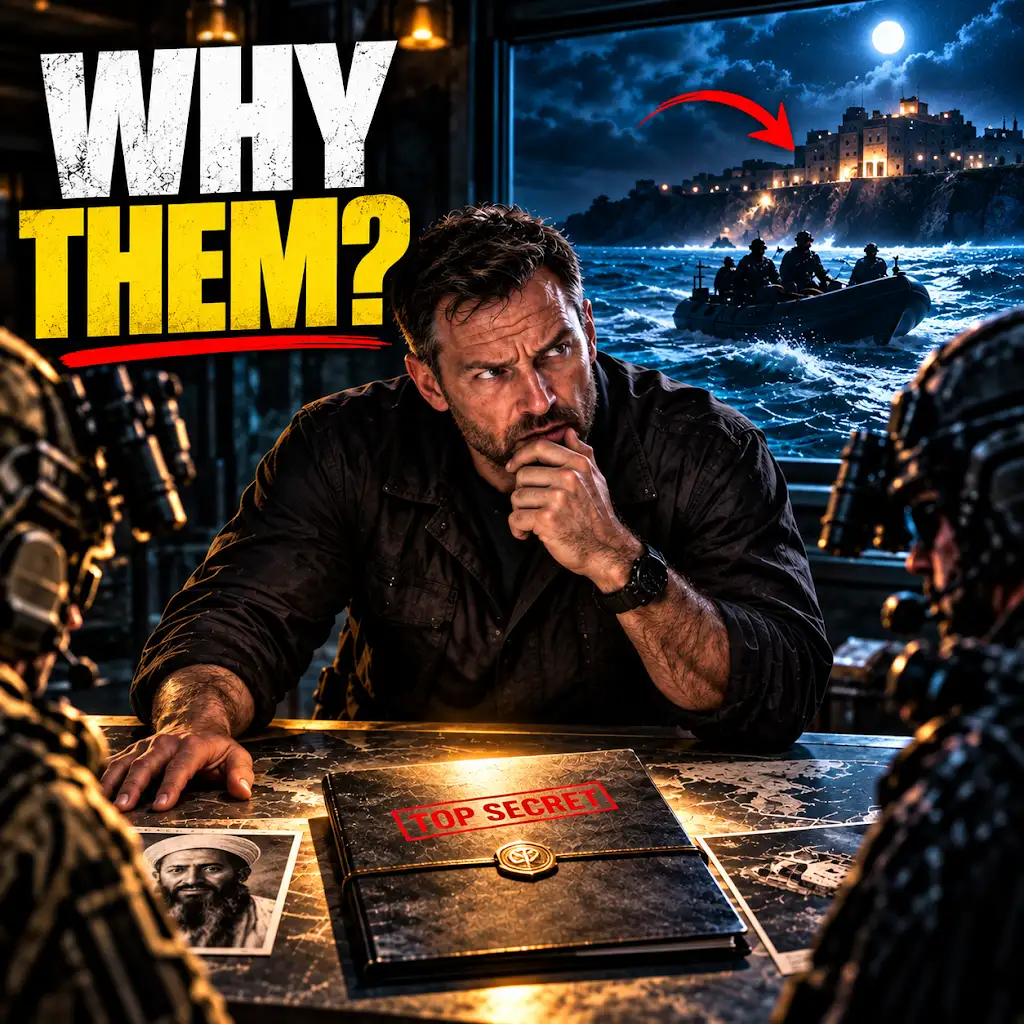
Why SEAL Team Six Got the Bin Laden Raid — Not Delta Force
FAQs
What is the hidden system behind special operations missions?
Special operations missions are supported by a complex system of intelligence gathering, planning, logistics, and execution that is often kept classified to maintain operational security.
How are special operations missions planned and executed?
Special operations missions are meticulously planned by elite military units, intelligence agencies, and other government entities. These missions involve detailed intelligence gathering, strategic planning, and precise execution to achieve their objectives.
What role does technology play in special operations missions?
Technology plays a crucial role in special operations missions, providing advanced tools for intelligence gathering, communication, surveillance, and precision strikes. Special operations units often utilize cutting-edge equipment and technology to enhance their capabilities on the battlefield.
Who is involved in the coordination of special operations missions?
Special operations missions require close coordination between various military branches, intelligence agencies, government departments, and sometimes even international partners. Special operations units work closely with these entities to ensure the success of their missions.
How are special operations missions different from conventional military operations?
Special operations missions are characterized by their high level of secrecy, specialized training, and unconventional tactics. These missions are often conducted in small teams, with a focus on achieving specific objectives with minimal detection. Conventional military operations, on the other hand, involve larger forces and more traditional tactics.