Special Mission Unit Deployment: Tactics and Strategies
The deployment of Special Mission Units (SMUs) represents a highly specialized and meticulously planned facet of modern military and law enforcement operations. These elite units are designed for scenarios demanding exceptional skill, discretion, and the capacity to operate in high-stakes environments where conventional forces may be ill-suited or unable to achieve objectives. Their tactical and strategic approaches are a complex interplay of advanced training, cutting-edge technology, and a profound understanding of human psychology and operational dynamics. The success of an SMU deployment hinges not only on the individual proficiency of its operators but also on the comprehensive strategic framework within which their missions are conceived and executed.
The initial phase of any SMU deployment is a rigorous assessment and deep understanding of the operational environment. This is not a superficial analysis; it is a granular examination of every factor that could influence mission success or failure.
Intelligence Gathering and Analysis
- HUMINT Dominance: While technological assets are crucial, human intelligence (HUMINT) remains the cornerstone for SMUs. Agents and sources embedded within the target environment provide invaluable insights into local dynamics, key personalities, enemy disposition, and potential pitfalls. The reliability and depth of HUMINT directly shape tactical decisions.
- SIGINT and OSINT Synergy: Signals intelligence (SIGINT) intercepts and open-source intelligence (OSINT) gathered from public domains complement HUMINT. This fusion of data allows for cross-validation and a more comprehensive understanding of communication networks, propaganda efforts, and the broader societal context.
- Predictive Analysis and Threat Assessment: SMUs employ sophisticated analytical tools to not only identify current threats but also to predict future actions and vulnerabilities of adversaries. This foresight enables proactive planning and the development of preemptive strategies.
- Cultural and Sociopolitical Context: A critical, yet often overlooked, aspect is understanding the cultural nuances, political landscape, and sociopolitical dynamics of the area of operations. Misinterpreting these factors can lead to unintended consequences, alienating local populations, or provoking unforeseen resistance.
Terrain and Environmental Reconnaissance
- Detailed Mapping and Visualization: Beyond standard mapping, SMUs utilize advanced geospatial intelligence (GEOINT) to create detailed 3D models of the operational area. This includes understanding elevation, vegetation cover, potential ingress/egress routes, and concealment opportunities.
- Environmental Factors Assessment: Weather patterns, local flora and fauna, and the impact of natural disasters are all factored into mission planning. Extreme heat, dense jungle, or mountainous terrain can significantly influence equipment choices, movement strategies, and operational timelines.
- Human Geography and Infrastructure: The presence and disposition of civilian populations, critical infrastructure (power grids, communication nodes, transportation hubs), and potential safe havens or refuge areas are meticulously mapped and analyzed.
Special mission units are often deployed in highly classified operations that require precision and expertise, as highlighted in a related article on the complexities of their deployment strategies. These elite forces are trained to handle a variety of scenarios, from counter-terrorism to hostage rescue, and their operations are meticulously planned to ensure mission success while minimizing risks. For a deeper understanding of the intricacies involved in their deployment, you can read more in this insightful article at In the War Room.
Tactical Planning and Execution
Once the operational environment is thoroughly understood, tactical planning commences, focusing on precision, adaptability, and minimizing collateral damage.
Mission Objective Definition and Prioritization
- SMART Objectives: Mission objectives are defined using the SMART criteria: Specific, Measurable, Achievable, Relevant, and Time-bound. This ensures clarity and prevents scope creep.
- Phased Objectives: Complex missions are often broken down into smaller, sequential objectives. Each phase can be independently assessed, and if necessary, the mission can be aborted or adapted without compromising the overall goal.
- Contingency Planning (Redundancy): Multiple contingency plans are developed for every conceivable scenario, including mission failure, unexpected enemy contact, or compromised exfiltration. Redundancy in planning ensures that the unit can react effectively to unforeseen circumstances.
Infiltration and Exfiltration Strategies
- Multi-Modal Infiltration: SMUs employ a diverse range of infiltration methods, depending on the mission and environment. This can include HALO/HAHO (High Altitude-Low Opening/High Altitude-High Opening) parachute jumps, submersible insertion, discreet overland movement, or even utilizing civilian transportation networks.
- Covert Insertion Techniques: Stealth is paramount. Techniques range from low-observable approaches using advanced camouflage and noise reduction to sophisticated deception operations designed to mask the unit’s presence.
- Exfiltration Protocols: Exfiltration is planned with the same rigor as infiltration. This can involve pre-arranged pickup points, emergency rendezvous, or self-extraction routes. The ability to egress unseen and without detection is as critical as the initial insertion.
- Environmental Adaptation: Infiltration and exfiltration plans are constantly adapted based on real-time intelligence regarding enemy patrols, surveillance capabilities, and local population activity.
Engagement and Action Protocols
- Rules of Engagement (ROE) Nuances: SMUs operate under highly restrictive and often complex Rules of Engagement. These are not static but are tailored to the specific mission, often emphasizing de-escalation, minimal force, and the protection of non-combatants.
- Precision Strike Capabilities: When engagement is unavoidable, SMUs are trained for precision. This involves the use of specialized weaponry and tactics designed to neutralize threats with minimal collateral damage and maximum effectiveness.
- Non-Lethal Options: The preference is often for non-lethal solutions. This includes a range of specialized equipment and techniques for apprehension, incapacitation, and control of individuals or groups.
- Dynamic Targeting: The ability to rapidly identify, track, and neutralize emergent threats in real-time is a hallmark of SMU operations. This requires exceptional situational awareness and rapid decision-making capabilities.
Technology Integration and Support
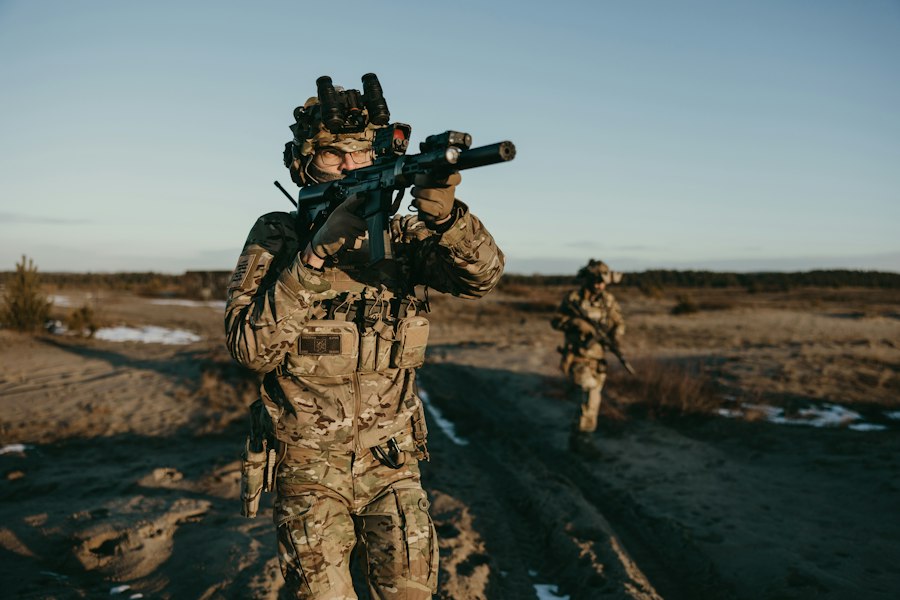
Technology plays a pivotal role in enhancing the capabilities and effectiveness of SMU deployments, from advanced communication to sophisticated surveillance.
Communications and Networking
- Secure and Encrypted Networks: Maintaining secure and redundant communication channels is vital. SMUs utilize highly encrypted satellite communications, tactical radios, and secure data links to ensure that information is transmitted without interception.
- Mesh Networking and Ad Hoc Systems: In environments where traditional infrastructure is absent or compromised, SMUs can establish their own ad hoc communication networks, allowing for seamless data sharing and coordination among team members.
- Real-Time Data Dissemination: The ability to transmit and receive real-time intelligence, sensor data, and situational updates is crucial for dynamic operational environments.
Surveillance and Reconnaissance Technology
- Unmanned Systems (UAVs/UASs): Drones and unmanned aerial systems provide invaluable real-time aerial reconnaissance, surveillance, and even precise strike capabilities. These can range from small, hand-launched units for close-in reconnaissance to larger, more sophisticated platforms.
- Sensor Fusion and Analysis: Advanced sensors, including thermal imaging, lidar, and acoustic sensors, are integrated into a cohesive system. Data from these sensors is fused and analyzed by specialized personnel to provide a comprehensive picture of the operational area.
- Cyber and Electronic Warfare Capabilities: In certain scenarios, SMUs may employ sophisticated cyber and electronic warfare capabilities to disrupt enemy communications, disable surveillance systems, or gain access to critical information networks.
Specialized Equipment and Munitions
- Advanced Weaponry: SMUs are equipped with a range of specialized firearms and non-lethal weapons, often modified for specific operational needs. This can include silenced weapons, precision-guided munitions, and specialized breaching tools.
- Personal Protective Equipment (PPE): Cutting-edge body armor, advanced helmets with integrated communication and visual aids, and specialized environmental suits are standard issue, designed to maximize operator survivability and operational effectiveness.
- Medical and Survival Gear: Compact and highly advanced medical kits, survival equipment, and even portable medical diagnostic tools are carried by operators, ensuring their ability to sustain themselves and treat injuries in austere environments.
Human Factors and Team Dynamics
The success of an SMU deployment is intrinsically linked to the human element, emphasizing rigorous selection, specialized training, and the cultivation of exceptional team cohesion.
Selection and Training Regimens
- Psychological Screening and Assessment: Beyond physical prowess, rigorous psychological evaluations are conducted to identify individuals with the mental fortitude, emotional resilience, and decision-making capabilities required for high-stress operations.
- Intense Physical Conditioning: Operators undergo unparalleled physical training regimens designed to build endurance, strength, and the capacity to operate in extreme conditions for extended periods.
- Specialized Skill Development: Training encompasses a vast array of specialized skills, including advanced marksmanship, close-quarters combat, urban warfare, survival, medical trauma care, and the operation of specialized equipment.
- Scenario-Based Training: Training is heavily scenario-based, simulating real-world operational environments and challenges, pushing operators to their limits and honing their ability to react effectively under pressure.
Team Cohesion and Leadership
- Small Unit Tactics: SMUs typically operate in small, highly integrated teams. Mastery of small unit tactics, where each member understands their role and the roles of their comrades, is paramount.
- Mutual Trust and Reliance: The bonds of trust and reliance forged during intense training are critical. Operators must have absolute faith in their teammates’ abilities and judgment.
- Adaptable Leadership: Leadership within SMUs is characterized by adaptability and empowerment. Leaders must be capable of making rapid decisions under immense pressure while also fostering initiative and decentralized execution within the team.
- After-Action Reviews (AARs) and Continuous Improvement: A critical component of SMU operations is the meticulous post-mission analysis. AARs identify lessons learned, highlighting both successes and failures to refine tactics, techniques, and procedures (TTPs) for future deployments.
Special mission units are often deployed in high-stakes situations that require precision and expertise, making their operational strategies a topic of great interest. For an in-depth exploration of how these elite forces are utilized in various missions, you can read more in this insightful article on special mission units. Their training and deployment strategies are crucial for the success of covert operations, and understanding these elements can provide valuable context for their role in modern warfare. To learn more about their deployment tactics, visit this article.
Post-Mission Operations and Analysis
| Deployment Aspect | Description | Typical Metrics | Example Units |
|---|---|---|---|
| Mission Type | Nature of the operation (e.g., direct action, reconnaissance, counterterrorism) | Percentage of missions by type | Delta Force, Navy SEALs, SAS |
| Deployment Duration | Length of time units are deployed in the field | Average deployment length (days/weeks) | 6-12 weeks typical for overseas operations |
| Force Size | Number of personnel deployed per mission | Team size (4-12 operators) | Small teams for covert ops, larger for direct action |
| Insertion Methods | Techniques used to enter operational areas | Percentage use of air, sea, land insertions | Helicopter, parachute, submarine, ground vehicles |
| Support Elements | Additional assets supporting the mission | Ratio of support personnel to operators | Intelligence, logistics, medical, air support |
| Operational Secrecy | Level of confidentiality maintained during deployment | Classified or unclassified mission status | High secrecy for covert missions |
| Geographic Deployment | Regions where units are commonly deployed | Percentage of missions by region | Middle East, Africa, Eastern Europe |
The conclusion of an SMU deployment is not the end of the operational cycle; it involves critical post-mission activities to ensure debriefing, intelligence dissemination, and the perpetuation of lessons learned.
Debriefing and Intelligence Exploitation
- Comprehensive Debriefing: Operators undergo extensive debriefing sessions, providing detailed accounts of their actions, observations, and any encountered challenges. This information is crucial for understanding the full scope of the mission.
- Intelligence Fusion and Dissemination: The intelligence gathered during the mission, combined with operator debriefings, is analyzed and integrated into broader intelligence assessments. This information is then disseminated to relevant agencies and commands.
- Evidence Collection and Preservation: If the mission involved the apprehension of individuals or the collection of evidence, meticulous protocols are followed for its secure collection, preservation, and chain of custody.
Lessons Learned and Operational Refinement
- TTP Development and Revision: The insights gained from post-mission analysis are used to refine and develop new Tactics, Techniques, and Procedures (TTPs). This ensures that SMUs remain at the forefront of operational effectiveness.
- Equipment and Technology Review: Post-mission evaluations also assess the performance of equipment and technology. This informs procurement decisions and drives innovation in the development of new operational tools.
- Training Program Adjustments: Identified weaknesses or areas for improvement in operator performance are fed back into training programs, ensuring that future operators are better prepared for the evolving challenges of SMU deployments.
- Strategic Impact Assessment: The long-term strategic impact of the mission is assessed. This involves evaluating whether the operation achieved its intended strategic objectives and considering any unintended consequences.
In conclusion, the deployment of Special Mission Units is a testament to the intricate planning, specialized training, and technological sophistication required to address the most challenging security threats. Their success is a delicate balance of precise tactical execution, adaptive strategic thinking, and the unwavering dedication of highly skilled individuals operating as a cohesive unit. The continuous cycle of intelligence gathering, rigorous planning, technology integration, human development, and post-mission analysis ensures that these elite forces remain a potent and adaptable instrument in the global security landscape.
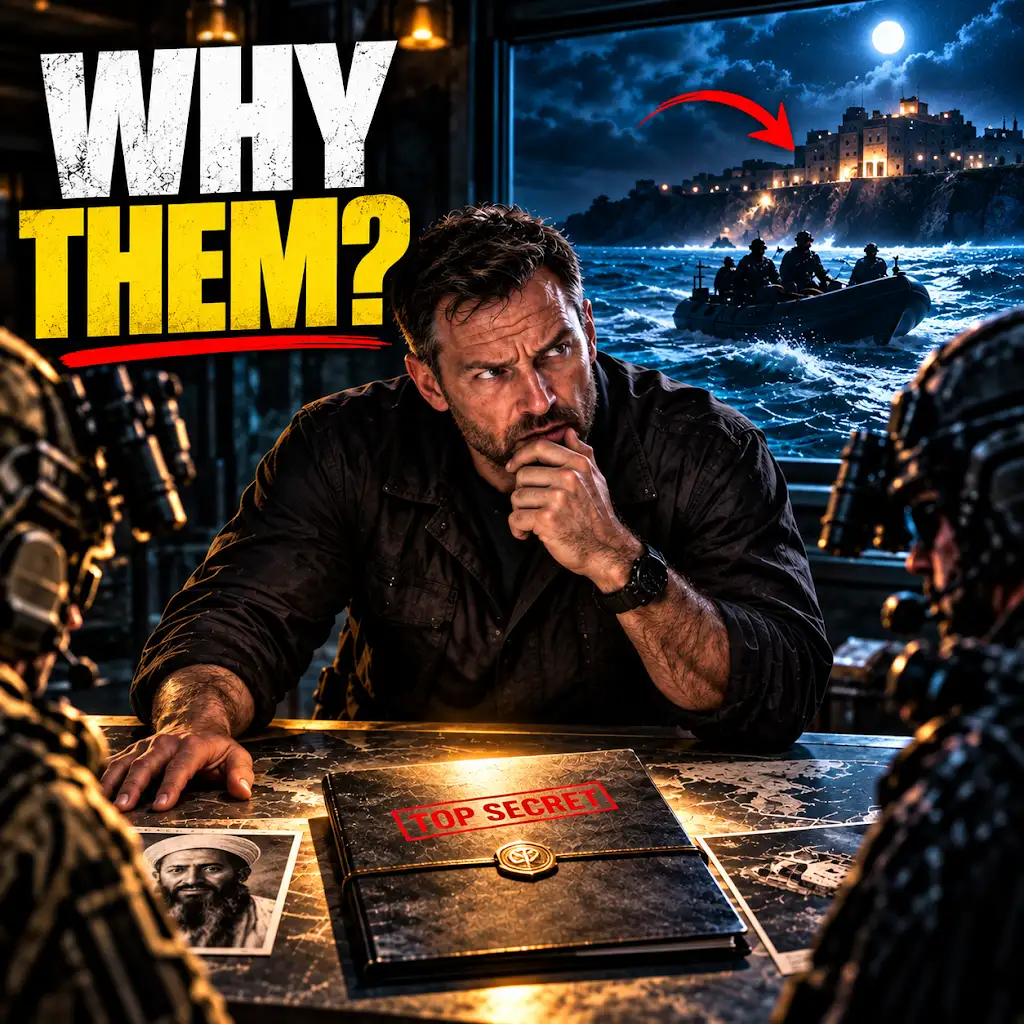
Why SEAL Team Six Got the Bin Laden Raid — Not Delta Force
FAQs
What are special mission units?
Special mission units are elite military forces that are specially trained and equipped to carry out high-risk and specialized missions, such as counter-terrorism operations, hostage rescues, and reconnaissance missions.
How are special mission units deployed?
Special mission units are typically deployed using a variety of methods, including air assault, helicopter insertion, parachute drops, and vehicle insertions. The method of deployment depends on the specific mission requirements and the operational environment.
What kind of training do special mission units undergo?
Special mission units undergo rigorous and specialized training in areas such as marksmanship, close-quarters combat, hostage rescue tactics, and specialized equipment operation. They also train extensively in teamwork, communication, and mission planning.
What are some examples of special mission units?
Examples of special mission units include the United States Army’s Delta Force, the Navy SEALs, the British Special Air Service (SAS), and the Russian Spetsnaz. These units are among the most elite and highly trained special operations forces in the world.
What are the key characteristics of special mission units?
Special mission units are known for their high level of training, professionalism, adaptability, and ability to operate in extreme and high-stress environments. They are also known for their secrecy and ability to carry out missions with precision and speed.