The Battle of the Bulge, a desperate gamble by Nazi Germany in the winter of 1944-1945, stands as a stark testament to the crucible of warfare. While the immense courage and sacrifice of the common soldier are rightly lauded, the strategic decisions and leadership of the Allied generals played an equally pivotal, if sometimes contentious, role in the eventual Allied victory. Their initial surprise, subsequent reactive measures, and ultimately their coordinated counteroffensive determined the fate of this pivotal engagement. This article will delve into the multifaceted contributions of these Allied commanders, examining their strengths, weaknesses, and the critical decisions that shaped the course of the Battle of the Bulge.
The initial phase of the Battle of the Bulge was marked by a significant intelligence failure on the part of the Allied command. Despite numerous reports and indicators, a profound complacency had settled over the Western Front. The relentless Allied advance after D-Day had led many to believe the German war machine was on its last legs, incapable of mounting such a large-scale offensive. This underestimation, coupled with the German army’s remarkable secrecy and deception, created the perfect storm for a devastating surprise attack.
The Unheeded Whispers of Discontent
Even before the offensive was launched, intelligence agencies had gathered fragments of information that, in retrospect, painted a worrying picture. German troop movements, increased radio traffic, and reports of unusual logistical preparations in the Ardennes region were noted. However, these individual pieces of intelligence were not effectively collated or interpreted as a cohesive threat by the highest levels of command. The prevailing optimism and the belief that the Germans were solely on the defensive contributed to the dismissal of these warnings.
The Intelligence Gap and its Consequences
The primary intelligence failure stemmed from a lack of a comprehensive understanding of German capabilities and intentions. The German Seventh Army and Fifth Panzer Army, previously weakened and considered ineffective, were secretly rebuilt and amassed for the offensive. Allied aerial reconnaissance, crucial for monitoring enemy movements, was hampered by poor weather conditions during the critical period leading up to the attack. This weather also played a significant role in grounding Allied aircraft, which would have been instrumental in disrupting German supply lines and troop concentrations. The lack of foresight and the failure to connect disparate intelligence dots left the Allied forces exposed and vulnerable.
The Battle of the Bulge was a significant turning point in World War II, showcasing the strategic prowess of Allied generals such as Dwight D. Eisenhower and George S. Patton. For a deeper understanding of the leadership and tactics employed during this pivotal battle, you can explore a related article that delves into the decisions made by these military leaders. To read more, visit this article.
The Shockwave of the Ardennes Offensive: Initial Responses and Commanders Under Pressure
When the German offensive broke through on December 16, 1944, it unleashed a shockwave that reverberated through the Allied command structure. The initial response was characterized by confusion, disarray, and a desperate struggle to contain the rapidly advancing German spearheads. Commanders found themselves thrust into crisis management, forced to make rapid decisions with limited information and under immense pressure.
General Eisenhower’s Strategic Grasp
Supreme Allied Commander General Dwight D. Eisenhower, while initially caught off guard, demonstrated remarkable composure and strategic acumen in the face of the crisis. His immediate priority was to halt the German advance and prevent them from reaching their objective: Antwerp. Eisenhower’s decision to release strategically held reserves, including the American 7th Armored Division and the British XXX Corps, was crucial in reinforcing critical defensive positions. He also displayed a willingness to delegate authority to his subordinate commanders, trusting them to execute his directives effectively.
General Bradley’s Defensive Imperative
Lieutenant General Omar Bradley, commander of the Twelfth Army Group, found his forces bearing the brunt of the initial German assault. His primary objective shifted from offensive operations to establishing a cohesive defense and preventing a complete collapse of the American front. Bradley, known for his meticulous planning and defensive prowess, worked to consolidate his lines, redeploying units to plug the gaps created by the German breakthrough. His leadership was essential in maintaining troop morale and preventing panic as the situation deteriorated.
General Patton’s Legendary Pivot
Perhaps the most celebrated response to the initial shock was General George S. Patton Jr.’s audacious and lightning-fast redeployment of his Third Army. Tasked with attacking eastwards in Lorraine, Patton was ordered to turn his army north to relieve the besieged 101st Airborne Division at Bastogne. His ability to execute this complex maneuver, often referred to as the “Patton Switch,” in harsh winter conditions and within a matter of days, was a testament to his logistical genius and the fighting spirit of his troops. Patton’s arrival at Bastogne not only boosted the morale of the surrounded defenders but also effectively blunted the German advance in the south.
The Crucible of Defense: Holding the Line and Key Defensive Battles
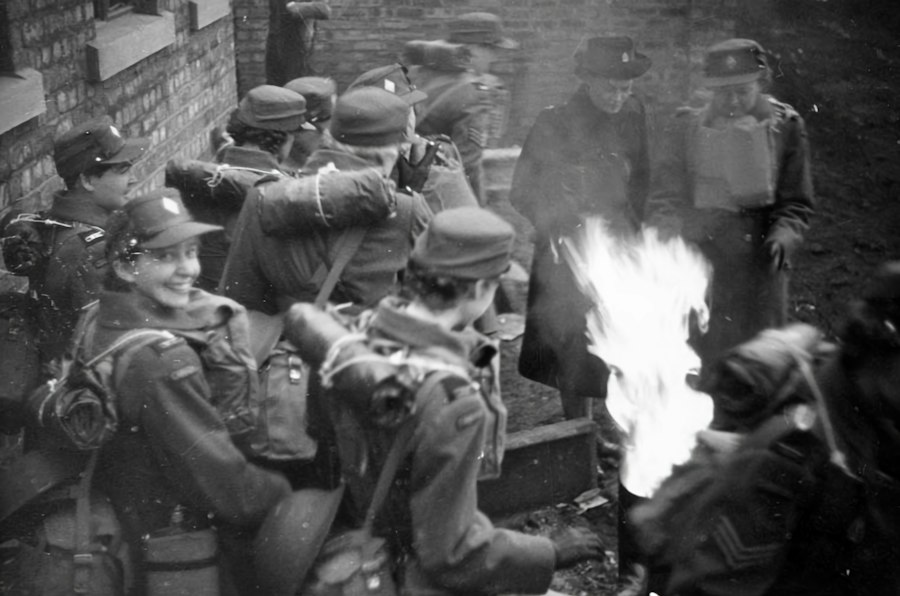
While the initial Allied response was reactive, the subsequent phase of the Battle of the Bulge was defined by the tenacious defense mounted by Allied soldiers, often under the direct leadership of their field commanders. These commanders faced immense challenges in holding crucial defensive positions against a determined and still dangerous enemy.
The Stand at Bastogne: A Symbol of Resistance
The defense of Bastogne by the 101st Airborne Division, under the command of Brigadier General Anthony McAuliffe, became a legendary symbol of Allied resolve. Cut off and surrounded, McAuliffe’s famous one-word reply of “NUTS!” to a German surrender demand encapsulated the spirit of defiance. Commanders like Brigadier General Gerald L. Higgins and Colonel Harry A. Malony played crucial roles in organizing the desperate defense of the town, utilizing every available resource to hold out against repeated German assaults. The defense of Bastogne, though costly, denied the Germans a vital logistical hub and allowed Allied forces to regroup and launch their counteroffensive.
The Battle for Elsenborn Ridge: A Crucial Bulwark
Elsenborn Ridge, a strategically vital elevated position overlooking the main German advance routes, became the scene of some of the fiercest fighting. Commanders such as Major General Leonard T. Gerow, commanding the V Corps, and his subordinate commanders were instrumental in organizing the defense of this critical terrain. Units of the 2nd and 99th Infantry Divisions, despite being outnumbered and facing relentless attacks, fought with incredible tenacity to deny the Germans passage. The prolonged and bloody struggle for Elsenborn Ridge proved to be a significant turning point, bleeding the German offensive of its momentum and critical resources.
The Role of Brigadier General Robert C. Williams
Brigadier General Robert C. Williams, commander of the 30th Infantry Division, also played a vital role in the defense of the northern shoulder of the German penetration. His division, positioned to the north of the main German thrust, engaged in fierce defensive battles, often in coordination with other Allied units. Williams’ leadership was crucial in coordinating artillery support and reinforcing threatened sectors, contributing to the containment of the German advance.
The Tide Turns: Allied Counteroffensives and Strategic Coordination
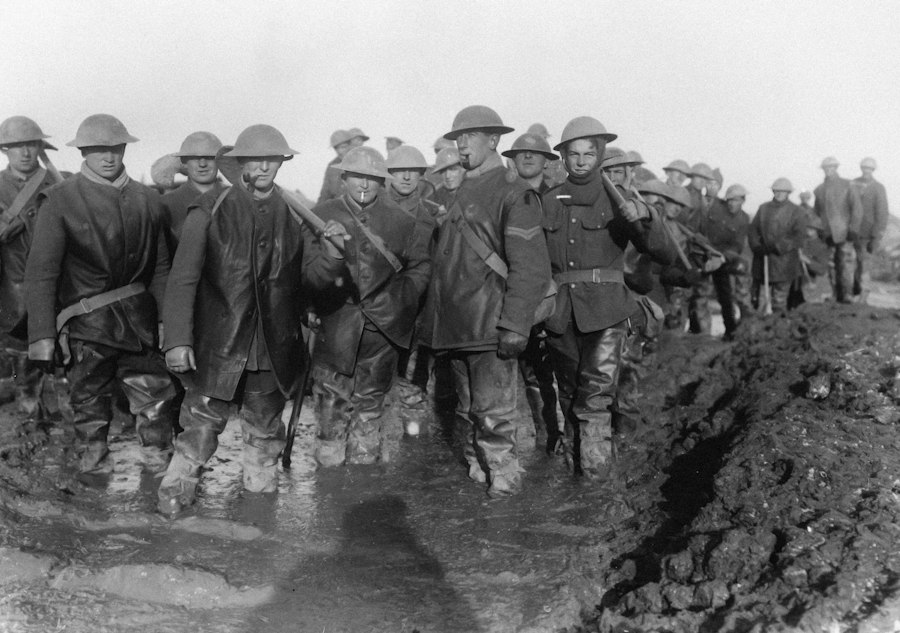
As the initial German surge lost momentum and the Allied forces began to stabilize the front, the focus shifted towards launching a coordinated counteroffensive. This phase required intricate planning, effective battlefield communication, and a unified command structure. The Allied generals, having weathered the initial storm, now had the opportunity to unleash their strategic might.
Eisenhower’s Vision of a Pincer Movement
General Eisenhower’s overarching strategy for the counteroffensive involved a two-pronged attack. On the northern flank, the British 21st Army Group under Field Marshal Bernard Montgomery was tasked with halting and pushing back the German advance. On the southern flank, General Bradley’s Twelfth Army Group, reinforced and reorganized, would launch an offensive northwards to link up with Montgomery’s forces, effectively trapping the German salient. This ambitious plan, while facing logistical and coordination challenges, aimed to encircle and destroy the German forces within the Ardennes.
Patton’s Relentless Advance
General Patton, having relieved Bastogne, continued his relentless advance northwards, his Third Army spearheading the southern prong of the Allied counteroffensive. His aggressive tactics and the fighting spirit of his troops were instrumental in pushing back the German forces and reclaiming lost territory. Patton’s ability to maintain the momentum of his advance, often in challenging terrain and weather, was a critical factor in the success of the Allied counter.
Montgomery’s Northern Drive
Field Marshal Montgomery, though often criticized for his cautious approach, eventually launched his offensive from the north. His 21st Army Group, comprised of both British and American forces, engaged the German forces in a methodical advance. While his offensive was perhaps less spectacular than Patton’s, it was essential in containing the German northern flank and preventing them from reinforcing their salient. The coordination between Montgomery’s and Bradley’s forces, though sometimes strained, was ultimately successful in achieving the desired pincer movement.
The Battle of the Bulge was a significant turning point in World War II, showcasing the strategic prowess of Allied generals such as Dwight D. Eisenhower and George S. Patton. Their leadership during this critical moment is explored in detail in a related article that provides insights into their decision-making processes and the challenges they faced. For those interested in a deeper understanding of this pivotal battle, you can read more about it in this informative piece on the strategies employed by the Allied forces at In The War Room.
Legacy and Lessons Learned: The Generals’ Enduring Impact
| General | Role | Command | Notable Actions | Impact on Battle |
|---|---|---|---|---|
| Dwight D. Eisenhower | Supreme Allied Commander | Allied Expeditionary Force | Coordinated overall Allied response and reinforcements | Ensured rapid mobilization and strategic allocation of resources |
| Omar Bradley | Army Group Commander | 12th Army Group | Directed ground forces in the Ardennes region | Managed defense and counterattacks that contained German advance |
| George S. Patton | Third Army Commander | Third Army | Led rapid relief of Bastogne | Crucial in breaking the German siege and turning the tide |
| Bernard Montgomery | 12th Army Group Deputy Commander | British 21st Army Group | Coordinated northern sector defenses and counteroffensives | Helped stabilize front and support American forces |
| Anthony McAuliffe | Brigadier General | 101st Airborne Division | Defended Bastogne; famous for “Nuts!” reply | Boosted morale and held critical position under siege |
The Battle of the Bulge remains a pivotal moment in military history, and the role of the Allied generals in its outcome is a subject of ongoing analysis and debate. Their successes were as remarkable as their initial failures were profound. The battle served as a harsh but valuable lesson in the importance of intelligence, preparedness, and the inherent dangers of underestimating a determined enemy.
The Cost of Underestimation and the Price of Victory
The initial underestimation of German capabilities and intentions by the Allied command serves as a perennial cautionary tale. The Battle of the Bulge underscored the need for robust intelligence gathering, thorough analysis, and a willingness to consider even seemingly improbable threats. The immense human cost of the battle, for both Allied and German forces, highlights the devastating consequences of strategic miscalculations.
Leadership Under Fire and the Art of Adaptation
The Battle of the Bulge showcased the critical importance of strong leadership in times of crisis. Generals like Eisenhower, Bradley, and Patton demonstrated their ability to adapt to rapidly evolving situations, make difficult decisions under immense pressure, and inspire their troops. Their willingness to delegate, trust their subordinates, and learn from mistakes were crucial to the eventual Allied victory. The battle also highlighted the complex interplay of personalities and strategic approaches among the Allied high command, and how these could be both a source of strength and occasional friction.
The Enduring Significance of the Ardennes Campaign
The Battle of the Bulge ultimately proved to be Germany’s last major offensive on the Western Front. The failure of this gamble, coupled with the immense losses sustained, significantly weakened their ability to continue the war. The strategic and tactical decisions made by the Allied generals, from their initial reactive measures to their coordinated counteroffensives, were instrumental in this decisive outcome. Their legacy is etched in the annals of military history, a testament to the profound impact of leadership, strategy, and sheer determination in the face of overwhelming odds. The lessons learned from their triumphs and tribulations continue to inform military thinking and underscore the enduring significance of the Ardennes campaign.