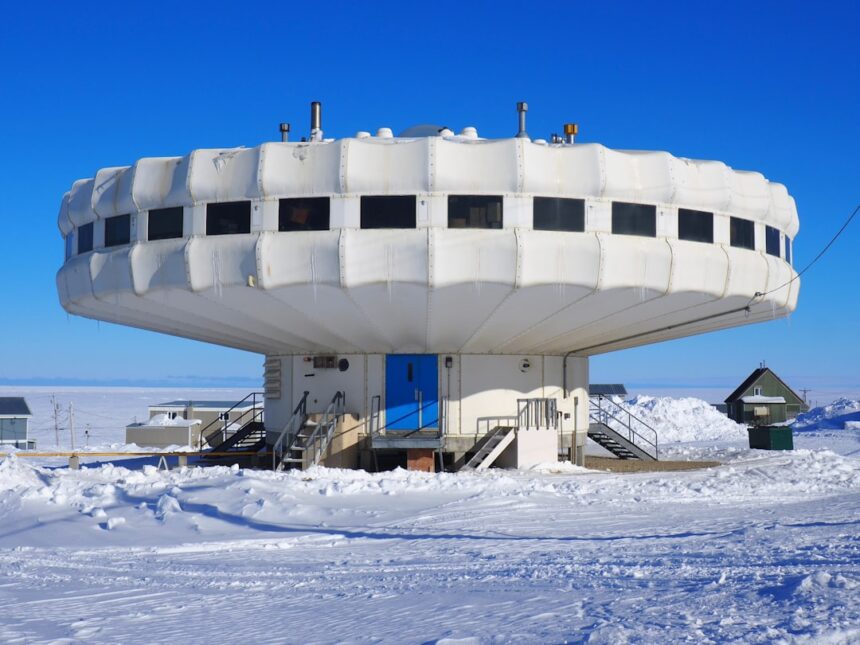
Arctic engineering is a specialized field that focuses on the design, construction, and maintenance of structures and systems in the harsh and often unforgiving environments of the Arctic region. This discipline has gained prominence as interest in the Arctic has surged due to climate change, resource exploration, and geopolitical considerations. The unique challenges posed by extreme cold, ice, and remote locations necessitate innovative approaches and solutions that differ significantly from traditional engineering practices.
As nations and industries increasingly turn their attention to the Arctic, understanding the principles of Arctic engineering becomes essential for ensuring the safety, sustainability, and functionality of infrastructure in this fragile ecosystem. The significance of Arctic engineering extends beyond mere construction; it encompasses a holistic understanding of the environment, the communities that inhabit it, and the potential impacts of human activity. Engineers in this field must navigate a complex interplay of factors, including environmental preservation, indigenous rights, and the socio-economic implications of development.
As the Arctic continues to evolve in response to global changes, the role of Arctic engineering will be pivotal in shaping a sustainable future for this vital region.
Key Takeaways
- Arctic engineering involves designing and constructing structures to withstand extreme conditions in the Arctic region, including cold temperatures, ice, permafrost, and harsh weather.
- Understanding the challenges of extreme conditions in the Arctic is crucial for designing and constructing safe and resilient infrastructure in the region.
- Designing structures to withstand Arctic conditions requires specialized knowledge and expertise in areas such as material selection, structural design, and environmental considerations.
- Innovations in materials for Arctic engineering, such as advanced composites and insulating materials, are helping to improve the durability and performance of structures in the Arctic.
- Overcoming the challenges of permafrost in Arctic construction requires innovative techniques and technologies, such as thermosyphons and insulation, to prevent ground movement and maintain structural integrity.
Understanding the Challenges of Extreme Conditions in the Arctic
The Arctic presents a myriad of challenges that engineers must confront when designing and constructing infrastructure. One of the most formidable obstacles is the extreme cold, which can plunge temperatures to well below freezing for extended periods. This not only affects the materials used in construction but also poses risks to human health and safety.
Engineers must account for thermal expansion and contraction, ensuring that structures can withstand these fluctuations without compromising integrity. Additionally, the presence of ice—whether in the form of sea ice or glacial formations—adds another layer of complexity, as it can exert significant forces on structures and alter their stability. Another critical challenge is the remoteness of many Arctic locations.
Accessing these areas often requires extensive logistical planning and resources, as transportation infrastructure may be limited or non-existent. This isolation complicates not only construction efforts but also ongoing maintenance and emergency response capabilities. Engineers must devise innovative solutions to ensure that projects can be completed efficiently while also considering long-term sustainability and resilience against potential environmental changes.
Designing Structures to Withstand Arctic Conditions
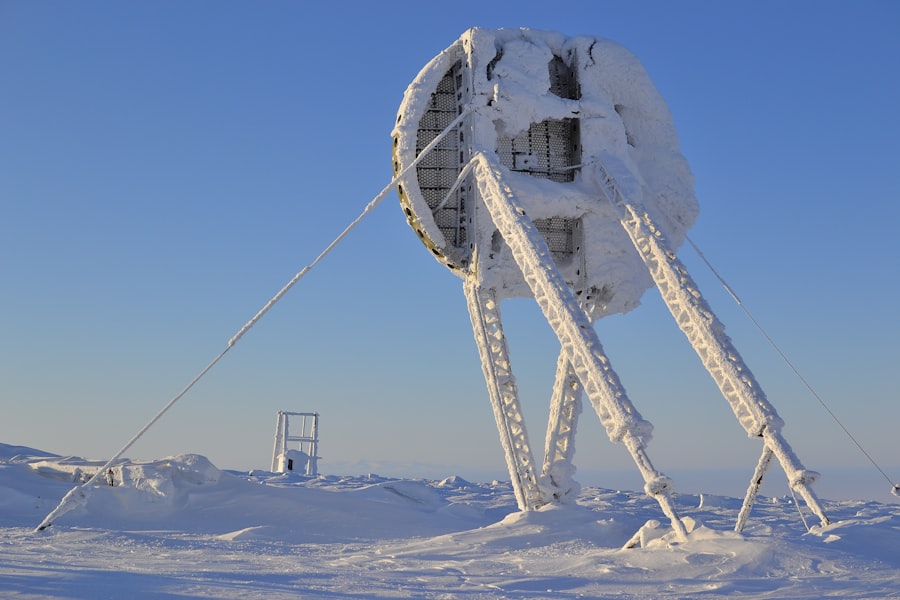
Designing structures for the Arctic involves a careful balance between functionality, durability, and environmental sensitivity. Engineers must employ specialized techniques to ensure that buildings and infrastructure can endure the harsh conditions prevalent in this region.
This approach not only protects the integrity of the foundation but also minimizes environmental disruption. Moreover, architects and engineers are increasingly incorporating passive design strategies that leverage natural elements to enhance energy efficiency. For example, orienting buildings to maximize sunlight exposure can help reduce heating costs during long winters.
The use of thermal insulation materials that are specifically designed for extreme cold is also crucial in maintaining comfortable indoor environments while minimizing energy consumption. By integrating these design principles, engineers can create structures that are not only resilient but also harmoniously aligned with their surroundings.
Innovations in Materials for Arctic Engineering
| Material | Properties | Application |
|---|---|---|
| Arctic Steel | High strength, corrosion resistance | Offshore platforms, pipelines |
| Arctic Concrete | Low thermal conductivity, durability | Buildings, infrastructure |
| Arctic Composites | Lightweight, high strength | Aircraft, marine vessels |
The quest for suitable materials for Arctic engineering has led to significant innovations in recent years. Traditional construction materials often fall short when faced with the unique demands of extreme cold and ice-laden environments.
One notable advancement is the use of high-performance concrete that incorporates additives to improve its resistance to freeze-thaw cycles. This type of concrete is designed to maintain its structural integrity even when subjected to extreme temperature fluctuations. Additionally, lightweight composite materials are gaining traction due to their strength-to-weight ratio, making them ideal for applications where reducing load on foundations is critical.
These innovations not only enhance the durability of structures but also contribute to more sustainable construction practices by reducing resource consumption.
Overcoming the Challenges of Permafrost in Arctic Construction
Permafrost presents one of the most significant challenges in Arctic construction, as it can dramatically affect ground stability and infrastructure longevity. When permafrost thaws due to climate change or heat generated by buildings, it can lead to ground subsidence and structural failure. Engineers must therefore implement strategies to mitigate these risks while ensuring that their designs remain functional over time.
One effective approach is the use of thermosyphons—devices that transfer heat away from the ground to maintain permafrost stability. By keeping the ground frozen, thermosyphons help preserve the integrity of foundations and prevent costly repairs or replacements. Additionally, engineers are exploring alternative foundation systems that distribute loads more evenly across the surface, reducing stress on permafrost layers.
These innovative solutions are essential for ensuring that infrastructure remains safe and operational in an environment where traditional methods may no longer suffice.
Strategies for Arctic Offshore Engineering
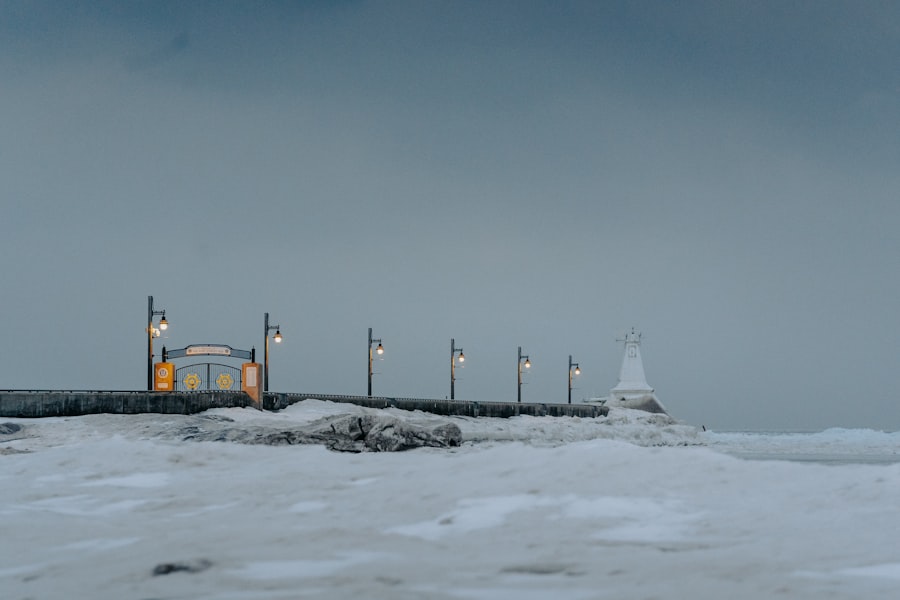
Offshore engineering in the Arctic poses its own set of challenges due to the dynamic nature of sea ice and harsh weather conditions. The design and construction of offshore platforms require a deep understanding of ice behavior, wave dynamics, and environmental impacts. Engineers must develop robust structures capable of withstanding ice forces while ensuring safety for personnel working in these remote locations.
One strategy employed in Arctic offshore engineering is the use of ice-resistant designs that incorporate features such as sloped surfaces or rounded edges to deflect ice loads effectively. Additionally, real-time monitoring systems are increasingly being integrated into offshore platforms to provide data on ice conditions and weather patterns, allowing for proactive decision-making regarding operations and safety measures. These advancements not only enhance operational efficiency but also contribute to minimizing environmental impacts associated with offshore activities.
Environmental Considerations in Arctic Engineering
As interest in Arctic development grows, so too does the need for responsible engineering practices that prioritize environmental stewardship. The delicate ecosystems of the Arctic are particularly vulnerable to disturbances caused by construction activities, making it imperative for engineers to adopt sustainable practices throughout project lifecycles. This includes conducting thorough environmental impact assessments before initiating any construction work.
Moreover, engineers are increasingly incorporating eco-friendly materials and techniques into their designs. For instance, using renewable energy sources such as wind or solar power can significantly reduce carbon footprints associated with construction activities. Additionally, efforts are being made to engage local communities in decision-making processes to ensure that projects align with indigenous values and practices.
By prioritizing environmental considerations, Arctic engineers can contribute to a more sustainable future for this unique region.
Case Studies of Successful Arctic Engineering Projects
Several successful Arctic engineering projects serve as exemplars of innovative design and construction practices tailored to extreme conditions. One notable example is the construction of the Alaska North Slope oil fields infrastructure, which involved extensive planning and engineering to accommodate permafrost challenges while minimizing environmental impacts. The project utilized advanced materials and techniques to ensure that pipelines remained operational despite temperature fluctuations.
Another significant case study is the Svalbard Global Seed Vault in Norway, designed to withstand extreme cold while providing secure storage for global seed diversity. The facility’s design incorporates natural insulation from permafrost and features advanced climate control systems that maintain optimal conditions for seed preservation. These projects highlight how thoughtful engineering can successfully navigate the complexities of Arctic environments while achieving functional objectives.
The Role of Technology in Arctic Engineering
Technology plays a crucial role in advancing Arctic engineering practices by providing tools and solutions that enhance efficiency and safety. Geographic Information Systems (GIS) are increasingly utilized for site assessments and planning, allowing engineers to analyze terrain features and environmental conditions before construction begins. This data-driven approach enables more informed decision-making and reduces risks associated with unforeseen challenges.
Additionally, advancements in remote sensing technology have revolutionized how engineers monitor ice conditions and weather patterns in real-time. Drones equipped with imaging technology can survey vast areas quickly, providing valuable data for ongoing projects while minimizing human exposure to hazardous conditions. As technology continues to evolve, its integration into Arctic engineering will undoubtedly lead to more resilient infrastructure capable of withstanding the region’s unique challenges.
Future Trends in Arctic Engineering
Looking ahead, several trends are likely to shape the future of Arctic engineering as interest in this region continues to grow. One prominent trend is an increased focus on sustainability and resilience in design practices. As climate change impacts become more pronounced, engineers will need to prioritize adaptive strategies that allow infrastructure to respond effectively to changing environmental conditions.
Furthermore, collaboration between governments, industries, and indigenous communities will become increasingly important in shaping responsible development practices in the Arctic. Engaging local knowledge and expertise will not only enhance project outcomes but also foster a sense of ownership among communities affected by development activities. As these trends unfold, they will play a pivotal role in ensuring that Arctic engineering remains aligned with both human needs and environmental preservation.
Advancements in Arctic Engineering and the Path Forward
In conclusion, advancements in Arctic engineering reflect a growing recognition of the unique challenges posed by this region’s extreme conditions. Through innovative design practices, material developments, and technological integration, engineers are paving the way for sustainable infrastructure that meets both functional requirements and environmental considerations. As interest in the Arctic continues to rise due to climate change and resource exploration, it is imperative that engineering practices evolve accordingly.
The path forward will require ongoing collaboration among stakeholders at all levels—governments, industries, indigenous communities, and researchers—to ensure that development is conducted responsibly and sustainably. By embracing these principles, Arctic engineering can contribute not only to economic growth but also to preserving the delicate ecosystems that define this remarkable region for generations to come.
One of the significant engineering challenges in the Arctic involves the construction and maintenance of infrastructure in extreme weather conditions. A related article that delves into these issues can be found at this link. It discusses the innovative solutions being implemented to address the unique obstacles faced by engineers in this harsh environment, including permafrost stability and the impact of climate change on traditional building methods.
WATCH THIS! Inside Iceworm: America’s Secret Nuclear City Built Under Greenland
FAQs
What are the main engineering challenges in the Arctic?
The main engineering challenges in the Arctic include extreme cold temperatures, permafrost, ice, and harsh weather conditions. These factors can make construction, transportation, and infrastructure maintenance difficult.
How do extreme cold temperatures affect engineering in the Arctic?
Extreme cold temperatures can cause materials to become brittle, machinery to malfunction, and can make construction and maintenance work more challenging. Engineers must design structures and equipment that can withstand these low temperatures.
What is the impact of permafrost on engineering projects in the Arctic?
Permafrost, which is permanently frozen ground, presents challenges for construction and infrastructure development. When permafrost thaws, it can lead to ground instability and damage to buildings and roads. Engineers must develop techniques to build on and maintain infrastructure in permafrost areas.
How does ice affect engineering in the Arctic?
Ice presents challenges for transportation, offshore drilling, and construction. Engineers must design ships and offshore platforms to withstand ice loads, and develop techniques for ice management and icebreaking.
What are the challenges of working in harsh weather conditions in the Arctic?
Harsh weather conditions, including strong winds, snowstorms, and limited daylight, can make construction and maintenance work difficult. Engineers must plan for these conditions and develop strategies to ensure the safety and efficiency of their projects.