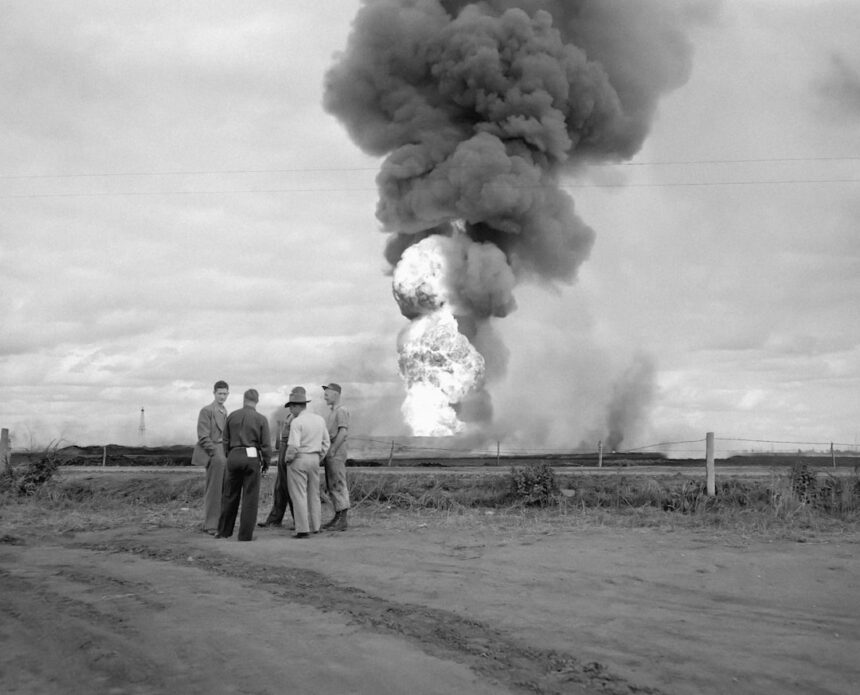
The Titan II missile, a colossal relic of the Cold War, stood as a stark symbol of the devastating power possessed by the United States. Designed to deliver a nuclear payload with terrifying accuracy, these behemoths were fueled by a highly volatile and toxic substance known as hypergolic propellant. While the missiles themselves represented a formidable deterrent, their fuel posed a constant and insidious threat, a threat that culminated in one of the most harrowing industrial accidents of the late 20th century: the Titan II missile fuel leak disaster. This catastrophic event, unfolding with terrifying speed and deadly consequence, served as a stark reminder of the inherent dangers of Cold War-era weaponry and the immense responsibility borne by those who managed them.
The Titan II intercontinental ballistic missile was a marvel of Cold War engineering, a two-stage rocket designed to carry a single, high-yield nuclear warhead deep into enemy territory. Its immense size, over 100 feet tall and 10 feet in diameter, was a testament to the scale of the geopolitical tensions it was built to address. Deployed in underground silos across the American heartland, these missiles formed a crucial part of the nation’s nuclear triad, a deterrent designed to ensure mutual assured destruction.
Origins and Development
The genesis of the Titan II program lay in the fervent arms race of the late 1950s and early 1960s. The United States sought to develop a more robust and responsive missile system than its predecessors. The Titan II program, building upon earlier Titan models, aimed for increased range, payload capacity, and operational readiness. The development was a massive undertaking, involving thousands of engineers, scientists, and technicians, all working under the immense pressure of national security.
The Hypergolic Propellant: A Double-Edged Sword
A key innovation that distinguished the Titan II from many other ballistic missiles was its use of hypergolic propellants. These are propellants that ignite spontaneously upon contact with each other, eliminating the need for a complex ignition system. For the Titan II, this meant the combination of nitrogen tetroxide (N2O4) as the oxidizer and unsymmetrical dimethylhydrazine (UDMH) as the fuel.
Nitrogen Tetroxide (N2O4): The Corrosive Oxidizer
Nitrogen tetroxide is a highly corrosive and toxic liquid. It is a powerful oxidizer, meaning it readily accepts electrons from other substances, fueling combustion. In its liquid form, it is a pale yellow to reddish-brown gas. Its vapors are extremely irritating to the respiratory system, eyes, and skin, causing severe burns and lung damage. Even brief exposure to high concentrations could be fatal.
Unsymmetrical Dimethylhydrazine (UDMH): The Volatile Fuel
Unsymmetrical dimethylhydrazine is a highly flammable and toxic liquid. It is a potent reducing agent, readily reacting with oxidizers. UDMH is volatile, meaning it evaporates easily, forming flammable vapors at relatively low temperatures. Like nitrogen tetroxide, it is a severe irritant and can cause significant health problems, including potential carcinogenicity.
The hypergolic nature of these propellants offered a significant advantage in terms of rapid launch capabilities. However, it also meant that any leak or accidental mixing of the two components presented an immediate and extreme danger. The inherent toxicity and reactivity of these substances demanded meticulous handling and robust containment systems, a demand that, tragically, would be tested to its breaking point.
The Titan II missile fuel leak disaster remains a significant event in the history of military operations and safety protocols. For a deeper understanding of the implications and aftermath of this incident, you can read a related article that explores the challenges faced during the recovery efforts and the lessons learned from the disaster. This article provides valuable insights into the complexities of handling such hazardous materials and the importance of stringent safety measures in military operations. For more information, visit this link.
The Arkansas Incident: A Chain of Errors and Misfortunes
The fateful event unfolded on September 18, 1980, at the Titan II missile silo located near Damascus, Arkansas. What began as a routine maintenance operation would soon devolve into a nightmare scenario, a chilling testament to how a series of seemingly minor failures could cascade into a catastrophic disaster. The incident at Little Rock Air Force Base, specifically at Missile Complex 374-7, would forever be etched in the annals of American military history.
The Initial Breach
The sequence of events began with a dropped socket wrench during a fuel transfer operation. A technician working on the missile’s second stage inadvertently dropped the tool, which struck a diagnostic port on the missile’s skin. This seemingly insignificant action initiated a chain reaction of failures. The impact caused a small puncture, leading to a slow but steady leak of UDMH.
The Role of Human Error
The dropped wrench, while accidental, highlighted the inherent risks associated with manual operations involving such volatile materials. Human error, though often unavoidable in any complex system, becomes amplified when dealing with substances that possess such extreme destructive potential. The procedure at the time may not have had sufficient safeguards to prevent such an event.
The Growing Leak
Initially, the leak was small, but the highly volatile UDMH began to evaporate, filling the confined space of the silo with flammable vapors. The insidious nature of the leak meant that it went undetected for a critical period, allowing the concentration of UDMH vapors to build to dangerous levels. The automated systems designed to detect such leaks may not have been sensitive enough to register the early, minor release.
The Unfolding Crisis
As the UDMH continued to leak and vaporize, the atmosphere within the silo became increasingly hazardous. The air was saturated with toxic and flammable fumes, creating a ticking time bomb. The ground crew, unaware of the true extent of the danger, attempted to address what they initially perceived as a minor leak.
Evacuation and Containment Efforts
As the situation worsened, alarm bells began to ring. The crew initiated evacuation procedures for the immediate area around the silo. However, the speed at which the UDMH vapors spread and their extreme toxicity made even short exposures perilous. Containment efforts were hampered by the sheer volume and volatility of the leaked propellant.
The Cataclysmic Ignition
The critical moment arrived approximately nine hours after the initial leak. The accumulated UDMH vapors, reaching a critical concentration, encountered an ignition source. The exact ignition source remains a subject of some debate, but it is widely believed to have been a spark from electrical equipment or even a static discharge. The result was a massive explosion that rocked the Arkansas countryside.
The Force of the Explosion
The explosion tore through the missile silo, rupturing the missile and its warhead. While the nuclear warhead itself did not detonate in a nuclear explosion, the conventional explosives within the warhead were detonated by the blast. This sent shrapnel flying and further exacerbated the release of toxic materials. The silo was essentially obliterated, a testament to the destructive power unleashed.
The Release of Toxic Agents
The explosion not only destroyed the missile but also released a plume of highly toxic nitrogen tetroxide and UDMH into the atmosphere. This toxic cloud posed a significant threat to the surrounding communities, forcing further evacuations and raising fears of widespread contamination. The sheer scale of the release was unprecedented, overwhelming emergency response capabilities.
The Human Toll: Sacrifices and Long-Term Consequences
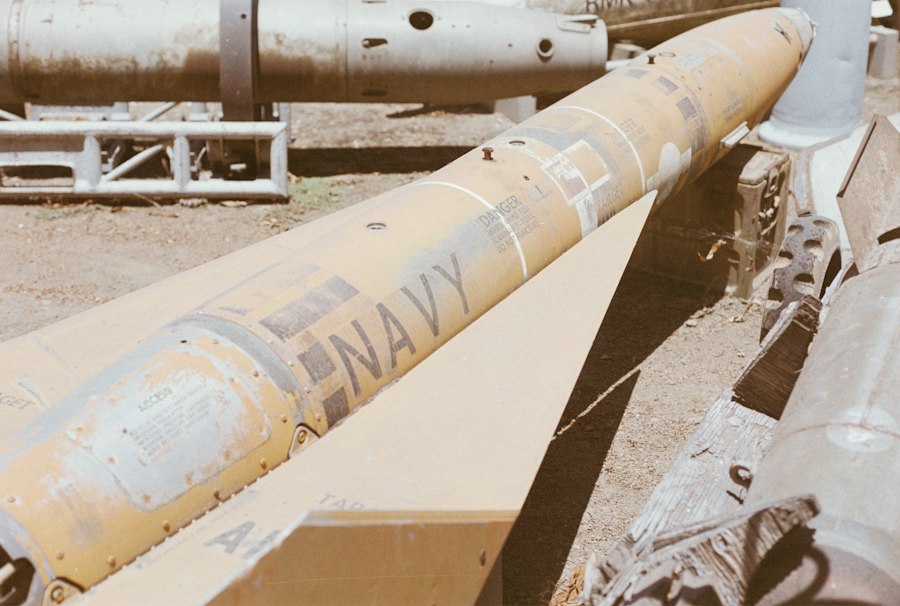
The Titan II missile fuel leak disaster at Damascus, Arkansas, was not just a technological failure; it was a profound human tragedy. The bravery of the personnel involved, the devastating impact on their lives, and the long-term health consequences of exposure to these deadly chemicals paint a stark picture of the true cost of such an event.
The Courage of the Responders
In the face of overwhelming danger, the emergency responders, including the Air Force personnel and local firefighters, displayed extraordinary courage. They worked under extremely hazardous conditions, attempting to mitigate the disaster and protect the surrounding population. Many exposed themselves to toxic fumes in their efforts to contain the situation and rescue their colleagues.
The Ultimate Sacrifice
Tragically, this bravery came at a steep price. Several individuals lost their lives as a direct result of the explosion and exposure to the toxic propellants. Their sacrifice serves as a somber reminder of the risks inherent in military service, particularly in the context of nuclear weapons management.
Long-Term Health Effects
For those who survived, the ordeal was far from over. Exposure to nitrogen tetroxide and UDMH can have severe and long-lasting health consequences. These include chronic respiratory problems, neurological damage, and an increased risk of certain cancers. The psychological toll of experiencing such a terrifying event, coupled with the ongoing health concerns, added another layer to the tragedy.
The Invisible Scars
The invisible scars of the Damascus incident extended beyond the physical. Survivors often grappled with post-traumatic stress disorder, anxiety, and depression. The constant worry about their health and the legacy of their exposure cast a long shadow over their lives.
Community Impact and Evacuation
The immediate aftermath saw the evacuation of hundreds of residents from the surrounding areas. The fear of toxic contamination and the ongoing threat of further explosions created widespread panic and disruption. The community had to cope with displacement, uncertainty, and the long process of recovery.
The Legacy of Fear
Even after the immediate danger passed, a lingering sense of fear and distrust remained within the community. The knowledge that such a destructive force lay dormant beneath their feet, and the devastating reality of its potential, left an indelible mark.
The Aftermath and Investigations: Learning from a Near Miss

The sheer magnitude of the Titan II disaster demanded a thorough investigation to understand the causes, identify responsible parties, and implement measures to prevent future occurrences. The aftermath saw a flurry of activity, from immediate containment and cleanup efforts to extensive inquiries into the technical and procedural failures.
Immediate Response and Containment
Following the explosion, the primary focus was on containing the toxic spread and ensuring the safety of the surrounding environment. Hazardous materials teams worked tirelessly to neutralize the remaining propellants and decontaminate the affected areas. This was a complex and dangerous undertaking, requiring specialized equipment and expertise.
The Cleanup Operation
The cleanup operation was extensive and costly, involving the removal of debris, the treatment of contaminated soil, and the monitoring of environmental impact. The silo itself was rendered unusable, a stark monument to the disaster.
The Official Investigations
Multiple investigations were launched by various government agencies, including the Air Force and the Department of Defense. These investigations aimed to pinpoint the exact sequence of events, the contributing factors, and the specific points of failure in the system and its operational procedures.
Identifying Systemic Flaws
The investigations revealed a confluence of factors, including maintenance shortcomings, inadequate safety protocols, and a design that, while technologically advanced, carried inherent risks. The reliance on manual operations in a highly volatile environment was a key area of scrutiny.
Procedural and Training Deficiencies
Beyond the technical aspects, the investigations also examined the adequacy of training for personnel working with the missiles and their propellants. Deficiencies in procedures for handling emergencies and reporting potential hazards were also brought to light.
The Titan II missile fuel leak disaster remains a significant event in the history of military operations, highlighting the potential dangers associated with handling volatile materials. For those interested in exploring more about the implications of such incidents, a related article can be found at In the War Room, which delves into the broader context of military safety protocols and the lessons learned from past mishaps. This incident serves as a reminder of the importance of stringent safety measures in preventing future disasters.
Lessons Learned and the Decommissioning of Titan II: A Stark Warning
| Metric | Details |
|---|---|
| Date of Incident | September 18, 1980 |
| Location | Arkansas, USA (Damascus Air Force Base) |
| Missile Type | Titan II Intercontinental Ballistic Missile (ICBM) |
| Cause of Leak | Accidental puncture of missile’s fuel tank by a dropped socket wrench |
| Fuel Type | Aerozine 50 (fuel) and nitrogen tetroxide (oxidizer) |
| Number of Personnel Involved | Approximately 20 emergency responders and missile crew |
| Casualties | 1 fatality (Airman David Livingston) |
| Explosion Time After Leak | Approximately 8 hours |
| Damage | Destruction of missile and silo, damage to nearby structures |
| Environmental Impact | Release of toxic chemicals, localized contamination |
| Safety Changes Implemented | Improved handling procedures and safety protocols for missile maintenance |
The Titan II missile fuel leak disaster served as a profound and costly lesson. The catastrophic event galvanized efforts to reassess the safety protocols surrounding nuclear missile systems and ultimately contributed to the decision to decommission the remaining Titan II fleet. The memory of Damascus, Arkansas, became a potent symbol of the dangers of unchecked technological ambition and the critical importance of stringent safety measures.
Revisions to Safety Protocols
The investigations’ findings led to significant revisions in safety protocols for handling hazardous materials within the military. Emphasis was placed on improved containment, enhanced monitoring systems, and more rigorous training for personnel involved in missile operations. The focus shifted towards minimizing human exposure to dangerous substances.
The Importance of Redundancy and Fail-Safes
The disaster underscored the critical need for robust redundancy and fail-safe mechanisms in all aspects of nuclear weapon systems. The original design, while effective in its primary function, proved vulnerable to cascading failures.
The Decommissioning of the Titan II Fleet
The Damascus incident served as the death knell for the Titan II program. The immense risks associated with its hypergolic propellants, coupled with the devastating consequences of a single accident, made the continued operation of these missiles untenable. The remaining Titan II missiles were systematically dismantled and their silos deactivated.
The End of an Era
The decommissioning marked the end of an era for a weapon system that had been a cornerstone of American nuclear deterrence for decades. The decision reflected a growing awareness of the potential for catastrophic accidents and a shift towards safer, albeit perhaps less rapidly deployable, nuclear technologies.
The Lasting Legacy: A Reminder of Vulnerability
The Titan II missile fuel leak disaster remains a stark reminder of the inherent dangers associated with weapons of mass destruction. It serves as a cautionary tale about the potential for even the most sophisticated technologies to fail, with devastating consequences. The event continues to inform safety procedures and risk assessments in the management of hazardous materials and high-risk technologies, ensuring that the lessons learned from this deadly catastrophe are not forgotten. The echoes of that explosion in Arkansas continue to resonate, a powerful testament to the fragile balance between technological might and human fallibility.

How a Dropped Socket Destroyed a Titan II Missile
FAQs
What was the Titan II missile fuel leak disaster?
The Titan II missile fuel leak disaster occurred on September 18, 1980, at a missile complex near Damascus, Arkansas. A fuel leak led to an explosion that resulted in the death of one person and caused significant damage.
What caused the fuel leak in the Titan II missile?
The fuel leak in the Titan II missile was caused by a dropped wrench during maintenance work. The wrench punctured the missile’s fuel tank, leading to the leak of highly toxic and flammable rocket fuel.
How did the authorities respond to the Titan II missile fuel leak disaster?
After the fuel leak disaster, emergency response teams were dispatched to the scene to contain the situation. Evacuations were carried out in the surrounding areas to ensure the safety of the residents.
What were the consequences of the Titan II missile fuel leak disaster?
The consequences of the Titan II missile fuel leak disaster included the loss of life of one individual, extensive property damage, and environmental contamination due to the release of toxic rocket fuel. It also raised concerns about the safety of nuclear missile facilities.
What measures were taken to prevent similar incidents in the future?
Following the Titan II missile fuel leak disaster, safety protocols and procedures were reviewed and enhanced to prevent similar incidents from occurring in the future. Training programs for personnel working with missile systems were also improved to ensure proper handling and maintenance practices.