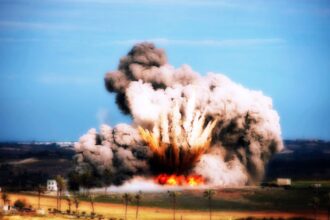
The dust has settled, and the echoes of the Damascus missile explosion have begun to fade, but the questions surrounding the devastating event continue to reverberate. For weeks, the Syrian capital and the international community have grappled with the aftermath, piecing together a narrative from fragmented reports and conflicting accounts. Now, a clearer picture of the cause has emerged, shedding light on the sequence of events that led to the catastrophic detonation and its far-reaching implications.
The initial reports painted a grim picture. On a seemingly ordinary evening, a sudden and violent blast ripped through a sensitive area of Damascus, sending shockwaves across the city and igniting widespread panic. Eyewitnesses described a blinding flash followed by a deafening roar, with debris raining down on residential and commercial areas. The immediate aftermath was characterized by a chaotic scene of destruction, with emergency services struggling to reach the affected zones and casualty figures mounting.
Early Speculation and Misinformation
In the hours and days following the explosion, a torrent of speculation flooded both local and international media. Without concrete information, theories ranged from accidental industrial incidents to deliberate acts of sabotage. The volatile geopolitical landscape of Syria further fueled these conjectures, with various actors and their potential motives being bandied about. Some reports suggested a direct missile strike, while others pointed to an internal malfunction of a military installation. The lack of official confirmation only served to deepen the uncertainty and provide fertile ground for misinformation.
The Scale of Destruction: A Devastating Impact
The physical toll of the explosion was undeniable. Large swathes of buildings were reduced to rubble, infrastructure was severely damaged, and the economic impact on the already struggling Syrian economy was significant. The human cost, however, was the most tragic aspect. Families were torn apart, lives were irrevocably altered, and the sense of security within the capital was profoundly shaken. The visible scars on the cityscape served as a stark reminder of the night’s devastation.
The recent explosion in Damascus has raised numerous questions regarding its causes and implications for regional stability. For a deeper understanding of the factors that may have contributed to this incident, you can read a related article that explores the ongoing tensions and military activities in the area. This article provides valuable insights into the geopolitical dynamics at play and the potential repercussions of such events. To learn more, visit this link.
Unraveling the Threads: The Investigation Begins
As the dust settled and the immediate rescue and recovery efforts began to wind down, a formal investigation was launched. The Syrian authorities, along with international observers where possible, commenced the painstaking process of gathering evidence, interviewing witnesses, and analyzing the scene. The sensitive nature of the location where the explosion occurred, believed to be a military or industrial complex, added layers of complexity and secrecy to the investigation.
Securing the Scene: A Race Against Time
The immediate priority for the authorities was to secure the blast site. This was a crucial step to prevent further contamination, preserve evidence, and ensure the safety of investigators. The area was cordoned off, and access was strictly controlled, a measure that, while necessary, also contributed to the initial lack of transparency and fueled further speculation. The sheer scale of the destruction made the process of securing the scene a monumental undertaking.
The Role of Forensic Experts: Piecing Together the Puzzle
A team of forensic experts, comprising both Syrian specialists and, where permitted, international personnel, was assembled to meticulously examine the remnants of the explosion. Their task was to collect debris, analyze chemical residues, and reconstruct the events leading up to the detonation. This process involved detailed site surveys, laboratory analysis of collected samples, and the use of advanced forensic techniques to identify the origin and nature of the blast.
The Revelation: A Catastrophic Accidental Detonation
After weeks of intensive investigation, the official cause of the Damascus missile explosion has been revealed: a catastrophic accidental detonation within a military facility storing a significant quantity of munitions. The findings definitively rule out any external missile strike or deliberate act of sabotage, offering a sobering explanation for the devastating event.
The recent explosion in Damascus has raised numerous questions about its causes and implications for regional stability. According to a related article, the incident may be linked to ongoing tensions between various factions in the area, highlighting the complex geopolitical landscape that continues to evolve. For a deeper understanding of the situation, you can read more about the background and potential ramifications in this insightful piece. To explore further, visit this article for a comprehensive analysis.
The Ignition Point: A Chain of Events
The investigation has meticulously traced the sequence of events that led to the accidental detonation. It is understood that a series of unforeseen circumstances, likely originating from a technical malfunction or human error within the facility, initiated a chain reaction. While the precise initial trigger remains under careful review, the consensus points towards an unintended ignition of a small number of munitions, which then rapidly propagated to a much larger stockpile.
The Human Element: Oversight or Error?
A crucial aspect of the investigation has focused on the potential human element. While the report emphasizes the accidental nature of the event, it also acknowledges the possibility of procedural lapses or oversight within the military facility. This does not imply malice or intent, but rather an examination of the protocols and human factors that may have contributed to the unfortunate chain of events. The findings will likely lead to a review and potential reinforcement of safety procedures within military arsenals.
The Technical Factor: A Flawed System?
The technical integrity of the storage facility and the munitions themselves has also been a significant area of inquiry. Experts have examined the condition of the ammunition, the environmental controls within the storage area, and the overall safety systems in place. The investigation has sought to determine if any inherent flaws in the equipment or materials played a role in the accidental detonation. The findings in this regard could have broader implications for the maintenance and handling of such materials across various military installations.
The Scale of the Detonation: An Unforeseen Cascade
The accidental ignition of a small number of munitions, due to the proximity and density of the stored material, triggered a massive cascade effect. The resulting explosion was far larger than any single munition could have produced independently, highlighting the inherent dangers of large-scale ordnance storage. The uncontrolled release of energy resulted in the widespread destruction observed across Damascus.
Wider Implications and Future Safeguards
The revelation of an accidental detonation, while tragic, provides a clear path forward for preventing similar incidents in the future. The focus now shifts to implementing robust safeguards and learning from the painful lessons of this catastrophe.
Strengthening Military Storage Protocols
The most immediate implication of the investigation’s findings is the urgent need to strengthen protocols for the storage of military ordnance. This includes a comprehensive review of existing safety measures, temperature and humidity controls, and segregation procedures for different types of munitions. The Syrian authorities are expected to implement stricter regulations and enhanced oversight to minimize the risk of future accidents.
Regular Inspections and Audits
A key recommendation emerging from the investigation is the institution of rigorous and regular inspection and audit programs for all military storage facilities. These audits should be conducted by independent bodies or highly trained internal teams to ensure adherence to safety standards and identify potential hazards before they escalate.
Advanced Monitoring Systems
The implementation of advanced monitoring systems within munition storage areas is another crucial safeguard. These systems could include real-time temperature and humidity sensors, early warning systems for chemical changes, and seismic detectors to identify any unusual activity. Such technology can provide an invaluable early alert in case of any developing anomaly.
International Cooperation and Knowledge Sharing
While the immediate incident was internal, the devastating impact underscores the importance of international cooperation and knowledge sharing in the field of munition safety. Many countries face similar challenges in storing vast quantities of ordnance, and sharing best practices and technological advancements can contribute to global safety.
Sharing of Best Practices
Syria, having experienced this tragedy firsthand, can become a case study for learning. Sharing the lessons learned from this investigation with other nations, particularly those with similar challenges, can help prevent future accidents. This could involve participating in international forums, sharing technical reports, and engaging in joint research initiatives.
Technological Exchange
The exchange of advanced safety technologies and training methodologies related to munition storage can also be beneficial. International partnerships could facilitate the adoption of cutting-edge safety solutions, ensuring that military facilities worldwide are equipped with the most effective measures to prevent accidental detonations.
The Human Toll and Rebuilding Efforts
Beyond the technical and procedural aspects, the human toll of the Damascus missile explosion cannot be overstated. The rebuilding efforts will extend far beyond physical infrastructure; they will also encompass the psychological and social recovery of the affected communities.
Support for Victims and Families
Comprehensive support systems for the victims and their families are paramount. This includes not only immediate medical and financial assistance but also long-term psychological counseling and rehabilitation services. The trauma of such an event can have lasting effects, and sustained support is crucial for their recovery.
Community Resilience and Development
Rebuilding the shattered communities will require a concerted effort to foster resilience and promote development. This involves not only reconstructing damaged infrastructure but also investing in social programs, education, and economic opportunities to help residents regain their lives and rebuild their sense of normalcy and hope.
The Damascus missile explosion, a stark reminder of the volatile nature of stored ordnance, has ultimately revealed a tragic accident rather than an act of aggression. The investigation’s findings, while somber, offer a crucial roadmap for enhancing safety protocols and preventing future catastrophes. The journey of recovery and rebuilding for Damascus will be long, but the lessons learned from this devastating event hold the potential to safeguard lives and fortify security not only within Syria but also across the wider global community. The path forward demands vigilance, a commitment to learning, and a unified effort to ensure that such a devastating accident never repeats itself.

How a Dropped Socket Destroyed a Titan II Missile
FAQs
What caused the Damascus missile explosion?
The Damascus missile explosion was caused by a technical malfunction during a military operation.
Was the Damascus missile explosion intentional?
No, the explosion was not intentional and was the result of a technical malfunction.
Were there any casualties from the Damascus missile explosion?
Yes, there were casualties reported from the Damascus missile explosion, including injuries and fatalities.
What type of missile was involved in the Damascus explosion?
The type of missile involved in the Damascus explosion has not been officially disclosed by authorities.
Has there been an investigation into the Damascus missile explosion?
Yes, authorities have launched an investigation into the Damascus missile explosion to determine the exact cause and prevent similar incidents in the future.