The stark, concrete structures, buried deep within the earth, represent the apex of human ingenuity and a terrifying testament to our capacity for self-destruction. These Intercontinental Ballistic Missile (ICBM) silos, guardians of America’s nuclear deterrent, are designed with layers of hardened protection, intricate launch systems, and the most rigorous safety protocols imaginable. Yet, even the most robust systems are susceptible to failure, and the consequences of a catastrophic event at one of these sites are almost unfathomable. The scenario of an Air Force nuclear missile silo disaster is not a matter of science fiction; it is a chillingly plausible reality, one that demands our attention and understanding of its potentially devastating repercussions.
Hardened Fortresses of Deterrence
At the heart of America’s strategic nuclear triad lies the land-based ICBM force, housed within a network of underground silos scattered across desolate plains. These are not mere holes in the ground; they are meticulously engineered fortifications. Constructed from reinforced concrete, steel, and other high-strength materials, silos are designed to withstand the seismic shockwaves and intense blast pressures of a nuclear detonation, theoretically protecting their deadly payload from enemy attack. Each silo is a self-contained unit, housing a single ICBM, a missile capable of delivering a nuclear warhead hundreds or even thousands of miles. The depth of these silos, often extending hundreds of feet below the surface, further enhances their survivability. The sheer scale of investment in these facilities – the engineering, construction, and ongoing maintenance – underscores their critical role in the nation’s defense strategy. They are the silent, unblinking sentinels of a precarious peace, a constant reminder of the destructive power held in reserve.
The Complex Web of Launch Systems
The operation of an ICBM silo is a marvel of complexity. Initiating a launch is a multi-faceted process involving intricate electronic and mechanical systems, requiring the authenticated assent of multiple individuals and strict adherence to stringent protocols. Two officers, typically in separate launch control centers, must simultaneously input unique codes and turn launch keys to authorize a missile’s ascent. This dual-authentication requirement is a critical safeguard against unauthorized or accidental launches. Beyond the human element, the silo itself is equipped with a sophisticated launch sequence initiator, a robust power supply, and communication systems that link it to command and control centers far removed from the immediate vicinity. The missile itself is a technological marvel, packed with guidance systems, propulsion, and the ultimate payload – a nuclear warhead. The sheer number of interconnected components, from the smallest circuit board to the massive silo doors, highlights the potential for cascading failures.
The Ever-Present Risk of Technical Malfunction
Despite the layers of redundancy and rigorous testing, the inherent nature of complex machinery means that technical malfunctions are an unavoidable concern. Decades of operation, exposure to harsh environmental conditions, and the sheer complexity of the systems create vulnerabilities. Failures can range from minor glitches in the communication systems to more serious issues with the missile’s guidance or warhead safing mechanisms. Even a seemingly small electronic error could, in a worst-case scenario, trigger an unintended sequence. The immense power contained within these silos means that even a partial or uncontrolled detonation could have catastrophic consequences. The constant threat of obsolescence, as systems age and newer technologies emerge, also introduces a degree of risk if maintenance and upgrades are not continuously prioritized.
The recent article discussing the Air Force nuclear missile silo disaster sheds light on the critical issues surrounding the management and safety protocols of these facilities. For a deeper understanding of the implications and the historical context of such incidents, you can read more in this related article: here. This piece provides valuable insights into the challenges faced by military personnel and the potential risks associated with nuclear arsenals.
Triggers for Catastrophe: Exploring Potential Scenarios
Accidental Launch: The Unthinkable Trigger
The most terrifying possibility, and the one that fuels countless doomsday scenarios, is an accidental or unauthorized launch. While safeguards are in place to prevent this, the possibility, however remote, cannot be entirely dismissed. Such an event could be triggered by a confluence of factors: a severe system malfunction, a sophisticated cyber-attack aimed at bypassing security protocols, or even an extremely improbable human error under immense pressure. The psychological toll on personnel tasked with managing these weapons, operating in an environment of constant readiness, is also a factor that, while mitigated by training and mental health support, remains a consideration. The instantaneous nature of a launch command, once initiated, leaves no room for retraction, making the prevention of such an event paramount.
The Cascade of Error: Human and Machine Failure
The scenario of an accidental launch often envisions a chain reaction of errors, where a minor human misjudgment or a subtle machine anomaly snowballs into a catastrophic outcome. Imagine a scenario where a simulated exercise goes awry, or where a technician, under extreme stress or due to a misunderstanding, initiates a partial sequence. This could then be misinterpreted by other systems, leading to an irreversible chain of events. The complexity of the launch sequence means that multiple checks and balances are designed to abort any unscheduled or incorrect activation, but the concept of a “perfect” system is an ideal rather than a reality. The potential for miscommunication between human operators and automated systems, or between different automated sub-systems, remains a chilling prospect.
Cyber Warfare: The New Frontier of Threat
In the modern era, the threat of cyber warfare looms large over any sophisticated technological system, and nuclear missile silos are no exception. A determined adversary, possessing advanced cyber capabilities, could attempt to infiltrate the command and control networks that oversee the nuclear arsenal. The goal could be to disrupt operations, disable defenses, or, in the most extreme scenario, to trigger a launch. While the silos themselves are often air-gapped from public networks, the communication channels linking them to higher command structures represent potential points of vulnerability. The race to develop more robust cybersecurity measures is a constant arms race, and any lapse in defense could have dire consequences.
Sabotage and Terrorist Acts: A Deliberate Threat
Beyond accidental triggers, the possibility of deliberate acts of sabotage or terrorism aimed at a missile silo cannot be ignored. While the extreme security surrounding these sites makes direct physical assault incredibly difficult, a well-resourced and determined group could potentially exploit weaknesses. The objective might not necessarily be to launch a missile, but rather to cause a catastrophic failure within the silo, leading to a nuclear event. Such an act would represent a direct assault on national security and global stability, carrying with it the highest possible stakes.
The Undermining of Security: Exploiting Vulnerabilities
Terrorist groups, by their very nature, seek to sow chaos and destruction. The idea of targeting a nuclear missile silo, while perhaps seemingly an insurmountable challenge, could appeal to such motivations due to the immense impact of success. This might involve attempts to infiltrate perimeter defenses, to compromise internal systems through insider threats, or to utilize advanced weaponry to breach the silo’s hardened structure. The psychological impact of such an attack, regardless of the immediate scale of destruction, would be immense, sending shockwaves of fear and uncertainty across the globe.
Insider Threats: The Danger from Within
The most insidious forms of sabotage often originate from within. The presence of personnel with access to sensitive information and systems, driven by ideological extremism, financial gain, or psychological distress, presents a unique and challenging threat. Rigorous vetting processes and ongoing monitoring are in place to mitigate insider threats, but the possibility, however remote, that an individual could be compromised or act maliciously, remains a concern for any highly secure facility. The potential for an insider to disable safeties, introduce malicious code, or directly interfere with launch mechanisms is a deeply troubling consideration.
Environmental Catastrophe: Natural and Man-Made Disasters
While the silos are built to withstand significant force, extreme natural disasters or unforeseen man-made events could also pose a threat. Earthquakes of unprecedented magnitude, prolonged periods of extreme weather that overwhelm containment, or even industrial accidents in close proximity could theoretically compromise the structural integrity of a silo. The interconnectedness of infrastructure means that a widespread disaster could impact power supplies, communication networks, and the ability of response teams to reach a damaged site.
Unprecedented Seismic Activity: Testing the Limits of Hardening
The design of missile silos is predicated on their ability to withstand the seismic forces generated by nuclear explosions. However, the possibility of an earthquake of a magnitude far exceeding historical records, or one occurring in an unexpected geological location, could push these hardened structures to their limits. The complex interplay of ground motion, liquefaction, and potential landslides could compromise the silo’s foundation and structural integrity. While unlikely, the sheer power of geological forces is a humbling reminder of nature’s potential to disrupt even the most engineered creations.
Cascading Infrastructure Failures: The Domino Effect
A widespread natural disaster, such as a massive hurricane or a major volcanic eruption, could trigger a cascade of infrastructure failures that extend to the missile silos. Widespread power outages, disruptions to communication networks, and the inability of emergency response personnel to access affected areas could leave a compromised silo vulnerable and inaccessible. The very systems designed to maintain the silo’s security and operational readiness could be rendered inoperable, creating a critical window of vulnerability.
The Immediate Impact: A Zone of Devastation
The Blast Wave: Annihilation and Destruction
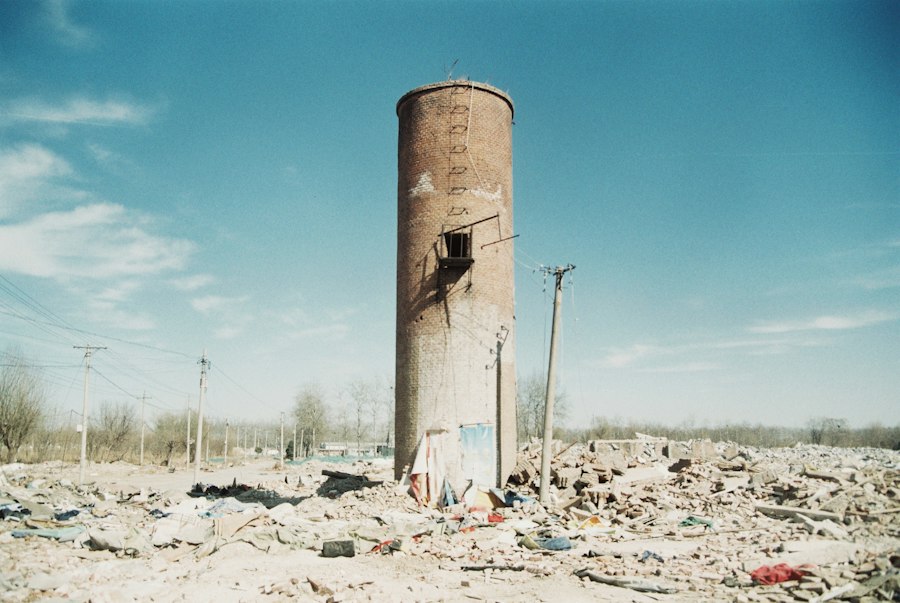
The immediate consequence of a nuclear detonation within a silo, whether accidental, intentional, or due to catastrophic failure, would be an explosion of unimaginable power. The blast wave, a rapidly expanding shockwave of compressed air, would vaporize everything in its immediate vicinity. Structures miles away would be flattened, and the sheer force of the explosion would create a massive crater, obliterating the landscape. The intensity of the blast would be directly proportional to the yield of the nuclear warhead, with larger yields leading to exponentially greater destruction.
Vaporization and Incineration: The Ground Zero Experience
At the epicenter of the blast, temperatures would reach tens of millions of degrees Celsius, instantly vaporizing all matter. For miles around, intense thermal radiation would ignite widespread fires, creating firestorms that would consume everything flammable. Buildings would be reduced to ash, and the heat would be so intense that it would leave permanent marks on the landscape. The immediate zone of devastation would be a landscape of absolute ruin, where the very concept of survival would be rendered moot.
The Shockwave’s Reach: Collapsing Infrastructure and Lifelines
Beyond the immediate vaporization, the blast wave would travel outwards, causing catastrophic damage to infrastructure for hundreds of miles. Buildings would collapse, bridges would buckle, and power grids would be instantly destroyed. The sheer force of the shockwave would flatten forests, shatter windows, and create a devastating sonic boom that would be heard for hundreds of miles. The destruction of essential lifelines – roads, communication networks, and power – would cripple any immediate response and make survival in the affected regions incredibly challenging.
Thermal Radiation: A Wave of Incineration
The intense heat generated by a nuclear explosion is another immediate and devastating consequence. For a significant distance from the blast, thermal radiation would cause severe burns and ignite fires. Unprotected individuals would suffer horrific injuries, and flammable materials would erupt into flames. The firestorms that could result from multiple ignition points would create self-sustaining infernos, further amplifying the destruction and making escape virtually impossible.
Immediate Burns and Ignition: The Scars of the Sun
The intense burst of thermal energy from a nuclear explosion would be akin to standing next to the sun for a brief, horrifying moment. For those exposed within a certain radius, severe, often fatal, burns would be instantaneous. Beyond direct burns, flammable materials like wood, paper, and fabric would spontaneously ignite, initiating a chain reaction of fires that could quickly spread and merge into a colossal firestorm. The heat alone would be enough to cause widespread devastation, even without the blast wave.
The Firestorm Phenomenon: A Self-Sustaining Inferno
In the aftermath of a nuclear detonation, especially in urban or densely vegetated areas, the multiple ignition points can coalesce into a terrifying phenomenon known as a firestorm. This occurs when the intense heat creates powerful updrafts, drawing in vast quantities of oxygen and fueling the inferno. The firestorm creates its own wind, making escape impossible and consuming everything in its path. The temperatures within a firestorm can exceed those of the initial blast, making it a truly apocalyptic event.
Radioactive Fallout: The Invisible Killer
Perhaps the most insidious and long-lasting consequence of a nuclear silo disaster is the release of radioactive fallout. The explosion would vaporize and atomize the earth and the missile itself, lifting vast quantities of radioactive material high into the atmosphere. This material would then be carried by winds, eventually settling back to earth in a widespread pattern, contaminating land, water, and air for years, even decades, to come.
Localized Contamination: The Immediate Danger Zone
In the immediate vicinity of the silo, the fallout would be highly concentrated and extremely dangerous. Within miles, levels of radiation could be lethal to anyone exposed for even a short period. This area would become a no-go zone, inaccessible and uninhabitable for generations. The contamination would not only affect living organisms but would also render the land unusable for agriculture and pose a severe long-term risk to human health.
Global Dispersal: A World Under Threat
Depending on the altitude and wind patterns, radioactive fallout can be carried across continents and even around the globe. While the most intense contamination would be localized, lower levels of radiation could spread widely, increasing the background radiation levels in affected areas. This global dispersal could have significant long-term health consequences for populations far removed from the initial blast site, leading to increased rates of cancer and genetic mutations.
The Extended Repercussions: A World Forever Changed

Environmental Devastation: A Scar on the Planet
The environmental impact of a nuclear silo disaster would be profound and long-lasting. Beyond the immediate destruction, the widespread release of radioactive materials would contaminate ecosystems, disrupting food chains and potentially leading to extinctions. The dust and debris thrown into the atmosphere could have a significant impact on global climate, potentially leading to a period of cooling. The recovery of affected environments would be a monumental undertaking, spanning generations.
Long-Term Contamination of Land and Water: A Poisoned Legacy
Radioactive isotopes released from a nuclear detonation have incredibly long half-lives, meaning they remain dangerous for thousands of years. This would render vast tracts of land uninhabitable and contaminate water sources, posing a continuous threat to human and animal health. The challenge of decontaminating these areas would be immense, requiring advanced technologies and a sustained, multi-generational effort. The long-term health impacts on surviving populations, including increased cancer rates and genetic abnormalities, would be a stark reminder of the disaster.
Impact on Global Climate: A Nuclear Winter Scenario
A large-scale nuclear event, especially one that injects significant amounts of dust and soot into the stratosphere, could trigger a phenomenon known as “nuclear winter.” This would involve a significant reduction in global temperatures, as sunlight is blocked by atmospheric debris. Such a drastic climate shift could lead to widespread crop failures, famine, and societal collapse. While a single silo disaster might not trigger a full-blown nuclear winter, it could contribute to more localized and prolonged climatic disruptions.
Societal Collapse: The Fragility of Civilization
The immediate aftermath of a nuclear silo disaster would see the breakdown of societal structures. Essential services like healthcare, law enforcement, and transportation would cease to function in the affected regions. Mass displacement of populations, coupled with the lack of resources and infrastructure, would lead to widespread panic, famine, and conflict. The psychological trauma inflicted on survivors would be immense, and the loss of life and infrastructure would set back human progress for decades, if not centuries.
Breakdown of Essential Services: The Loss of Order
In the immediate aftermath of a catastrophic nuclear event, the very fabric of society would begin to unravel. Power grids would be destroyed, communication networks silenced, and transportation systems rendered inoperable. Hospitals would be overwhelmed or destroyed, and law enforcement and emergency services would be incapable of responding to the scale of the disaster. This breakdown of essential services would lead to a desperate struggle for survival, with resources becoming scarce and competition escalating into conflict.
Mass Displacement and Humanitarian Crisis: The Exodus of Survivors
Survivors in the affected regions would face an immediate humanitarian crisis. Forced to flee contaminated areas and destroyed communities, millions would embark on desperate journeys in search of safety and resources. The sheer scale of displacement would overwhelm any existing humanitarian aid infrastructure, leading to widespread suffering, disease, and starvation. The world would face an unprecedented refugee crisis, with no clear solutions or easy answers.
The Global Geopolitical Landscape: A World Redefined
A nuclear silo disaster, even if contained to one nation, would have profound global geopolitical implications. The loss of a significant portion of a nuclear arsenal could destabilize the delicate balance of power between nuclear-armed states, potentially leading to increased tensions and the risk of further conflict. International cooperation would be essential for managing the fallout and the humanitarian crisis, but existing rivalries and mistrust could hinder effective global responses. The world order, as we know it, could be irrevocably altered.
Shifting Power Dynamics: The Fragility of Deterrence
The destruction of a significant number of nuclear missiles would inevitably alter the global balance of power. Nations that rely heavily on their nuclear arsenals for deterrence might find themselves vulnerable, potentially leading to increased assertiveness from adversaries or a desperate scramble to rebuild their capabilities. The concept of mutually assured destruction, while grim, has maintained a fragile peace; its disruption could usher in an era of heightened instability and increased risk of conventional or even nuclear conflict.
International Cooperation vs. Isolationism: A Test of Global Will
The response to a nuclear silo disaster would be a critical test of international cooperation. The immediate need for humanitarian aid, environmental remediation, and the management of potential global consequences would require unprecedented collaboration between nations. However, existing geopolitical tensions, nationalistic sentiments, and the fear of further escalation could also lead to isolationism and a reluctance to share resources or information. The choices made in the wake of such a catastrophe would determine the future trajectory of global relations.
The recent incident involving an Air Force nuclear missile silo has raised significant concerns about the safety protocols in place for such critical facilities. This disaster not only highlights the potential risks associated with nuclear arsenals but also underscores the importance of rigorous maintenance and oversight. For a deeper understanding of the implications of this event, you can read a related article that discusses the broader context of military preparedness and safety measures at In The War Room.
Prevention and Preparedness: Our Collective Responsibility
| Metric | Details |
|---|---|
| Date of Incident | August 21, 1980 |
| Location | Arkansas, United States |
| Missile Type | LGM-25C Titan II |
| Cause | Accidental drop of a socket during maintenance, causing fuel leak |
| Casualties | 1 fatality (Airman David Livingston) |
| Damage | Complete destruction of the missile silo and missile |
| Radiation Release | None detected |
| Response Time | Emergency teams responded within hours |
| Impact on Nuclear Arsenal | Loss of one Titan II missile from the U.S. inventory |
| Safety Improvements | Revised maintenance procedures and increased safety protocols |
Robust Safety Protocols: The First Line of Defense
The paramount importance of maintaining and continuously improving the safety protocols surrounding nuclear missile silos cannot be overstated. This includes rigorous training for personnel, redundant safety mechanisms within the systems, and constant vigilance against potential threats. The human element, while fallible, is also our greatest asset in ensuring the safe management of these weapons. Investing in the well-being and ongoing training of the individuals entrusted with these responsibilities is crucial.
Continuous Modernization and Maintenance: Staying Ahead of Obsolescence
As technology advances, so too must the systems that govern our nuclear arsenal. Regular modernization of hardware and software, coupled with meticulous maintenance schedules, is essential to prevent technological obsolescence from becoming a vulnerability. This requires sustained investment and a proactive approach to identifying and rectifying potential weaknesses before they can be exploited. The constant evolution of threats, particularly in the cyber realm, demands a dynamic and adaptive defense strategy.
Personnel Reliability Programs: The Human Safeguard
The effectiveness of any security system ultimately relies on the integrity and reliability of the individuals operating it. Comprehensive personnel reliability programs, including thorough background checks, ongoing psychological evaluations, and robust reporting mechanisms for concerns, are critical. Fostering a culture of accountability and encouraging open communication about any potential issues are vital to preventing insider threats and ensuring the highest standards of operational security.
International Arms Control: A Global Effort for De-escalation
While maintaining a deterrent is a cornerstone of national security, engaging in robust international arms control initiatives is equally vital in mitigating the risks associated with nuclear weapons. Treaties and agreements aimed at reducing nuclear arsenals, preventing proliferation, and fostering transparency can significantly lower the overall probability of a nuclear catastrophe. The global community shares a common interest in preventing such an event, and collaborative efforts towards de-escalation are essential.
Diplomacy and Verification: Building Trust and Transparency
The cornerstone of effective arms control lies in diplomacy and verifiable agreements. Open communication channels, mutual inspections, and transparent reporting mechanisms are crucial for building trust between nuclear-armed states. The ability to verify compliance with arms control treaties is essential for ensuring that agreements are honored and that no nation is gaining an unfair advantage. This requires a commitment to international cooperation and a willingness to engage in difficult but necessary conversations.
Non-Proliferation Efforts: Preventing the Spread of Nuclear Weapons
The proliferation of nuclear weapons to additional states or non-state actors significantly increases the risk of their use. Robust non-proliferation efforts, including diplomatic pressure, economic sanctions, and the secure management of fissile materials, are essential for preventing the spread of nuclear technology and weapons. The international community must remain vigilant in its efforts to ensure that nuclear weapons do not fall into the wrong hands.
Public Awareness and Education: A Foundation for Informed Policy
Understanding the catastrophic consequences of a nuclear missile silo disaster is not just the purview of policymakers and military strategists; it is a matter of public concern. Educating the public about the risks and realities of nuclear weapons, and the importance of preparedness and prevention, can foster a more informed and engaged citizenry. This, in turn, can support sound policies aimed at reducing nuclear threats and promoting global security.
The Stakes of Nuclear Weapons: A Constant Reminder
The potential for nuclear annihilation is a shadow that has loomed over humanity for decades. Public awareness campaigns and educational initiatives can serve as a vital reminder of the immense stakes involved in managing nuclear arsenals. By fostering a deeper understanding of the destructive power of these weapons and the devastating consequences of their use, society can be better equipped to advocate for policies that prioritize de-escalation, disarmament, and the prevention of nuclear catastrophe.
Supporting Preparedness and Response: A Collective Responsibility
In the unfortunate event of an incident, a well-informed public is better equipped to understand and support preparedness and response efforts. This includes understanding evacuation protocols, knowing how to access emergency resources, and contributing to community resilience. Preparedness is a collective responsibility, and public awareness plays a crucial role in ensuring that individuals and communities are as ready as possible to face any eventuality.
The specter of an Air Force nuclear missile silo disaster is a sobering reminder of the inherent risks associated with our most powerful weapons. While the likelihood of such an event may be statistically low, the potential consequences are so profound that they demand our unwavering attention. From the immediate annihilation and radioactive contamination to the long-term environmental and societal repercussions, the fallout from a single silo disaster could reshape our planet for millennia. Our collective responsibility lies in ensuring that the elaborate safeguards, rigorous protocols, and ongoing diplomatic efforts are perpetually prioritized, not as a guarantee against disaster, but as the most robust defense against an outcome that none of us can afford to contemplate. The silent guardians buried deep within the earth must remain just that – silent, secure, and a potent symbol of deterrence, never a harbinger of an unthinkable apocalypse.

How a Dropped Socket Destroyed a Titan II Missile
FAQs
What happened in the Air Force nuclear missile silo disaster?
In 1980, an Air Force nuclear missile silo disaster occurred at a missile launch facility in Arkansas. A maintenance technician dropped a wrench, which punctured the missile’s fuel tank, causing a massive explosion.
Were there any casualties in the Air Force nuclear missile silo disaster?
Fortunately, there were no casualties in the Air Force nuclear missile silo disaster. The explosion did not result in any fatalities, but it did cause significant damage to the missile and the launch facility.
Was there any radioactive contamination as a result of the Air Force nuclear missile silo disaster?
There was no radioactive contamination as a result of the Air Force nuclear missile silo disaster. The missile involved in the explosion did not contain any nuclear warheads, so there was no risk of radioactive exposure.
What was the aftermath of the Air Force nuclear missile silo disaster?
Following the Air Force nuclear missile silo disaster, the damaged missile was removed from the launch facility for further investigation. The incident prompted a review of safety protocols and procedures to prevent similar accidents in the future.
How did the Air Force respond to the nuclear missile silo disaster?
The Air Force conducted a thorough investigation into the nuclear missile silo disaster to determine the cause of the explosion and identify any lapses in safety protocols. The incident led to improvements in maintenance procedures and training to prevent similar accidents from occurring in the future.