
The Cold War era, a protracted period of geopolitical tension and ideological rivalry, was characterized by an ever-present threat of nuclear annihilation. At the heart of this existential dread lay the formidable arsenals of intercontinental ballistic missiles (ICBMs), the ultimate deterrent. Among these colossal weapons, the Titan II ICBM stood as a titan in name and stature, a symbol of American military might and a silent, potent guardian of the free world. However, the sheer power and complexity of these nuclear behemoths also harbored inherent dangers, a reality starkly illuminated by the devastating accident at the Damascus, Arkansas missile silo on September 19, 1980. The documentary “Deadly Countdown: Titan II ICBM Accident” ventures into the heart of this cataclysmic event, meticulously dissecting its causes, consequences, and the enduring lessons it imparted. This article delves into the documentary’s compelling narrative, exploring the technical intricacies, human elements, and the broader implications of this near-disaster.
The Specter of Nuclear Brinkmanship
The Cold War was a delicate dance on the edge of destruction. Both the United States and the Soviet Union poured immense resources into developing and deploying intercontinental ballistic missiles, capable of delivering nuclear warheads across vast distances. The Titan II, the largest and most powerful ICBM in the U.S. arsenal, represented the pinnacle of this technological arms race. Its sheer destructive capability was intended to be a powerful deterrent, ensuring that any aggression from the Soviet Union would be met with an equally devastating response. However, the documentary underscores that the very nature of such immense power demanded an unprecedented level of engineering precision and operational vigilance. The inherent risks associated with handling volatile propellants, complex guidance systems, and nuclear warheads were a constant, albeit often unspoken, concern.
The Genesis of the Titan II Program
The development of the Titan II was a direct response to the Soviet Union’s growing missile capabilities. It was designed to be a more advanced and potent successor to earlier ICBM models. The program involved a monumental undertaking, pushing the boundaries of engineering and scientific innovation at the time.
Technological Advancements and Their Double-Edged Sword
The Titan II incorporated significant technological advancements, including a two-stage liquid-fueled rocket and a sophisticated inertial guidance system. While these innovations enhanced its range and accuracy, they also introduced new complexities and potential failure points. The use of hypergolic propellants, while offering quick ignition, presented its own set of hazards.
The Deterrent Factor and the Shadow of Fear
The presence of Titan II missiles, strategically placed in silos across the United States, was meant to project an image of unassailable strength. Yet, for those living in proximity to these sites, the knowledge of what lay beneath the earth was a constant source of underlying anxiety. The documentary effectively captures this duality of security and fear that permeated the Cold War landscape.
The Titan II ICBM accident documentary sheds light on the critical moments surrounding one of the most significant nuclear mishaps in history. For those interested in exploring more about the implications of such incidents on military protocols and safety measures, a related article can be found at this link: here. This article delves into the broader context of nuclear weapon safety and the lessons learned from past accidents, providing valuable insights into how these events have shaped current defense strategies.
The Unforeseen Catastrophe: The Damascus Incident
The documentary meticulously reconstructs the events of September 19, 1980, a night that forever etched the name Damascus, Arkansas, into the annals of military history. The seemingly routine maintenance operation within silo 374-7 would tragically devolve into a chaotic struggle for survival, a testament to the unforgiving nature of the technology involved.
The Spark That Ignited the Inferno
The incident began with a seemingly minor event: a dropped wrench during maintenance on the missile’s first stage. This seemingly insignificant accident initiated a chain reaction of catastrophic proportions. The documentary spares no detail in illustrating how this single oversight led to a breach in the fuel system.
The Volatile Nature of Titan II Propellants
The Titan II utilized a highly volatile mixture of fuels: nitrogen tetroxide as the oxidizer and unsymmetrical dimethylhydrazine as the fuel. These hypergolic propellants ignite on contact, a characteristic that made them efficient for rapid launch but incredibly dangerous if mishandled. The documentary vividly portrays the corrosive and toxic nature of these substances.
The Initial Breach and the Spreading Contamination
The dropped wrench caused a dent in the missile’s skin, leading to a slow leak of the highly corrosive propellants. This leak then came into contact with the air, igniting a fire within the silo. The documentary emphasizes how the containment systems, designed to handle minor leaks, were overwhelmed by the escalating situation.
A Race Against Time: The Human Response to Disaster
As the fire raged within the silo, a desperate and courageous effort unfolded above ground. The documentary highlights the bravery and professionalism of the Titan II crews, who found themselves in an unimaginable predicament. Their actions, often under immense pressure and facing unprecedented danger, are central to the narrative.
The Valor of the Missileers and Technicians
The men on duty at the Damascus silo, along with responding emergency crews, demonstrated remarkable courage. They faced the immediate threat of explosion and the insidious danger of toxic fumes, all while working to contain the disaster and prevent an even greater catastrophe. The documentary showcases interviews with survivors who recount their harrowing experiences.
The Difficult Decisions Under Extreme Pressure
The documentary delves into the agonizing decisions faced by commanders and the personnel on the ground. They had to weigh the risks of direct intervention against the potential consequences of inaction. The film effectively conveys the psychological toll of such decisions, where the fate of thousands could hinge on a single choice.
The Ticking Clock of a Nuclear Catastrophe
The paramount concern throughout the crisis was the potential detonation of the nuclear warhead. The documentary vividly illustrates the “deadly countdown,” the terrifying realization that the escalating fire and explosions could trigger the warhead’s safety mechanisms, leading to a nuclear detonation. This ever-present threat amplified the urgency of every action taken.
The Devastating Aftermath: Damage, Danger, and Displaced Lives
While the Titan II did not detonate, the accident inflicted significant damage and posed lingering dangers. The documentary meticulously details the physical destruction within the silo and the widespread contamination that forced the evacuation of the surrounding area.
The Silo’s Demise and the Impact on the Landscape
The explosions within the silo were immense, tearing through the concrete and steel structure. The documentary uses archival footage and expert analysis to demonstrate the sheer force of these events and the lasting impact on the missile site itself.
The Contamination of the Environment
The release of toxic propellants and radioactive materials, albeit in a contained manner compared to a nuclear detonation, raised serious environmental concerns. The documentary explores the cleanup efforts and the long-term implications for the surrounding ecosystem.
The Displacement of a Community
The immediate threat to life and health necessitated the evacuation of residents in the vicinity of the silo. The documentary touches upon the disruption and trauma experienced by these individuals, forced to leave their homes amidst a terrifying crisis.
The Titan II ICBM accident documentary provides a gripping insight into one of the most significant nuclear mishaps in history, showcasing the potential dangers of Cold War-era military technology. For those interested in exploring further, a related article on the complexities of nuclear deterrence and the implications of such accidents can be found at In the War Room. This piece delves into the broader context of nuclear strategy and the lessons learned from past incidents, making it a valuable companion to the documentary.
Lessons Forged in Fire: The Enduring Legacy of the Titan II Disaster
The Damascus accident, while a horrific event, served as a stark and unforgettable lesson for the military and the nation. The documentary emphasizes that the knowledge gained from this disaster had a profound and lasting impact on nuclear weapons safety protocols and military operations.
Re-evaluating Safety Protocols and Procedures
The incident triggered a comprehensive review of safety procedures related to the maintenance and handling of ICBMs. The documentary highlights the implementation of stricter protocols, improved training, and enhanced safety equipment to prevent similar accidents from occurring.
The Human Element in Technological Safeguards
The “Deadly Countdown” documentary underscores that even the most advanced technology is susceptible to human error. The accident served as a powerful reminder of the critical importance of human vigilance, proper training, and a culture of safety within military operations.
The Ongoing Vigilance in the Face of Nuclear Threats
While the Cold War has ended, the existence of nuclear weapons remains a global concern. The documentary’s narrative serves as a timely reminder of the inherent dangers associated with these weapons and the perpetual need for rigorous safety measures and responsible stewardship. The Titan II disaster, though a relic of a bygone era, continues to echo as a cautionary tale, a testament to the immense power and the profound responsibility that comes with the custodianship of weapons of mass destruction. The documentary’s comprehensive examination ensures that the lessons learned from this near-catastrophe are not forgotten, serving as a vital part of the ongoing global dialogue on nuclear safety and arms control. The meticulous reconstruction of events, the poignant testimonies of those involved, and the expert analysis combine to create a powerful and essential piece of historical documentation. It is a stark reminder that the threat of nuclear disaster, even in peacetime, is a shadow that has never fully receded. The documentary, in its unflinching portrayal of the Damascus incident, ensures that the sacrifices and the lessons learned are preserved, offering a vital perspective on the complex and perilous world of nuclear deterrence. The Titan II, once a symbol of ultimate power, now stands in historical memory as a potent reminder of the fragility of peace and the ever-present need for caution and responsibility when dealing with forces that could reshape the planet.
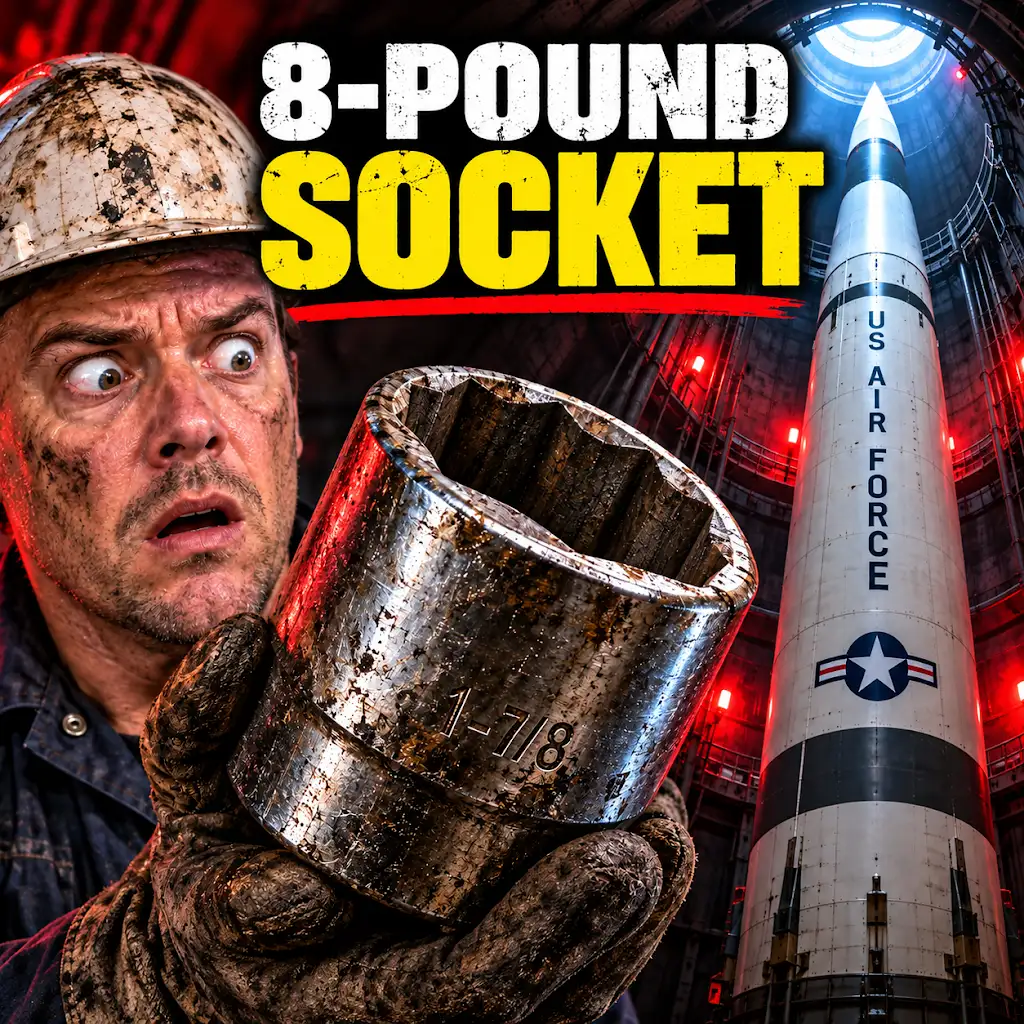
How a Dropped Socket Destroyed a Titan II Missile
FAQs
What is the Titan II ICBM accident documentary about?
The documentary explores the 1980 Titan II missile explosion in Arkansas, which was one of the most serious nuclear accidents in U.S. history.
When did the Titan II missile explosion occur?
The Titan II missile explosion occurred on September 19, 1980, at a missile silo near Damascus, Arkansas.
What caused the Titan II missile explosion?
The explosion was caused by a maintenance accident when a socket fell from a wrench, puncturing the missile’s fuel tank and leading to a catastrophic explosion.
What are some key points covered in the documentary?
The documentary delves into the events leading up to the explosion, the response efforts by emergency personnel, and the impact of the accident on the local community and the broader nuclear disarmament movement.
Where can I watch the Titan II ICBM accident documentary?
The documentary may be available for streaming on various platforms such as Netflix, Amazon Prime, or other streaming services. Check the respective platforms for availability.