The cold, sterile air of the missile silo hummed with a low, almost imperceptible thrum. It was a symphony of advanced engineering, a testament to the nation’s commitment to deterrence. Within this subterranean fortress, a team of highly trained technicians meticulously carried out their duties, ensuring the Titan II missile, a gargantuan weapon of unimaginable power, remained in peak operational readiness. This was a world of precision, where every bolt, every valve, every electronic circuit was scrutinized with an unwavering gaze. Yet, even in this highly controlled environment, the unexpected could, and tragically did, occur, leaving an indelible scar on the annals of military history and offering profound lessons for future generations of engineers and technicians.
The Titan II missile program represented a significant leap in strategic weaponry. These behemoths, standing over 100 feet tall, were armed with the most potent warheads of their time. Their maintenance was a complex and hazardous undertaking, demanding the utmost skill and adherence to stringent protocols. It was within this demanding context that the events of September 18, 1980, at the Damascus, Arkansas, Air Force Station, unfolded, forever altering the perception of risk and the importance of meticulous procedure.
The Initial Spark: A Routine Operation Gone Awry
The primary objective of the maintenance crew on that fateful day was to replace a component within the missile’s second stage. This was not an unusual task; routine servicing was a cornerstone of ensuring the missile’s reliability. However, the execution of this seemingly standard procedure would trigger a chain of events far more devastating than anyone could have predicted. A dropped wrench, a seemingly minor oversight, became the catalyst. This falling tool, heavy and metallic, struck a fuel pump within the missile’s propellant system.
The Genesis of Catastrophe: Leaking Propellant
The impact, while not immediately explosive, had a critical consequence: it ruptured a seal on the fuel pump, initiating a slow but steady leak of hypergolic propellant. Hypergolic fuels are a class of propellants that ignite spontaneously upon contact with each other, eliminating the need for an ignition system. This inherent characteristic, while advantageous for missile reliability, also made them exceptionally dangerous in the event of a leak. The highly volatile nature of these substances meant that even a small quantity escaping its containment posed a significant threat.
The Silent Accumulation: An Invisible Danger
As the propellant seeped from the compromised pump, it began to accumulate in the confined space of the silo. The air, typically managed for specific atmospheric conditions, became increasingly saturated with these volatile vapors. This insidious accumulation was largely invisible to the maintenance crew, who were focused on the task at hand, unaware of the growing peril surrounding them. The lack of immediate, dramatic signs masked the escalating danger, creating a false sense of security.
The Triggering Event: A Glimmer of Ignorance
The precise moment of ignition remains a subject of detailed forensic analysis, but the prevailing understanding points to a secondary event. It is believed that a minor spark, potentially generated by the ongoing maintenance activities or even static electricity, ignited the accumulated hypergolic vapors. This initial ignition, while not the catastrophic explosion that followed, was sufficient to set off a chain reaction within the missile’s propellant system.
The Titan II missile maintenance accident remains one of the most significant incidents in U.S. military history, highlighting the critical importance of safety protocols in handling nuclear weapons. For a deeper understanding of the implications and lessons learned from this tragic event, you can read a related article that explores the details and aftermath of the accident. For more information, visit this article.
The Devastating Eruption: A Test of Resilience
The ignition of the hypergolic propellants within the Titan II missile silo was not a localized event. The volatile nature of these fuels meant that the initial ignition rapidly escalated into a much larger and more destructive force. The resulting explosion, while not a nuclear detonation, was of immense power, fundamentally altering the landscape of the missile site and underscoring the immense destructive potential of conventional, albeit highly potent, weaponry.
The Inferno Within: Uncontrolled Combustion
The spontaneous ignition of the hypergolic propellants led to an immediate and uncontrolled combustion process. This was not a contained burn; it was a violent and rapid release of energy. The confined environment of the silo acted as a powerful amplifier for this combustion, concentrating the destructive force. The sheer intensity of the chemical reaction generated extreme heat and pressure, overwhelming the structural integrity of the missile and its containment systems.
The Breach of Containment: A Wave of Destruction
The escalating pressure within the silo eventually exceeded the design limits, leading to a catastrophic breach of containment. The missile’s formidable structure was no match for the unleashed fury. The explosion ripped through the silo, sending shockwaves outwards and projecting debris over a considerable area. This was not merely an explosion of fuel; it was an explosion that tore apart a multi-million dollar piece of military hardware.
The Warhead’s Unfortunate Ascent: A Terrifying Spectacle
Perhaps the most chilling aspect of the incident was the fate of the missile’s nuclear warhead. The explosion, while not detonating the warhead itself, was powerful enough to eject it from the missile. The warhead, still intact, was propelled hundreds of feet into the air, landing several hundred yards away from the silo. This was a terrifying spectacle, a stark reminder of the immense destructive potential held within these weapons and the horrifying consequences should containment fail.
The Aftermath: A Scarred Landscape and a Nation’s Concern
The immediate aftermath of the eruption was one of shock and disbelief. The silo was a scene of utter devastation. The explosion had obliterated the missile, leaving behind a crater and a smoldering ruin. Debris was scattered across the surrounding countryside, a tangible testament to the force of the blast. The incident sent ripples of concern across the nation, highlighting the inherent risks associated with maintaining such powerful weapons systems.
The Human Cost: Courage Amidst Calamity

While the destruction of military hardware and the proximity of a nuclear warhead understandably dominated immediate concerns, the human element of the Titan II missile maintenance accident cannot be overstated. The bravery, quick thinking, and ultimate sacrifice of the personnel involved are a crucial part of the narrative and a source of invaluable lessons in emergency response and leadership.
Heroism Under Fire: The First Responders
As the dust settled and the initial shock subsided, the true heroes of the day began to emerge. The first responders, comprised of both military personnel and civilian emergency services, demonstrated extraordinary courage. They navigated a hazardous and unstable environment, characterized by lingering fuel vapors, potential secondary explosions, and the ever-present danger posed by the dislodged warhead. Their immediate actions were critical in preventing further loss of life and mitigating the extent of the damage.
The Sacrifice of the Brave: A Grim Toll
Tragically, the accident claimed the lives of two individuals. Sergeant Michael G. Carlson and Airman First Class Mark L. Williams, both members of the maintenance crew, perished in the initial explosion. Their sacrifice serves as a somber reminder of the inherent dangers faced by those who work with such potent technology. Their bravery in the face of overwhelming odds is a testament to their dedication and commitment.
Evacuation and Containment: Containing the Uncontainable
The presence of the dislodged nuclear warhead presented a unique and terrifying challenge. Immediate evacuation protocols were implemented, ensuring the safety of personnel and civilians in the surrounding area. Military and civilian agencies worked in close coordination to establish a perimeter and develop a strategy for safely securing and removing the warhead. This operation was conducted with the utmost caution and precision, highlighting the expertise and dedication of the teams involved.
Long-Term Health Concerns: The Invisible Scars
Beyond the immediate dangers, the exposure to hypergolic propellants and other hazardous materials raised long-term health concerns for those involved in the cleanup and recovery efforts. The volatile chemicals could have lingering effects, necessitating ongoing medical surveillance and care for affected personnel. This underscores the importance of understanding and mitigating the full spectrum of risks associated with such incidents, both immediate and long-term.
Re-evaluating Safety Protocols: A Paradigm Shift
The Titan II missile maintenance accident served as a brutal, yet necessary, wake-up call. It exposed critical vulnerabilities in existing safety procedures and mandated a comprehensive re-evaluation of how such high-risk operations were conducted. The lessons learned from this catastrophic event fundamentally reshaped safety protocols within the military and had a lasting impact on industrial safety practices globally.
The Anatomy of Failure: Identifying the Weak Links
A thorough and unflinching investigation into the accident was immediately launched. This investigation aimed to meticulously dissect the sequence of events, identifying every contributing factor, no matter how seemingly minor. The focus was not on assigning blame but on understanding the systemic weaknesses that allowed such a tragedy to occur. This included examining the design of the missile and its systems, the training of personnel, and the adequacy of the established safety procedures.
Strengthening Procedural Integrity: From Protocol to Practice
The investigation revealed that while protocols existed, their implementation and oversight had critical gaps. The accident highlighted the need for a more rigorous and disciplined approach to procedural adherence. This led to the reinforcement of existing protocols and the development of new, more stringent guidelines. Emphasis was placed on ensuring that every step of a maintenance operation was understood, validated, and executed with absolute precision.
Enhanced Training and Simulation: Preparing for the Worst
Recognizing that human error, even with the best intentions, can have devastating consequences, a significant focus was placed on enhancing training and simulation. Technicians were subjected to more rigorous and realistic training scenarios, including extensive use of simulators that replicated the complexities and dangers of missile maintenance. This allowed personnel to practice critical procedures in a safe environment, building muscle memory and improving decision-making under pressure.
Material Science and Engineering Innovations: Building Resilience
The accident also spurred advancements in material science and engineering. The properties of hypergolic propellants and the materials used in missile construction were re-examined. This led to the development of more robust containment systems, improved leak detection technologies, and the exploration of less volatile propellant alternatives where feasible. The goal was to build greater resilience into the systems themselves, reducing the likelihood of catastrophic failure.
The Role of Human Factors: Beyond Mechanical Malfunction
A crucial lesson learned was the importance of considering human factors in safety design. This involved understanding how stress, fatigue, and the complex interplay of human decision-making could contribute to accidents. Safety protocols were redesigned to incorporate checks and balances that mitigated the impact of human error and promoted a culture of proactive safety awareness.
The Titan II missile maintenance accident remains a significant event in the history of U.S. military operations, highlighting the potential dangers associated with handling nuclear weapons. For those interested in exploring this topic further, a related article can be found at In The War Room, which delves into the complexities of missile maintenance and the lessons learned from past incidents. Understanding these events is crucial for ensuring the safety and security of military assets in the future.
Legacy and Enduring Impact: A Constant Vigilance
| Metric | Details |
|---|---|
| Date of Accident | August 9, 1980 |
| Location | Little Rock Air Force Base, Arkansas, USA |
| Missile Type | Titan II Intercontinental Ballistic Missile (ICBM) |
| Cause of Accident | Dropped socket wrench punctured missile’s fuel tank |
| Fuel Type | Aerozine 50 (fuel) and nitrogen tetroxide (oxidizer) |
| Casualties | 1 fatality (Airman David Livingston) |
| Damage | Missile silo destroyed, extensive damage to launch complex |
| Radiation Release | None reported |
| Response Time | Emergency evacuation and fire suppression within minutes |
| Impact on Program | Accelerated decommissioning of Titan II missile system |
The Titan II missile maintenance accident at Damascus, Arkansas, is more than just a historical footnote; it is a living legacy that continues to inform safety practices today. The sacrifices made and the hard-won lessons learned have instilled a profound sense of responsibility and a commitment to constant vigilance within industries that handle hazardous materials and complex technologies.
The Titan II Program’s Demise: A Chapter Closed
In the wake of the accident, and as part of a broader strategic shift, the Titan II missile program was eventually phased out. While this was a pre-existing plan, the Damascus incident undoubtedly underscored the inherent risks associated with such a powerful and complex weapons system. The closure of the program marked the end of an era, but the lessons learned would continue to shape future endeavors.
Industrial Safety Standards: A Ripple Effect
The impact of the accident extended far beyond the military. The principles of meticulous procedure, rigorous training, and a proactive approach to risk management that were reinforced following the Titan II incident became integral to industrial safety standards across various sectors. From aerospace to chemical processing, the emphasis on preventing catastrophic failures due to human error or systemic weaknesses became paramount.
The Culture of Safety: A Shared Responsibility
Perhaps the most enduring legacy is the fostering of a robust “culture of safety.” This is not merely a set of rules but a pervasive mindset where every individual, regardless of their role, understands their responsibility in preventing accidents. It encourages open communication about potential hazards, a willingness to question unsafe practices, and a collective commitment to continuous improvement.
Memorialization and Education: Remembering the Lessons
The sacrifices of Sergeant Carlson and Airman Williams are remembered and honored. Educational programs and historical accounts of the accident serve as vital tools for training new generations of engineers, technicians, and military personnel. By understanding the causes and consequences of past tragedies, future generations are better equipped to avoid repeating them.
The Unseen Vigil: Ongoing Prevention Efforts
The principles derived from the Titan II accident continue to guide ongoing efforts in risk assessment, hazard mitigation, and safety system design. The commitment to learning from past mistakes fuels innovation and ensures that the pursuit of technological advancement is always tempered by an unwavering dedication to the safety and well-being of those who operate and maintain these powerful systems. The silent hum of machinery, whether in a missile silo or a sophisticated industrial plant, serves as a constant reminder of the imperative for vigilance, precision, and an unyielding respect for the forces that lie beneath the surface.
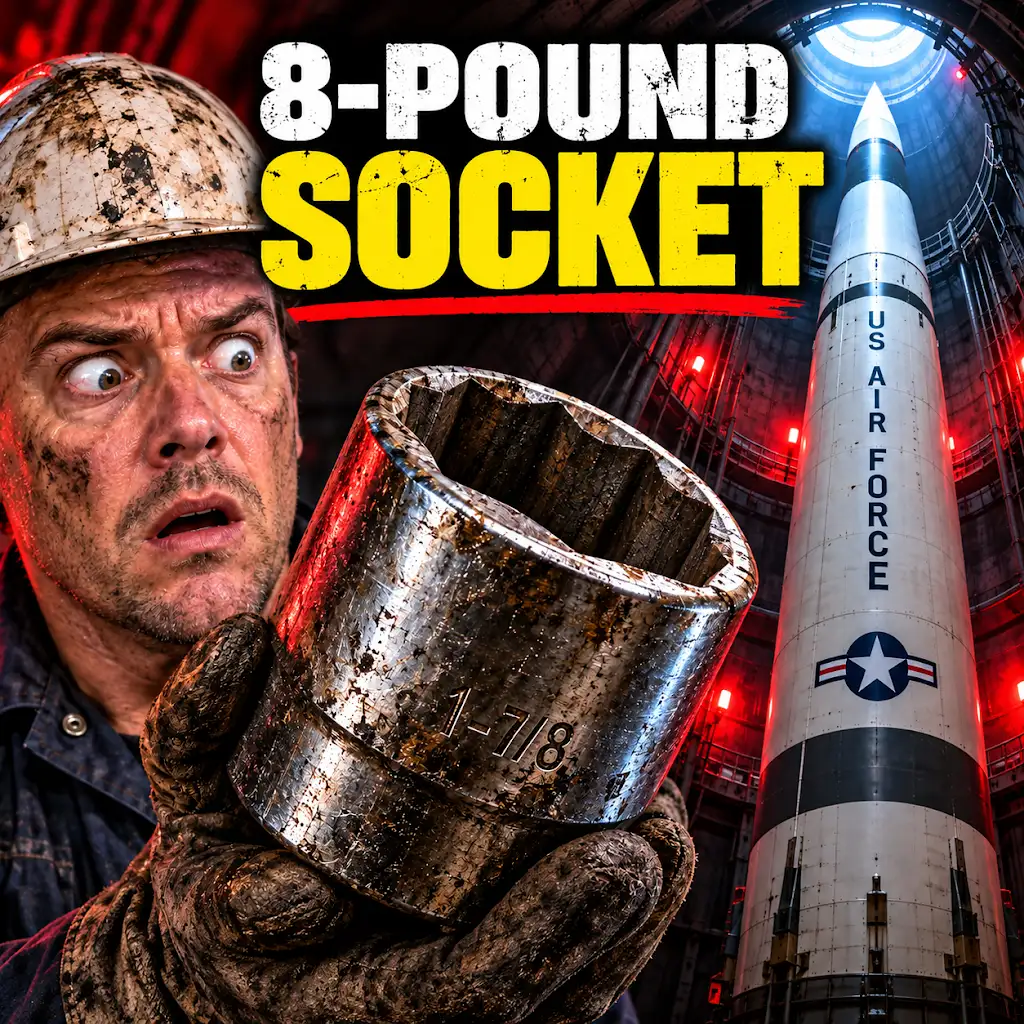
How a Dropped Socket Destroyed a Titan II Missile
FAQs
What is a Titan II missile?
A Titan II missile is an intercontinental ballistic missile (ICBM) developed by the United States during the Cold War. It was designed to carry a nuclear warhead.
What happened during the Titan II missile maintenance accident?
During the Titan II missile maintenance accident, a technician dropped a wrench socket, which punctured the missile’s fuel tank. This led to a catastrophic explosion.
When did the Titan II missile maintenance accident occur?
The Titan II missile maintenance accident occurred on September 19, 1980, at a missile silo near Damascus, Arkansas.
What were the consequences of the Titan II missile maintenance accident?
The explosion resulted in the death of one Air Force member and the injury of 21 others. It also caused the release of toxic fuel, leading to environmental contamination.
How did the Titan II missile maintenance accident impact the Titan II missile program?
Following the accident, the Titan II missile program faced increased scrutiny and safety concerns. The incident highlighted the risks associated with maintaining and operating nuclear weapons.