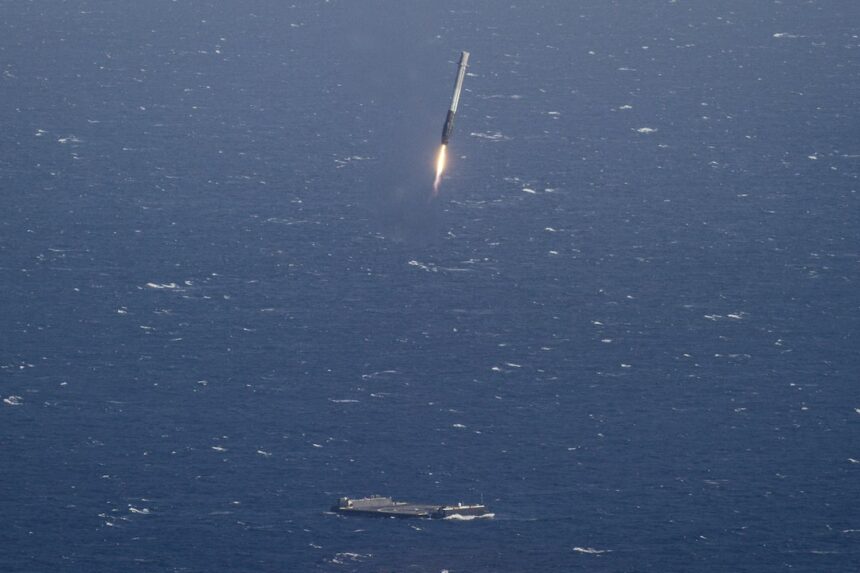
The hushed halls of the aerospace engineering firm were usually filled with the quiet hum of innovation and the click of keyboards. Today, however, a palpable silence had descended, heavy with dread. A catastrophic failure during a routine test of the newly developed ‘Stryker’ missile had not only destroyed the prototype but had also claimed the lives of three highly respected engineers. The official investigation was swift, comprehensive, and ultimately, led to an astonishing conclusion: an ordinary, unassuming tool had been the silent, deadly culprit.
A Routine Test Gone Awry
The Stryker missile, a project lauded for its advanced propulsion system and stealth capabilities, was on the cusp of a critical ground test. This was not a high-stakes live fire exercise, but a carefully controlled simulation designed to stress-test individual components and subsystems. The atmosphere, while professional, was tinged with the quiet excitement that precedes a significant milestone. The team, comprised of some of the brightest minds in the industry, meticulously followed protocol, their movements precise and practiced. They had prepared for every conceivable scenario, from software glitches to structural fatigue. What they had not prepared for, what no one could have anticipated, was the role of a simple, everyday object.
The Chain of Events
The sequence of events, pieced together through painstaking forensic analysis, painted a picture of an almost unfathomable chain reaction. During the integration of a crucial guidance system component, a minor adjustment was required. This adjustment involved the use of a standard, off-the-shelf torque wrench. The engineer performing the task, a seasoned veteran with an impeccable safety record, followed the prescribed torque specifications to the letter. However, it was the subtle, almost imperceptible flaw in that wrench, a flaw born not of malice but of wear and tear, that initiated the disaster.
The Butterfly Effect in Engineering
The concept of the butterfly effect, often relegated to weather patterns and chaotic systems, had found a terrifyingly tangible manifestation in the sterile environment of a missile test bay. A minute deviation in the applied torque, perhaps a fraction of a Newton-meter more than specified, created a micro-fracture within a critical alloy bolt. This bolt, seemingly insignificant in isolation, was part of a complex assembly that subjected the entire structure to immense forces during the test firing sequence. The micro-fracture, undetected, served as a stress riser, a point of weakness waiting to be exploited.
In a recent article on the potential dangers of everyday tools being misused in military contexts, the discussion highlights how ordinary items can inadvertently lead to catastrophic outcomes, such as missile disasters. This serves as a reminder of the importance of strict regulations and training in handling equipment that could be repurposed for harmful uses. For more insights on this topic, you can read the full article at In the War Room.
The Tool: A Deceptive Ordinary
The Torque Wrench: A Standard Instrument
The torque wrench, a tool familiar to mechanics, carpenters, and engineers alike, is designed to apply a precise amount of rotational force to a fastener. Its purpose is to ensure that components are tightened to the correct specification, preventing both over-tightening (which can strip threads or damage materials) and under-tightening (which can lead to loosening and failure). The wrench used in the Stryker incident was a widely available, commercially produced model, not a specialized aerospace component. Its very ordinariness made its failure all the more shocking.
####

How a Dropped Socket Destroyed a Titan II Missile
FAQs

1. What was the cause of the missile disaster mentioned in the article?
The missile disaster was caused by an ordinary tool being mistakenly left inside the missile during maintenance.
2. How did the presence of the ordinary tool lead to the disaster?
The tool interfered with the proper functioning of the missile’s systems, causing it to malfunction and ultimately explode.
3. Were there any casualties or injuries as a result of the missile disaster?
Yes, there were casualties and injuries reported as a result of the missile disaster, highlighting the importance of proper maintenance procedures.
4. What measures can be taken to prevent similar incidents in the future?
To prevent similar incidents in the future, strict maintenance protocols should be followed, including thorough checks to ensure no tools or foreign objects are left inside missiles or other equipment.
5. Has there been any investigation or accountability for the missile disaster?
Investigations are likely to be conducted to determine the exact causes of the missile disaster and to hold accountable those responsible for the oversight that led to the incident.