
The Korean Demilitarized Zone (DMZ), a stark 250-kilometer-long and 4-kilometer-wide scar across the Korean Peninsula, is a potent symbol of a divided nation. For decades, this heavily fortified border has been a source of tension and a potent reminder of the unresolved Korean War. Yet, amidst the barbed wire, landmines, and the ever-present threat of conflict, a remarkable operation has been underway – the DMZ Tree Cutting Operation. Far from being an act of destruction, this initiative represents a meticulous and vital endeavor focused on preserving peace and enhancing security, a delicate balancing act in one of the world’s most volatile regions.
The DMZ Tree Cutting Operation did not emerge from a vacuum. Its roots are deeply embedded in the historical context of the Korean Armistice Agreement of 1953, which halted active hostilities but left the peninsula divided and technically at war. The DMZ, established by this agreement, was intended to serve as a buffer zone, a physical separation to prevent further bloodshed. However, over time, the natural landscape within this buffer zone evolved, presenting new challenges to the established security framework.
The Armistice Agreement and its Implications
The 1953 Armistice Agreement was a fragile cease-fire, not a peace treaty. It established the Military Demarcation Line (MDL) as the de facto border and created the DMZ extending 2 kilometers north and 2 kilometers south of the MDL. Within this zone, both North and South Korea agreed to withdraw their forces, leaving it largely uninhabited and unmanaged, save for periodic patrols and observation posts. This lack of active management, while intended to de-escalate, inadvertently created an environment where natural growth could become a security concern.
Evolving Security Landscape and the Need for Visibility
As decades passed, the vegetation within the DMZ, particularly trees, grew to significant heights. While appearing innocuous to the casual observer, this unchecked growth began to pose tangible security risks. Dense foliage obstructed lines of sight for surveillance, creating blind spots that could be exploited by adversaries. Moreover, large trees could provide cover for clandestine movements and even serve as potential launching points for unauthorized reconnaissance activities. The original intent of the DMZ as an open buffer zone was being compromised by the very forces of nature it encompassed.
A Collaborative Endeavor: North and South Korean Cooperation
The most astonishing aspect of the DMZ Tree Cutting Operation is its collaborative nature. In a region synonymous with hostility and mistrust, this operation stands as a rare instance of inter-Korean cooperation. It is a testament to the understanding that certain shared security concerns can transcend political divides, even if only in a limited and pragmatic manner. The agreement to undertake such an operation, and its subsequent execution, underscores the complex and often contradictory realities of the Korean Peninsula.
The recent tree-cutting operation along the Korean Demilitarized Zone (DMZ) has sparked significant discussions regarding its implications for both environmental conservation and military tensions in the region. For a deeper understanding of the complexities surrounding this issue, you can read a related article that explores the historical context and current ramifications of such actions. Check it out here: related article.
Strategic Objectives of the Tree Cutting Operation
The primary driver behind the DMZ Tree Cutting Operation is the enhancement of security and the mitigation of potential threats. While the act of felling trees might seem straightforward, the strategic objectives behind it are multifaceted and deeply intertwined with the ongoing security posture of both Koreas. This operation is not about deforestation for economic gain, but rather about carefully managing the environment to maintain a clear and defensible buffer.
Enhancing Surveillance and Early Warning Systems
The most immediate and palpable objective is the improvement of surveillance capabilities. Dense tree cover significantly hampers the effectiveness of visual observation posts, aerial reconnaissance, and even sophisticated sensor systems. By carefully clearing specific areas, South Korea (and to a lesser extent, North Korea) can re-establish clear lines of sight, allowing for more effective monitoring of enemy movements, troop build-ups, or any unusual activity near the border.
Countering Covert Infiltration
The ability to see and be seen is paramount in a high-stakes security environment like the DMZ. Thick forests can provide ideal cover for small infiltration units attempting to cross the MDL undetected. The tree cutting operation aims to eliminate these natural hiding places, making any attempt at covert crossing significantly more difficult and increasing the likelihood of early detection.
Strengthening Early Warning Capabilities
Early warning is crucial in preventing escalations. By ensuring unobstructed visibility, military personnel can gain precious minutes or even hours to identify potential threats and respond accordingly. This could involve anything from detecting unauthorized patrols to identifying the positioning of artillery or missile systems. The cleared areas act as a buffer against surprise and allow for a more proactive defense.
Facilitating Defensive Infrastructure Development
Beyond mere surveillance, the operation also facilitates the development and maintenance of essential defensive infrastructure. This includes the creation of clear zones for minefield maintenance, the construction of additional observation posts, and the positioning of defensive fortifications. Unimpeded access is vital for the regular inspection and repair of these critical security elements.
Minefield Maintenance and Safety
The DMZ is one of the most heavily mined areas in the world. Regular maintenance and sweeping of these minefields are essential for the safety of patrols and for ensuring the integrity of the defensive perimeter. Dense vegetation can obscure minefield boundaries, making these tasks hazardous. Clearing trees in strategic locations allows for safer and more efficient minefield management.
Constructing and Maintaining Observation Posts
The effectiveness of observation posts is directly tied to their visibility. Cutting down trees that obstruct their field of view is essential to ensure that these critical vantage points can fulfill their surveillance role effectively. Furthermore, accessing these posts for maintenance and resupply requires clear pathways, which are created or maintained through the tree cutting operation.
Deterrence Through Visibility
The very act of maintaining clear lines of sight within the DMZ serves as a powerful deterrent. It signals to the opposing side that their movements are being closely monitored and that any aggressive actions are likely to be detected. This increased transparency, ironically achieved through the removal of natural cover, contributes to the overall stability of the region by reducing the potential for miscalculation and surprise.
The Methodologies and Challenges of the Operation
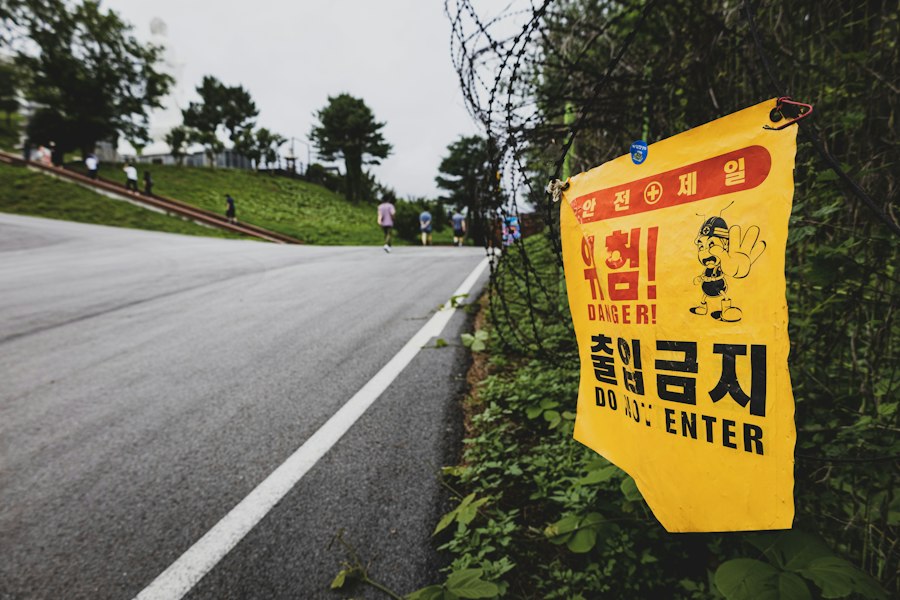
The DMZ Tree Cutting Operation is not a simple matter of indiscriminate logging. It is a meticulously planned and executed endeavor, fraught with unique challenges stemming from the dangerous environment in which it takes place. The decision of which trees to cut, where, and how is a complex calculation involving security assessments, environmental considerations, and the ever-present risk of accidental escalation.
Precision Selection of Trees
The operation is characterized by its selective approach. Not all trees within the DMZ are targeted. Instead, specific trees that pose a direct threat to security are identified. This often includes trees that have grown tall enough to obstruct sightlines, trees that are located in proximity to sensitive border areas, or those that could provide cover for illicit activities.
Expert Assessment and Identification
Teams of military engineers and security analysts meticulously assess the landscape to identify trees that need to be removed. This involves detailed site surveys, consideration of patrol routes, and an understanding of potential enemy tactics. The goal is to optimize visibility without unnecessarily altering the broader ecological balance of the DMZ.
Strategic Clearing of Vegetation
The clearing is done in strategic patterns to create clear zones rather than simply deforesting large areas. This might involve creating corridors of visibility, clearing areas around critical infrastructure, or establishing perimeters around observation posts. The focus is on maximizing defensive advantage while minimizing environmental disruption.
Navigating the Minefields and Unexploded Ordnance (UXO)
The DMZ is riddled with landmines and unexploded ordnance (UXO) from decades of conflict. This poses an extreme danger to anyone operating within the zone. The tree cutting operation must be conducted with the utmost caution, with specialized teams dedicated to mine detection and clearance preceding any tree felling operations in suspected mine-affected areas.
Mine Detection and Clearance Protocols
Before any cutting commences, extensive mine detection and clearance operations are undertaken. These protocols are rigorous, involving the use of specialized detection equipment, trained personnel, and strict safety procedures. The risk of accidental detonation is always present, making these preliminary steps absolutely critical.
Working with Demining Experts
Demining experts play an indispensable role in the DMZ Tree Cutting Operation. They work in tandem with the tree cutting teams, ensuring that areas are declared safe before any heavy machinery or personnel are deployed. The coordination between these two specialized groups is paramount to the success and safety of the operation.
Maintaining Environmental Considerations
While security is the primary driver, there is a growing awareness of the ecological significance of the DMZ. This unique environment, untouched by human development for so long, has become a de facto wildlife preserve. The tree cutting operation strives to balance security needs with the preservation of this natural habitat.
Minimizing Impact on Wildlife Habitats
Efforts are made to conduct operations during periods that minimize disruption to breeding seasons or migratory patterns of wildlife. The selection of trees to be cut also takes into account their ecological value, with efforts to preserve mature or ecologically significant trees where possible.
Re-vegetation and Ecological Restoration
In some instances, post-operation efforts may include limited re-vegetation with native species in areas that have been cleared, provided it does not compromise security. The long-term goal is to ensure that the DMZ remains a sustainable, albeit tense, environment.
The Broader Implications for Peace and Stability
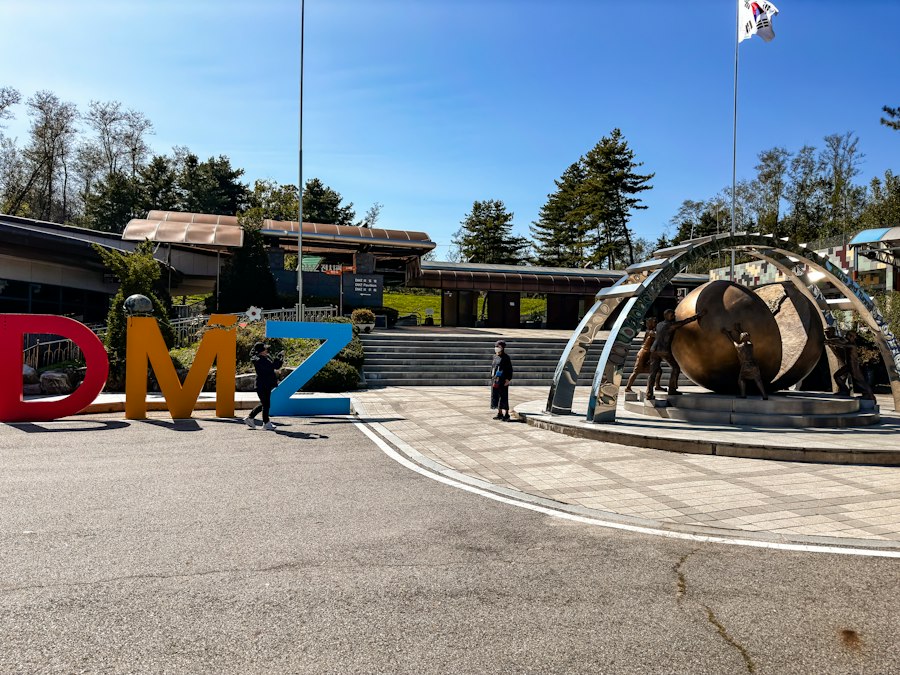
The DMZ Tree Cutting Operation, while focused on immediate security concerns, carries broader implications for the long-term peace and stability of the Korean Peninsula. It represents a tangible, albeit small, area of practical cooperation between two ideologically opposed states, fostering a degree of mutual understanding and reinforcing the fragile cease-fire.
A Rare Instance of Inter-Korean Cooperation
In an environment often defined by hostility and brinkmanship, the DMZ Tree Cutting Operation stands out as a beacon of pragmatic cooperation. The fact that both North and South Korea agree on the necessity of clearing certain areas within the DMZ to enhance security is a significant achievement. It demonstrates that even amidst profound political differences, shared security interests can lead to joint action.
Building Trust Through Practical Engagement
While not a substitute for a comprehensive peace treaty, these small-scale cooperative ventures can contribute to a gradual building of trust. By working together on a tangible objective, both sides can gain a better understanding of each other’s operational procedures and intentions, reducing the potential for misinterpretation and accidental escalation.
Precedent for Future Cooperation
The success of the DMZ Tree Cutting Operation can serve as a precedent for future cooperative endeavors. If practical issues like border management and security can be addressed collaboratively, it opens the door for discussions and actions on other shared challenges, potentially paving the way for further de-escalation and dialogue.
Reinforcing the Armistice Agreement
The operation, in its own way, reinforces the validity and the operational necessity of the Armistice Agreement. By actively managing the DMZ in accordance with the spirit of the agreement – to maintain a buffer and prevent conflict – both sides are demonstrating a commitment to upholding its core principles, however strained the overall relationship may be.
Maintaining a Functional Buffer Zone
The DMZ was envisioned as a buffer zone to prevent direct confrontation. The tree cutting operation ensures that this buffer zone remains functional and effective. By maintaining clear lines of sight and preventing the DMZ from becoming an impenetrable thicket, both sides are working to preserve its intended purpose as a zone of separation.
Reducing Incidents and Miscalculations
A well-managed DMZ with clear visibility is less likely to be the site of accidental incursions or miscalculations. The reduction of blind spots and the enhanced ability to monitor activity contribute to a more stable environment, minimizing the risk of incidents that could trigger a broader conflict.
A Symbol of Contradictory Realities
The DMZ Tree Cutting Operation is a powerful symbol of the contradictory realities of the Korean Peninsula. It is a zone of intense militarization and constant tension, yet it is also the site of meticulous environmental management and a rare instance of inter-Korean cooperation. This duality underscores the complexity of the Korean issue and the ongoing efforts to navigate a path towards greater peace and security.
The recent tree cutting operation in the Korean DMZ has sparked significant interest and concern among environmentalists and political analysts alike. This operation, aimed at enhancing military visibility and security, raises questions about its impact on the delicate ecosystem in the region. For a deeper understanding of the implications of such actions, you can read a related article that explores the historical context and environmental ramifications of military activities in the DMZ. Check it out here for a comprehensive analysis.
The Future of the DMZ Tree Cutting Operation
| Metric | Details |
|---|---|
| Operation Name | Korean DMZ Tree Cutting Operation |
| Date | October 2018 |
| Location | Demilitarized Zone (DMZ), Korea |
| Purpose | Remove trees obstructing line of sight between North and South Korea |
| Number of Trees Cut | Approximately 11,000 |
| Area Covered | Approximately 500 meters wide along the DMZ |
| Duration | About 2 weeks |
| Involved Parties | South Korean military and United Nations Command |
| Outcome | Improved visibility and reduced cover for potential infiltrations |
The DMZ Tree Cutting Operation is not a one-time event. It is an ongoing process, adapting to changing environmental conditions and evolving security assessments. The future of this operation is intrinsically linked to the broader trajectory of inter-Korean relations, with the potential for both expansion and contraction depending on the prevailing political climate.
Continuous Monitoring and Adaptation
The growth of vegetation is a natural and continuous process. Therefore, the DMZ Tree Cutting Operation must also be a continuous one. Regular monitoring of the DMZ landscape is essential to identify new areas where tree growth might compromise security. This necessitates an ongoing commitment to resource allocation and personnel training.
Adapting to Climate Change and Natural Growth
Climate change can influence the rate and type of vegetation growth within the DMZ. Future operations will need to adapt to these changing environmental factors. Understanding how increased rainfall or changing temperatures affect tree growth will be crucial for effective planning and execution.
Evolving Security Threats and Strategic Adjustments
As security threats evolve, so too will the strategic adjustments required within the DMZ. Any changes in military doctrine or observed enemy tactics could necessitate modifications to the areas designated for tree cutting and the methodologies employed.
The Role of Technology and Innovation
The increasing sophistication of technology will undoubtedly play a larger role in the future of the DMZ Tree Cutting Operation. Drones, advanced sensors, and AI-powered surveillance systems could further enhance the precision and efficiency of identifying trees that need to be removed and monitoring the effectiveness of the operation.
Utilizing Drones for Surveillance and Assessment
Drones offer a safe and efficient way to survey vast areas of the DMZ, identifying problem trees and monitoring the progress of clearing operations without putting personnel at unnecessary risk. Their ability to capture high-resolution imagery is invaluable for detailed assessments.
Advanced Sensor Technologies
The integration of advanced sensor technologies could provide real-time data on vegetation density, ground conditions, and potential hidden threats, further refining the decision-making process for tree cutting operations.
The Ultimate Goal: A Pathway to Peace
While the DMZ Tree Cutting Operation is fundamentally about preserving peace and security through practical measures, its ultimate aspiration is to contribute to a more lasting peace on the Korean Peninsula. By demonstrating the possibility of cooperation, de-escalation, and the management of shared security concerns, it offers a glimmer of hope for a future where the DMZ, and the division it represents, becomes a relic of the past. The continued success and careful execution of this operation, however complex, serve as a small but significant step in that long and arduous journey.

America Sent an Aircraft Carrier to Cut Down One Tree
FAQs
What is the Korean DMZ tree cutting operation?
The Korean DMZ tree cutting operation refers to the recent agreement between North and South Korea to remove trees from the Demilitarized Zone (DMZ) as a part of their efforts to reduce tensions and promote peace on the Korean Peninsula.
Why are trees being cut in the Korean DMZ?
The trees are being cut in the Korean DMZ to create a buffer zone and improve visibility along the border between North and South Korea. This is seen as a confidence-building measure to reduce the risk of accidental clashes and promote communication between the two countries.
Who is involved in the tree cutting operation in the Korean DMZ?
The tree cutting operation in the Korean DMZ is being carried out by both North and South Korean soldiers, who are working together to remove trees and vegetation along the border. The operation is being closely monitored by officials from both countries as well as international observers.
What is the significance of the Korean DMZ tree cutting operation?
The Korean DMZ tree cutting operation is significant as it symbolizes the ongoing efforts to improve relations between North and South Korea. By working together to remove trees from the DMZ, the two countries are taking a tangible step towards reducing tensions and building trust.
How will the Korean DMZ tree cutting operation impact the environment?
The tree cutting operation in the Korean DMZ is expected to have both positive and negative impacts on the environment. While removing trees may disrupt local ecosystems in the short term, it is also believed to help prevent wildfires and improve biodiversity in the long run. Environmental experts are closely monitoring the operation to minimize its impact on the surrounding area.