Arctic sovereignty has emerged as a critical issue in contemporary geopolitics, reflecting the growing recognition of the region’s strategic significance. As nations vie for control over vast and resource-rich territories, the concept of sovereignty in the Arctic has taken on new dimensions. The Arctic is not merely a remote expanse of ice; it is a region that holds immense potential for natural resources, including oil, gas, and minerals.
Furthermore, the melting ice caps due to climate change are opening up new shipping routes, making the Arctic increasingly accessible and desirable for various nations. Thus, establishing and maintaining sovereignty in this region is paramount for national security and economic interests. The implications of Arctic sovereignty extend beyond mere territorial claims.
They encompass issues of environmental protection, indigenous rights, and international law. As countries assert their claims over Arctic territories, they must navigate complex legal frameworks established by treaties such as the United Nations Convention on the Law of the Sea (UNCLOS). The importance of Arctic sovereignty lies not only in the resources it promises but also in the geopolitical stability it can provide.
A clear understanding and respect for sovereignty can help mitigate conflicts and foster cooperation among Arctic nations, ensuring that the region remains a zone of peace rather than contention.
Key Takeaways
- Arctic sovereignty is crucial for the control and protection of valuable resources and strategic military positioning.
- Military bases in the Arctic provide a strategic advantage for monitoring and responding to potential threats in the region.
- Threats to Arctic sovereignty include territorial disputes, resource exploitation, and the impact of climate change on the region.
- Military bases play a key role in protecting and securing Arctic resources, such as oil, gas, and minerals.
- Climate change is impacting Arctic sovereignty by opening up new shipping routes and resource opportunities, leading to increased international competition for territory.
The Strategic Value of Military Bases in the Arctic
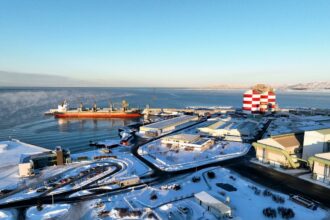
Military bases in the Arctic serve as vital assets for nations seeking to assert their sovereignty and protect their interests in this increasingly contested region. These installations provide strategic advantages, enabling rapid response capabilities to potential threats and enhancing national defense. The harsh and remote environment of the Arctic necessitates a robust military presence to ensure that nations can effectively monitor their territorial claims and respond to any incursions.
The establishment of military bases allows for the deployment of personnel, equipment, and resources that are essential for maintaining security in this challenging landscape. Moreover, military bases in the Arctic play a crucial role in supporting search and rescue operations, disaster response, and humanitarian assistance. Given the region’s extreme weather conditions and unpredictable ice patterns, having a well-equipped military presence can be instrumental in safeguarding lives and protecting maritime activities.
These bases also facilitate joint exercises and training with allied forces, enhancing interoperability and readiness among nations that share common interests in Arctic security. As competition intensifies, the strategic value of these military installations cannot be overstated; they are essential for asserting control over vital shipping lanes and resource-rich areas.
Threats to Arctic Sovereignty
The threats to Arctic sovereignty are multifaceted and complex, arising from both environmental changes and geopolitical tensions. One of the most pressing concerns is the increasing militarization of the region by various nations. As countries expand their military capabilities in the Arctic, the potential for conflict escalates.
This militarization is often driven by national interests in securing access to resources and shipping routes, leading to heightened tensions among Arctic states. The presence of foreign military assets can challenge established claims and create an atmosphere of uncertainty regarding territorial boundaries. Additionally, non-state actors pose significant threats to Arctic sovereignty.
Environmental groups, indigenous communities, and multinational corporations often have competing interests that can undermine national claims. For instance, indigenous populations may assert their rights over traditional lands, challenging state sovereignty in ways that require careful negotiation and respect for local customs. Furthermore, as climate change continues to alter the landscape of the Arctic, illegal fishing, unregulated shipping, and resource exploitation by foreign entities can further complicate sovereignty issues.
Addressing these threats requires a comprehensive approach that balances national interests with environmental stewardship and respect for indigenous rights.
The Role of Military Bases in Protecting Arctic Resources
| Metrics | Data |
|---|---|
| Number of military bases in the Arctic region | 10 |
| Amount of natural resources in the Arctic | Estimated 90 billion barrels of oil |
| Extent of Arctic territory protected by military presence | Approximately 4 million square miles |
| Investment in Arctic military infrastructure | Billions of dollars |
Military bases in the Arctic are not only strategic outposts for defense but also play a crucial role in safeguarding valuable resources. The region is rich in hydrocarbons, minerals, and fisheries, making it a focal point for economic interests among Arctic nations. As competition for these resources intensifies, military installations serve as deterrents against illegal exploitation and unauthorized activities.
By maintaining a visible military presence, nations can assert their claims over resource-rich areas and ensure that their economic interests are protected. Moreover, military bases facilitate research and monitoring activities that are essential for sustainable resource management. They provide logistical support for scientific expeditions aimed at understanding the impacts of climate change on marine ecosystems and resource availability.
This research is vital for developing policies that balance economic development with environmental conservation. By integrating military capabilities with scientific endeavors, nations can enhance their ability to protect Arctic resources while promoting responsible stewardship of this fragile environment.
The Impact of Climate Change on Arctic Sovereignty
Climate change is reshaping the Arctic landscape at an unprecedented rate, with profound implications for sovereignty in the region. The melting ice caps are not only altering ecosystems but also opening up new shipping routes and access to previously unreachable resources.
As ice recedes, countries must reassess their claims and adapt to new realities that could lead to disputes over maritime boundaries. Furthermore, climate change exacerbates existing tensions among Arctic states. As nations seek to capitalize on emerging opportunities, competition for resources may intensify, leading to potential conflicts over territorial claims.
The changing environment also poses risks to indigenous communities who rely on traditional practices tied to stable ice conditions. Their voices must be included in discussions about sovereignty and resource management to ensure that their rights are respected amid these changes. Ultimately, addressing the impacts of climate change on Arctic sovereignty requires collaborative efforts among nations to develop adaptive strategies that prioritize both security and environmental sustainability.
International Competition for Arctic Territory
The competition for Arctic territory has escalated in recent years as nations recognize the strategic importance of the region. With melting ice revealing new shipping routes like the Northern Sea Route and access to untapped natural resources, countries are eager to assert their claims over these valuable areas. This competition is not limited to Arctic states; non-Arctic nations are also expressing interest in the region’s potential, further complicating territorial disputes.
The race for control over maritime boundaries has led to increased military posturing and diplomatic maneuvering among nations. International law plays a crucial role in mediating these territorial disputes. Treaties such as UNCLOS provide frameworks for establishing maritime boundaries based on continental shelf claims.
However, differing interpretations of these laws can lead to conflicts between nations asserting overlapping claims. As countries invest in military capabilities to bolster their positions, there is a growing need for dialogue and cooperation to prevent escalation into open conflict. The international community must work together to establish norms that promote peaceful resolution of disputes while respecting the rights of indigenous populations and environmental considerations.
The Need for Enhanced Military Presence in the Arctic
Given the evolving geopolitical landscape and increasing competition for resources, there is a pressing need for enhanced military presence in the Arctic. Nations must invest in modernizing their military capabilities to effectively monitor their territorial claims and respond to potential threats. This includes upgrading existing bases, expanding infrastructure, and deploying advanced surveillance technologies capable of operating in extreme conditions.
A robust military presence not only serves as a deterrent against potential aggressors but also reassures allies of a nation’s commitment to regional security. Moreover, an enhanced military presence can facilitate greater collaboration among Arctic states in addressing shared challenges such as search and rescue operations, environmental protection, and disaster response. Joint exercises and training initiatives can strengthen partnerships while improving readiness for unforeseen events.
By fostering cooperation through military engagement, nations can build trust and establish mechanisms for conflict resolution that prioritize diplomacy over confrontation.
The Role of Military Bases in Surveillance and Monitoring
Military bases in the Arctic play a pivotal role in surveillance and monitoring activities essential for maintaining sovereignty over territorial claims. These installations are equipped with advanced technologies capable of tracking maritime traffic, detecting illegal fishing activities, and monitoring environmental changes resulting from climate change. By leveraging satellite imagery, radar systems, and aerial reconnaissance, military forces can gather critical data that informs decision-making regarding resource management and security operations.
Furthermore, surveillance capabilities extend beyond national borders; they contribute to regional stability by providing early warning systems against potential threats from non-state actors or foreign incursions. The ability to monitor vast expanses of ocean and ice is crucial for ensuring compliance with international laws governing maritime activities. By maintaining vigilance through military bases, nations can safeguard their interests while promoting responsible behavior among all actors operating in the Arctic.
Cooperation with Arctic Allies in Securing Sovereignty
Cooperation among Arctic allies is essential for effectively securing sovereignty in this strategically important region. While competition exists among nations vying for control over resources and territory, collaborative efforts can foster stability and mutual understanding. Joint initiatives focused on environmental protection, search and rescue operations, and scientific research can strengthen relationships between Arctic states while addressing shared challenges posed by climate change.
Multilateral organizations such as the Arctic Council provide platforms for dialogue among member states to discuss issues related to sovereignty and resource management. By engaging in cooperative frameworks that prioritize diplomacy over militarization, nations can work together to establish norms governing behavior in the Arctic. This collaborative approach not only enhances security but also promotes sustainable development practices that respect indigenous rights and environmental considerations.
The Economic and Geopolitical Implications of Arctic Sovereignty
The economic implications of Arctic sovereignty are profound, as control over resources translates into significant financial benefits for nations involved. Access to oil reserves, natural gas fields, and mineral deposits can bolster national economies while providing energy security amid global demand fluctuations. Additionally, new shipping routes offer opportunities for trade expansion that could reshape global supply chains.
However, these economic advantages come with geopolitical risks; competition for resources may lead to tensions between nations if not managed carefully. Geopolitically, Arctic sovereignty has implications beyond regional borders; it influences global power dynamics as emerging economies seek greater influence over resource-rich areas. As non-Arctic states express interest in participating in Arctic affairs—often driven by energy needs or strategic ambitions—the need for clear governance structures becomes increasingly important.
Establishing norms around resource management will be crucial in preventing conflicts while ensuring equitable access to benefits derived from this unique region.
Ensuring the Long-Term Security of Arctic Sovereignty
Ensuring long-term security over Arctic sovereignty requires a multifaceted approach that balances national interests with international cooperation. Nations must invest not only in military capabilities but also in diplomatic efforts aimed at fostering dialogue among stakeholders involved in Arctic affairs. This includes engaging indigenous communities whose rights must be respected within discussions about resource management and territorial claims.
Furthermore, addressing climate change through collaborative initiatives will be essential for preserving both environmental integrity and national interests in the region. By prioritizing sustainable practices while promoting responsible resource extraction methods, countries can work towards securing their sovereignty without compromising ecological health or indigenous rights. In conclusion, as geopolitical dynamics continue to evolve within the Arctic region—shaped by climate change impacts—nations must navigate complex challenges surrounding sovereignty with foresight and cooperation at their core.
Through enhanced military presence combined with diplomatic engagement among allies—alongside respect for local communities—countries can strive towards ensuring lasting security over this vital area while promoting peaceable coexistence amidst competing interests.
The issue of Arctic sovereignty has gained significant attention in recent years, particularly as nations vie for control over the region’s resources and strategic routes. A related article that delves into the complexities of military bases in the Arctic can be found on In The War Room. This piece explores the implications of military presence in the region and the geopolitical tensions that arise as countries assert their claims. For more insights, you can read the article [here](https://www.inthewarroom.com/).
WATCH THIS! Inside Iceworm: America’s Secret Nuclear City Built Under Greenland
FAQs
What is Arctic sovereignty?
Arctic sovereignty refers to a country’s authority and control over the Arctic region, including its land, waters, and resources. It involves the legal and political rights of a nation to govern and protect its interests in the Arctic.
Why is Arctic sovereignty important?
Arctic sovereignty is important due to the region’s strategic geopolitical and economic significance. It is home to valuable natural resources, shipping routes, and potential for military activities. As the Arctic ice melts, there is increased interest in the region, leading to concerns about territorial claims and security.
What are military bases in the Arctic used for?
Military bases in the Arctic are used for various purposes, including national defense, surveillance, search and rescue operations, and scientific research. They also serve as a means for countries to assert their presence and sovereignty in the region.
Which countries have military bases in the Arctic?
Several countries have military bases in the Arctic, including the United States, Russia, Canada, Norway, and Denmark (through Greenland). These bases are strategically located to protect national interests and assert sovereignty in the region.
How does the presence of military bases impact Arctic sovereignty?
The presence of military bases in the Arctic can impact sovereignty by demonstrating a country’s ability to defend its interests and enforce its authority in the region. It can also influence territorial claims and resource exploitation, leading to potential geopolitical tensions.