The USS Midway and Operation Paul Bunyan: A Historic Mission
The annals of military history are replete with tales of daring operations and the colossal machines that made them possible. Among these, the story of the USS Midway and its clandestine involvement in Operation Paul Bunyan stands as a particularly compelling example of strategic foresight and the sheer, overwhelming power projection capabilities of the United States in the late 20th century. While the details of Operation Paul Bunyan remained shrouded in secrecy for decades, its impact on regional stability and its demonstration of American resolve were undeniable. This article delves into the history of the USS Midway, the complex geopolitical landscape that necessitated such a mission, and the intricate planning and execution of Operation Paul Bunyan.
The USS Midway (CV-41) was not just any aircraft carrier; she was a titan of the seas, a veteran of numerous conflicts, and a testament to American engineering and naval might. Commissioned in 1945, just as World War II was drawing to a close, she was the lead ship of her class and the first American aircraft carrier too large to fit through the Panama Canal. This sheer size was indicative of the evolving nature of naval warfare, with carriers increasingly becoming the central linchpin of offensive and defensive strategies.
The Midway’s Early Career and Evolution
Launched in 1943 and commissioned in 1945, the Midway class represented a significant leap forward in aircraft carrier design. These ships were built to accommodate larger and more powerful aircraft, reflecting the rapid advancements in aviation technology during the war. The Midway served with distinction throughout the Cold War, participating in pivotal events and conflicts.
The Korean War and Beyond
The Midway saw extensive service during the Korean War, providing crucial air support to UN forces. Her operations in the Far East established her as a formidable presence in the region. Following Korea, she continued to patrol the Pacific, responding to various geopolitical crises and demonstrating America’s commitment to its allies.
Technological Advancements and Adaptations
Throughout her service life, the USS Midway underwent several modernizations to keep pace with technological advancements. These upgrades included enhancements to her flight deck, improved radar and communication systems, and the integration of new weapon systems. These constant evolutions ensured that the Midway remained a relevant and potent instrument of power projection.
The Era of Jet Aircraft
The transition from propeller-driven aircraft to powerful jet fighters and bombers presented a significant challenge for carrier design. The Midway’s robust construction and her ability to be modified allowed her to effectively operate the latest generation of naval aircraft, making her a formidable platform for power projection.
The USS Midway played a significant role in various military operations, including the notable Operation Paul Bunyan, which was a massive show of force following the Korean War. For those interested in exploring more about the strategic implications and historical context of such operations, a related article can be found at In the War Room. This resource provides in-depth analysis and insights into military strategies and their impact on global events.
The Geopolitical Crucible: Korea in the Early 1970s
While the Midway was a symbol of American strength, the geopolitical climate of the early 1970s, particularly on the Korean Peninsula, presented a unique and volatile challenge. The Korean War had ended in an armistice in 1953, but the division of the peninsula remained a source of constant tension and sporadic skirmishes. North Korea, under the leadership of Kim Il-sung, was increasingly assertive and sought to destabilize the fragile peace.
The Armistice and its Fragile Nature
The Korean War Armistice Agreement was a ceasefire, not a peace treaty. This meant that the two Koreas technically remained at war, with a heavily fortified Demilitarized Zone (DMZ) separating them. Border incidents, propaganda, and occasional provocations were commonplace, keeping the region on a knife’s edge.
The Role of the DMZ
The DMZ, a four-kilometer-wide buffer zone, became one of the most heavily armed borders in the world. It was a constant reminder of the unresolved conflict and a frequent flashpoint for incidents that threatened to reignite open warfare.
North Korea’s Growing Assertiveness
In the years leading up to Operation Paul Bunyan, North Korea began to exhibit a more aggressive stance. They were known to engage in espionage, infiltration, and propaganda campaigns aimed at undermining the South Korean government and fomenting unrest. This assertive behavior was a growing concern for the United States and its allies.
The Tunnel Incursions
One of the most alarming tactics employed by North Korea was the construction of infiltration tunnels beneath the DMZ. These tunnels were designed to allow North Korean special forces to bypass defenses and launch surprise attacks into South Korea. The discovery of these tunnels highlighted the insidious nature of North Korea’s actions.
The USS Midway played a significant role in various military operations, including the notable Operation Paul Bunyan, which aimed to demonstrate U.S. resolve during the Korean War. For those interested in exploring more about the strategic implications of this operation and its historical context, you can read a related article that delves deeper into the events surrounding it. This insightful piece provides a comprehensive overview of the operation’s impact on U.S. military strategy and international relations. To learn more, visit this article.
The United Nations Command and its Mandate
The United Nations Command (UNC), established to uphold the armistice, was tasked with maintaining peace and stability on the Korean Peninsula. The UNC, primarily composed of U.S. and South Korean forces, faced the daunting task of deterring further aggression while also preventing escalation.
The Challenges of Deterrence
Deterring a determined adversary like North Korea proved to be an ongoing challenge. Traditional military posturing was sometimes insufficient, and North Korea’s willingness to engage in provocative actions required a more nuanced and sometimes more forceful response.
The Spark: The Axe-Murder Incident

The immediate catalyst for Operation Paul Bunyan was a brutal and shocking incident that occurred on August 18, 1976, within the Joint Security Area (JSA) of the DMZ. The JSA, a small area where North and South Korean forces could directly interact, was a highly sensitive zone, and interactions there were carefully managed.
The Joint Security Area (JSA) and its Significance
The JSA was the only place where North and South Korean soldiers stood face-to-face. It was a critical point of contact and a potential flashpoint for conflict. Personnel within the JSA were always on high alert, and interactions were governed by strict protocols.
The Tree at the Checkpoint
A poplar tree, planted by a South Korean official years earlier, had grown to obscure the view of a vital checkpoint within the JSA. North Korean guards had previously complained about the tree, and it had become a symbol of minor contention.
The Tragic Encounter
On that fateful August day, a detail of UNC personnel, including American and South Korean soldiers, were tasked with trimming the branches of the offending poplar tree. Their mission was routine, but it was perceived as an act of provocation by the North Korean guards.
The North Korean Reaction
As the UNC detail began their work, a group of North Korean soldiers, led by an officer, arrived and demanded that they cease their activity. When their demands were ignored, the situation escalated rapidly and tragically.
The Brutal Attack
The North Korean guards, armed with axes and other improvised weapons, launched a surprise, vicious attack on the UNC detail. The violence was swift and brutal. Two American soldiers, Captain Arthur Bonifas and First Lieutenant Mark Barrett, were murdered in the cold blood. Many others were injured.
The Unprecedented Nature of the Attack
The axe-murder incident was unprecedented in its ferocity and the direct targeting of American personnel. It sent shockwaves through the UNC and the American military command. The brazenness of the attack could not be ignored.
Operation Paul Bunyan: A Measured Response of Overwhelming Force
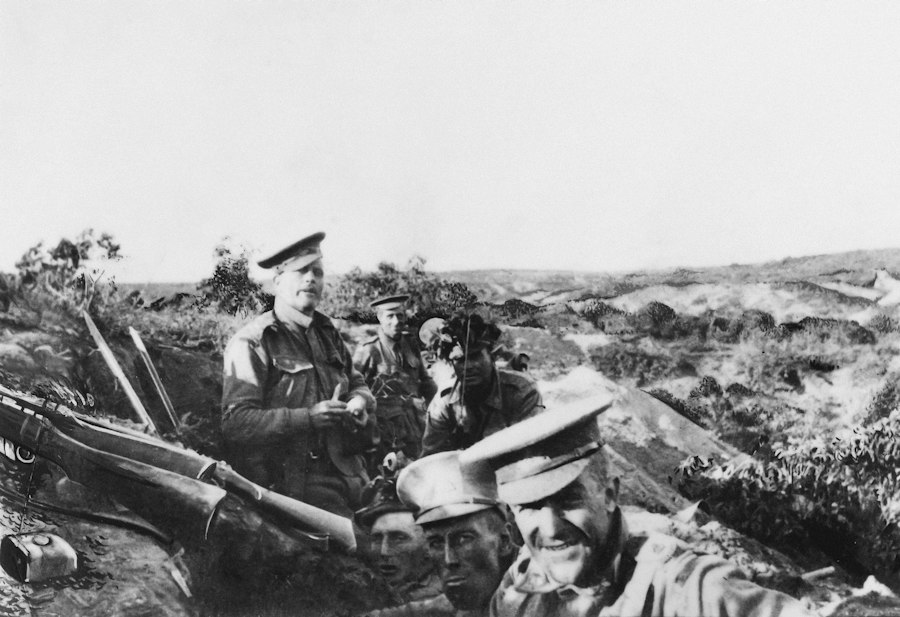
The axe-murder incident at the JSA demanded a response that would not only retaliate for the loss of American lives but also serve as a stark warning to North Korea against future provocations. The United States, in coordination with South Korea, decided on a course of action that was both decisive and symbolic: Operation Paul Bunyan.
The Objective: Retaliation and Deterrence
The primary objective of Operation Paul Bunyan was to demonstrate that the United States would not tolerate attacks on its personnel and that any future aggression would be met with overwhelming force. The operation was designed to be a show of strength, a clear message to Pyongyang that the era of impunity was over.
Retaliation for the Fallen
The immediate goal was to retaliate for the senseless murders of Captain Bonifas and Lieutenant Barrett. This was not just about vengeance; it was about upholding the dignity of those who served and died.
A Message to Pyongyang
More importantly, the operation aimed to deter North Korea from further provocative actions. It was a carefully calculated display of power, intended to re-establish a balance of deterrence.
The Midway’s Crucial Role
The USS Midway, already stationed in the region, was to play a pivotal role in this operation. Her presence was not just for show; she was a critical component of the larger military buildup and a tangible symbol of America’s commitment to the defense of South Korea.
Power Projection from the Sea
The Midway represented America’s ability to project overwhelming military power directly into the region from international waters. Her aircraft could conduct strikes, and her very presence served as a potent deterrent.
The Tactical Execution: A Carefully Orchestrated Display
Operation Paul Bunyan was not about an invasion or an act of war, but rather a highly controlled and meticulously planned demonstration of force. The most iconic element of the operation involved the felling of the offending poplar tree.
The Felling of the Tree
Under the protection of a massive contingent of U.S. and South Korean troops, including heavily armed infantry, armored personnel carriers, and attack helicopters, a team was dispatched to cut down the poplar tree. This was not a simple forestry operation; it was a heavily guarded, symbolic act.
The Scale of the Deployment
The operation involved thousands of troops, demonstrating the seriousness with which the incident was being treated. The sheer number of forces involved sent an undeniable message of resolve.
The Air Cover
A formidable air component was deployed, with fighter jets and attack helicopters providing close air support and overhead surveillance. The roar of engines and the visible presence of advanced aircraft underscored the capabilities at play.
The Presence of the Midway
The USS Midway, along with other naval assets, was positioned in international waters off the coast of Korea. Her presence served as a strategic anchor for the entire operation, capable of responding rapidly if the situation escalated.
The Threat of Air Strikes
While not directly involved in the tree felling, the Midway’s operational readiness meant that the threat of carrier-based air strikes against North Korean targets was very real. This was a crucial element of the overall deterrence strategy.
The Aftermath: A Resounding Statement
The successful felling of the tree, completed without further loss of life or major incident, was a resounding statement. North Korea, faced with such a decisive and overwhelming show of force, did not retaliate further.
A Shift in the Balance of Power
Operation Paul Bunyan marked a significant moment in the ongoing tensions on the Korean Peninsula. It demonstrated that the United States was willing to take decisive action to protect its interests and allies, and that North Korea’s provocative tactics would not go unanswered.
The Legacy of the Operation
For decades, the specifics of Operation Paul Bunyan remained classified. However, its impact was felt throughout the region, reinforcing the credibility of American deterrence and solidifying the alliance between the United States and South Korea. The USS Midway, through her silent but potent presence, was an integral part of this historic mission. The memory of the fallen soldiers and the decisive response serves as a stark reminder of the complexities and dangers of international relations, and the critical role that formidable naval power can play in maintaining peace and deterring aggression.

America Sent an Aircraft Carrier to Cut Down One Tree
FAQs
What was Operation Paul Bunyan?
Operation Paul Bunyan was a military operation conducted by the United States and South Korea in 1976 to cut down a tree in the Korean Demilitarized Zone (DMZ) that was obstructing the view of a United Nations Command checkpoint.
Why was the tree cutting operation necessary?
The tree cutting operation was necessary because the tree, known as the “Axe Murder Tree,” had been the site of a violent incident in 1976 where two United States Army officers were killed by North Korean soldiers while attempting to trim the tree.
What role did the USS Midway play in Operation Paul Bunyan?
The USS Midway, an aircraft carrier of the United States Navy, provided air support during Operation Paul Bunyan by launching helicopters and fighter jets to patrol the area and provide cover for ground forces carrying out the tree cutting operation.
Were there any casualties during Operation Paul Bunyan?
No casualties were reported during Operation Paul Bunyan, as the operation was carefully planned and executed to avoid any further escalation of hostilities between North and South Korea.
What was the outcome of Operation Paul Bunyan?
Operation Paul Bunyan successfully removed the tree that had been a source of tension in the Korean DMZ, and the operation helped to demonstrate the resolve of the United States and South Korea in upholding the armistice agreement in the region.